The Evolution of Website Marketing in 2026: Navigating AI Discovery, Zero-Click Search, and Omnichannel Trust

Website marketing in 2026 has fundamentally shifted away from traditional, isolated promotional models. Historically, digital marketing strategies centered on a singular objective: driving direct organic or paid traffic to a corporate website, capturing user attention on-site, and converting visitors into paying customers. While the corporate website remains the ultimate destination for transactions and deep engagement, a vast majority of the modern customer journey now occurs entirely outside its boundaries.
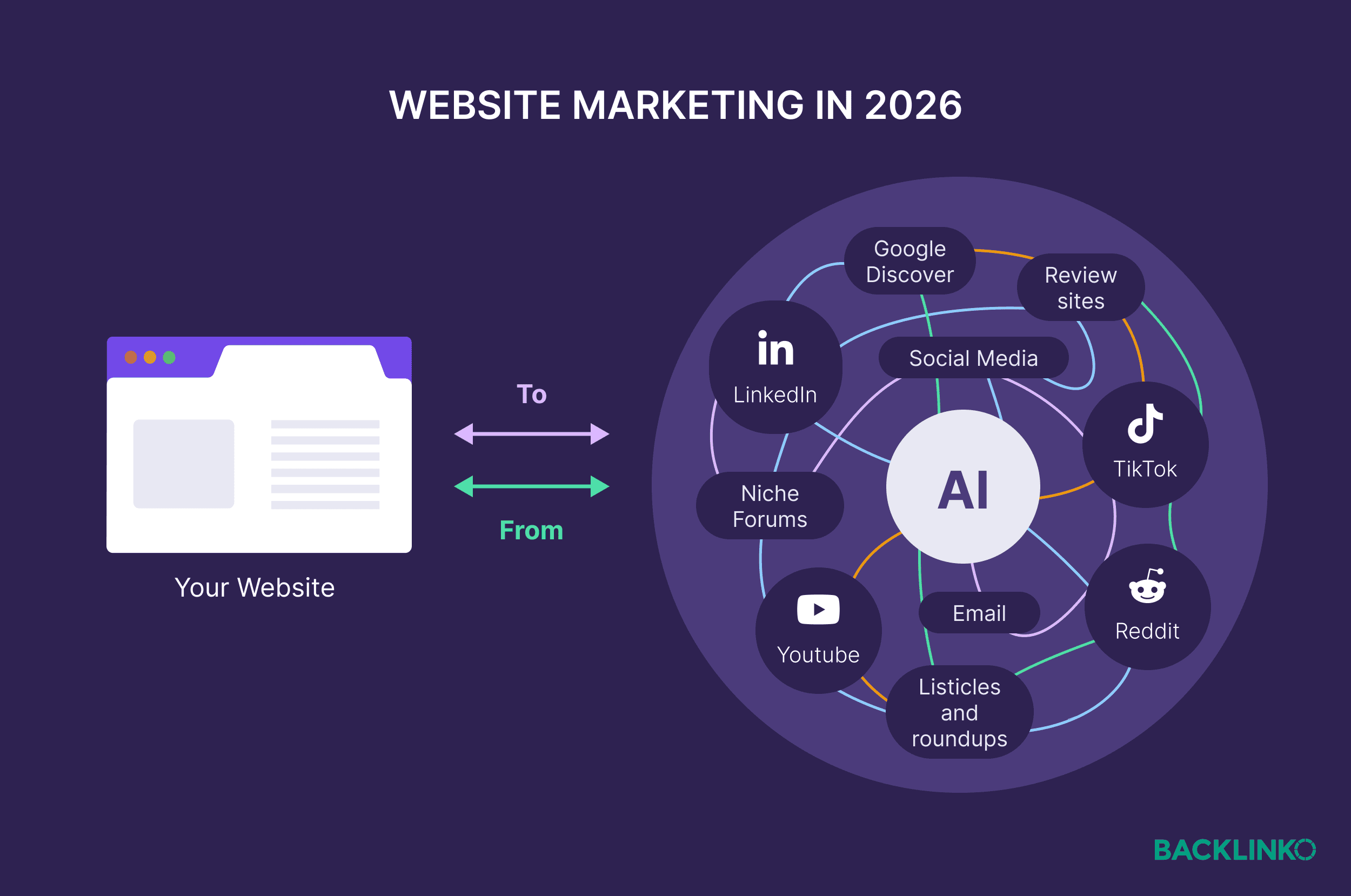
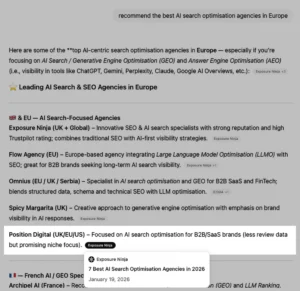
Before a prospective buyer ever lands on a company’s homepage, they have likely consulted generative artificial intelligence research tools, specialized Reddit threads, and decentralized social media channels. These off-site touchpoints heavily influence brand perception, consumer trust, and final purchasing decisions. Consequently, organizations that fail to maintain visibility and authority across external digital ecosystems frequently find themselves losing high-intent traffic before the conversion funnel even begins.
The Changing Dynamics of Consumer Discovery and AI Integration

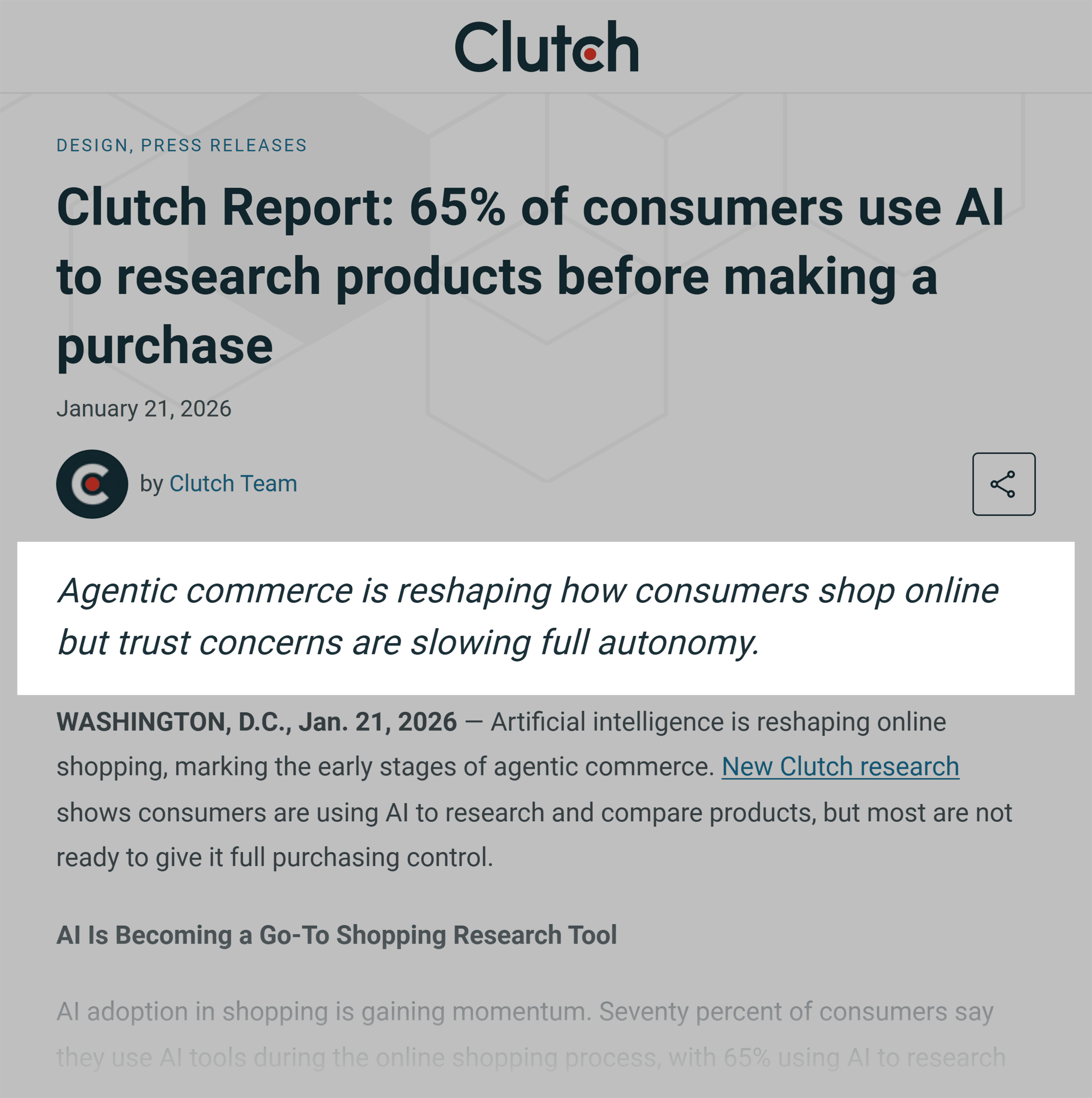
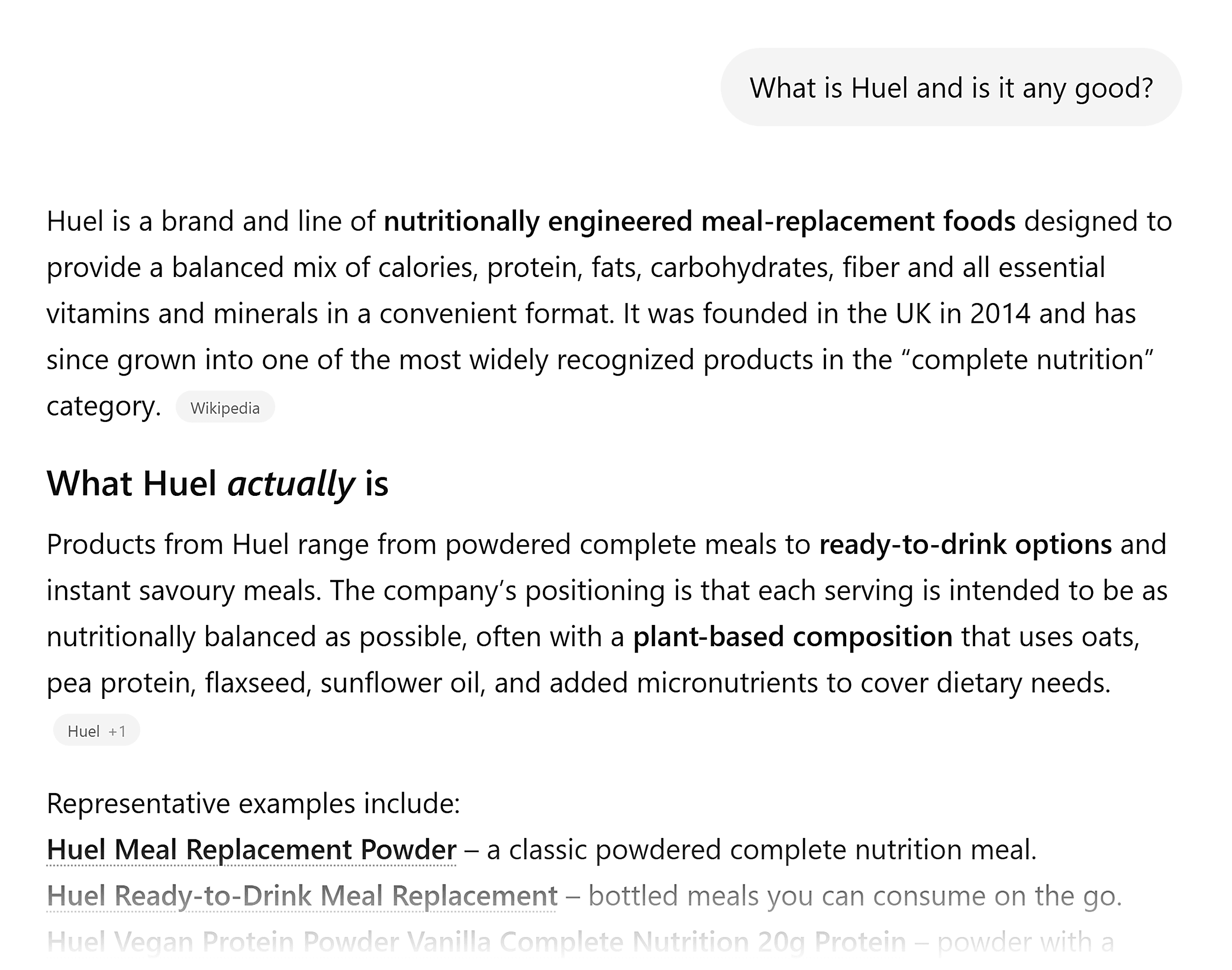
Recent market research underscores this structural transformation in digital consumer behavior. According to comprehensive industry data released by Clutch Research, more than 65% of modern buyers now utilize artificial intelligence and large language models (LLMs) to research products, services, and corporate options prior to visiting an official website. By the time a consumer finally clicks through to a brand’s web property, they have often already formed a definitive opinion regarding the company’s market standing, value proposition, and competitive advantages.
This paradigm shift requires modern marketing teams to actively engineer how the broader internet—and by extension, AI systems—describes their brand. Leaving an online reputation to chance is no longer viable. Establishing a rigorous brand messaging strategy ensures that the language, core claims, and product positioning associated with a business remain consistent across every digital channel.
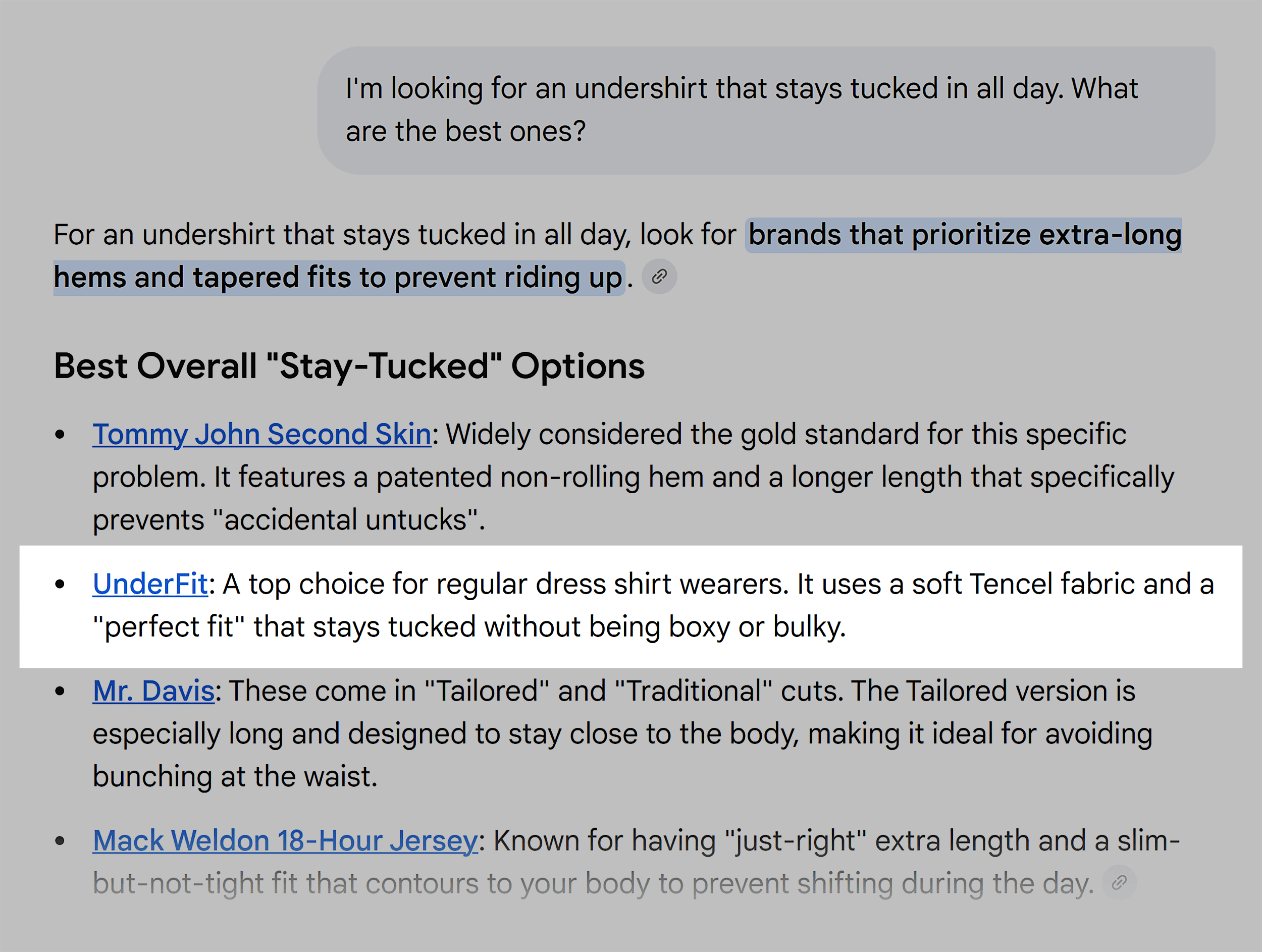
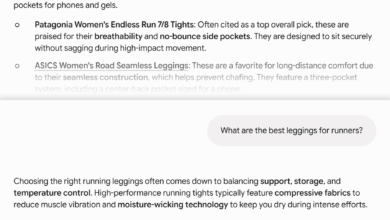
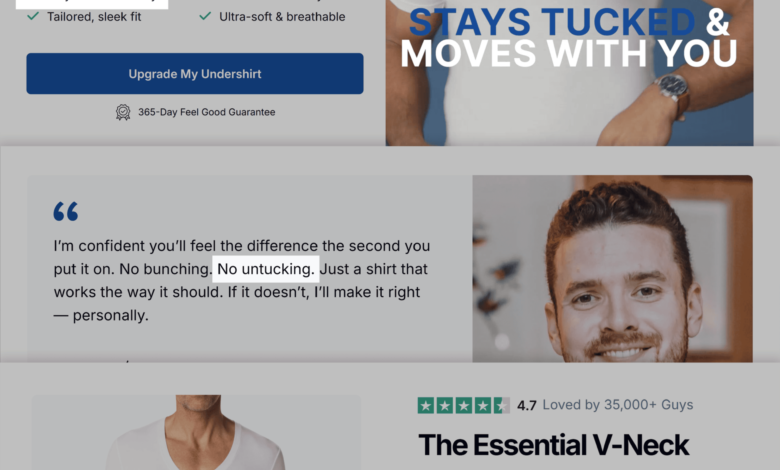
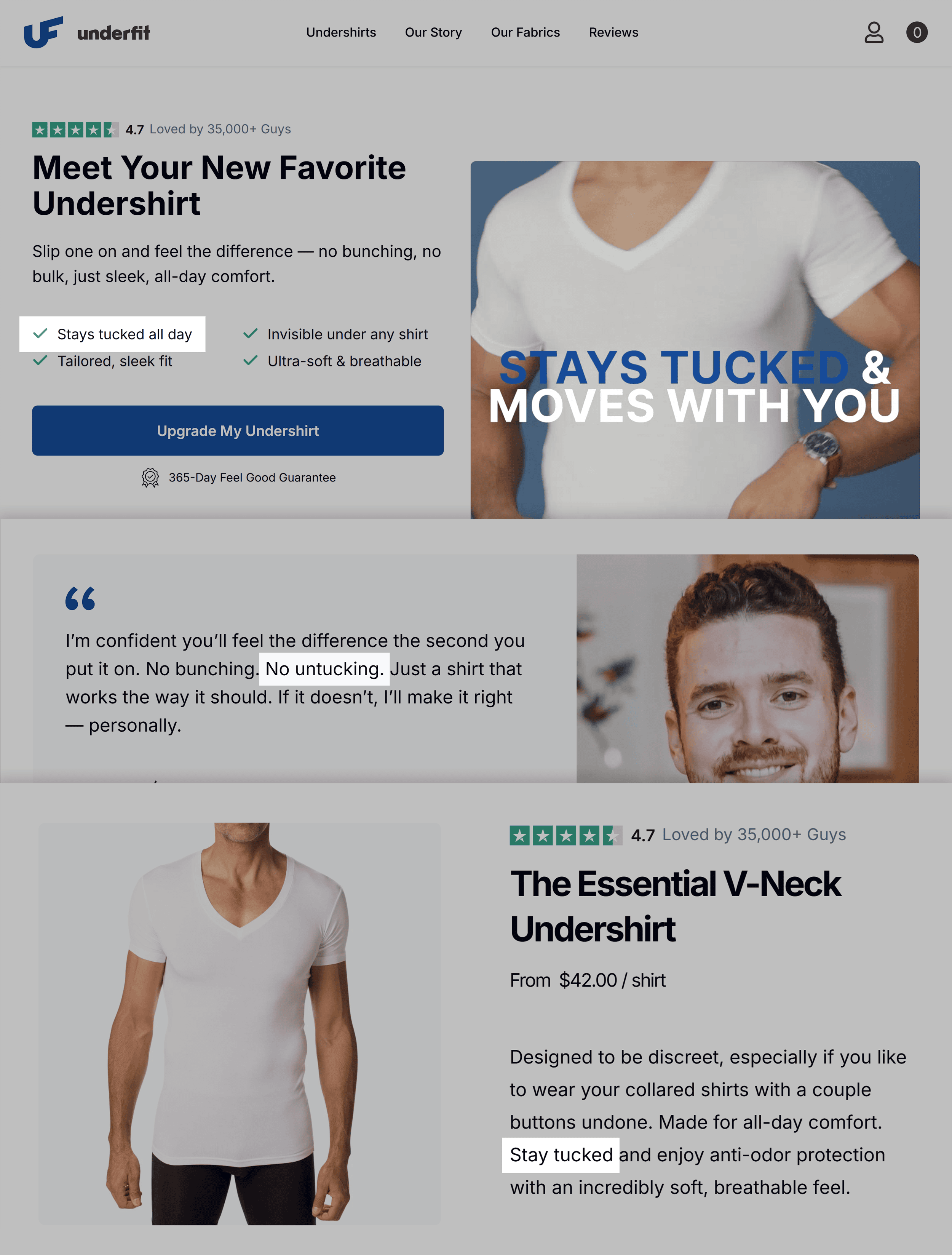
Organizations must document their core brand values, unique selling propositions, and specific problem-solving attributes, making these guidelines accessible to internal departments, external partners, and public relations teams alike. When a brand’s core benefit—such as an apparel company’s guarantee that its products stay tucked all day—is consistently echoed across product reviews, industry roundups, and social media discussions, large language models absorb this pattern. Consequently, when users query AI systems for specific product attributes, these brands naturally emerge as authoritative recommendations.
Structural Optimization for Both Human Readers and Algorithmic Parsers
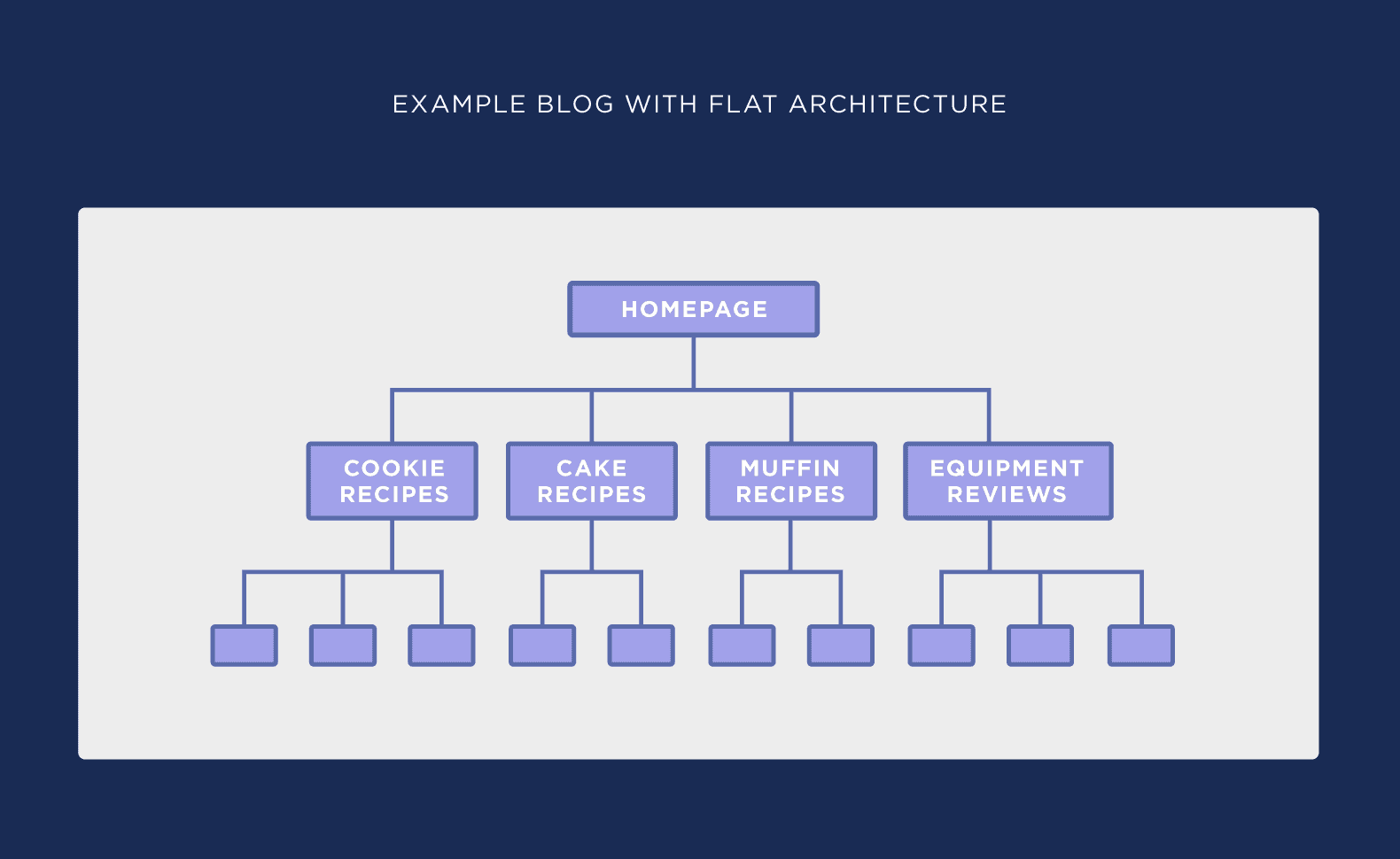
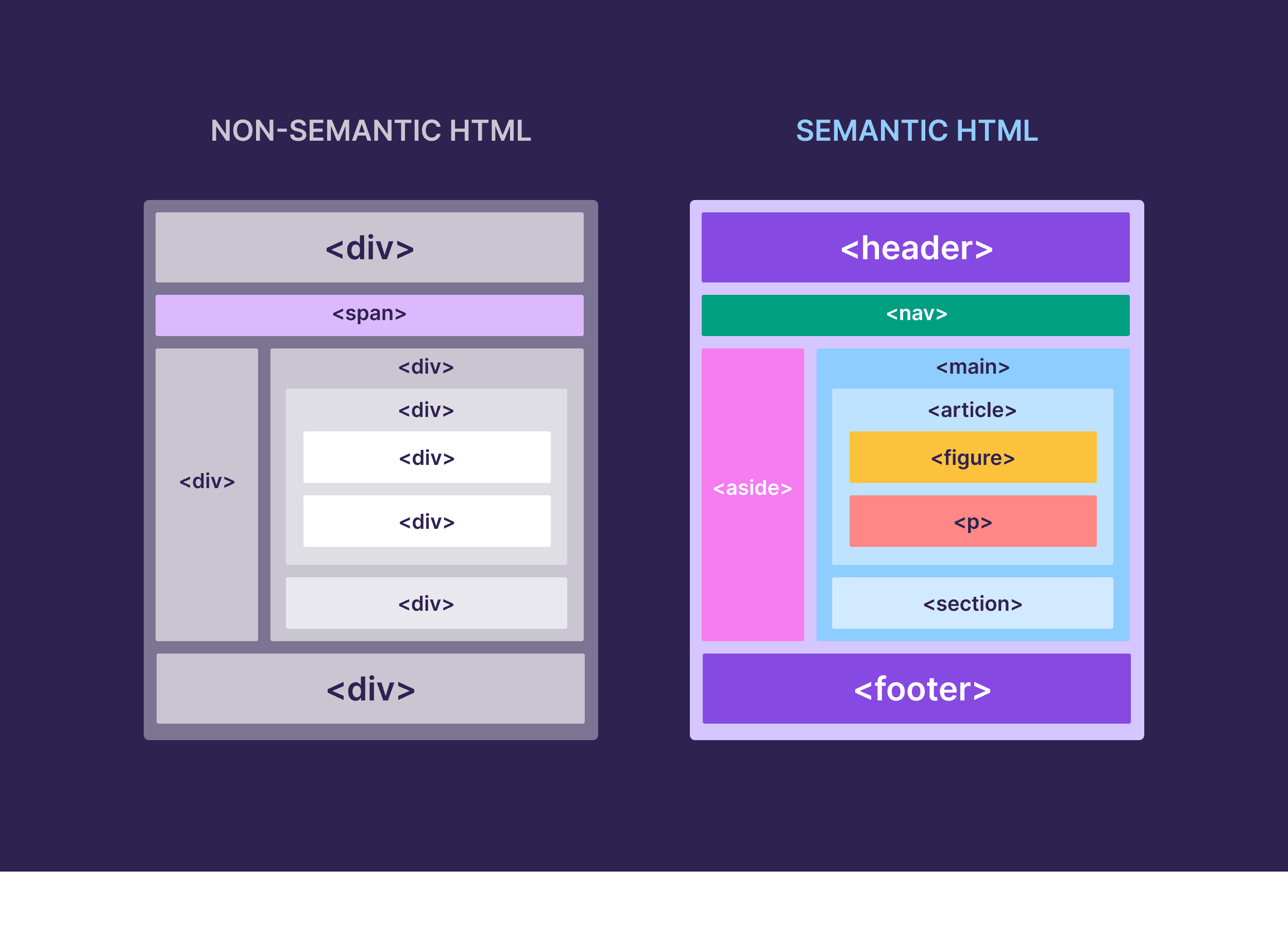
Achieving visibility across external channels must be paired with robust on-site architecture designed to be effortlessly interpreted by both human readers and sophisticated AI web scrapers. Website architecture in 2026 demands a clean, logical hierarchy characterized by flat structures, intuitive navigation paths, and comprehensive semantic HTML.
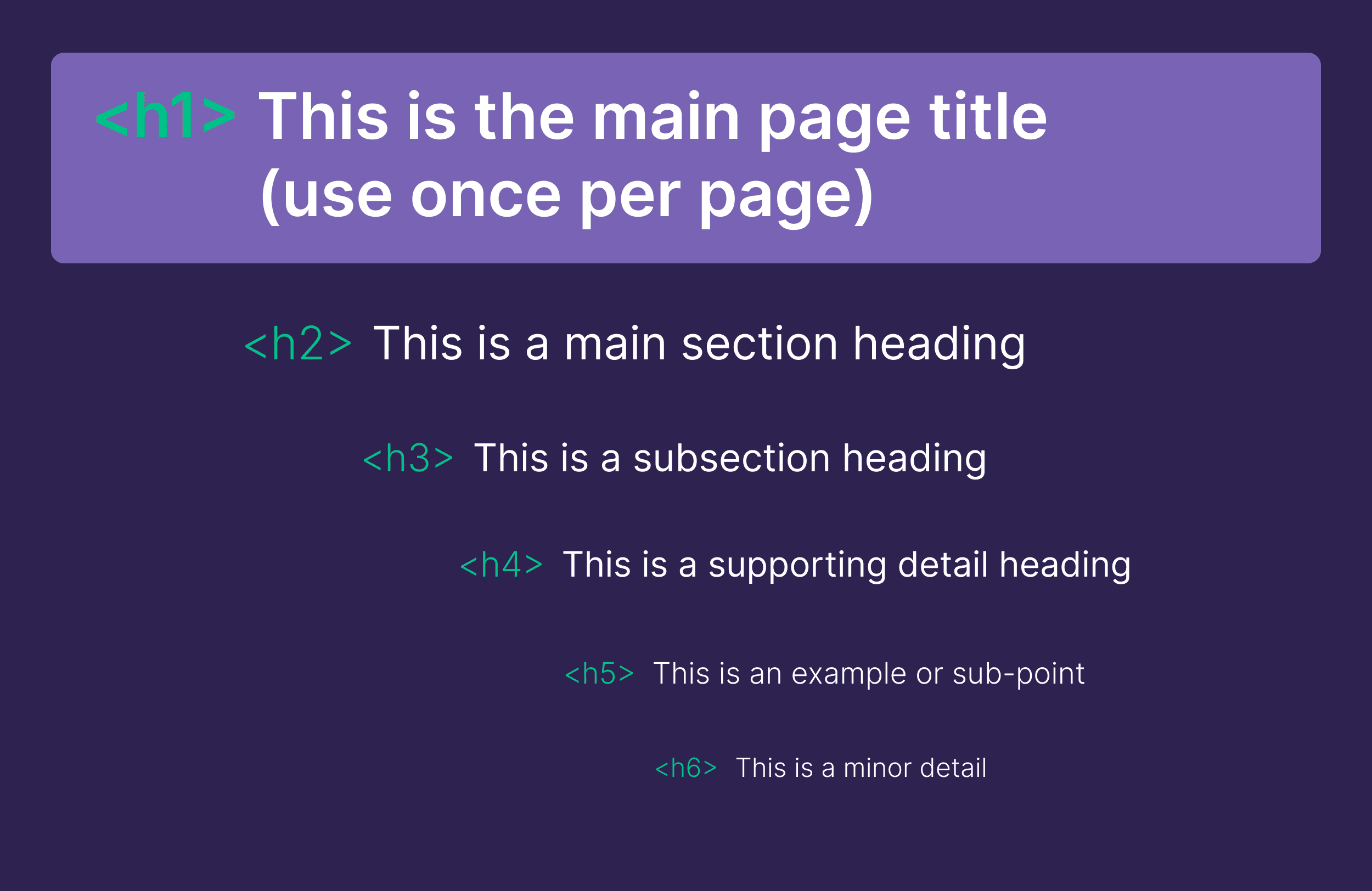
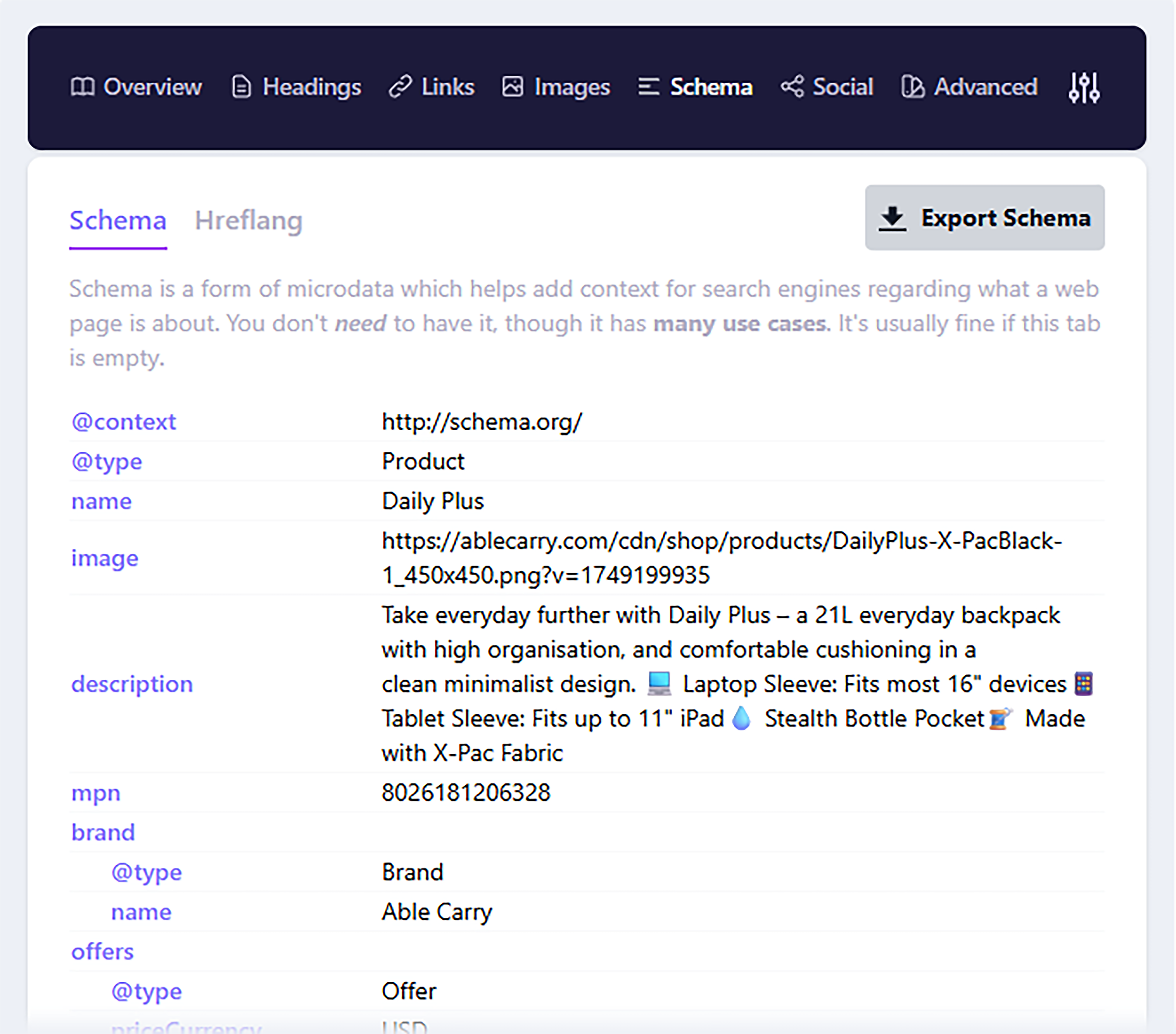
Using proper heading tags (H1, H2, H3), structured lists, and explicit section elements clarifies the content hierarchy for search engines and LLMs. Furthermore, implementing rigorous schema markup and maintaining core on-page SEO best practices ensures that technical systems can accurately categorize and contextualize web content.
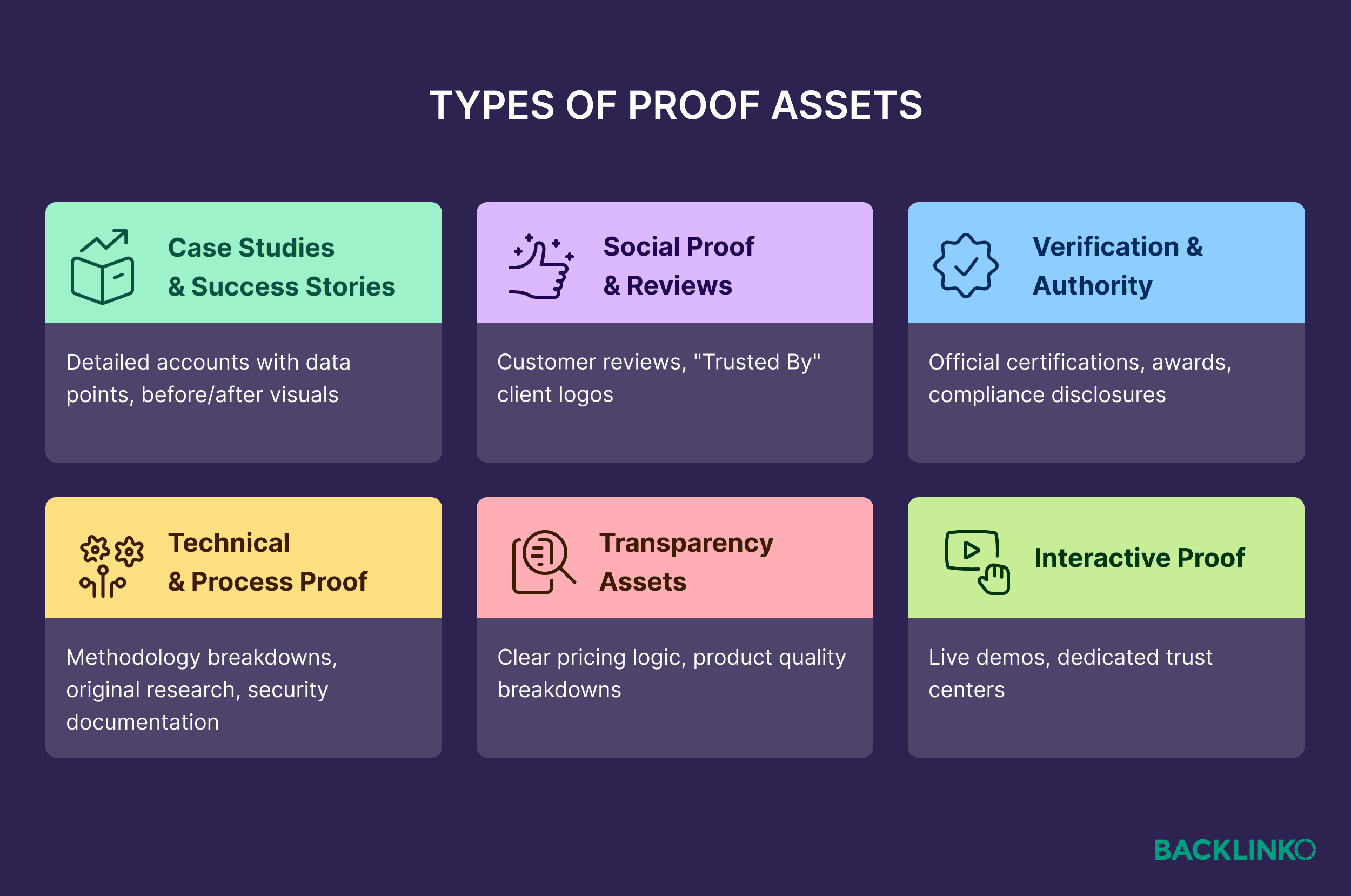
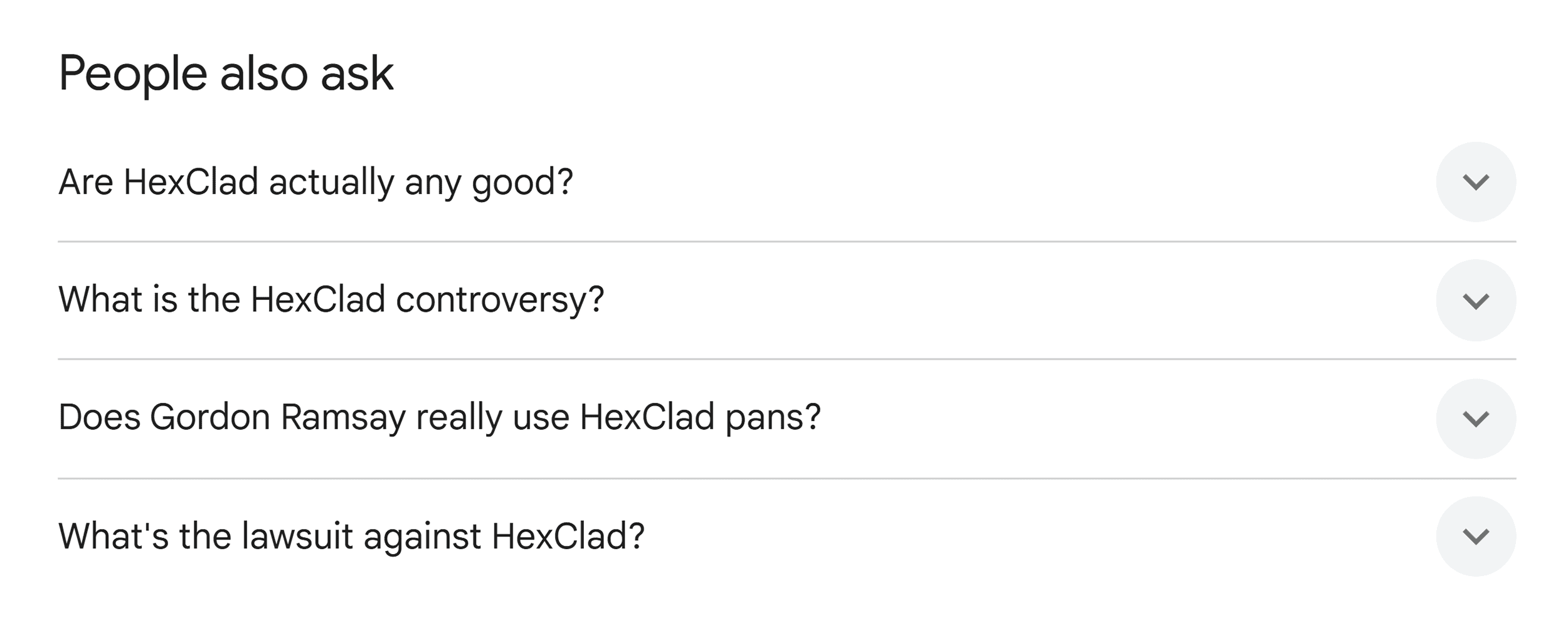
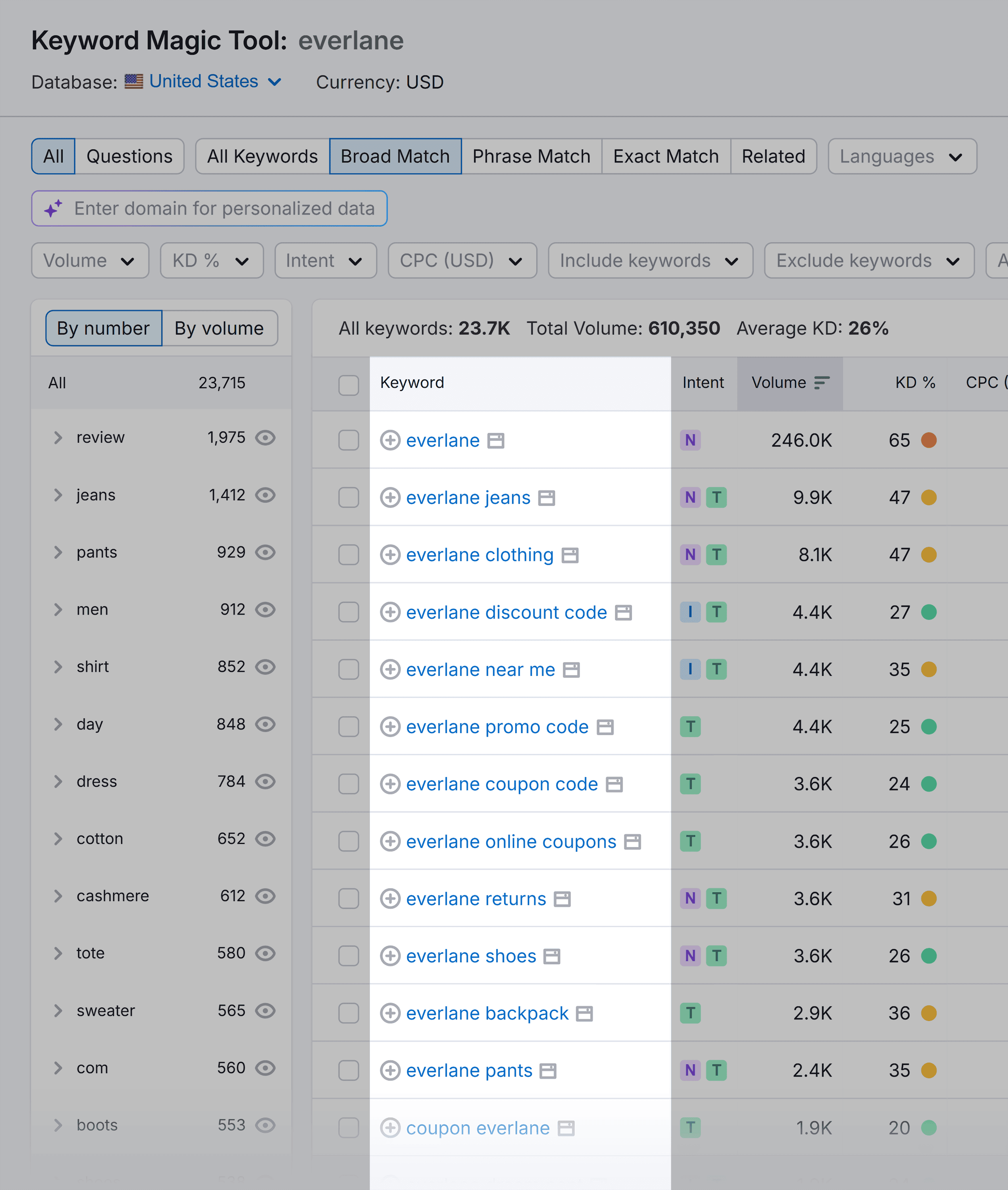
Alongside technical optimization, businesses must publish and actively surface definitive "proof assets." These evidence-backed resources—ranging from verifiable case studies and quantifiable uptime data to transparent return policies and product quality metrics—directly influence how consumers and AI algorithms judge institutional credibility. Analyzing search engine "People Also Ask" queries and leveraging comprehensive SEO platforms like Semrush allows marketing professionals to identify recurring consumer objections and address them proactively through authoritative content.
The Rise of Video, Short-Form Content, and Zero-Click Ecosystems
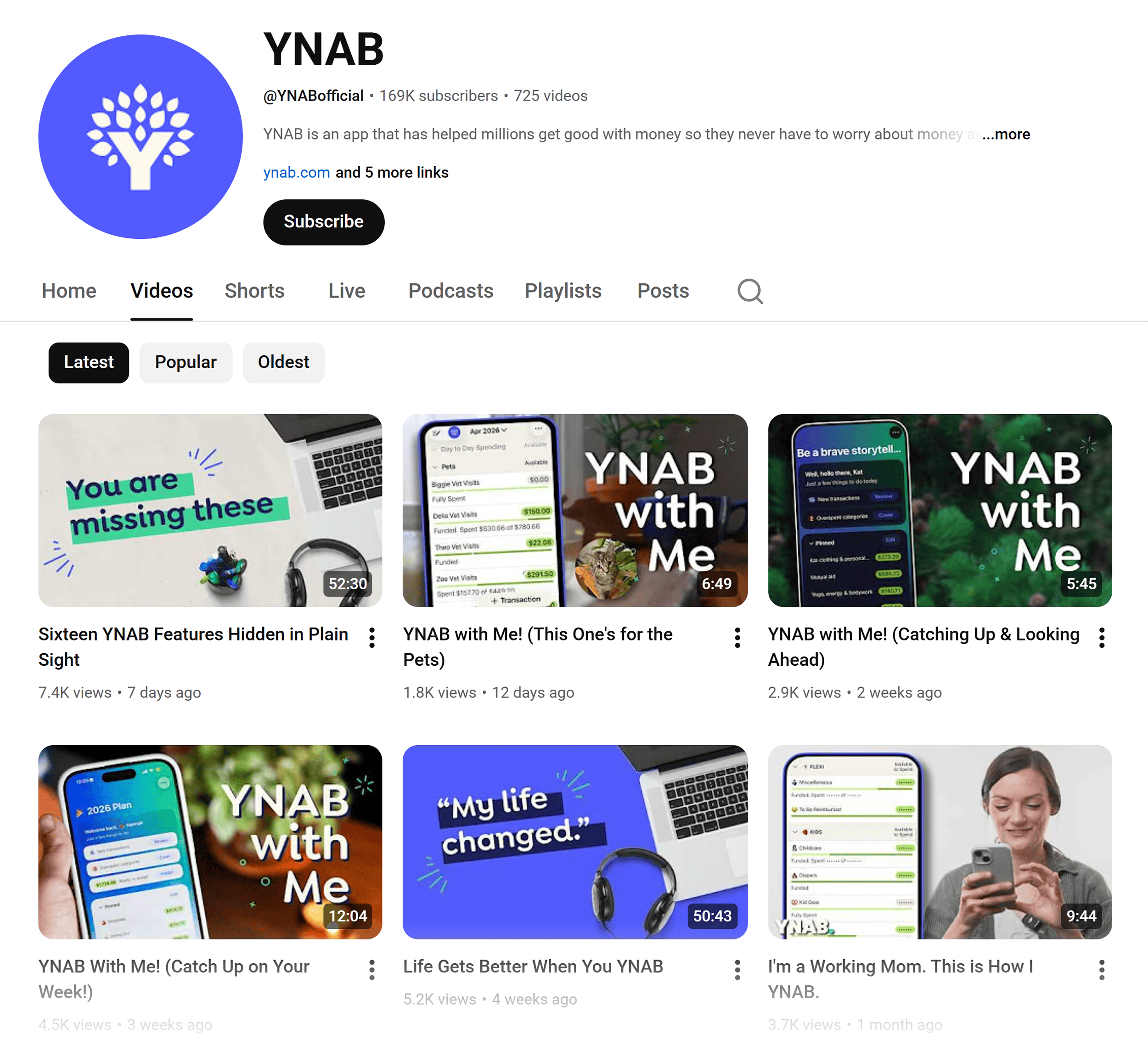
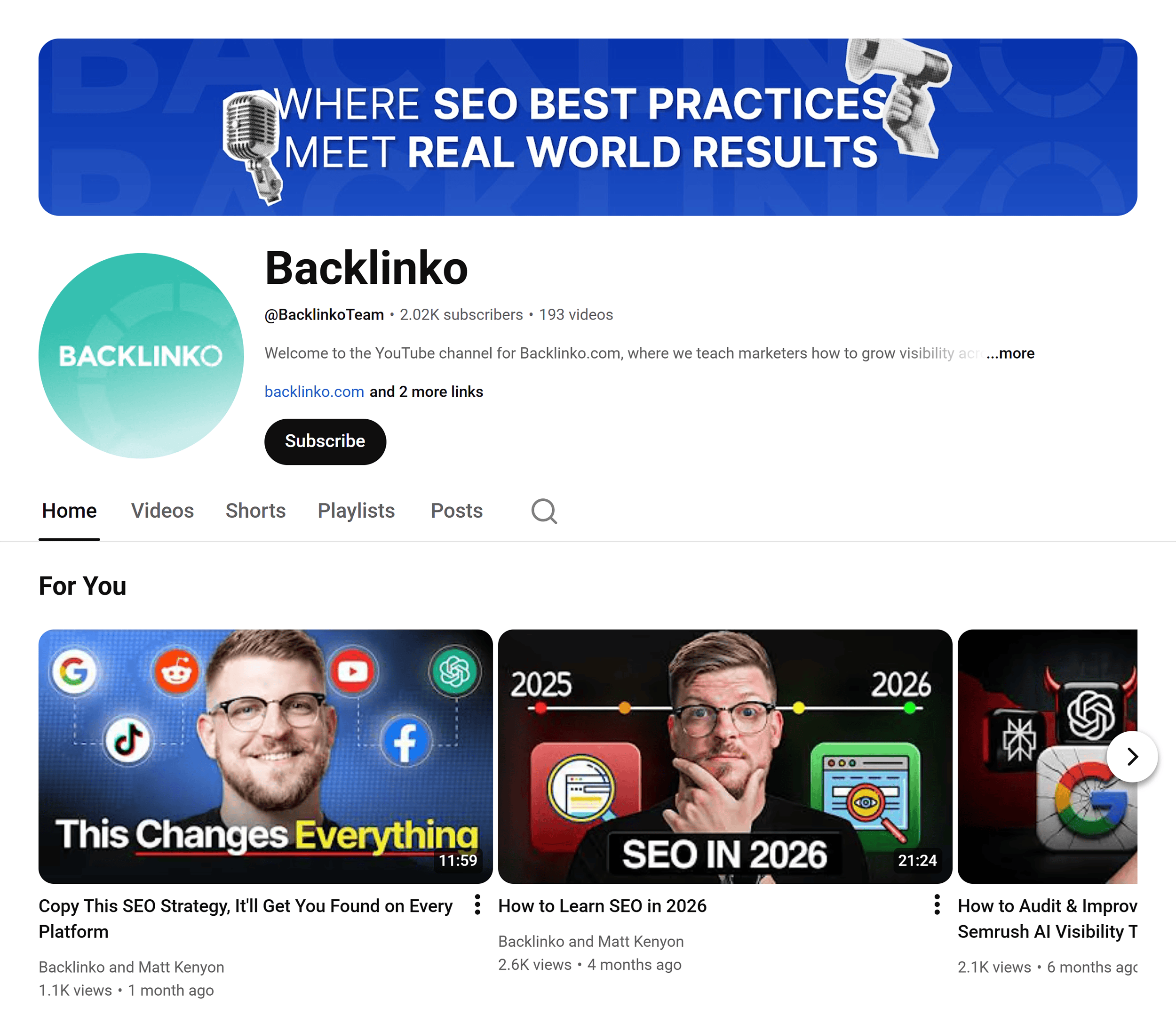
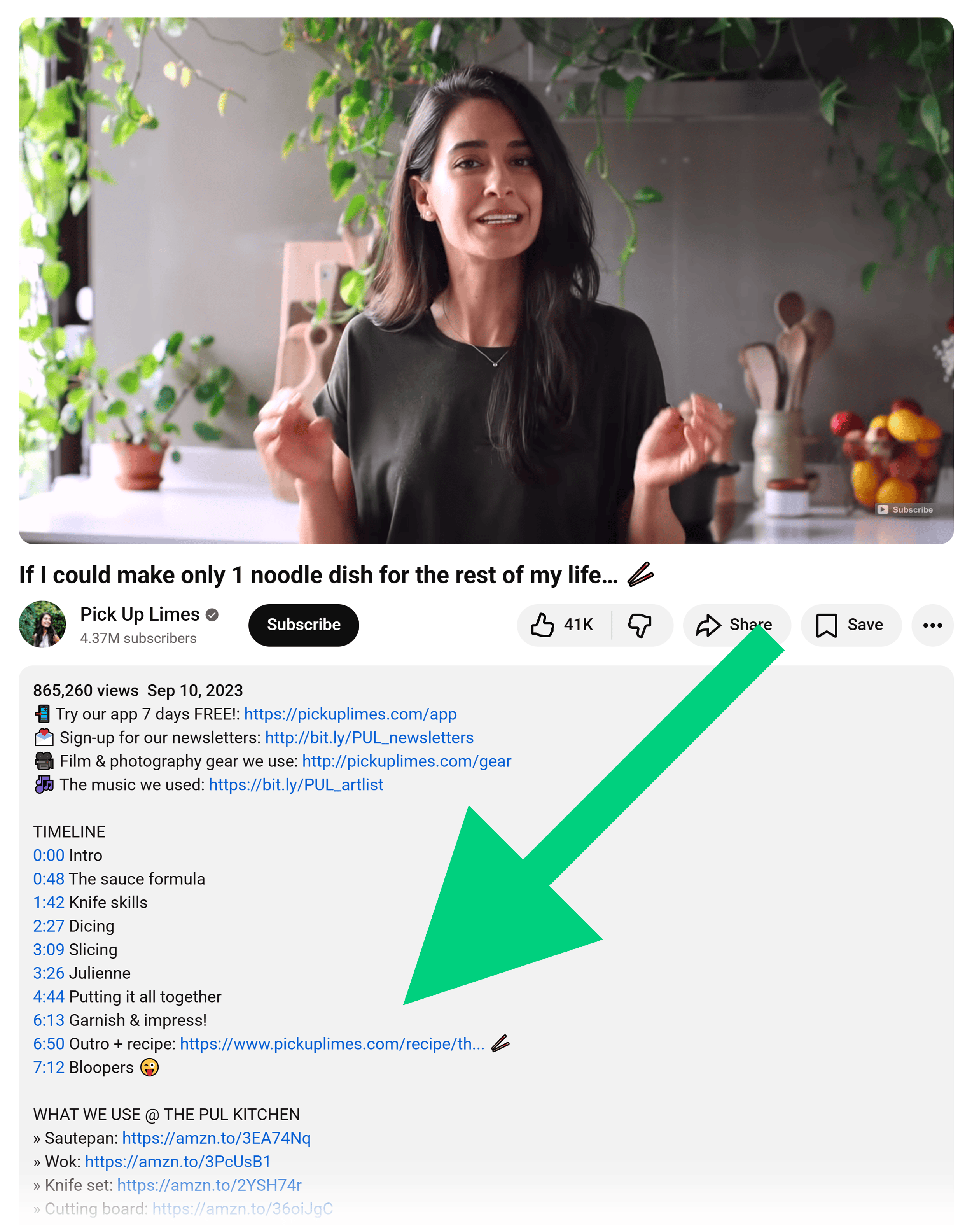
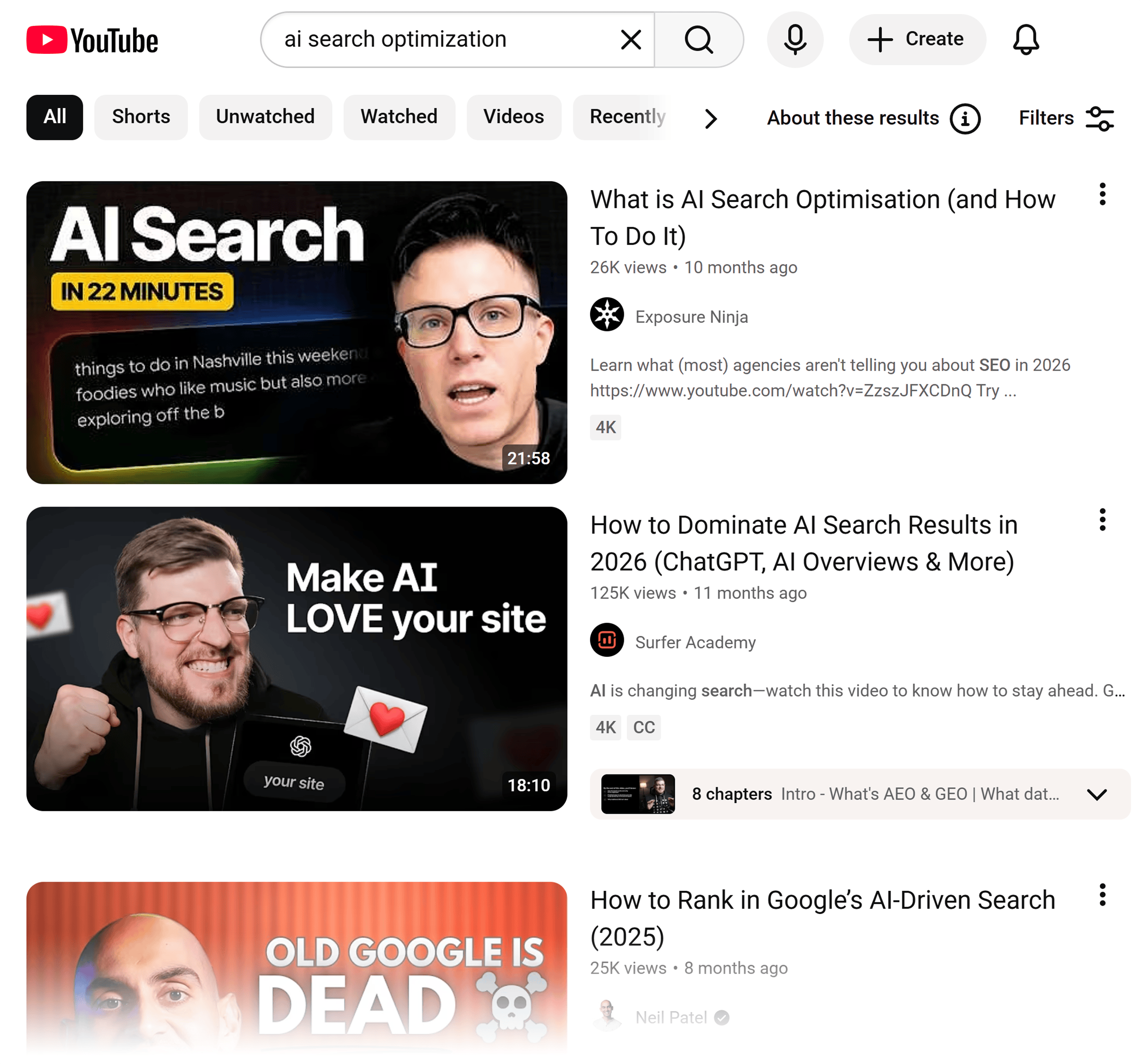
As digital landscapes become increasingly automated, establishing human connections has emerged as a primary driver of consumer trust. Video marketing plays a critical role in bridging the gap between cold digital interactions and familiar brand relationships. Long-form video platforms, webinars, and educational deep dives allow organizations to demonstrate profound industry expertise while effectively addressing pre-purchase evaluation criteria.
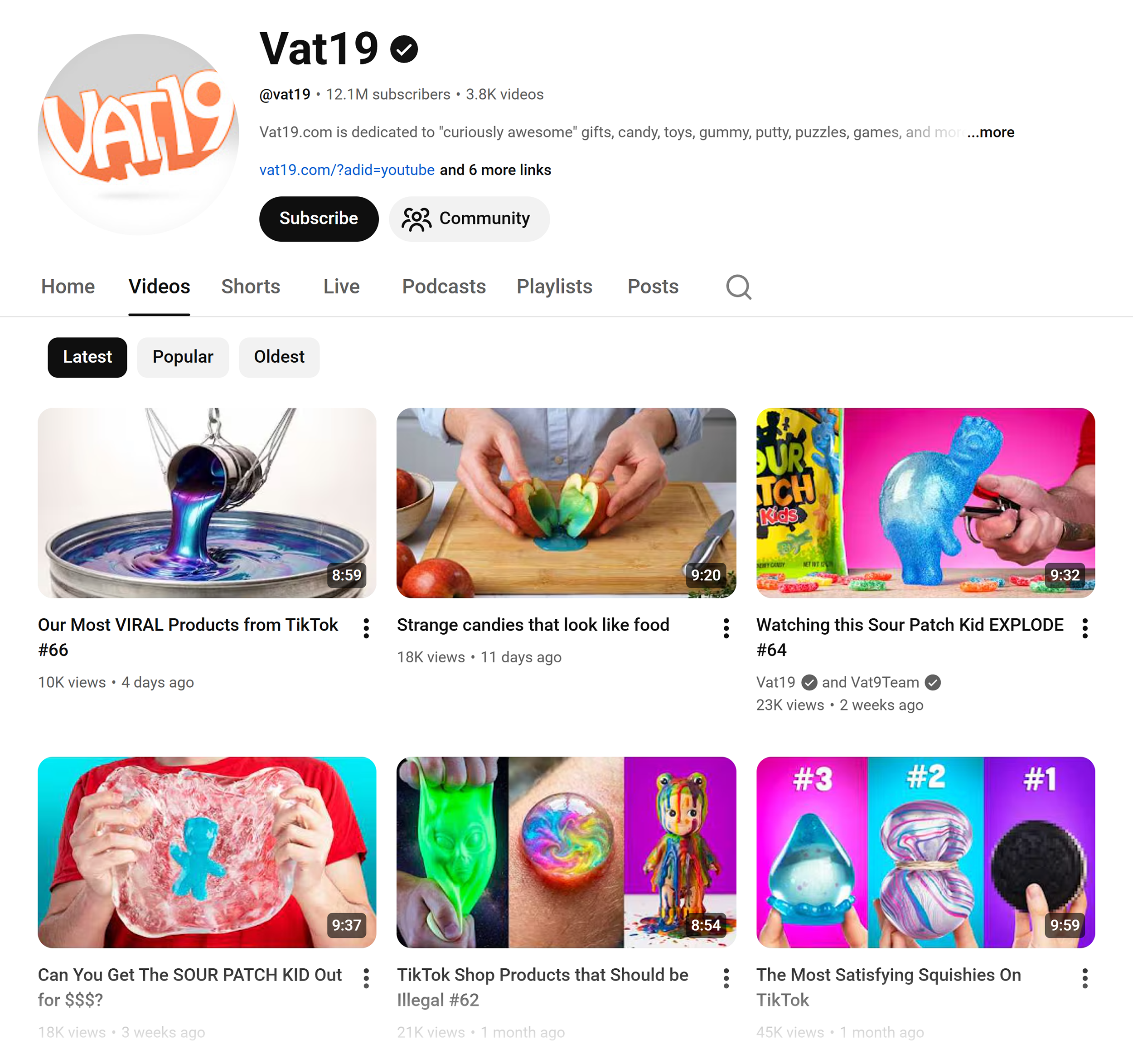
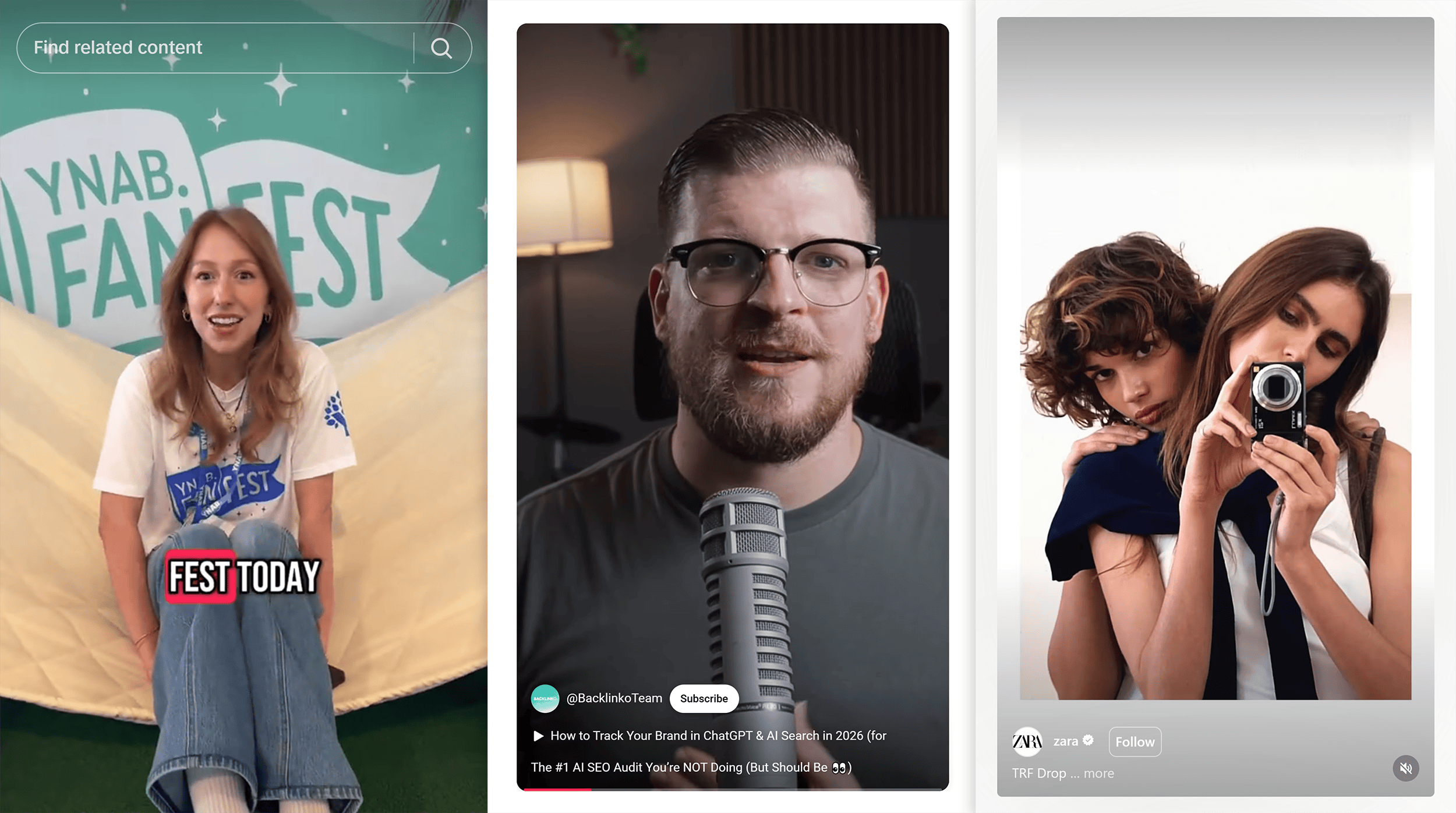
Simultaneously, short-form video formats across TikTok, Instagram Reels, and YouTube Shorts provide continuous brand reinforcement through repetition. By addressing genuine customer questions gathered from sales calls, support tickets, and recurring market objections, brands can produce highly targeted video content that meets buyers at their exact point of need.
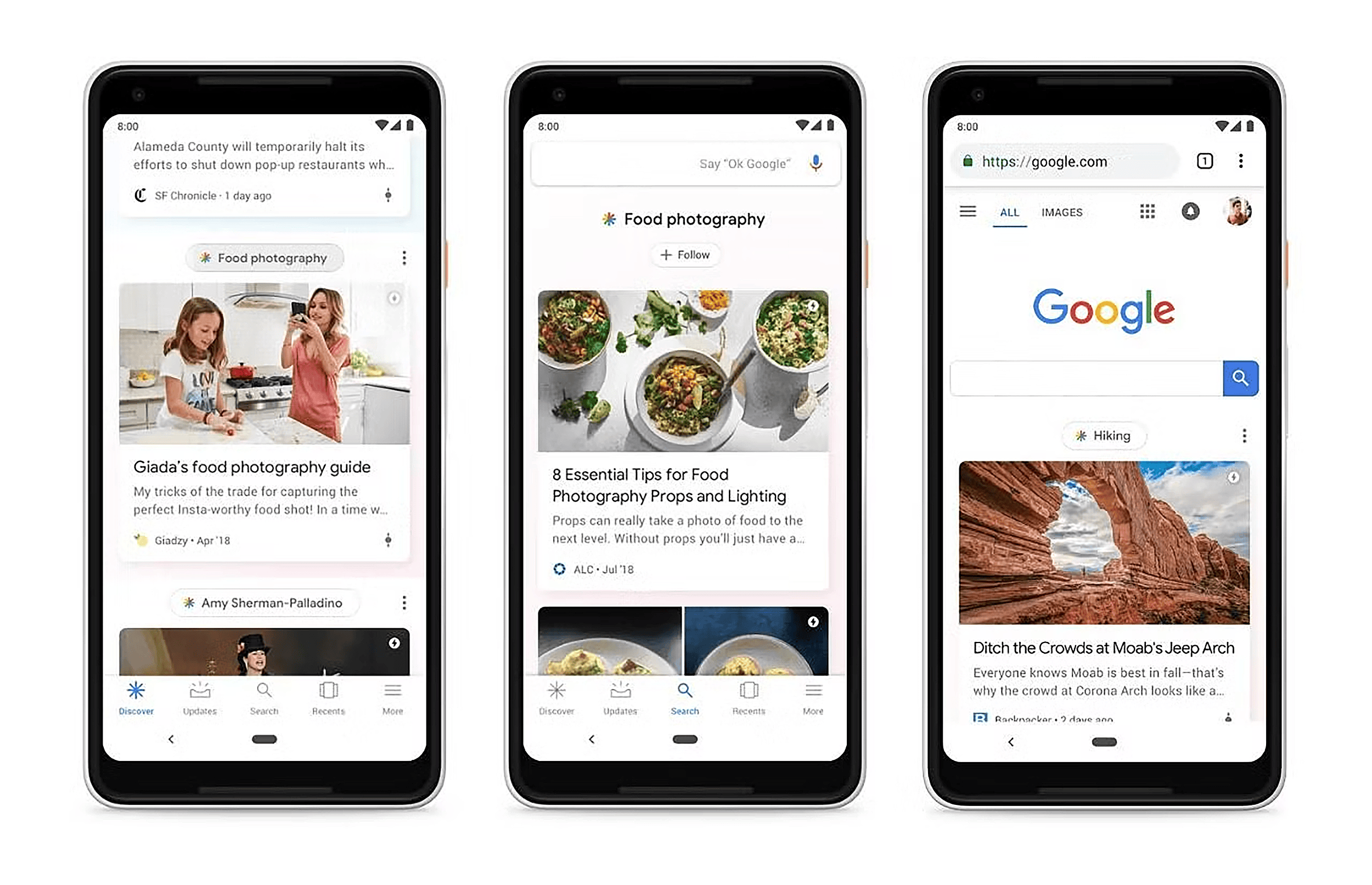
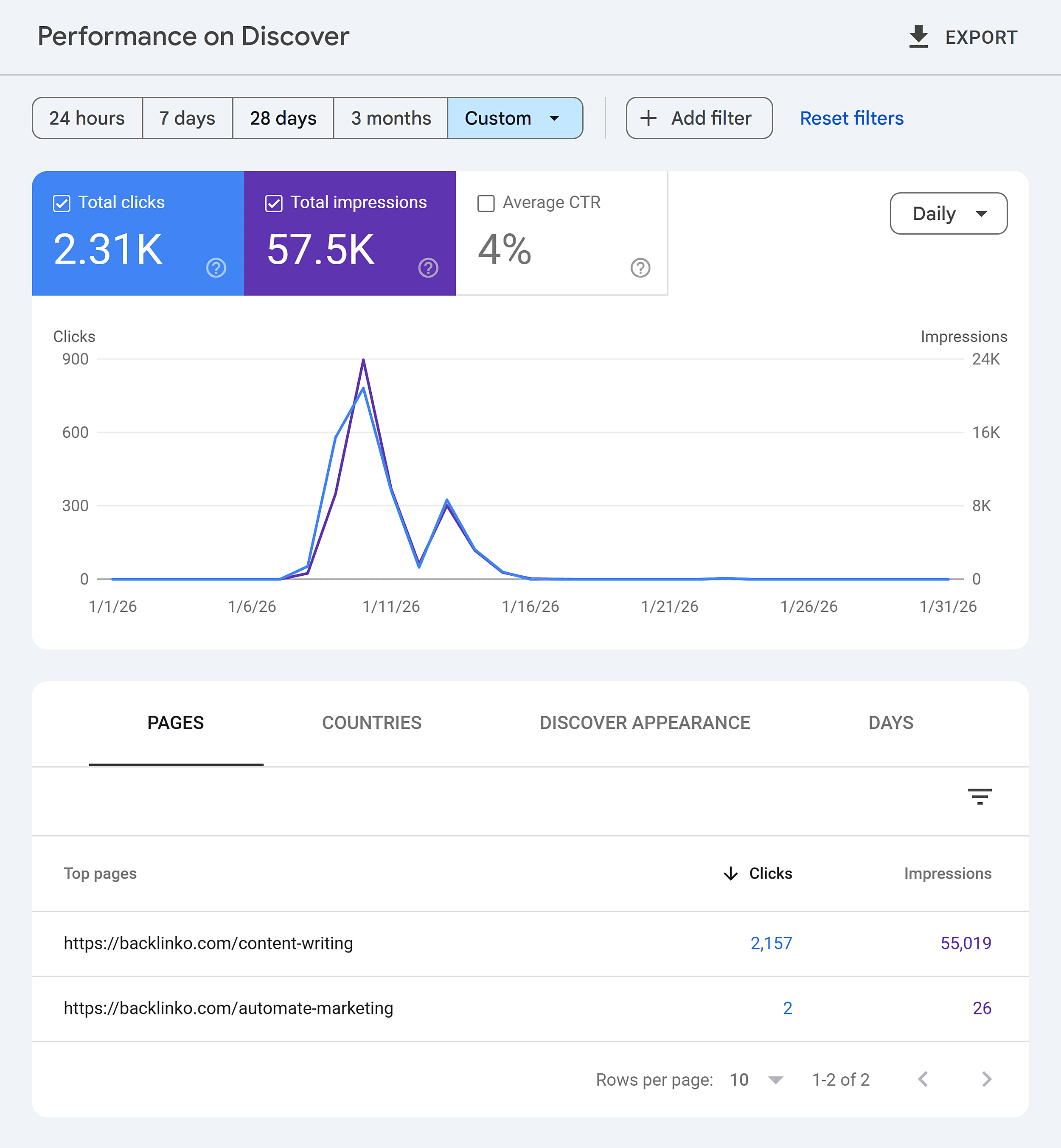
Concurrently, digital marketers must account for the rapid expansion of personalized content feeds like Google Discover. Capable of driving substantial, immediate traffic spikes, Google Discover curates content based on user browsing behavior and demonstrated interests. Securing placement within this environment requires an editorial focus on timeliness, clear industry stakes, and compelling packaging. Headlines that convey genuine tension, paired with high-resolution featured images and mobile-optimized formatting, allow brands to capture attention in fast-moving, multi-topic feeds.
Adapting to Zero-Click Realities Through Advanced Conversion Rate Optimization
The proliferation of zero-click search results—where users obtain direct answers from search engine features or AI summaries without navigating to a source website—places unprecedented pressure on conversion rate optimization (CRO). Because arriving visitors are already pre-educated and further along in the buying cycle, digital marketers must prioritize maximizing revenue per visitor.
Auditing web properties to reduce friction (such as slow page load speeds or confusing navigation) and alleviate anxiety (such as unclear pricing or a lack of trust signals) is essential. For high-stakes industries like financial services and enterprise software, integrating visible security certifications, compliance documentation, and transparent guarantees directly addresses buyer skepticism.
Furthermore, extending the website experience through post-visit behavioral targeting via email helps maintain engagement while intent remains warm. Triggering automated follow-up messages based on specific user actions—such as visiting a pricing page or completing a transaction—leverages psychological principles like reciprocity, encouraging hesitant prospects to return and finalize their purchasing decisions.
Third-Party Visibility, Thought Leadership, and Intentional Repurposing
Ultimately, modern website marketing requires a holistic view of the digital ecosystem. Because the foundation of consumer trust is frequently built on third-party platforms such as specialized niche subreddits, Discord servers, and professional forums, brands must participate actively as helpful contributors rather than aggressive promoters. Observing community dynamics, understanding unwritten cultural norms, and providing genuine, expert assistance allows business leaders to cultivate authentic credibility.
To manage the complexities of omnichannel marketing efficiently, organizations are increasingly turning to strategic content repurposing. Rather than generating high volumes of unstructured material, modern marketing teams identify proven, high-performing ideas validated by audience engagement on platforms like X or LinkedIn. These core insights are then systematically expanded into comprehensive blog articles, detailed newsletters, and long-form video assets, utilizing advanced AI tools to streamline execution without sacrificing editorial authenticity.
By aligning website architecture, off-site visibility, human-led thought leadership, and data-driven conversion strategies, businesses can successfully navigate the complexities of website marketing and achieve sustainable digital growth.