From Concept to National Retailer: How Scoops Scaled to $400,000 in Monthly Sales in Just Five Months


The consumer packaged goods (CPG) landscape is notoriously unforgiving, particularly for early-stage food and beverage startups attempting to secure shelf space in national retail giants. Yet, plant-based peanut butter protein powder brand Scoops has defied the traditional trajectory, scaling from a conceptual product into a commercial success generating $400,000 in monthly revenue in a remarkably brief timeframe. Founded by CPG operations veteran Liz Lane, the brand leveraged strategic supply chain partnerships, rapid-fire fundraising, and an innovative product formulation to capture the attention of retail behemoth Target before the product even formally existed.
The Journey from Operations Specialist to Founder
Before launching Scoops, Liz Lane spent more than twelve years navigating the fast-paced ecosystem of food and beverage startups. Specializing in supply chain management and business operations, Lane established a reputation for stepping into early-stage ventures to build their foundational infrastructure. Her career includes serving as the first United States operations hire for Huel during its formative growth phase when the team was still primarily based in the United Kingdom.
Most recently, Lane served in-house at Magic Spoon, joining the high-growth cereal brand as one of its earliest employees. Managing all operational facets, she played a critical role in scaling the business from a nascent startup into a dominant market leader. Following her tenure at Magic Spoon, Lane transitioned to operational consulting, guiding multiple emerging brands through their initial scaling and market entry phases.
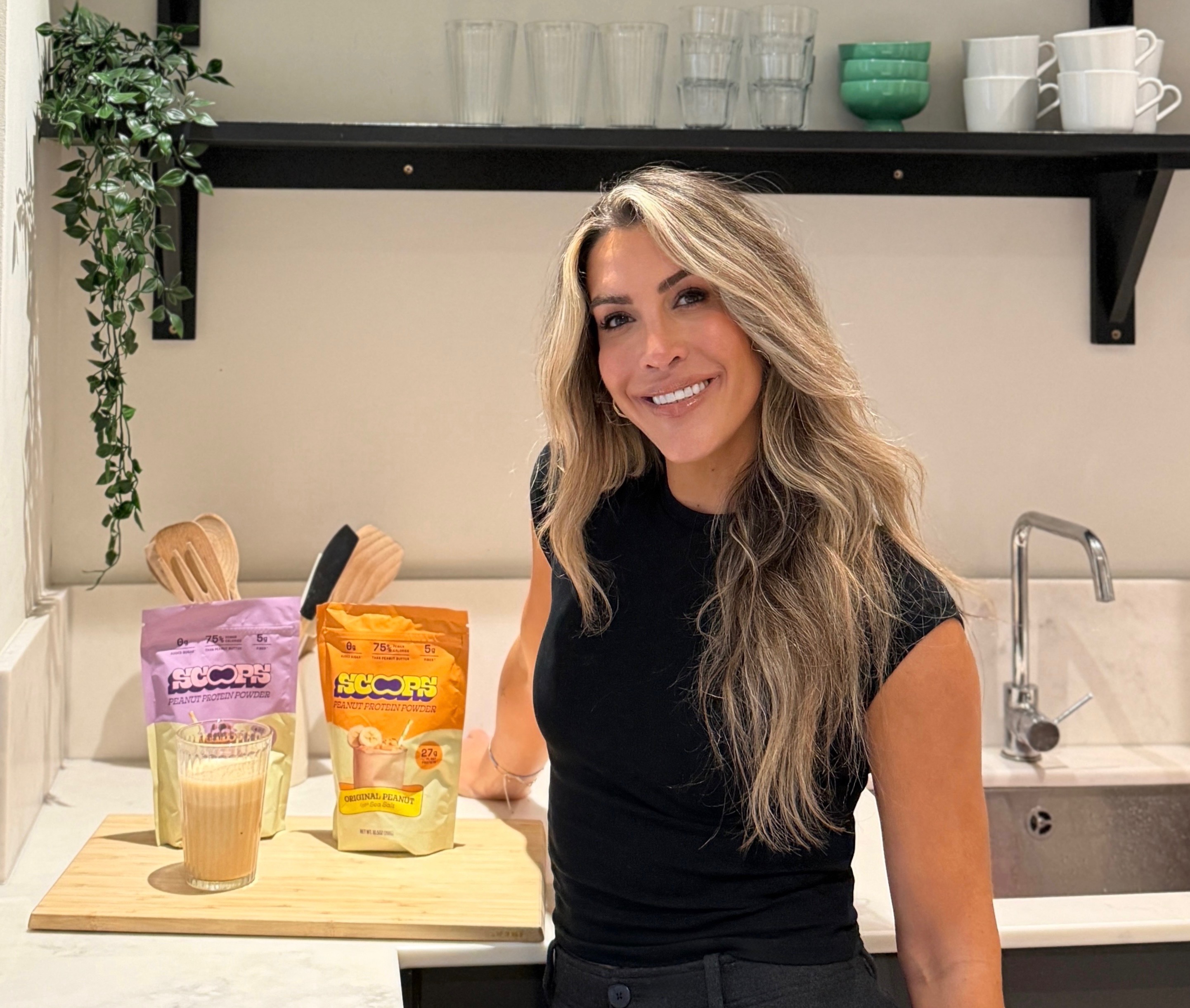
Despite her extensive background in supporting other entrepreneurs, Lane harbored a long-term ambition to establish her own enterprise. However, she was determined to wait for the right concept—one that aligned with her personal lifestyle and eating habits. Recognizing the massive and sustained consumer demand for protein-enriched products, Lane sought a formulation that would fit seamlessly into her routine without requiring drastic dietary overhauls. The breakthrough arrived when a vegan friend suggested exploring peanut butter, noting its naturally high protein content and universal culinary appeal.
Innovating the Peanut: The Genesis of Scoops
The core challenge of traditional peanut butter lies in its macronutrient profile: while rich in protein, it is exceptionally high in calories and fat, making portion control difficult for many consumers. Lane recognized an opportunity to optimize the ingredient for health-conscious consumers without altering how they consumed it.
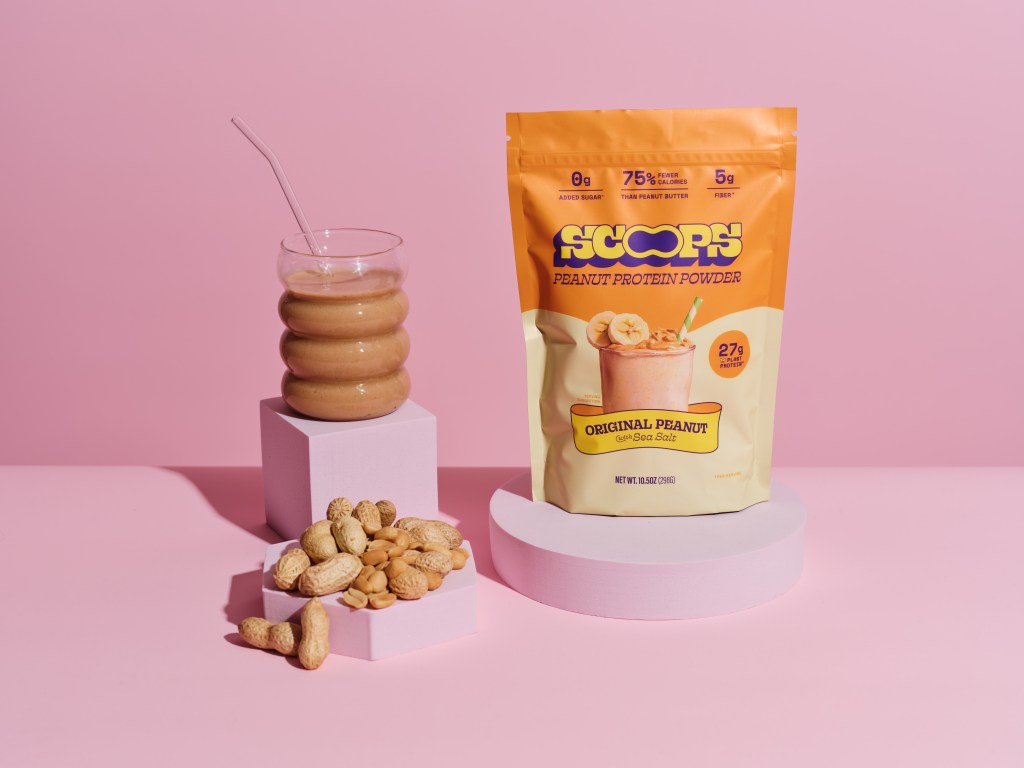
During her market research, Lane connected with an industry supplier preparing to introduce a novel peanut isolate to the commercial market. This advanced ingredient promised to dramatically improve the macronutrient profile of peanut butter derivatives by boosting protein density while significantly reducing unwanted fats and calories. By processing the peanut isolate into a versatile powder format, Lane realized she could eliminate the primary drawbacks of traditional peanut butter—namely, the temptation to consume an entire jar in a single sitting—while maximizing utility.
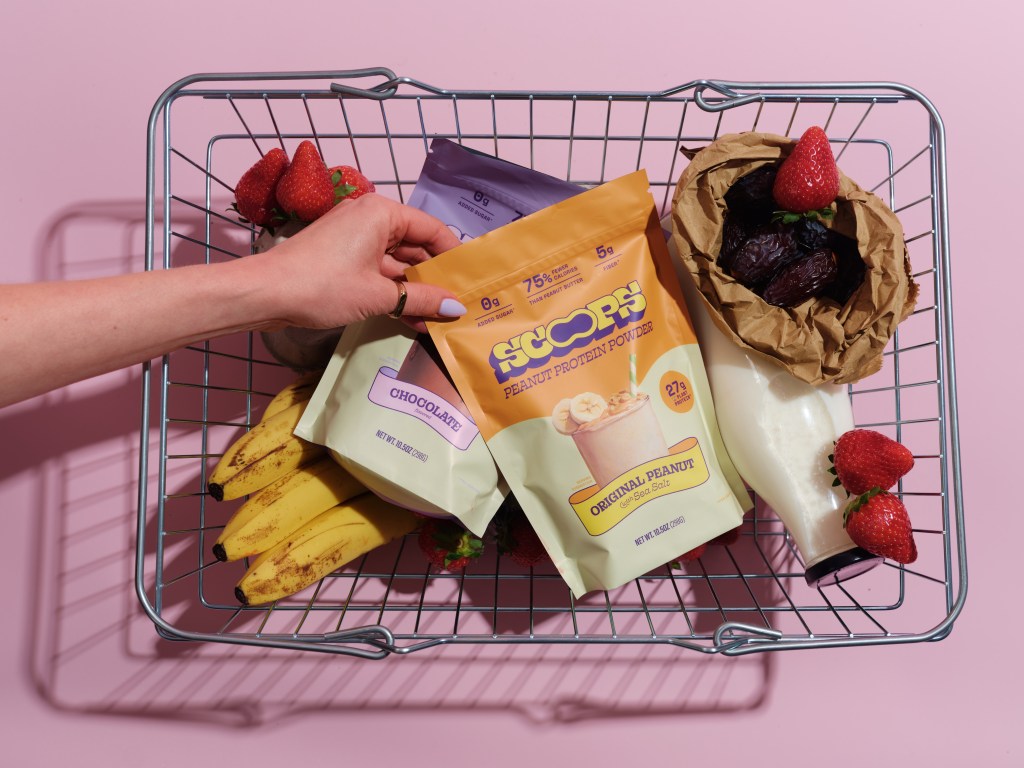
The resulting product offered a functional solution: a powder easily integrated into smoothies, oatmeal, baked goods, and other recipes, boasting 75 percent fewer calories and 95 percent less fat than conventional peanut butter. This formulation provided consumers with a high-protein alternative that retained the familiar, comforting taste of peanuts without the caloric burden.
Pitching a Concept to Target
With the formulation and branding conceptualized, Lane took a calculated risk that would permanently define the trajectory of Scoops. Armed with little more than brand identity decks and a single prototype sample, she secured a pitch meeting with retail giant Target in the late summer of 2025.
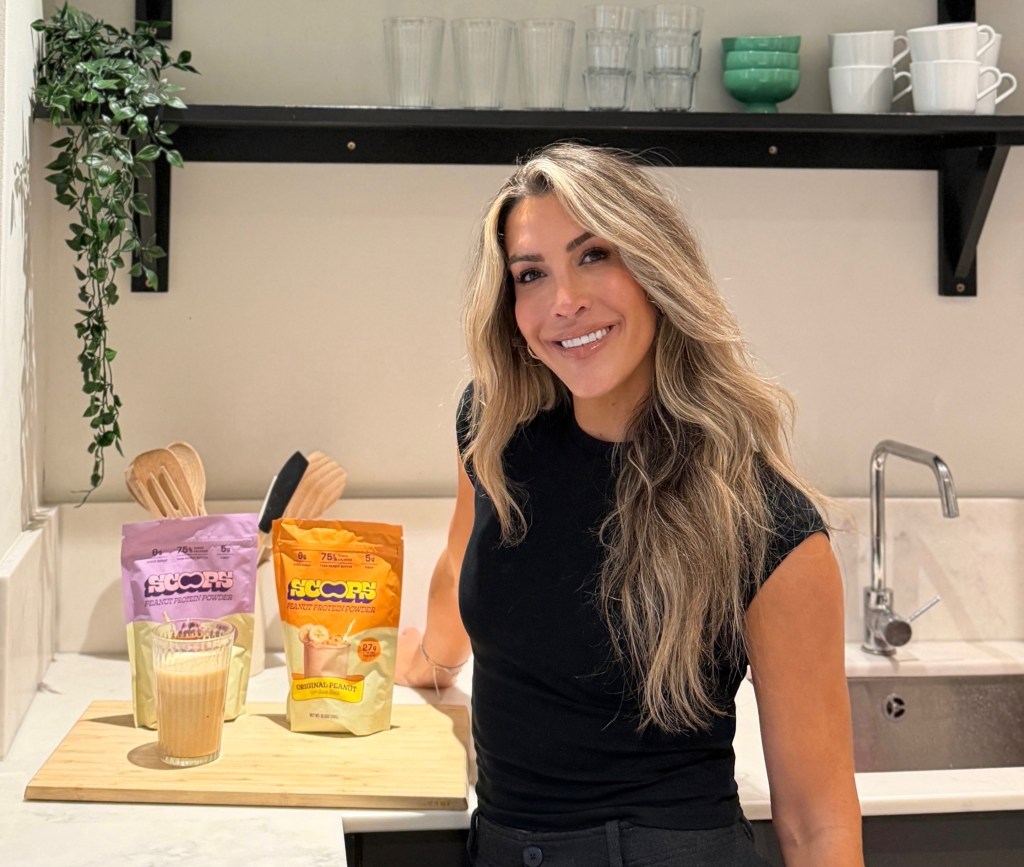
Initially, Lane anticipated a modest regional rollout, targeting between 250 and 500 retail locations to test consumer reception and refine supply chain logistics. However, retail buyers at Target recognized a distinct opportunity within the functional food category and expressed enthusiasm for introducing novel products to their health-conscious demographic. In December 2025, Target officially awarded Scoops distribution across more than 1,100 retail doors nationwide.
The achievement presented an immense operational hurdle: Scoops was still merely a concept on paper, and the nationwide launch date was locked in for May 2026. Lane was left with a demanding three-month window to secure capital, finalize manufacturing, and produce enough inventory to stock over a thousand retail shelves.
Securing Capital Through Strategic Supply Chain Partnerships
Traditional venture capital fundraising often requires extensive revenue history, robust user metrics, and prolonged negotiation cycles—none of which an pre-revenue startup possessed. Recognizing the constraints of traditional funding routes, Lane adopted an unconventional approach to securing capital, turning directly to her professional network within the supply chain.
Lane successfully raised approximately $500,000, primarily from industry insiders, ingredient suppliers, and manufacturing partners. The brand’s primary manufacturer and key ingredient suppliers emerged as major financial stakeholders in Scoops. This nontraditional funding strategy succeeded largely due to professional trust; having collaborated with these partners across various previous startup ventures, the suppliers were confident in Lane’s operational expertise and execution capabilities.
This capital injection was deployed almost entirely toward manufacturing the initial inventory required to fulfill Target’s extensive distribution footprint, leaving the company with a lean budget for traditional marketing and advertising initiatives.
The Launch Phase and Grassroots Marketing Strategy
When Scoops officially debuted on Target shelves in May 2026, the brand effectively came into existence on the exact same day. Lane and her lean team faced the dual challenge of simultaneously introducing an entirely new brand to the American consumer base while driving immediate sales velocity to satisfy retail performance metrics.
With limited capital remaining after inventory acquisition, the company relied heavily on grassroots digital marketing. Lane partnered with social media influencers who specialized in highlighting unique retail finds, alongside a targeted public relations gifting campaign. These initiatives were designed to bypass expensive advertising channels and place the product directly into the hands of micro-influencers and consumers capable of driving organic social proof.
The retail partnership also provided vital physical visibility. Scoops secured a prominent 11-week end-cap placement within Target stores, a high-traffic merchandising strategy that significantly enhanced brand awareness among shoppers browsing the health and wellness aisles.
The financial results of these synchronized efforts exceeded expectations. During its first month on the market in May 2026, Scoops recorded $25,000 in gross sales. Driven by steady repeat purchases, expanding consumer awareness, and optimized retail placement, monthly revenue escalated rapidly, culminating in $400,000 in sales.
Broader Industry Implications and the Case for Slow Growth
The rapid ascent of Scoops offers valuable insights into the contemporary Consumer Packaged Goods (CPG) marketplace. In an era dominated by hyper-growth narratives, venture-backed tech-style scaling, and rapid nationwide expansions, Lane advocates for a more measured, sustainable approach to entrepreneurship.
Drawing from her operational experience at high-growth entities like Magic Spoon and Huel, Lane emphasizes the importance of balancing aggressive market capture with rigorous cash flow management. Over-expansion without adequate capital reserves remains a primary pitfall for emerging food and beverage startups. By securing exclusivity agreements for her supplier’s novel peanut isolate within the United States market for a defined period, Lane established a defensible moat against early competitors while maintaining sustainable operational pacing.
Furthermore, Lane challenges the modern obsession with constant disruption, noting that successful startups do not always require a completely unprecedented foundational idea. While Scoops leveraged a novel ingredient, Lane argues that many enduring brands achieve success simply through superior product positioning, exceptional operational execution, and a clear understanding of consumer behavior.
Looking toward the future, Lane plans to expand the Scoops product portfolio beyond its initial offering, focusing on continuous product innovation designed to outlast short-lived diet fads. Despite managing the enterprise alongside a remarkably small core team—including Chief Marketing Officer Lauren Browning—the brand’s trajectory signals a permanent shift in how functional protein products are conceptualized, funded, and scaled within mainstream retail environments.