The commercial landscape of late November brings one of the most economically significant promotional cycles for the digital infrastructure sector, specifically targeting the global WordPress ecosystem. As enterprises, independent developers, and content creators prepare for the holiday period, major software vendors, hosting providers, and digital marketplaces have initiated extensive discounting campaigns spanning Black Friday, Cyber Monday, and extended Cyber Week intervals. These promotional windows represent a critical procurement period for website administrators seeking to optimize overhead costs through annual software and infrastructure renewals.
Background context indicates that the tradition of software discounting during the post-Thanksgiving retail period has evolved significantly over the past decade. What began primarily as a retail phenomenon for physical goods has translated into a vital fiscal milestone for Software-as-a-Service (SaaS) providers and digital asset marketplaces. Industry analysts note that open-source content management systems like WordPress, which currently power over forty percent of all websites on the internet, experience a surge in infrastructure upgrades and plugin acquisitions during Q4. Companies leverage this period to capture market share, drive annual recurring revenue (ARR), and clear acquisition funnels for the upcoming fiscal year.
The timeline for these promotions varies across providers, though standard industry practices dictate that deals formally commence during the week of Thanksgiving and extend through early to mid-December. Vendors often structure their campaigns with varying tier limits, encouraging early adoption through limited-time Cyber Week specials. Procurement specialists advise monitoring individual software terms carefully, as promotional pricing structures frequently require specific coupon application or depend on the selection of multi-year billing cycles to secure maximum percentage reductions.

Infrastructure and hosting services form the foundational layer of any WordPress deployment, and the current promotional cycle features substantial price adjustments among enterprise-grade and managed hosting providers. Managed WordPress hosting platforms such as Kinsta and Cloudways have announced promotional reductions of up to 50 percent on select tiers. Meanwhile, high-volume providers including InMotion Hosting and Bluehost report aggressive discounting metrics reaching up to 70 percent and 75 percent respectively. Enterprise infrastructure providers like WPMUDEV have introduced value-added incentives, including up to 11 months of complimentary service with qualifying annual commitments, reflecting a strategic shift toward long-term customer retention models in the hosting sector.
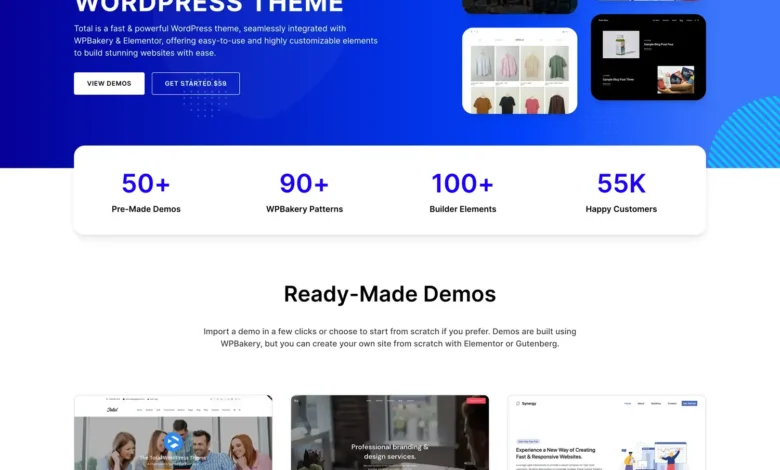
In the design and architecture sector, theme developers and framework creators are deploying steep price reductions to capture market share amidst shifting preferences toward lightweight block editors and hybrid page-builder ecosystems. The Total WordPress theme, a prominent WPBakery- and Elementor-compatible framework, has instituted a 50-percent reduction for the duration of the holiday window. Broader marketplace platforms and framework ecosystems, including Elegant Themes, Envato, Astra, and Kadence, report promotional markdowns ranging from 30 percent to 80 percent. This competitive pricing environment underscores the ongoing transition within the WordPress community toward modular, performance-optimized design tools that comply with modern core web vitals standards.
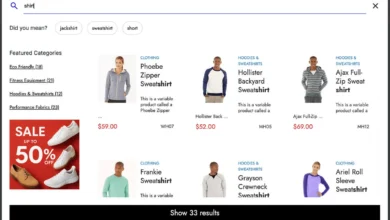
Functional expansion through plugins represents the largest segment of the WordPress commercial marketplace, with targeted discounts available across multiple operational categories. Search Engine Optimization (SEO) and analytical toolsets—including industry mainstays like MonsterInsights, All In One SEO, and PrettyLinks—have introduced price cuts between 35 percent and 70 percent. These reductions allow digital marketing agencies and small-to-medium enterprises (SMEs) to acquire advanced conversion tracking and traffic optimization tools at significantly reduced overhead.
E-commerce operations utilizing the WooCommerce framework are experiencing similar fiscal relief. Specialized inventory management modules, checkout optimization plugins such as CartFlows, and shipping calculators from providers like PluginHive and Octolize are discounting services by 15 percent to 50 percent. Furthermore, enterprise-grade form builders and lead generation assets, including Gravity Forms, WPForms, and OptinMonster, have implemented promotional pricing models featuring up to 70 percent direct discounts or extended service terms of up to seven months free. These adjustments facilitate lower barriers to entry for merchants scaling digital storefronts ahead of the peak consumer shopping season.

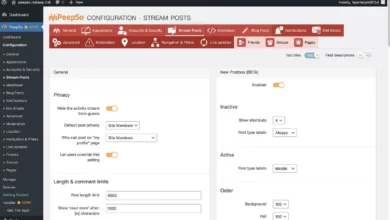
Specialized utility plugins managing events, user memberships, and complex scheduling have also integrated into the broader discounting matrix. Solutions such as The Events Calendar, WPAmelia, and FluentBooking feature price reductions between 30 percent and 70 percent. Performance optimization tools—critical for maintaining site speed and security—are well-represented, with WP Rocket, Code Snippets Pro, and backup solutions like Duplicator offering rate reductions from 40 percent to 60 percent. Digital asset distributors and creative resource networks, including AppSumo, Creative Market, and CodeCanyon, complement these offerings with marketplace-wide discounts averaging 50 percent.
From an analytical perspective, the concentration of software discounting within a compressed three-week window carries distinct market implications for the digital economy. For independent developers and small agencies, these promotional cycles offer an opportunity to consolidate software stacks, reduce operational expenditure, and secure enterprise-level tools that might otherwise exceed budgetary constraints. Conversely, for software vendors, the influx of capital generated through discounted annual subscriptions secures predictable cash flow and expands user bases, facilitating continued research and development within the open-source community. Industry observers note that while these promotions drive high-volume acquisition, the long-term sustainability of participating vendors relies heavily on post-promotional retention strategies and continuous product innovation.