Anne Hathaway Dakota Johnson and Josh Hartnett Star in the Intense First Trailer for Colleen Hoover Adaptation Verity

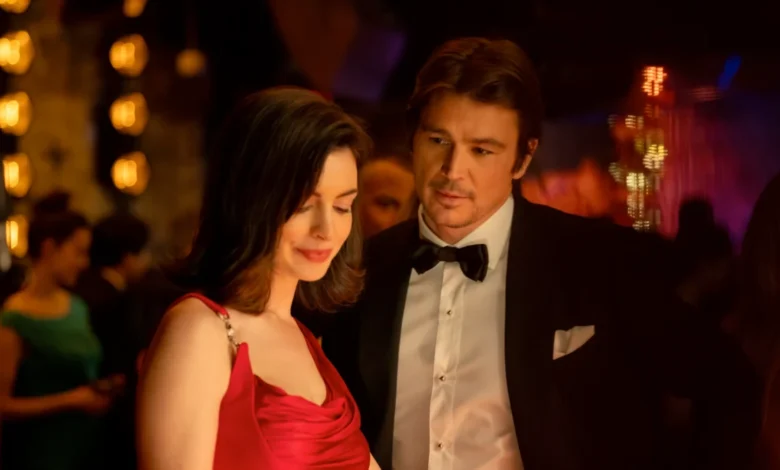
The highly anticipated cinematic adaptation of Colleen Hoover’s 2018 psychological thriller Verity has officially moved into the spotlight with the release of its first teaser trailer, signaling a significant moment for both the literary and film industries. Starring Academy Award winner Anne Hathaway, Dakota Johnson, and Josh Hartnett, the film aims to translate the claustrophobic and morally ambiguous atmosphere of Hoover’s best-selling novel into a high-stakes visual experience. The teaser, which debuted to immediate social media fervor, offers a glimpse into the dark, secret-laden world of the Crawford estate, where the boundaries between fiction and reality are intentionally blurred.
Directed by a team focused on capturing the "domestic noir" aesthetic, the film is scheduled for a wide theatrical release on October 2. The arrival of the trailer marks the culmination of months of speculation regarding how the production would handle the novel’s more controversial and disturbing elements. With a cast of established A-list talent, the project is positioned as a major contender for the autumn box office, capitalizing on the immense global following of its source material and the current resurgence of the psychological thriller genre.
Narrative Foundations and Plot Dynamics
The story centers on Lowen Ashleigh, portrayed by Dakota Johnson, a struggling writer who is teetering on the edge of financial ruin. Her fortunes appear to change when she receives a life-altering job offer: Jeremy Crawford (Josh Hartnett), the husband of world-renowned author Verity Crawford (Anne Hathaway), hires Lowen to complete the remaining books in a successful series that his wife is unable to finish. Verity, once a titan of the publishing world, has been left incapacitated following a catastrophic car accident, leaving her husband and their estate in a state of suspended animation.
Upon her arrival at the sprawling, isolated Crawford residence, Lowen’s task is to sift through Verity’s chaotic office to find enough notes and outlines to maintain the author’s voice. However, the trailer highlights the moment Lowen’s professional assignment takes a sinister turn. Hidden among the professional files, she discovers an unfinished autobiography—a manuscript that Verity seemingly never intended for anyone to read. This document contains chilling, page-after-page admissions regarding the family’s history, including the deaths of the couple’s daughters and Verity’s true feelings toward her husband and children.
As Lowen reads deeper into the manuscript, the film explores her growing obsession with the woman she is replacing. The trailer emphasizes the psychological toll this discovery takes on Lowen, who finds herself caught between her burgeoning romantic feelings for the grieving Jeremy and the horrifying "truths" she uncovers in Verity’s own words. The tension is heightened by the presence of the silent, watchful Verity herself, whose physical stillness in the house creates a constant sense of surveillance and dread.
The Literary Context and the Colleen Hoover Phenomenon
To understand the weight of this film adaptation, one must look at the unprecedented trajectory of the source material. Originally self-published by Colleen Hoover in 2018, Verity was a departure from the contemporary romance novels that had built her initial fanbase. It was a dark, jarring pivot into psychological horror and suspense. The book gained a second, more powerful life during the COVID-19 pandemic, largely due to "BookTok"—the literary subculture of TikTok—where it became a viral sensation.
The novel’s success led to it being acquired by Grand Central Publishing for a traditional re-release, where it spent years on the New York Times Bestseller list. As of 2024, Hoover has sold over 20 million books globally, often outselling established giants like Stephen King and James Patterson. The success of the film adaptation of It Ends With Us, which grossed over $340 million globally, proved that Hoover’s "CoHo" fanbase is a reliable and massive demographic for the film industry. Verity represents the next logical step in building a cinematic universe based on her bibliography, though it caters to a more mature and thriller-oriented audience than its predecessors.
Analysis of the Lead Performances
The casting of Verity has been a point of intense discussion among fans and industry analysts. Anne Hathaway’s involvement as the titular Verity Crawford marks a significant choice for the actress, who has recently enjoyed a career renaissance with roles in The Idea of You and Eileen. In Verity, Hathaway must balance the duality of being a silent, physical presence in the present day while appearing in flashbacks or through the narration of her manuscript as a potentially manipulative and malevolent figure.

Dakota Johnson, known for her ability to portray internal conflict and vulnerability in films like The Lost Daughter and the Fifty Shades franchise, takes on the role of Lowen Ashleigh. Her performance is central to the film’s "unreliable narrator" theme. Johnson must convey the descent of a woman who is losing her grip on reality as she becomes consumed by another woman’s darkest thoughts.
Josh Hartnett rounds out the trio as Jeremy Crawford. Hartnett’s casting continues his recent streak of high-profile roles following his appearance in Christopher Nolan’s Oppenheimer and M. Night Shyamalan’s Trap. As Jeremy, Hartnett occupies the role of the "perfect husband" who may or may not be hiding secrets of his own. The chemistry between Johnson and Hartnett, juxtaposed against the haunting presence of Hathaway, forms the emotional and suspenseful core of the film.
Production Timeline and Development
The journey from page to screen for Verity has been a multi-year process. Discussions for a film adaptation began shortly after the novel’s viral resurgence in 2021. Major studios entered a bidding war for the rights, recognizing the built-in audience and the cinematic potential of the book’s "mansion-set" mystery.
- 2018: Verity is self-published by Colleen Hoover.
- 2021-2022: The novel becomes a TikTok sensation, leading to massive sales spikes and a traditional publishing deal.
- 2023: Production is greenlit, with the script undergoing several iterations to ensure the novel’s complex "manuscript vs. letter" ending is handled with the necessary nuance.
- 2025: Principal photography takes place in isolated locations to mimic the coastal, secluded feel of the Crawford estate described in the book.
- April 2026: The first teaser trailer is released, confirming the October 2 premiere date.
The production design, as seen in the trailer, utilizes a muted, cold color palette. The Crawford house is treated as a character itself—full of shadows, glass reflections, and narrow hallways that emphasize the feeling of being trapped.
Broader Impact on the Psychological Thriller Genre
The release of Verity is expected to have a ripple effect across the film industry, particularly concerning how studios approach "domestic thrillers." For years, the genre was dominated by adaptations of authors like Gillian Flynn (Gone Girl) and Paula Hawkins (The Girl on the Train). Verity fits into this lineage but adds a modern, "meta" layer by focusing on the act of writing and the manipulation of truth through the written word.
Industry experts suggest that if Verity performs as expected, it will solidify the "BookTok to Box Office" pipeline as a primary strategy for major studios. This shift prioritizes intellectual property with high social media engagement and a passionate, vocal fanbase that can drive marketing through organic word-of-mouth. Furthermore, the film’s focus on complex, flawed female protagonists continues a trend in Hollywood toward more diverse and psychologically intricate roles for women in the thriller space.
Anticipation and Audience Reaction
Initial reactions to the trailer have focused heavily on the visual interpretation of Verity’s manuscript. Long-time readers of the book have expressed both excitement and trepidation regarding how the film will depict the most harrowing scenes of the autobiography. The "Team Manuscript" versus "Team Letter" debate—a long-standing argument among fans about which version of the truth in the book is real—is already resurfacing online, suggesting that the film’s marketing will lean heavily into the "find the truth" narrative.
The October 2 release date is a strategic move, placing the film at the start of the "spooky season" and providing a sophisticated alternative to traditional horror movies. By blending psychological suspense with high-profile star power and a massive literary pedigree, Verity is poised to be one of the most discussed films of the year. As the marketing campaign continues, further trailers are expected to delve deeper into the mystery, though the filmmakers have indicated that the most shocking twists will be reserved for the theatrical experience.