GLP-1 Weight-Loss Medications Like Ozempic Are Having a Weighty Impact on the Fast-Food and Restaurant Industry


The
widespread adoption of revolutionary weight-loss medications is fundamentally reshaping consumer behavior, creating both severe headwinds and unexpected adaptations across the multi-billion-dollar restaurant and food service industry. Popular prescription drugs belonging to the glucagon-like peptide-1 (GLP-1) receptor agonist class—commonly known by brand names such as Ozempic, Wegovy, and Mounjaro—have rapidly transitioned from specialized diabetes treatments to mainstream lifestyle interventions. As millions of Americans embrace these pharmacological tools to curb appetite and shed excess pounds, the economic fallout is being felt acutely by food service providers. A comprehensive new report from Revenue Management Solutions highlights a striking shift in consumer habits: an overwhelming 73% of individuals taking GLP-1 medications report eating less at fast-food restaurants, signaling a profound transformation in how the American public approaches convenience and dining out.
The seismic culinary shifts triggered by these medications extend far beyond the drive-thru lane, altering financial projections and menu strategies for eateries ranging from quick-service burger chains to white-tablecloth fine-dining establishments. According to the industry data, fast-food outlets are absorbing the heaviest blows, but sit-down dining rooms are hardly immune. Two-thirds of GLP-1 users report reducing their visits to casual-dining chains, while 60% are pulling back on fast-casual and fine-dining experiences alike.
Amid this widespread contraction, however, niche segments are finding unique opportunities for growth. Salad and acai bowl chains have emerged as the primary beneficiaries of the pharmacological shift, with nearly half of surveyed medication users reporting an increased reliance on these lighter, nutrient-dense culinary options. Conversely, indulgence-driven menu categories are suffering unprecedented rejections, led most notably by desserts, which face a staggering 78% skip rate among consumers on GLP-1 therapies.
Understanding the magnitude of this structural market shift requires examining the broader timeline of how GLP-1 medications permeated the American consumer landscape. Initially approved by the U.S. Food and Drug Administration (FDA) decades ago for the management of type 2 diabetes, these receptor agonists slowly gained traction within endocrinology circles. The critical turning point arrived in the early 2020s, when clinical trials demonstrated remarkable, sustained weight loss among non-diabetic participants.
By 2023, viral social media trends, celebrity endorsements, and expanding insurance coverage catapulted drugs like Wegovy and Ozempic into cultural ubiquity. Wall Street analysts quickly realized that pharmaceutical innovations targeting appetite regulation would inevitably collide with consumer packaged goods companies and restaurant chains. Throughout 2024 and 2025, macroeconomic studies began tracking a distinct correlation between soaring prescription fill rates and softening foot traffic at traditional greasy-spoon establishments. By late 2026, the empirical data solidified: the appetite suppression induced by these biological treatments was no longer a fringe phenomenon, but a major macroeconomic variable influencing corporate balance sheets across the hospitality sector.
The physiological impact of GLP-1 therapies manifests clearly at the dinner table. Clinical pharmacologists note that these drugs slow gastric emptying and target brain receptors responsible for satiety, drastically dampening the psychological and biological desire for large meals. Consequently, user habits have shifted dramatically toward portion control.
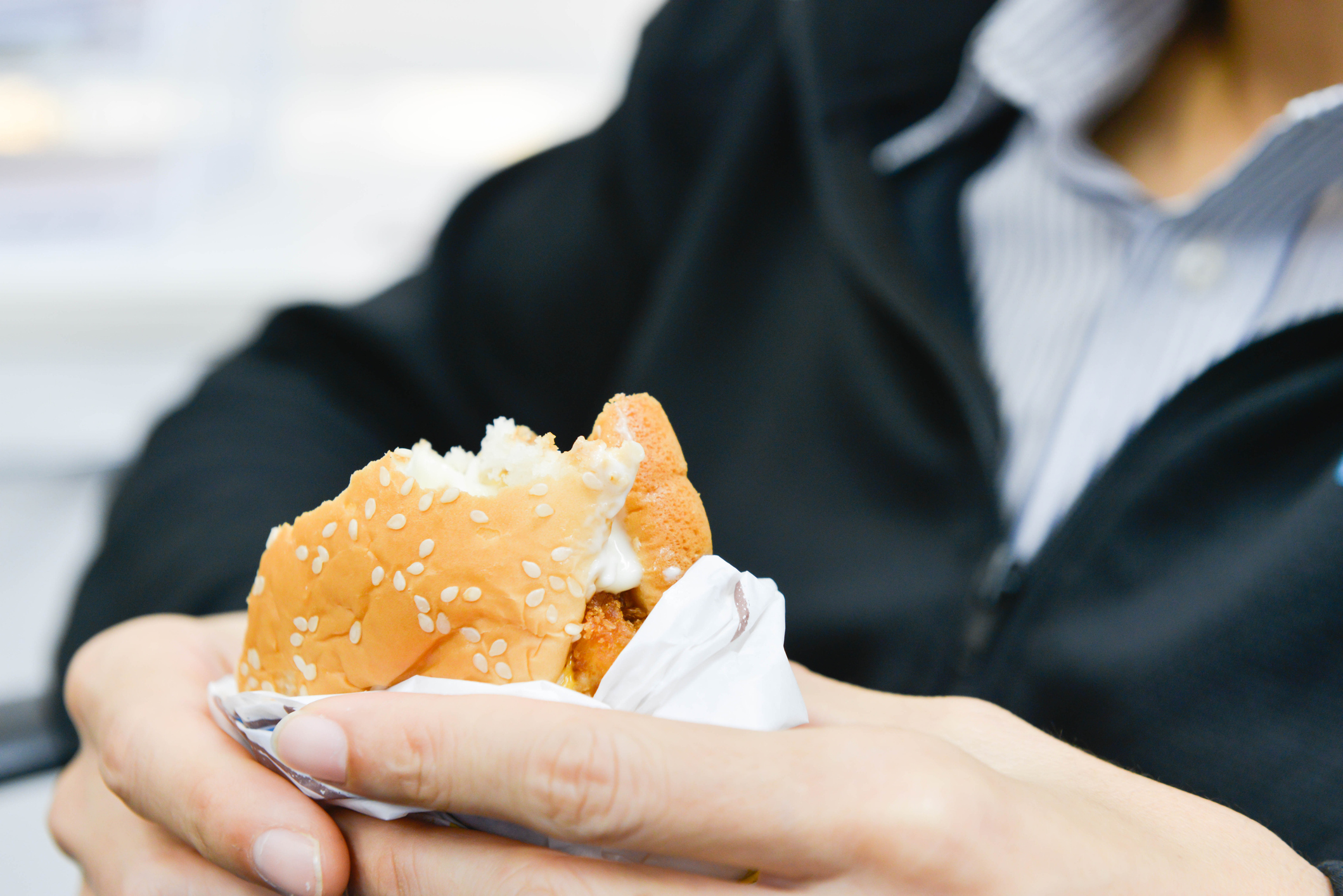
Recent market research reveals that nine in ten GLP-1 users actively consume less food per sitting than they did prior to starting their prescriptions. Behavioral adaptations have followed suit: six in ten diners now routinely pack up half or more of their restaurant meals to take home as leftovers. Perhaps most remarkably, nearly a quarter of adult users have begun ordering children’s meals to accommodate their diminished caloric capacities.
Industry executives are taking direct notice of these evolving ordering patterns. Tom Curtis, president of Burger King, recently addressed these consumer changes during an earnings and strategy overview, noting that leadership has observed an unprecedented influx of adults purchasing children’s portions. Curtis remarked that he is seeing more adults eating kids’ meals now than at any point in his professional tenure, prompting internal discussions regarding whether the chain should formally introduce downsized adult-portion options to capture this evolving demographic.
While quick-service stalwarts face daunting demand destruction, some major industry players are proactively reframing the pharmaceutical trend as a strategic opportunity rather than an existential threat. McDonald’s USA President Skye Anderson recently provided an encouraging perspective to investors, revealing that an impressive 84% of households containing at least one GLP-1 user continue to patronize McDonald’s restaurants.
Anderson characterized the demographic shift not as a permanent loss of customers, but as an invitation to diversify menu offerings and highlight nutritional transparency. "This is an opportunity," Anderson affirmed, pointing toward the potential for introducing lower-calorie, protein-rich items tailored to health-conscious consumers who still desire the convenience of quick-service dining.
Furthermore, long-term consumer research offers a glimmer of hope for restaurateurs concerned about permanent revenue loss. Longitudinal data compiled by market research firm Circana suggests that consumer spending habits within the restaurant sector follow a predictable trajectory post-prescription. Typically, household spending on dining out experiences a sharp contraction during the initial year of GLP-1 treatment as individuals rigidly adjust to their new dietary constraints. However, as users stabilize their weight-loss journeys and adapt to maintenance phases of their prescriptions, restaurant spending tends to experience a moderate rebound.
The broader implications of the GLP-1 revolution extend far beyond individual corporate balance sheets, forcing a total re-evaluation of product development, supply chains, and marketing strategies across the global food industry. For decades, the American fast-food model relied heavily on value pricing centered around hyper-palatable, high-calorie, supersized portions designed to maximize stomach share and caloric value per dollar spent.
As a growing percentage of the population intentionally rejects excess volume, fast-food executives must pivot toward value propositions rooted in nutritional density, ingredient quality, and precise portion control. Companies that successfully reformulate their menus to accommodate smaller appetites and health-oriented preferences are likely to thrive in this new operating environment, while legacy brands that cling rigidly to historical volume-driven models risk marginalization.
Ultimately, the intersection of advanced pharmaceuticals and the hospitality sector underscores a permanent evolution in consumer behavior. The modern diner is increasingly health-literate, biologically supported in weight management, and intentionally selective about nutritional intake. For the restaurant industry, navigating this weighty challenge will require agility, innovation, and a fundamental alignment with the wellness-driven future of food consumption.