The digital advertising industry is currently navigating a period of profound structural change, driven by evolving consumer expectations regarding data privacy and the subsequent phasing out of traditional third-party tracking mechanisms. In response to these shifts, Google recently utilized its annual Marketing Livestream event to unveil a suite of major updates to Google Analytics 4 (GA4). These enhancements are designed to provide marketers with a resilient measurement foundation that prioritizes user consent while maintaining the ability to derive actionable insights from complex customer journeys.
The Evolution of Measurement in a Privacy-First Era
The shift toward GA4 represents more than a simple platform update; it is a fundamental architectural transition. Historically, digital measurement relied heavily on cookies—small text files that tracked user behavior across websites. However, as browser regulations tighten and global privacy legislation—such as the GDPR in Europe and the CCPA in California—becomes the standard, the efficacy of traditional tracking has diminished.

Google’s strategy focuses on "privacy-safe" solutions that leverage machine learning to bridge the gap between observed data and missing information. When users choose not to provide consent for analytics cookies, marketers are often left with fragmented datasets. Google’s latest integration of conversion modeling aims to solve this by using aggregated, anonymized data to fill in those gaps. This allows businesses to maintain visibility into campaign performance, such as identifying which channels are driving new user acquisitions, even when granular tracking is restricted.
Chronology of the Transition
The timeline of this transition reflects the broader industry move away from legacy systems. Universal Analytics, the predecessor to GA4, was built for a different era of the web—one primarily centered on desktop sessions and cookie-based identification. The move to GA4, which was introduced to the public as the next generation of analytics, signals a departure from session-based metrics to an event-driven model.
At the 2021 Marketing Livestream, Google executives underscored that the platform is not merely a tracking tool but a predictive engine. Throughout that year, the company systematically rolled out features to help advertisers prepare for a "cookieless" future. This included the refinement of Consent Mode, which allows tags to adapt their behavior based on the consent status of the user. The recent updates announced at the livestream are the culmination of these efforts, providing the tools necessary for businesses to transition from legacy Universal Analytics to the more robust, AI-integrated GA4 framework.
Enhanced Usability and Customization
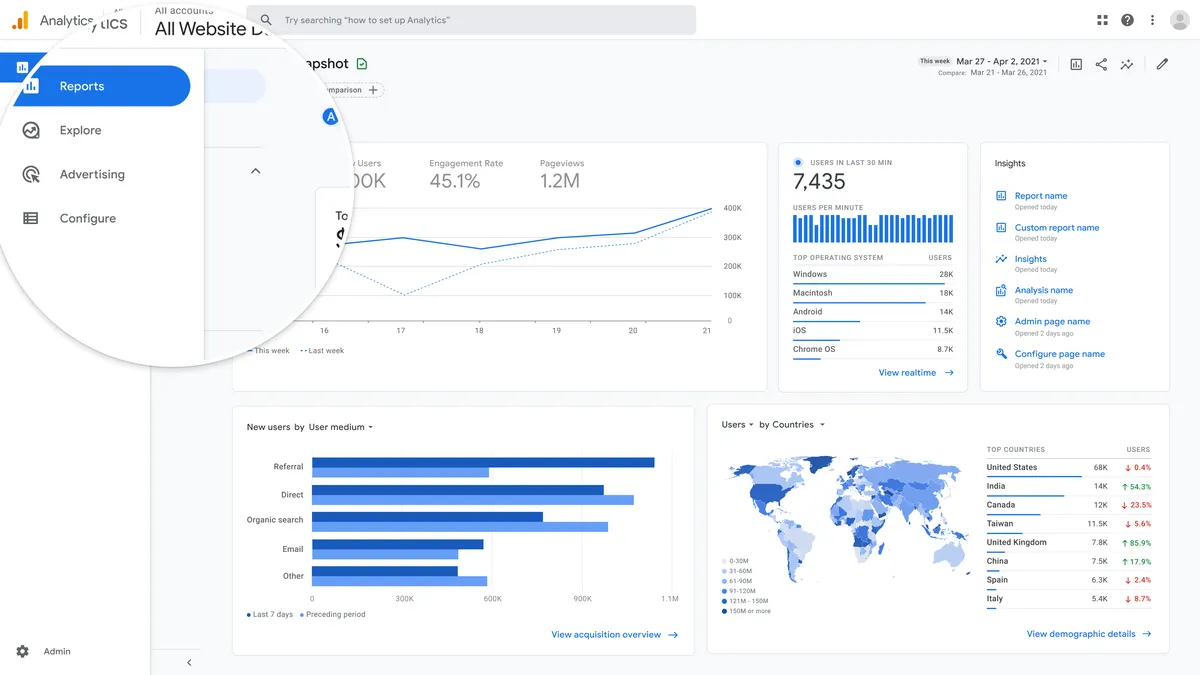
A significant point of feedback from the marketing community regarding earlier versions of GA4 was the steep learning curve compared to its predecessor. Recognizing this, Google has implemented a modular navigation system designed to streamline data discovery. By organizing the platform into specific "workspaces"—such as the Advertising Workspace—users can access relevant reports with significantly less friction.
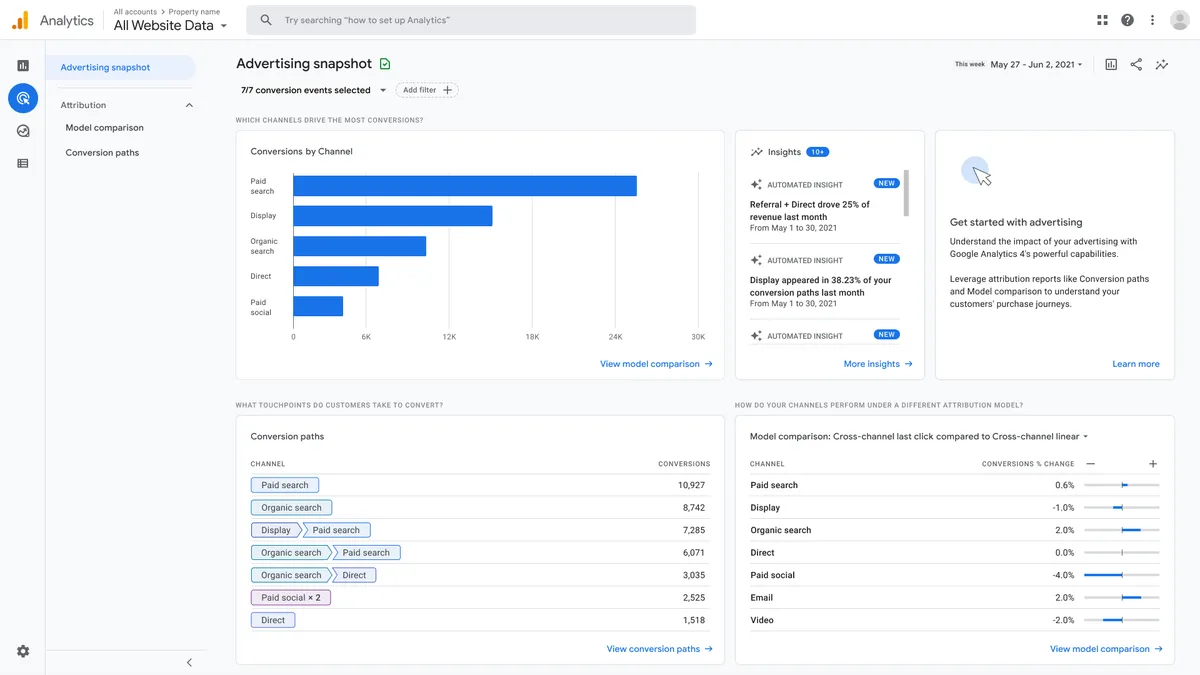
The Advertising Workspace, in particular, serves as a centralized hub for performance evaluation. It offers an "Advertising Snapshot," which functions as an automated dashboard. Instead of manually building reports to identify performance spikes or high-converting channels, marketers can now receive automated insights that highlight anomalies and trends in real-time.
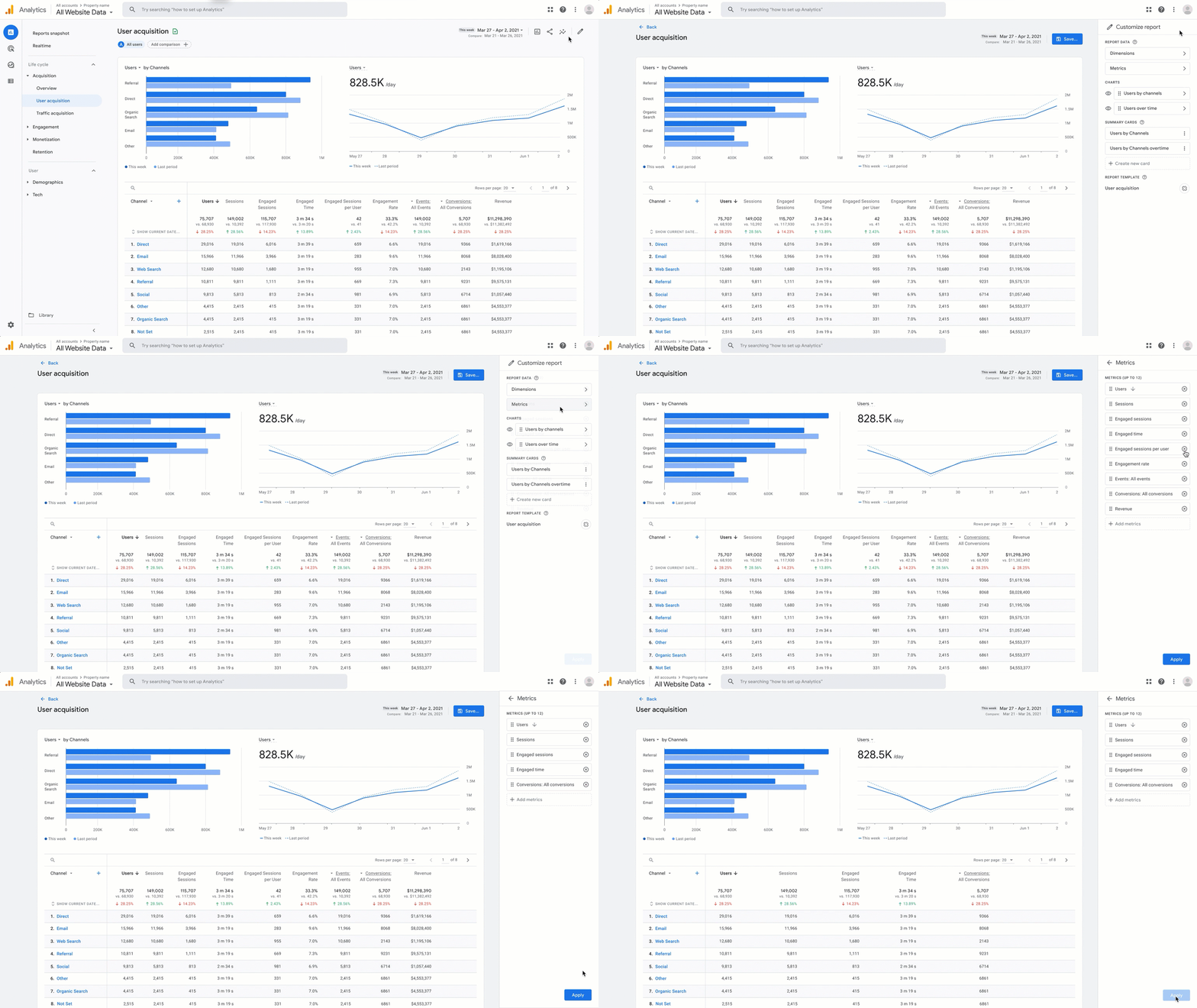
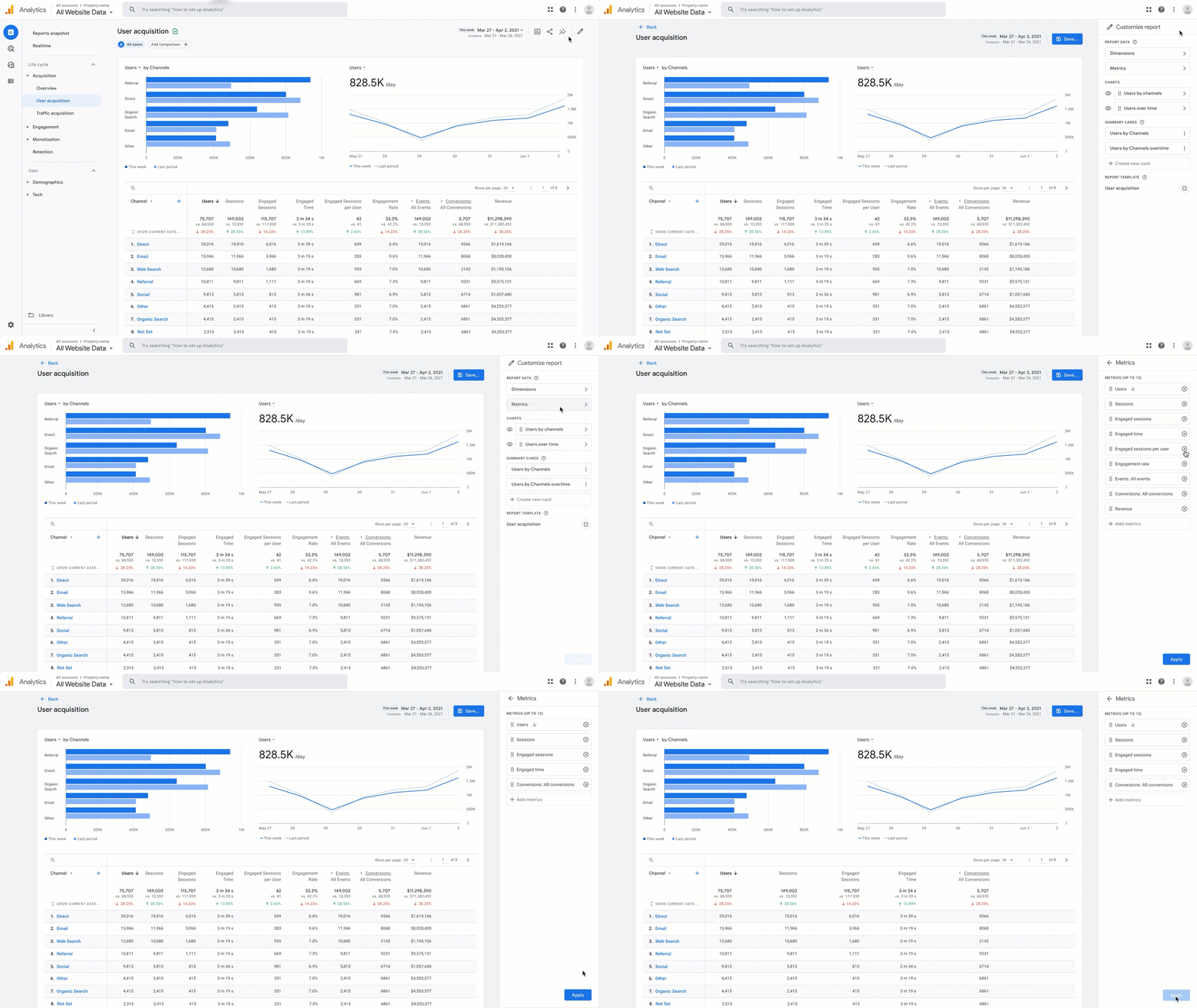
Furthermore, the introduction of extensive customization options for the Reports Workspace marks a departure from rigid, pre-canned reporting templates. For the first time, administrative users possess the authority to curate the interface to align with the specific KPIs of their organizations. By allowing teams to build custom collections and report overviews, Google is enabling a more tailored approach to data analysis, ensuring that stakeholders spend less time navigating complex menus and more time acting on insights.
Advanced Attribution and Marketing Value
One of the most persistent challenges for modern marketers is accurately assigning credit across a multi-touchpoint customer journey. A user might interact with a brand via a social media advertisement, perform a Google search, visit the website twice, and finally convert through an email link. Understanding the relative value of each of these touchpoints is essential for optimizing return on ad spend (ROAS).
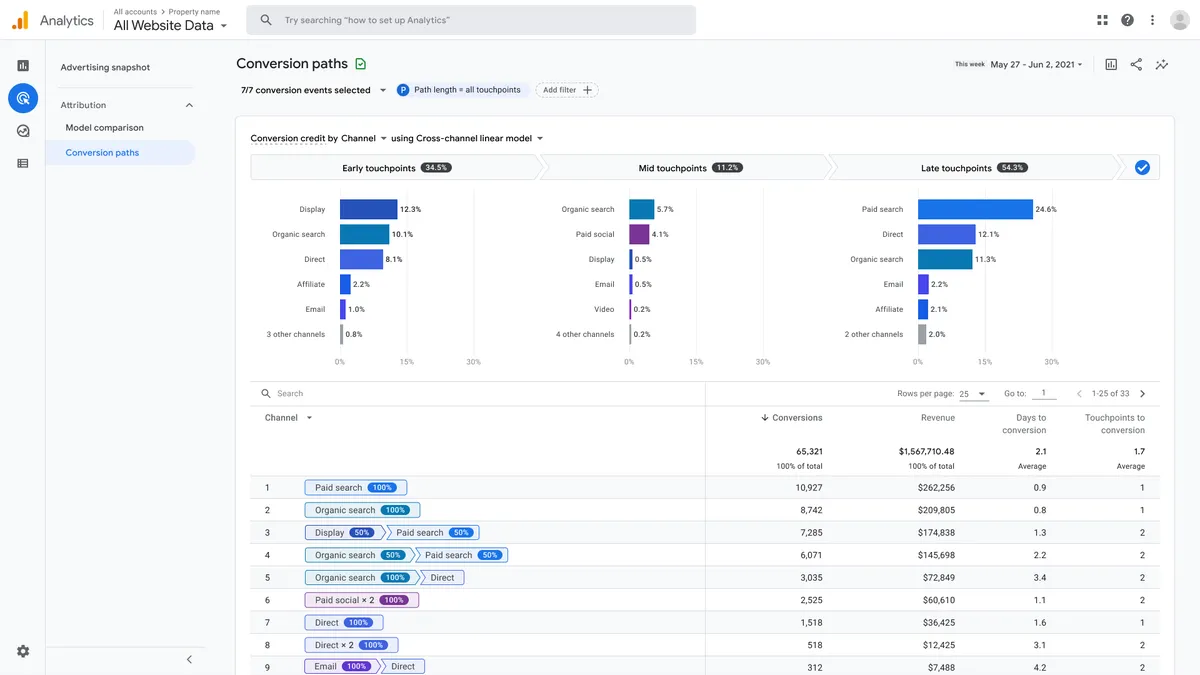
Google is addressing this by bringing cross-platform, data-driven attribution directly into the GA4 Advertising Workspace. By utilizing machine learning, these models assign fractional credit to different touchpoints in the funnel. This is a marked improvement over "last-click" attribution, which often ignores the role of top-of-funnel discovery channels.
The new "Conversion Paths" and "Model Comparison" reports are instrumental in this transition. The Conversion Paths report visualizes the customer journey, allowing managers to see exactly how channels interact. Meanwhile, the Model Comparison report permits side-by-side analysis of how different attribution models—such as linear, time-decay, or data-driven—would affect the perceived value of specific marketing channels. This functionality is crucial for businesses trying to justify budget allocations across diverse platforms, from search to display to social.
Industry Implications and Expert Perspectives
The industry reaction to these developments has been one of measured optimism. Data analysts note that while the reliance on machine learning is necessary, it requires a high degree of trust in Google’s proprietary algorithms. Because these models are "black boxes" to some extent, businesses are encouraged to cross-reference modeled insights with first-party CRM data to ensure accuracy.
"The move toward modeled data is an inevitable evolution of the industry," says a lead digital strategist at a major media agency. "Marketers who resist this shift by clinging to legacy tracking methods will find themselves with increasingly incomplete data. The key for the next three to five years is not finding new ways to track users, but finding better ways to model user behavior while maintaining a high standard of data ethics."
The broader implication is that the "measurement gap" is becoming a standard feature of the digital landscape. Rather than viewing missing data as a technical failure, businesses are being encouraged to view it as a privacy-compliance success. By adopting these tools, companies can maintain a reliable measurement foundation that is legally compliant and future-proofed against further browser or regulatory crackdowns.
Preparing for the Future
For organizations still relying on legacy platforms, the message from the analytics community is clear: the window for transition is closing. The integration of GA4 into the daily workflows of marketing teams is a prerequisite for success in a privacy-first environment.
To effectively prepare, businesses should focus on three core areas:
- Data Governance: Audit current data collection practices to ensure they align with Consent Mode requirements.
- First-Party Data Strategy: Shift focus from relying on third-party cookies to building robust, first-party data sets that can be used to "train" Google’s machine learning models.
- Staff Upskilling: Invest in training teams to utilize the new modular navigation and custom reporting features of GA4, as the platform’s power lies in its flexibility.
As Google continues to roll out enhancements, the focus will likely remain on reducing the complexity of data analysis while increasing the depth of actionable insights. By embracing these changes, businesses can transform a period of regulatory uncertainty into an opportunity to gain a more accurate, holistic view of their customer base. The digital measurement ecosystem is changing, but with tools like GA4, it is becoming more focused on the outcomes that truly matter: understanding the value of marketing efforts in a way that respects the fundamental rights of the consumer.