From Facebook Side Hustle to a 5 Million Dollar Enterprise the Evolution of Junk Teens and the Rise of the Gen Z Blue Collar Entrepreneur

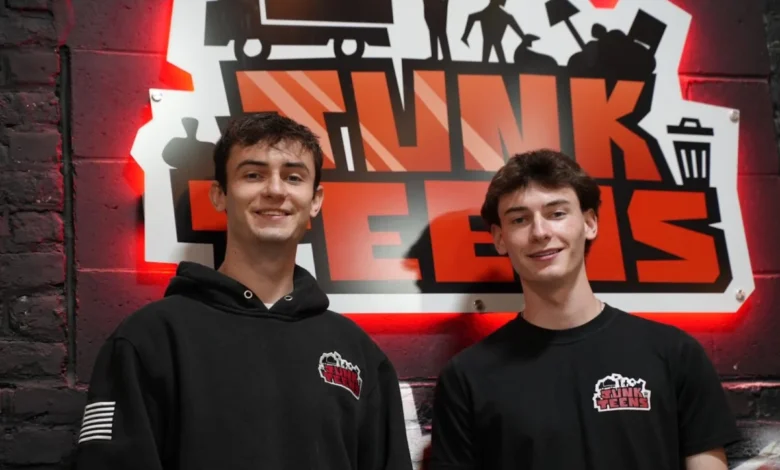
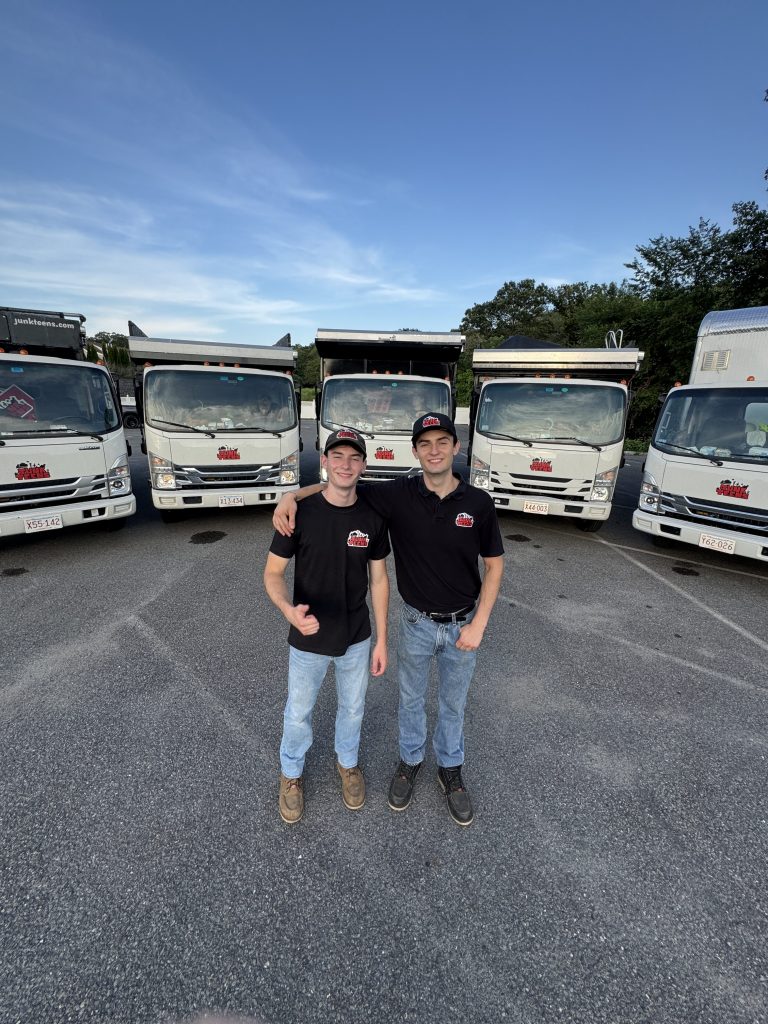
In the rapidly shifting landscape of the American labor market, few stories illustrate the intersection of traditional blue-collar grit and modern digital fluency as clearly as that of Kirk and Jacob McKinney. The brothers, now 22 and 21 respectively, have transformed a modest local junk-removal operation into a multi-state enterprise that is projected to reach $5 million in revenue by the end of 2026. What began as a teenage side hustle in 2021 with a single pickup truck and a set of salvaged speakers has evolved into Junk Teens, a high-growth business that currently operates a fleet of eight trucks and employs 25 full-time staff members across Greater Boston, Cape Cod, and Rhode Island.
The trajectory of Junk Teens reflects a broader national trend: the "Blue-Collar Renaissance." As the cost of four-year degrees continues to climb and the promise of entry-level white-collar roles becomes increasingly volatile due to automation and artificial intelligence, young entrepreneurs like the McKinneys are finding substantial profit in essential services. By integrating sophisticated software, social media marketing, and "vibe coding" into the traditionally low-tech sector of waste management, Junk Teens has established a blueprint for scaling a service-based business in the 21st century.
From Salvage to Scale: The 2021–2026 Timeline
The genesis of Junk Teens was rooted in the resale market. In 2021, the brothers noticed that much of what was being discarded still held significant value. After discovering a pair of functioning speakers at a local dump, they began curating a collection of resellable items. Within a short period, they had generated $1,000 in sales via Facebook Marketplace—a realization that the "junk" they were being paid to remove was, in fact, a secondary revenue stream.

By 2024, Junk Teens had reached $1.2 million in annual revenue. At this stage, however, the business was still operating under the internal structure of a "side hustle." The founders managed nearly all logistics manually, utilizing basic digital tools to keep the business afloat. The year 2025 marked a significant turning point, as the company expanded its footprint into Cape Cod and Rhode Island, seeing revenue jump to $3 million. With the current momentum and optimized systems now in place, the company’s internal projections for 2026 sit at $5 million, representing a 416% increase in revenue over just a 24-month period.
Overcoming the Operational Bottleneck
As many small businesses scale, they eventually reach a "bottleneck" where the founders’ personal involvement in every task prevents further growth. For Junk Teens, this point was reached when Jacob McKinney was spending 12 hours a day manually scheduling routes and managing disposal logistics. At the time, the business operated only three to four trucks, but the administrative burden was nearing a breaking point.
To move beyond this plateau, the brothers implemented a strategy of radical delegation. They promoted a long-term employee—a student taking a gap year from college—to a management position, handing over the daily responsibilities of employee check-ins and schedule reviews. This shift allowed the founders to transition from working in the business to working on the business. Freed from the minutiae of daily routing, Jacob and Kirk focused on building standardized training systems and exploring technological integrations that would allow the fleet to double in size without a corresponding increase in executive stress.
Tech-Forward Infrastructure and "Vibe Coding"
Perhaps the most unique aspect of Junk Teens is its heavy reliance on a modern tech stack to manage a manual labor workforce. While the business reached its first million dollars in revenue using little more than the Apple Notes app for scheduling, the current operation is powered by a suite of professional tools. The company utilizes Jobber for customer relationship management (CRM), GoHighLevel for automated data collection and marketing, and Connecteam for real-time employee management.
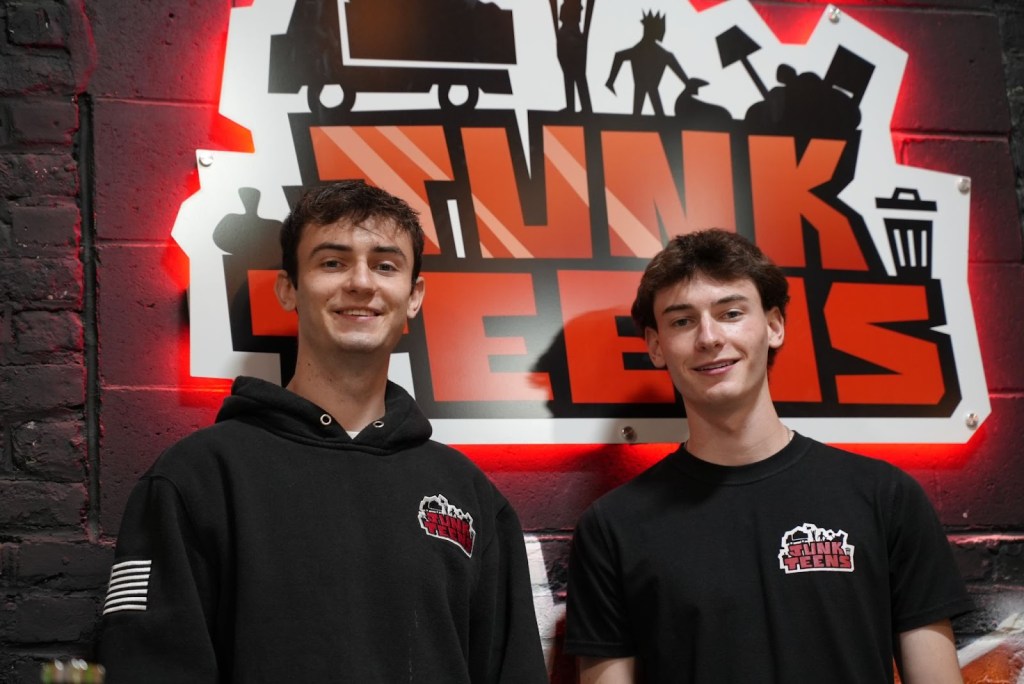
The brothers have also embraced the cutting-edge concept of "vibe coding"—a term used to describe the process of building software where the user provides high-level intent and "vibes" to an AI, which then generates the underlying code. A teenage employee with basic technical skills used platforms like Base44 and ChatGPT to develop a proprietary Junk Teens app. This internal tool features a leaderboard and detailed performance analytics, tracking metrics such as revenue per hour and closing rates for individual team members.
"Our entire app was developed by a teenager," Kirk McKinney noted, highlighting how the democratization of technology allows young workers to contribute high-level value to traditional industries. The app has become the central nervous system of the company, providing a level of data transparency that is rare in the independent junk removal sector.
Social Media as a Culture and Recruitment Tool
In an era where many blue-collar businesses struggle with recruitment, Junk Teens has leveraged social media to build a brand that attracts young talent. The company currently boasts a digital footprint of over 213,000 followers on TikTok, 269,000 on Instagram, and 69,000 subscribers on YouTube.
The content strategy is decentralized and authentic. Kirk McKinney provides Meta Glasses and GoPros to field teams, allowing them to capture the day-to-day realities of the job. This footage is then edited to showcase the company culture, which the founders credit as a major factor in their recruitment success. "A company is just a group of people at the end of the day, and when you see yourself in these videos… it really elevates the culture," Kirk explained. This visibility has turned Junk Teens into a desirable workplace for high school and college students, many of whom view the job as a pathway to learning entrepreneurial skills.
The Economics of a Student-Led Workforce
The Junk Teens labor model is built on high-energy, seasonal participation. By offering wages that average between $25 and $30 per hour—comprising hourly pay, commissions, and tips—the company remains highly competitive compared to traditional retail or food service roles.
The seasonality of the business aligns perfectly with the academic calendar. During the summer months, the company’s volume nearly doubles. For example, their Cape Cod location alone booked $350,000 in services during the peak season of 2025. While the departure of students in the fall presents a challenge, the brothers have built their systems to accommodate this "ebb and flow," ensuring that they have a deep bench of talent ready to return during breaks and peak periods.
Environmental and Community Impact
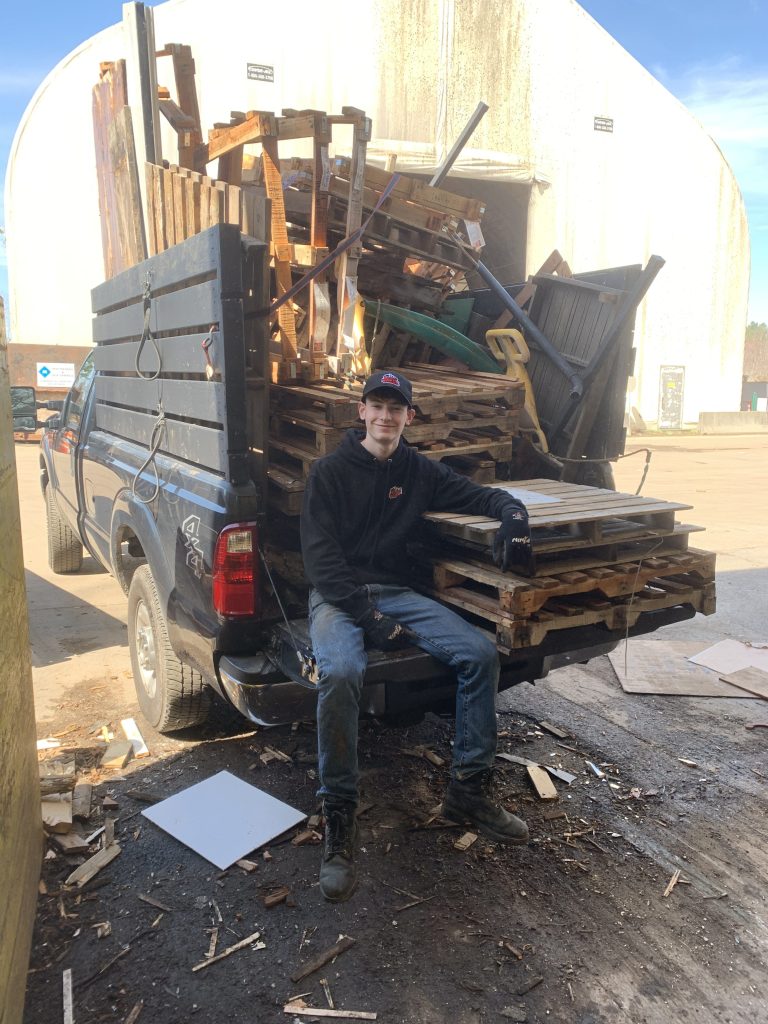
Beyond the financial metrics, Junk Teens has positioned itself as a community-oriented and environmentally conscious entity. The company has processed an estimated 7.4 million pounds of items since its inception. Rather than simply hauling these goods to a landfill, the business prioritizes sorting for donation, resale, or repurposing.
This commitment to social responsibility is reflected in their partnerships. A collaboration with Computers 4 People resulted in a drive that distributed refurbished laptops and desktops to under-resourced communities. Additionally, a partnership with the Cape Cod-based organization WellStrong raised funds for peer-support programs aiding those in substance abuse recovery. These initiatives not only benefit the community but also resonate with the Gen Z demographic, which increasingly seeks employment with companies that align with their personal values.
Analysis: The Future of the Blue-Collar Entrepreneur
The success of Junk Teens serves as a case study for the future of small-scale logistics and service industries. Analysts point to several factors that suggest the McKinney brothers’ model is sustainable and scalable:
- Low Barrier to Entry, High Ceiling for Optimization: While anyone with a truck can start a junk removal business, very few can optimize the logistics and marketing to reach a $5 million valuation.
- Digital Native Advantage: By using AI and social media as core business functions rather than afterthoughts, Junk Teens has achieved a level of operational efficiency that older competitors often lack.
- The Labor Shift: As the "college-for-all" narrative loses its luster, businesses that offer high-paying, high-energy manual labor with a tech-savvy twist are becoming increasingly attractive to the youngest generation of workers.
As Kirk and Jacob McKinney eye a national expansion within the next few years, their focus remains on empowering the youth. Their advice to aspiring entrepreneurs is characterized by the same pragmatism that built their business: start before you are ready.
"I don’t think there’s ever a perfect roadmap unless you already have $1 million and are a business expert," Jacob McKinney said. "We just started with something that we thought was adventurous and entertaining." As Junk Teens continues its transition from a local service to a regional powerhouse, it stands as a testament to the fact that in the modern economy, "junk" can be a very lucrative business for those willing to do the heavy lifting.