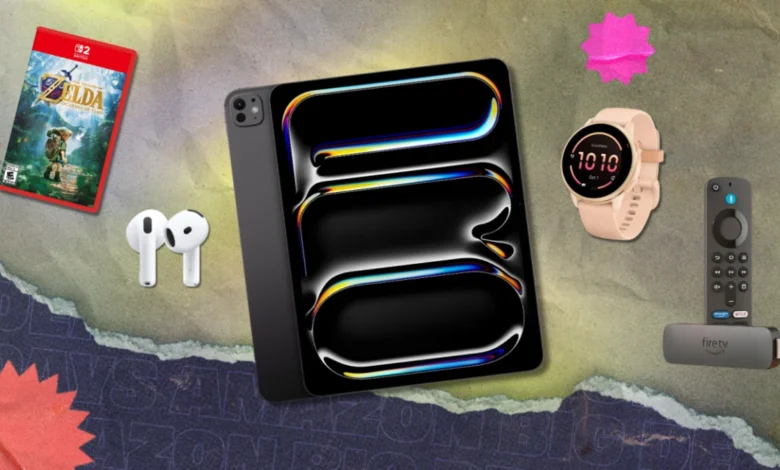
With Amazon’s upcoming Prime Big Deal Days—widely known as October Prime Day—officially scheduled for October 6 and 7, early-bird discounts have begun rolling out across major technology categories. Shoppers navigating the retail landscape this autumn are encountering a complex market environment defined by ongoing component constraints, most notably a persistent global memory crisis that has elevated baseline prices for laptops, smartphones, and internal storage components throughout the year.
As consumers look for relief ahead of the traditional holiday shopping rush, retail analysts and industry observers are closely monitoring how e-commerce platforms price high-demand electronics. Amazon’s 48-hour event serves as the unofficial curtain-raiser for the fourth-quarter shopping season, a tactical shift the company introduced years ago to distribute holiday demand and capture early consumer spending. Ahead of the official event commencement, independent product testers and shopping editors have combed through hundreds of promotional listings, cross-referencing historical pricing databases and competing retailer catalogs to isolate genuine markdowns from routine promotional marketing.

The Anatomy of October Prime Day: Background and Evolution
Amazon first established the October promotional window in 2022, initially deploying it under the moniker of the "Prime Early Access Sale" before transitioning to the standardized "Prime Big Deal Days" title. Designed primarily to replicate the massive traffic and sales volumes of the flagship summer Prime Day event while bridging the gap toward Black Friday and Cyber Monday, the mid-autumn sale has steadily evolved into a crucial retail barometer.
In recent years, competing major retailers—including Walmart and Target—have systematically established concurrent shopping events to capture market share during the same early-October window. This multi-retailer competition benefits consumers by forcing aggressive price matching, though it also creates a fragmented marketplace where tracking true historical lows requires specialized tools such as price history aggregators and cross-platform verification.

Navigating the Global Memory Crisis and Pricing Pressures
The retail pricing landscape for consumer electronics in late 2026 bears the distinct marks of macroeconomic headwinds, chief among them the protracted RAM and flash storage supply constraints. Industry analysts note that restricted production yields and heightened enterprise demand for high-capacity memory modules have trickled down to consumer markets, driving up baseline costs for personal computers, mobile devices, and external drives. Consequently, finding discounts that genuinely offset these baseline increases has become a primary objective for value-conscious tech buyers.
Despite these broader supply chain pressures, early October promotions have successfully carved out substantial price reductions on select legacy and current-generation hardware. Editorial curation teams emphasize that evaluating these discounts requires strict adherence to historical tracking data rather than relying solely on advertised manufacturer’s suggested retail prices (MSRP).

Hand-Picked Early Deals Across Major Categories
Computing Hardware and Professional Workstations
For creative professionals, software developers, and power users navigating elevated hardware costs, significant markdowns have emerged on high-end configurations. Notably, Apple’s 14-inch MacBook Pro equipped with the M5 Max chip—featuring expanded RAM and high-capacity solid-state storage—has seen a substantial price adjustment. Following industry-wide price realignments earlier in the year that pushed baseline configurations higher, current early-sale pricing undercuts previous promotional ceilings, offering substantial savings on top-tier mobile computing platforms. Similarly, Apple’s iPad Air lineup featuring the M4 architecture has received targeted price cuts, appealing to consumers anticipating incremental product refreshes.

Audio Technology and Personal Listening Devices
Personal audio continues to be a staple of Amazon’s promotional strategy. Apple’s fourth-generation AirPods have returned to familiar promotional price points, offering budget-conscious iOS users an accessible entry point into the ecosystem despite the subsequent release of higher-tier models featuring active noise cancellation. In the premium audio segment, flagship hardware from brands such as Bose—including the QuietComfort Ultra line of headphones and earbuds—have seen direct price reductions, though industry watchers suggest even deeper discounts may materialize as the official 48-hour event approaches.
Streaming Media and Smart Home Ecosystems

Amazon’s proprietary hardware ecosystem consistently anchors its seasonal sales events, and early October listings are no exception. Fire TV streaming sticks, including 4K-enabled variants supporting advanced audio and visual formats such as Dolby Vision and Dolby Atmos, have received steep percentage-based discounts via promotional checkout codes. Tablet computing options, spanning the compact Fire HD 8 and the larger-screen Fire HD 10, have also dropped to record-low prices exclusively for Prime members, reflecting Amazon’s strategy of subsidizing hardware costs to drive ecosystem adoption and digital service subscriptions.
Wearables and Fitness Tracking
The wearable technology market features competitive positioning between dedicated fitness ecosystems and mainstream smartwatches. Garmin’s wellness-focused hardware, such as the lightweight vivoactive 6 smartwatch featuring an AMOLED display and extended battery longevity, has dropped to unprecedented price lows in select colorways. This positions the device as a viable alternative to entry-level smartwatches from competitors like Apple, appealing specifically to users prioritizing biometric tracking and battery endurance over third-party app integration.

Home Entertainment and Display Technology
Large-format display technology represents some of the most substantial nominal dollar-value savings of the early promotional period. High-end QLED televisions, such as large-screen iterations from manufacturers like TCL renowned for peak brightness and glare management, have experienced aggressive markdowns. These displays target consumers seeking daylight-optimized viewing environments for sports and cinematic media ahead of the winter sports and entertainment calendar.
Gaming Hardware and Physical Media Preorders

The gaming sector features a mix of hardware accessories, storage expansion modules, and high-profile software preorders. Specialized high-speed microSD cards and portable solid-state drives from manufacturers like SanDisk have received moderate discounts, offering essential storage expansion for modern gaming consoles and mobile computing devices amidst ongoing memory pricing volatility. Additionally, physical media preorders for upcoming major software releases—such as high-profile Nintendo Switch 2 software remakes—have seen introductory promotional discounts, bucking the trend of rising standard video game pricing.
Retail Implications and Consumer Guidance
As the official launch of Prime Big Deal Days approaches, market analysts advise consumers to exercise strategic patience while securing verified all-time-low prices on items with limited stock availability. Because retailers frequently adjust inventory allocations and pricing structures dynamically throughout the 48-hour event, cross-referencing prices across competing platforms like Best Buy, Walmart, and direct manufacturer storefronts remains essential for securing optimal value. With supply chain constraints continuing to influence the broader technology sector, these early promotional windows offer a critical opportunity for buyers to acquire necessary hardware before peak holiday demand strains available inventory.