Meta pivots from the metaverse to personal superintelligence with a massive expansion of its wearable AI ecosystem and new hardware launches

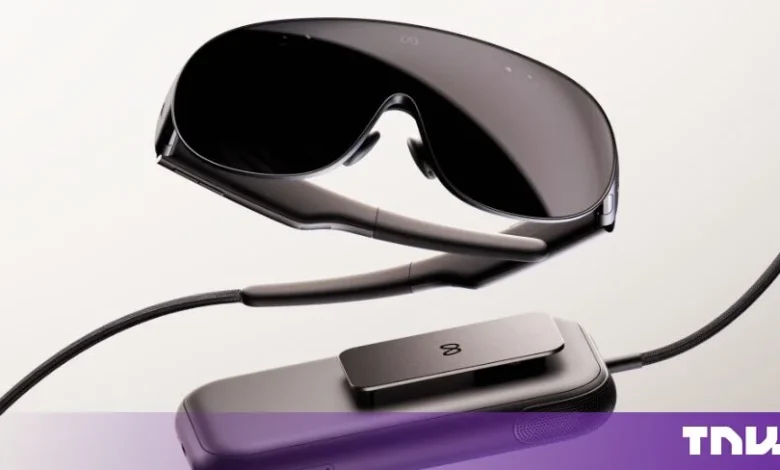
At the annual Meta Connect conference held this week, CEO Mark Zuckerberg executed a strategic pivot that signals a fundamental shift in the company’s long-term product roadmap. While the "metaverse" dominated Meta’s narrative for the better part of the last four years, the company is now prioritizing "personal superintelligence." This shift centers on the Muse AI agent, which is being integrated across an increasingly complex and diverse range of wearable devices, including ultralight VR glasses, audio-only eyewear, and a new portable hardware category.
The flagship announcement—a pair of VR glasses weighing only 100 grams—serves as the cornerstone of this new direction. Priced at $1,299.99 and slated for release in the spring of 2027, these glasses represent a significant departure from the bulky, standalone headsets that defined the Meta Quest series. By offloading the processor, battery, and storage to a tethered "puck" that clips onto a user’s clothing, Meta has managed to reduce the weight of its VR hardware by more than 80% compared to the Meta Quest 3.
A Chronology of Strategic Evolution
Meta’s journey toward these hardware breakthroughs has been marked by a transition from experimental social VR to practical, AI-driven utility. In 2021, the company rebranded from Facebook to Meta, committing heavily to the development of a persistent virtual world. By 2023, the focus shifted toward integrating AI assistants into its Ray-Ban partnership glasses. The 2026 Connect conference marks the formal transition where AI, rather than virtual environments, has become the primary value proposition for the consumer.
The timeline for the coming months is aggressive. Ray-Ban Meta Audio glasses, which omit the camera for a thinner, lighter profile, are currently available for pre-order and will begin shipping on October 13. Simultaneously, Meta is expanding the availability of its existing smart glasses, entering markets such as Singapore, South Korea, Mexico, and the UAE, with plans to reach Brazil and eleven additional nations by the end of the year.
Engineering the Future: The VR Glasses
The technical specifications of the new VR glasses highlight a reliance on high-end componentry to justify the premium price point. Utilizing micro-OLED displays and the new Qualcomm Snapdragon Reality Elite chip, the glasses are designed to function not just for entertainment, but as a primary computing interface.
One of the most significant technical hurdles overcome by the Meta team is the implementation of full-body holograms. According to Andrew Bosworth, Meta’s CTO, the company has "solved the genuinely hard problem of giving you legs in VR." This feature, combined with the glasses’ certification as the first IMAX Enhanced VR device, suggests that Meta is positioning this hardware as a direct competitor to high-end home theater systems and professional workstations. With Disney+, HBO Max, Peacock, and Paramount+ contributing their 3D catalogs, and partnerships with ESPN and UFC to stream over 100 live immersive events annually, the entertainment utility is clearly defined.
AI as a Health and Accessibility Tool
Perhaps the most surprising announcement at Connect was the integration of FDA-cleared hearing assistance features into Meta’s existing smart glasses. By turning the glasses into over-the-counter (OTC) hearing aids for mild to moderate hearing loss, Meta is entering the lucrative medical-tech space.
Industry data suggests that one in six American adults experiences some form of hearing loss, yet the barrier to entry—both in terms of cost and social stigma—remains high. Meta’s approach, which utilizes a guided in-app hearing test to tune amplification, offers a solution that costs only a fraction of traditional medical-grade hearing aids. This move brings Meta into direct competition with specialized firms like Phonak, signaling that the company views its wearable AI as an essential health tool rather than a luxury accessory.
The Muse Ecosystem and Developer Integration
The Muse AI agent is now the operating system of the Meta hardware lineup. During the keynote, Alexander Wang detailed how Muse is expanding its utility through a new connector platform. Users can now utilize Muse to interact with a vast array of services, from retail giants like Walmart and Best Buy to professional productivity tools such as GitHub, Notion, and Slack.
The speed at which developers are adopting this platform is notable; within one week of opening the connector interface, Meta received over 1,500 applications. This developer momentum is critical to Zuckerberg’s vision, as he believes Muse will eventually become a revenue-generating tool for users. While the agent is currently free for a large volume of tokens, the company has indicated it plans to take a small transactional fee on purchases made through the Muse-integrated commerce ecosystem.
Financial markets reacted positively to the announcement, with Meta shares climbing 11% following the event. Investors are seemingly buoyed by the potential for high-margin service revenue generated by the Muse agent, as well as the diversification of Meta’s hardware portfolio.
Lifestyle Branding and Collaborative Partnerships
Meta continues to lean heavily into the intersection of technology and fashion. By expanding its own-brand glasses to 51 style combinations and maintaining its collaboration with EssilorLuxottica, the company is attempting to shed the "tech-gadget" image in favor of a "lifestyle" brand.
The partnership with K-pop star LISA of Blackpink underscores this strategy. The LISA Edition glasses, which include custom designs, pet-themed charms, and exclusive in-app features, are clearly aimed at younger demographics and the global pop-culture market. Similarly, the continued collaboration with Kylie Jenner on new colorways for the existing smart glasses demonstrates a commitment to celebrity-driven marketing, which has proven effective in increasing the visibility of smart eyewear.
The Muse Charm: Hardware as a Utility
Zuckerberg concluded the event by unveiling the "Muse Charm," a keychain-sized device that provides constant access to the Muse AI agent. This device is intended for users who may not want to wear glasses at all times but still require immediate, hands-free access to an AI concierge.
By including a fingerprint sensor and a real-time voice and avatar stack, the Muse Charm functions as an ambient computing companion. While Meta has not yet finalized the pricing or the exact material finishes for the device, the plan to ship in December suggests that the company is eager to capture holiday spending and test the appetite for non-wearable AI hardware.
Implications and Future Outlook
The shift in Meta’s strategy carries significant implications for the broader tech industry. By focusing on personal superintelligence, Meta is effectively challenging companies like Apple and Google to move beyond voice-command AI and toward autonomous, agentic assistants that can perform complex tasks on behalf of the user.
However, the strategy is not without risks. The reliance on human-in-the-loop testing, as reported by Reuters regarding the potential for human concierges behind Muse, suggests that the AI is not yet fully autonomous. Furthermore, the 2027 release date for the VR glasses provides competitors with ample time to respond with their own lightweight solutions.
Nevertheless, the breadth of the hardware lineup—ranging from $249 entry-level frames to $1,299 professional-grade VR—suggests that Meta is building an ecosystem that covers every tier of the consumer market. If the company can successfully bridge the gap between AI utility and stylish, unobtrusive hardware, it may well succeed in transitioning its massive user base from smartphones to the next generation of wearable intelligence. The era of the metaverse may be on pause, but for Meta, the era of the personal, intelligent companion has firmly arrived.
Related posts: