The Evolving Landscape of AI Search: Why Digital PR Dominates Modern Discovery


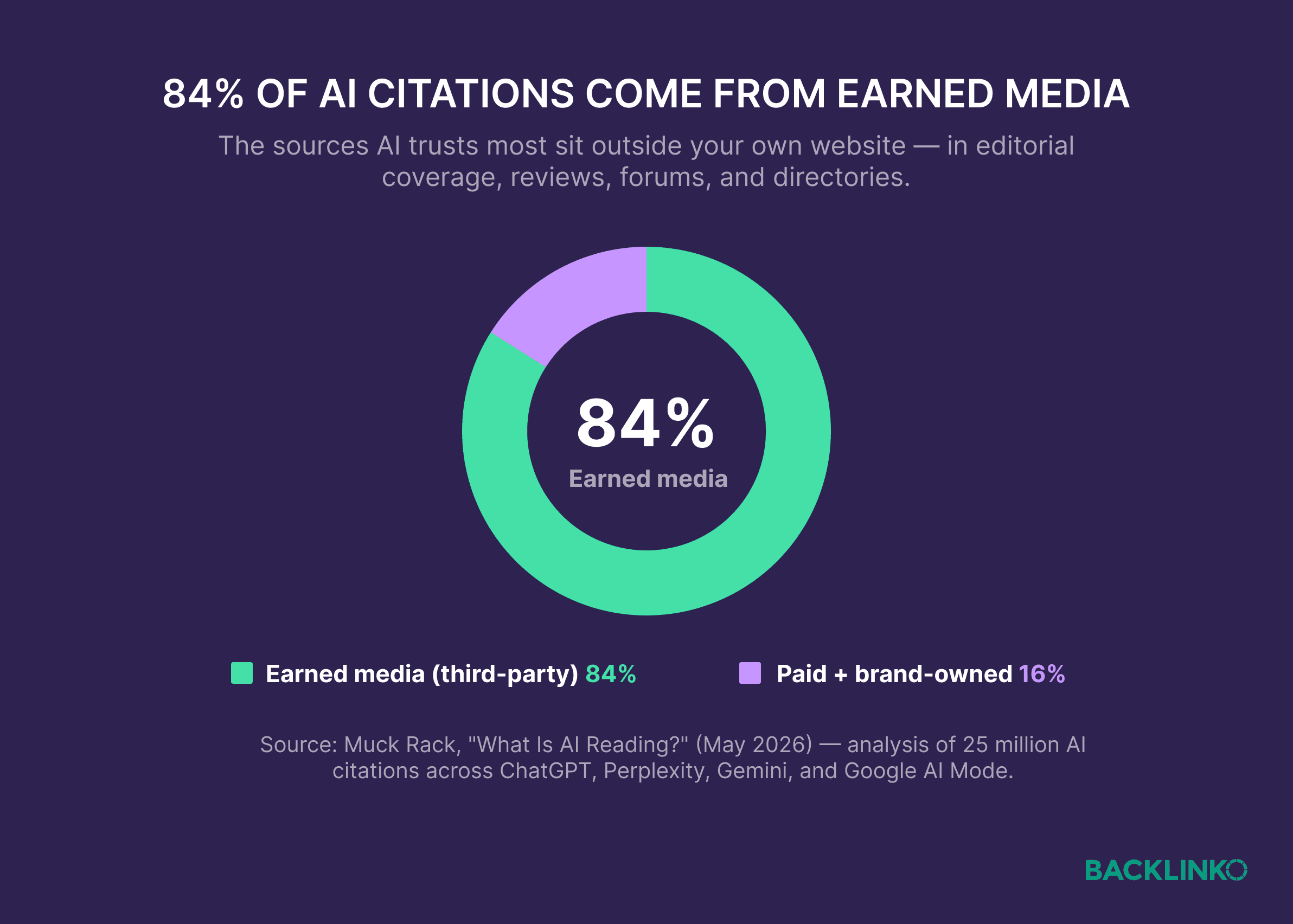
The emergence of artificial intelligence in search engine technology has fundamentally altered how brands capture visibility, consumer trust, and market share. While traditional search engine optimization (SEO) heavily prioritized onsite keyword optimization, technical site architecture, and direct backlink accumulation, the modern paradigm of generative search relies on a decentralized web ecosystem. Recent industry data indicates that approximately 84% of AI-generated citations stem from earned media, third-party editorial coverage, verified customer reviews, and interactive forum discussions rather than self-published corporate content.
This structural shift requires marketing professionals, brand strategists, and public relations teams to completely recalibrate their strategies. As large language models (LLMs) synthesize information from myriad external sources to deliver direct, conversational answers, the primary driver of AI visibility is no longer self-promotion. Instead, brand authority is established through third-party validation. Consequently, digital public relations has emerged as the single most critical mechanism for achieving and sustaining prominence in AI-driven discovery environments.
The Mechanics of AI Citations and Third-Party Validation
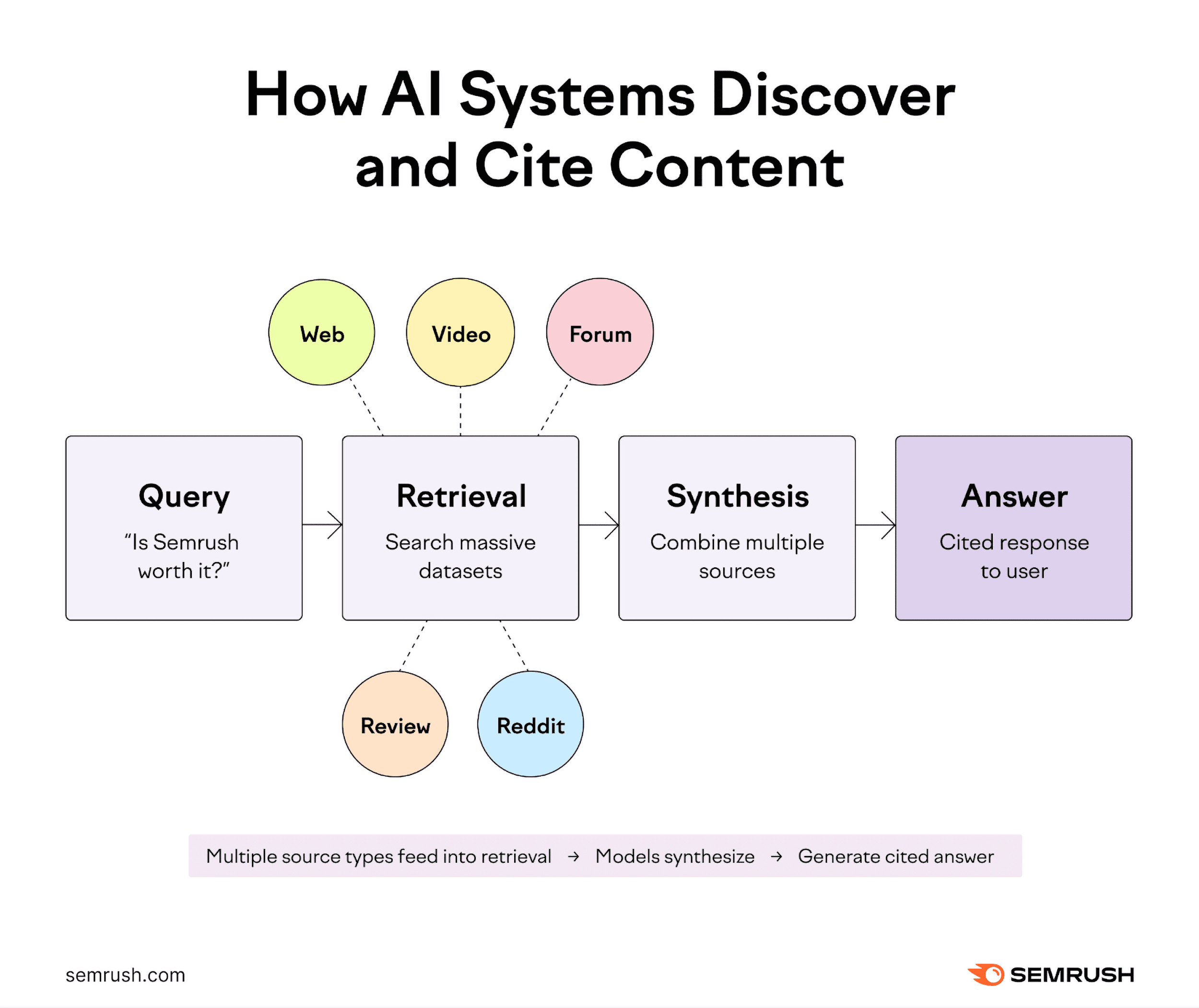
To understand why digital PR reigns supreme in generative engine optimization (GEO), one must examine how LLMs process information. Unlike traditional search engines that crawl individual web pages to index keywords and evaluate metadata, generative AI systems absorb vast corpora of web data. When a user enters a complex prompt, the underlying algorithm cross-references multiple trusted sources to construct a synthesized response.
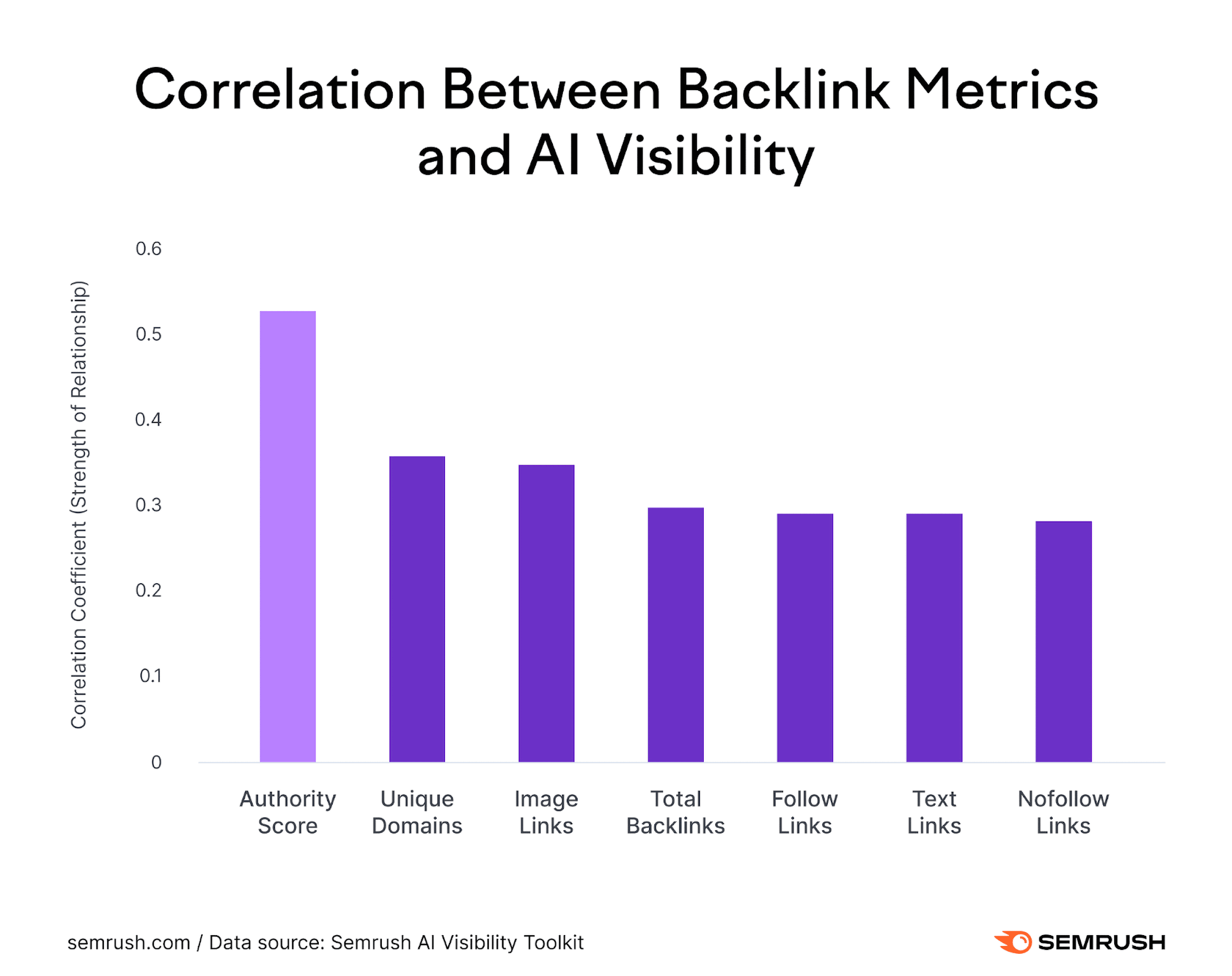
If a brand appears consistently across authoritative editorial publications, industry reviews, and high-engagement community platforms, the AI model associates that brand with authority and trustworthiness. Empirical research underscores this dynamic. Studies tracking domain performance across AI search engines demonstrate a strong positive correlation between high-authority backlink profiles—specifically from domains with a Domain Authority of 60 or higher—and frequent brand mentions in AI-generated answers. Because digital PR directly secures these high-tier backlinks and brand mentions, it functions as the foundational architecture for AI discoverability.
Strategy One: Data-Led Public Relations and Original Research
One of the most reliable pathways to earning high-authority backlinks and subsequent AI citations is the deployment of data-led public relations. This approach involves conducting original industry research, publishing statistical roundups, and distributing proprietary insights to relevant trade publications and mainstream media outlets.
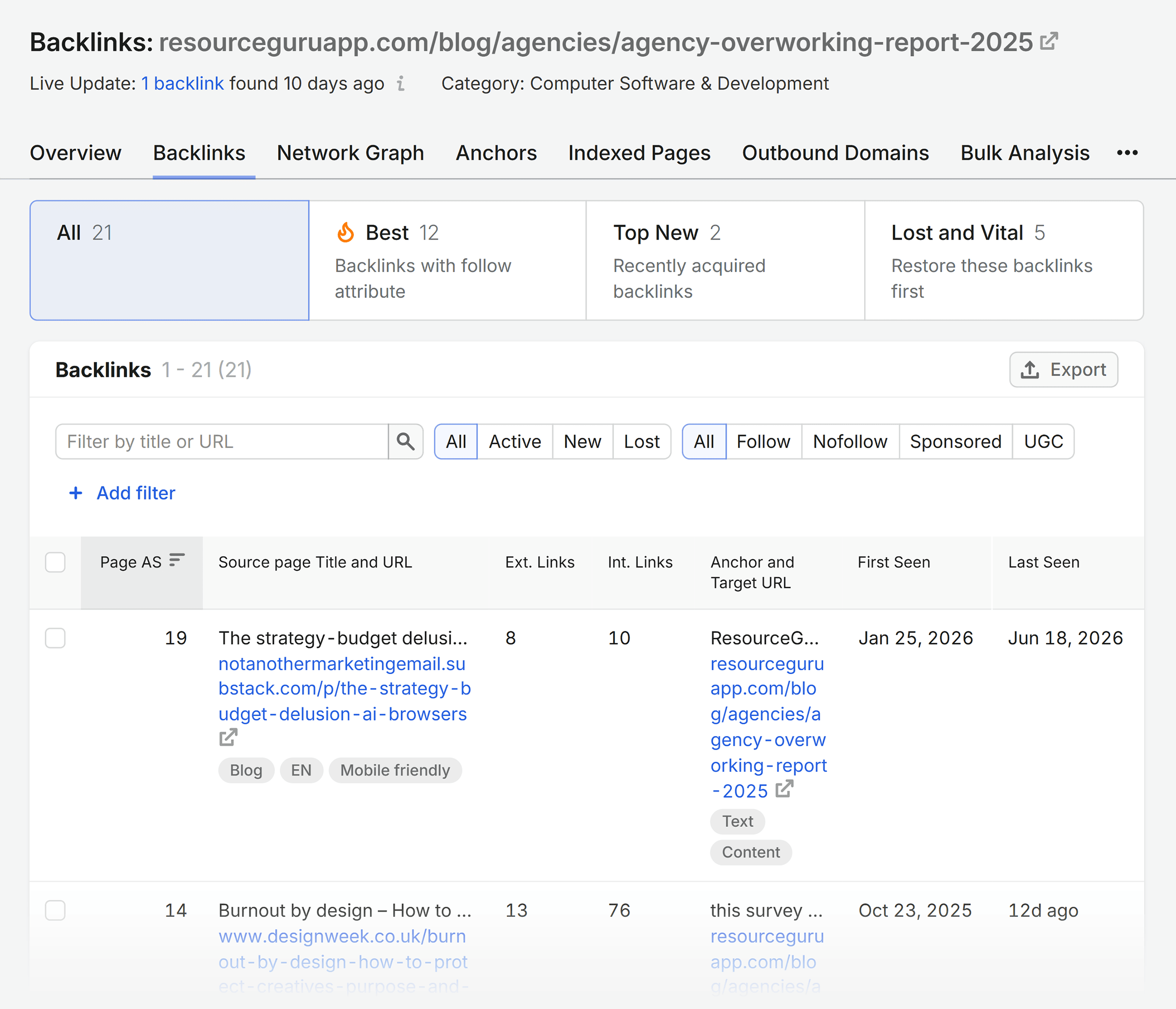
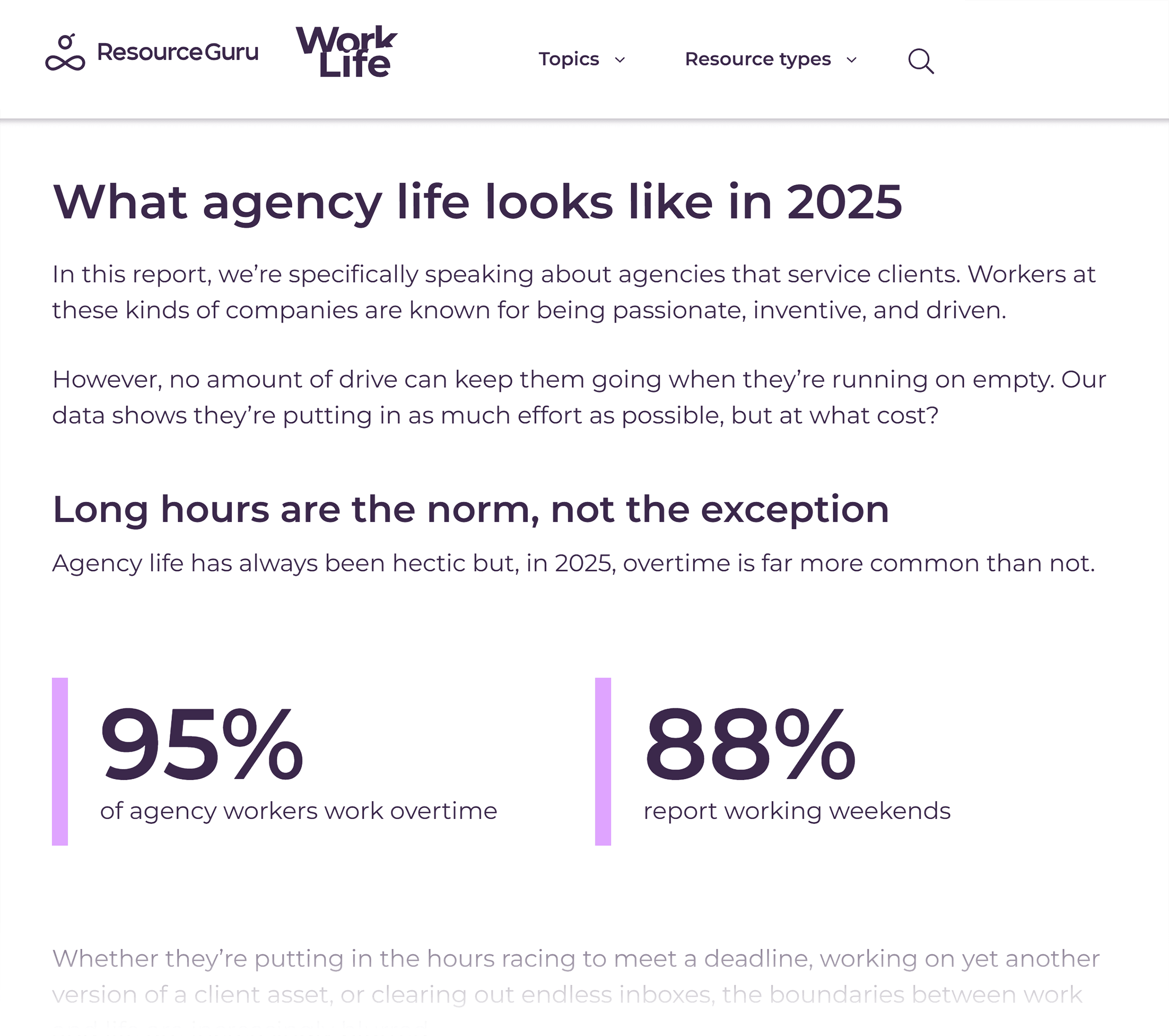
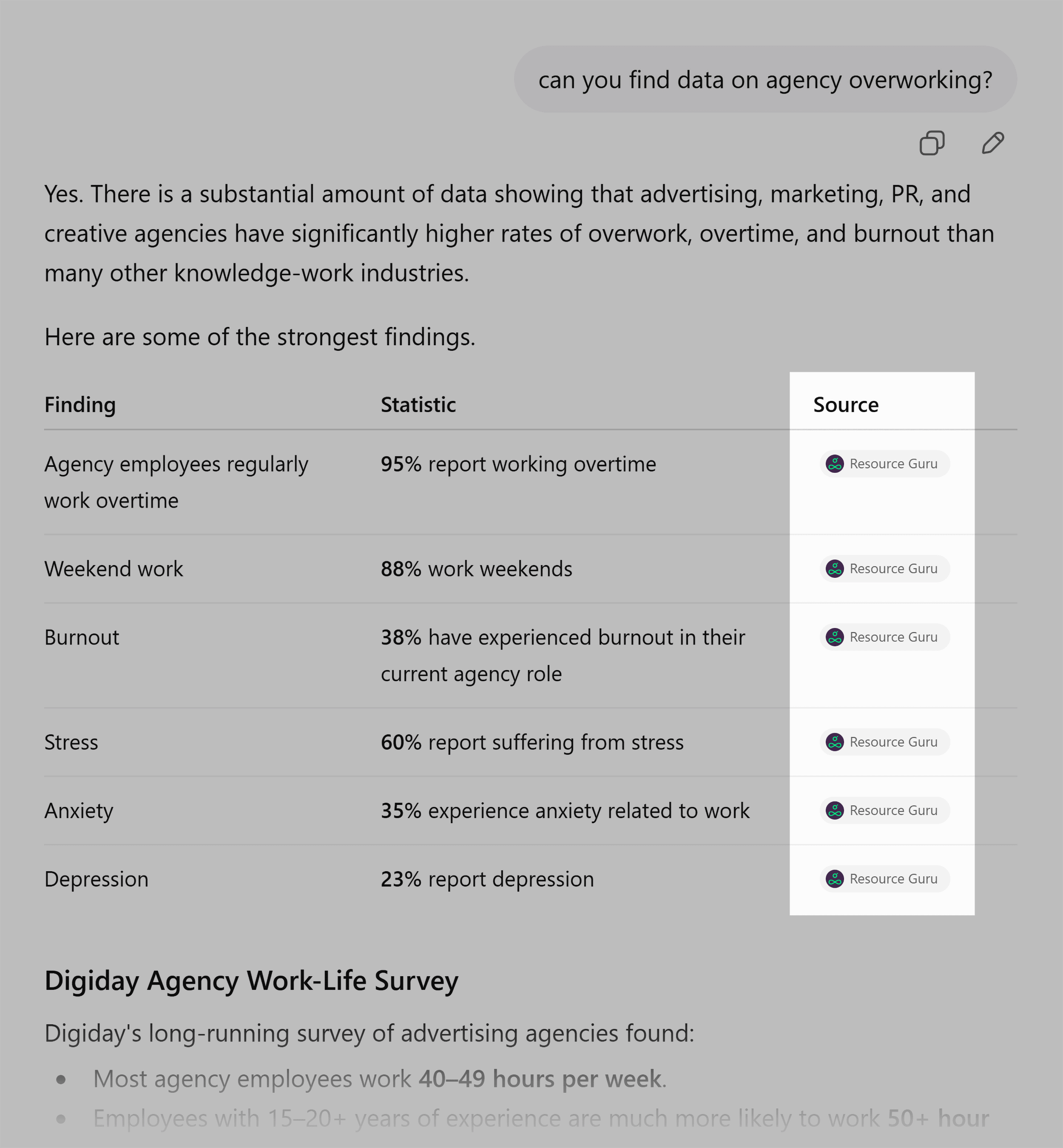
Journalists, researchers, and content creators are continuously searching for credible, fresh statistics to substantiate their reporting. When a brand publishes comprehensive original data—such as annual workplace trends, economic impact reports, or behavioral studies—other websites naturally reference and link to those findings. For instance, recent industry reports focusing on agency workloads and client-facing burnout have successfully generated numerous high-tier backlinks, including placements in major financial publications. Because these reports provide foundational data points within a specific vertical, LLMs frequently index and cite them when users prompt AI tools for industry benchmarks.
Execution Framework for Data-Led Campaigns
- Conduct proprietary surveys or analyze aggregated industry datasets to uncover unique insights.
- Publish the findings in a structured, highly visual report on the corporate website.
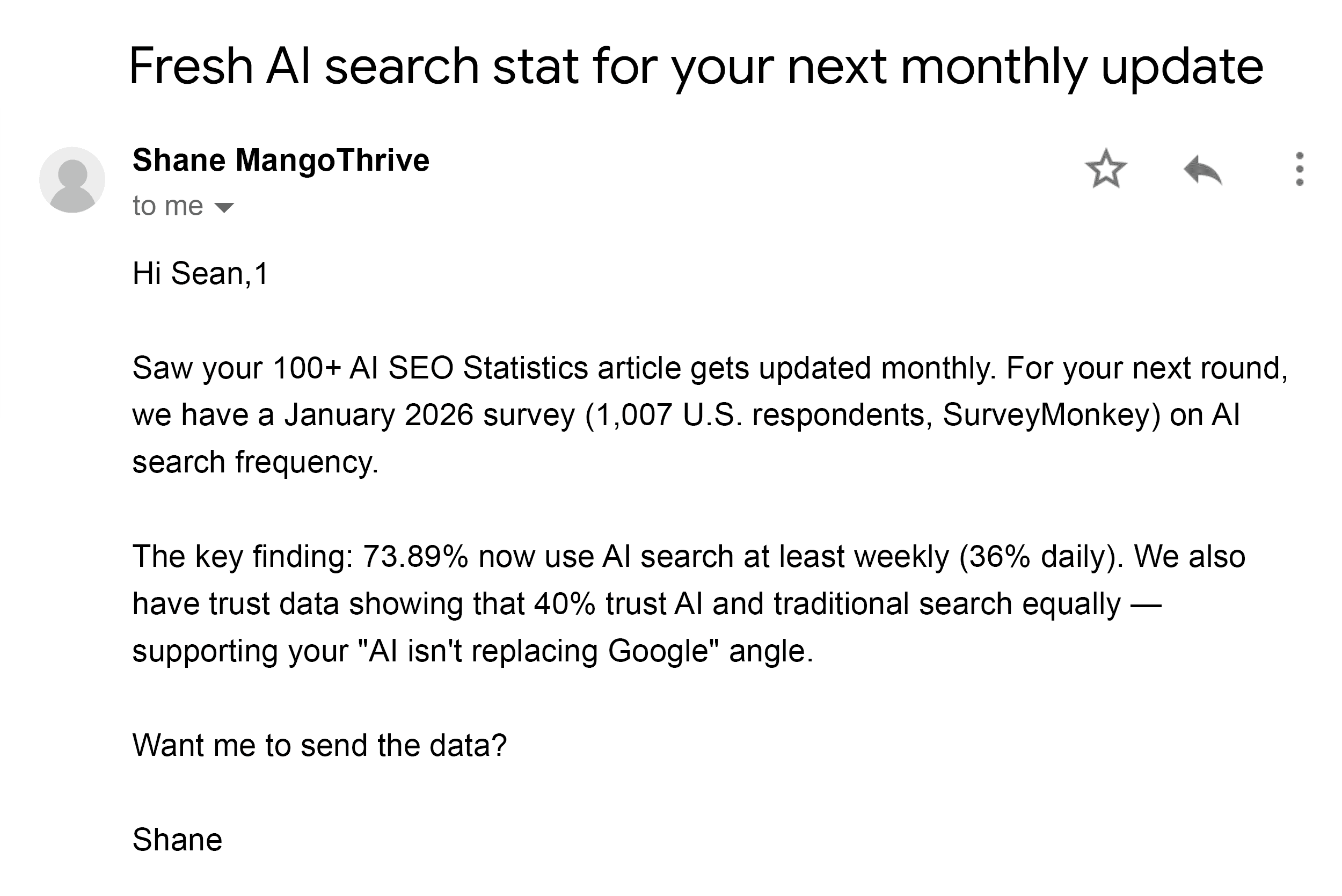
- Proactively pitch the data to journalists covering outdated statistics or seeking reliable sources for upcoming features.
- Target existing statistical roundup pages within the niche, offering fresh figures to replace obsolete data points.
Strategy Two: Strategic AI Citation Outreach and Listicle Placement
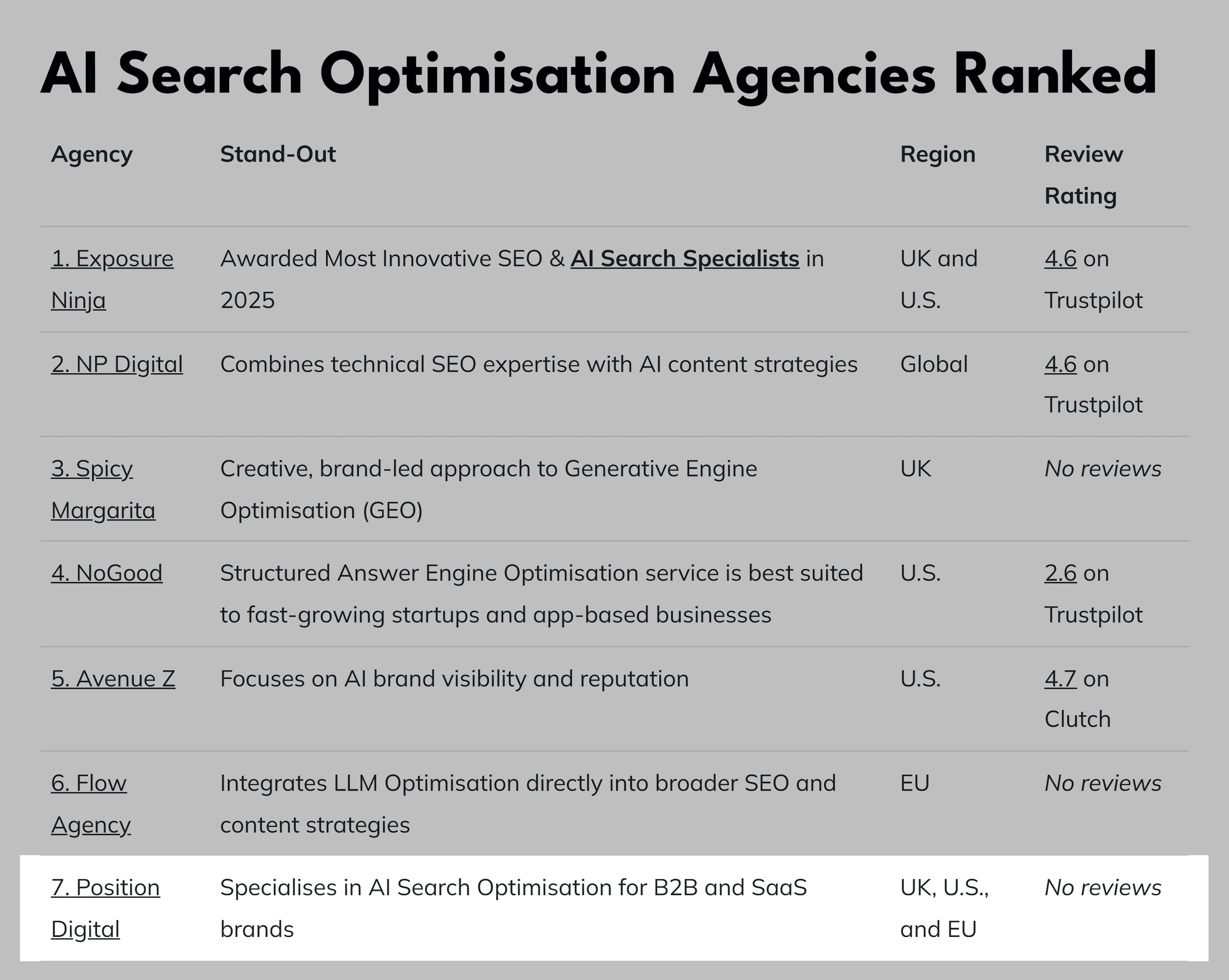
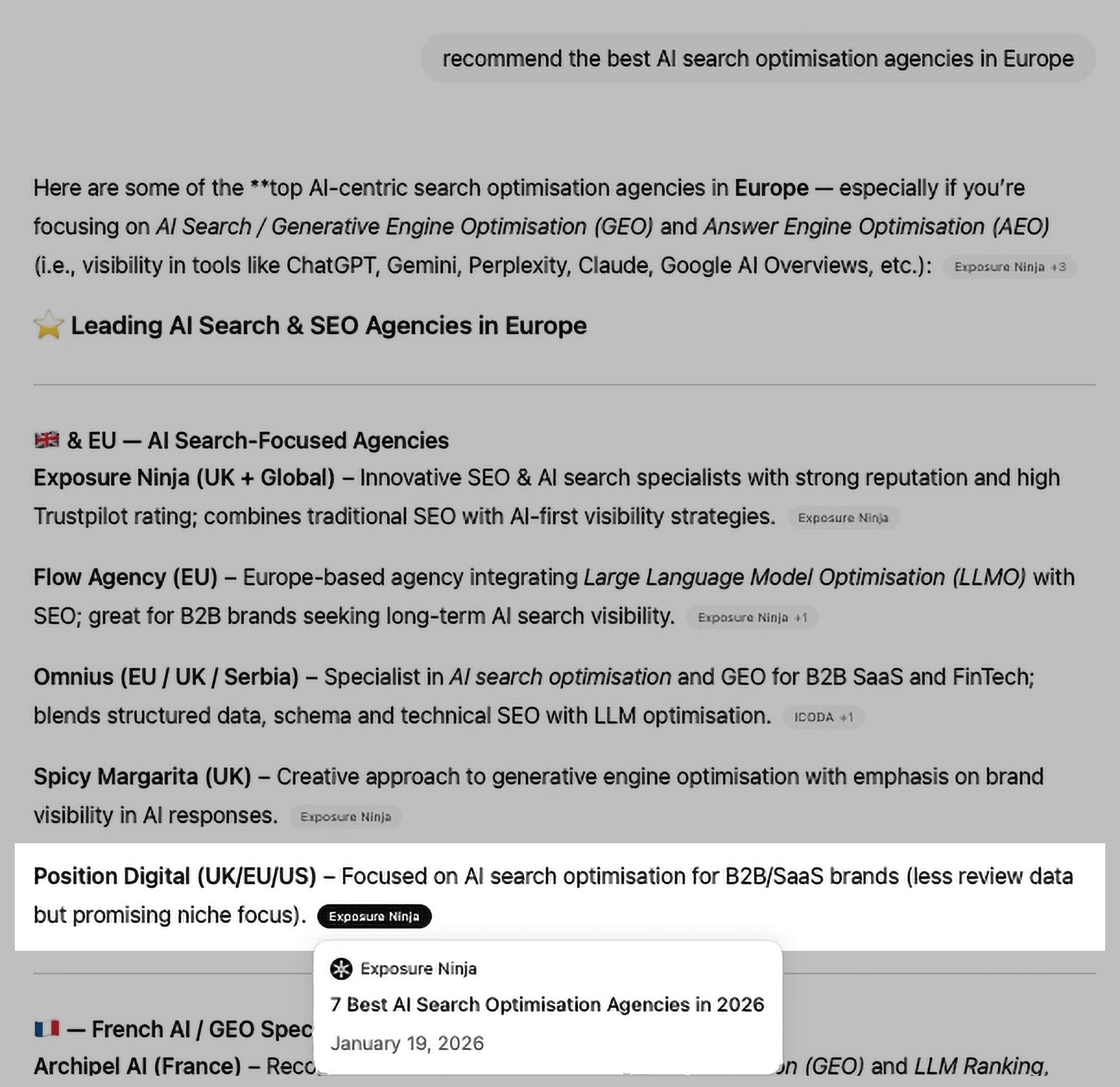
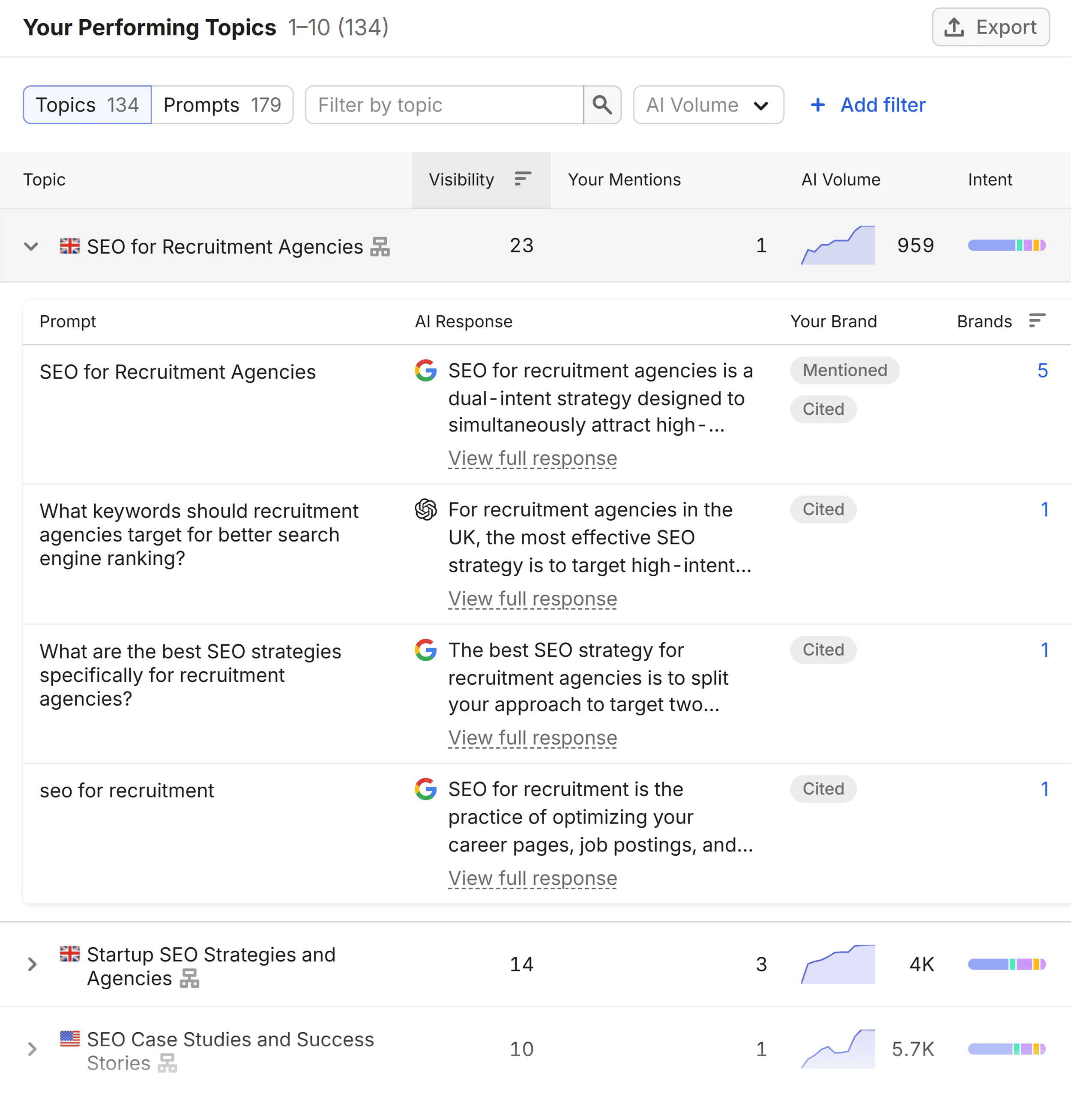
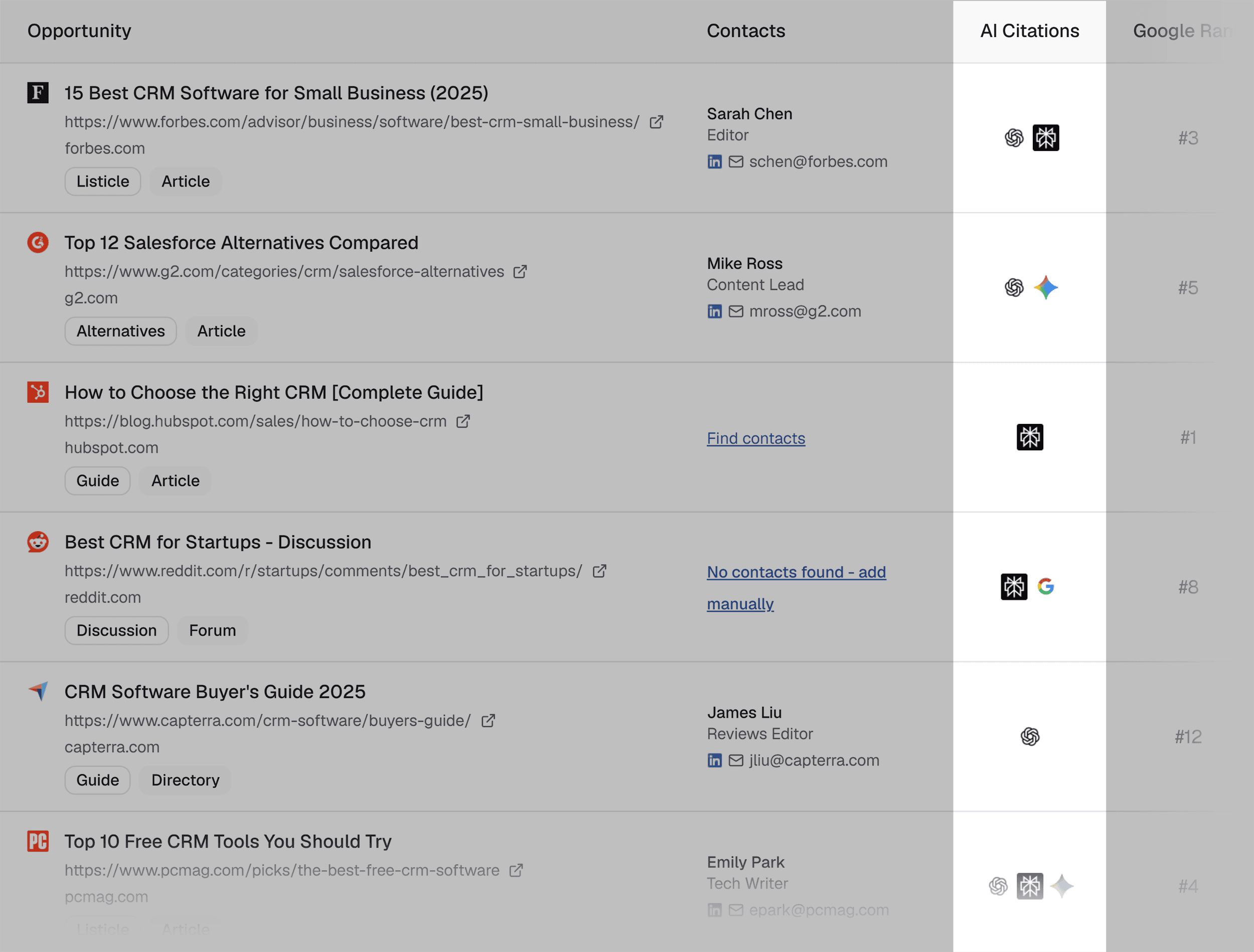
AI citation outreach involves identifying the specific third-party articles, comparison guides, and "best of" listicles that LLMs frequently reference, and actively securing brand placement within those pieces. Because different AI models exhibit distinct citation patterns, mapping out user prompts is a necessary prerequisite.
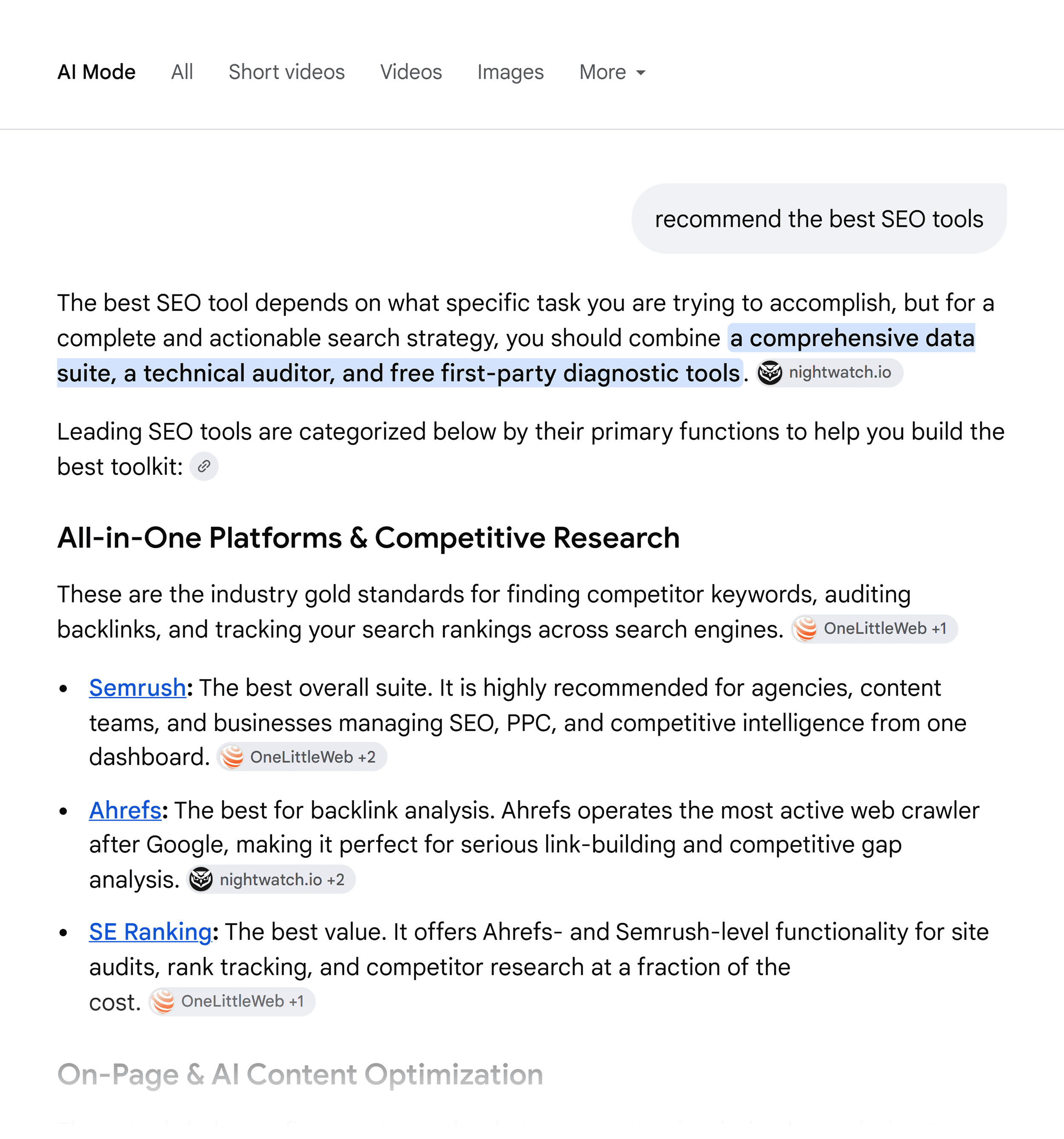
Marketers can reverse-engineer AI citation behavior by analyzing user queries gathered from sales call transcripts, Google Search Console performance reports, and long-tail keyword research. By inputting these targeted prompts into various generative search platforms, brands can identify which aggregator sites and review roundups dominate the citation landscape. Once these target pages are identified, outreach teams can pitch personalized contributions, expert commentary, or product updates to the authors, ensuring the brand is integrated into the referenced source material.
Strategy Three: Reactive PR and the Speed of News
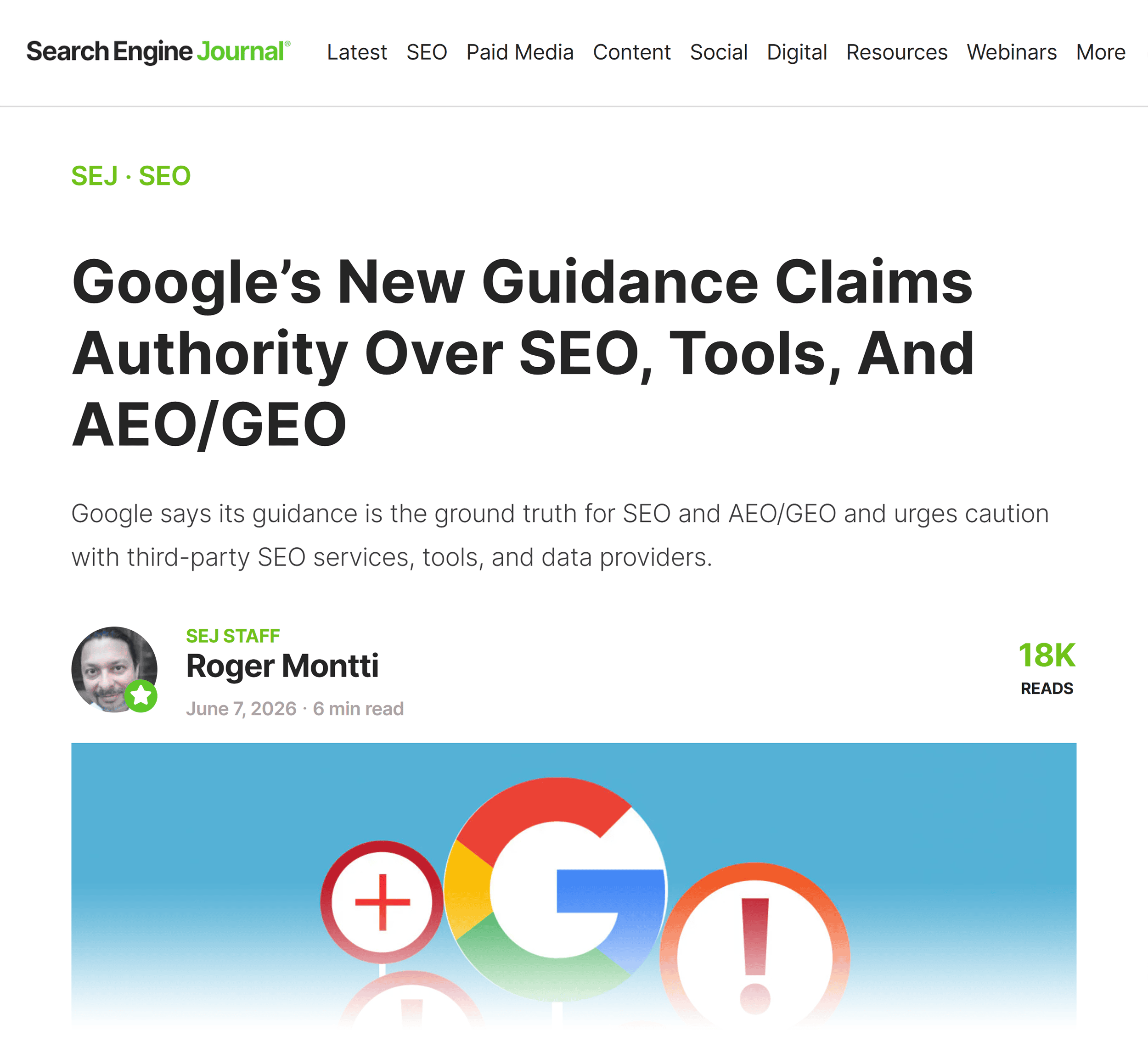
While traditional PR campaigns require weeks of meticulous planning, reactive PR demands instantaneous execution. The core advantage of reactive PR lies in capitalizing on breaking news, viral industry trends, and emerging regulatory updates before standard LLM training data can account for them.
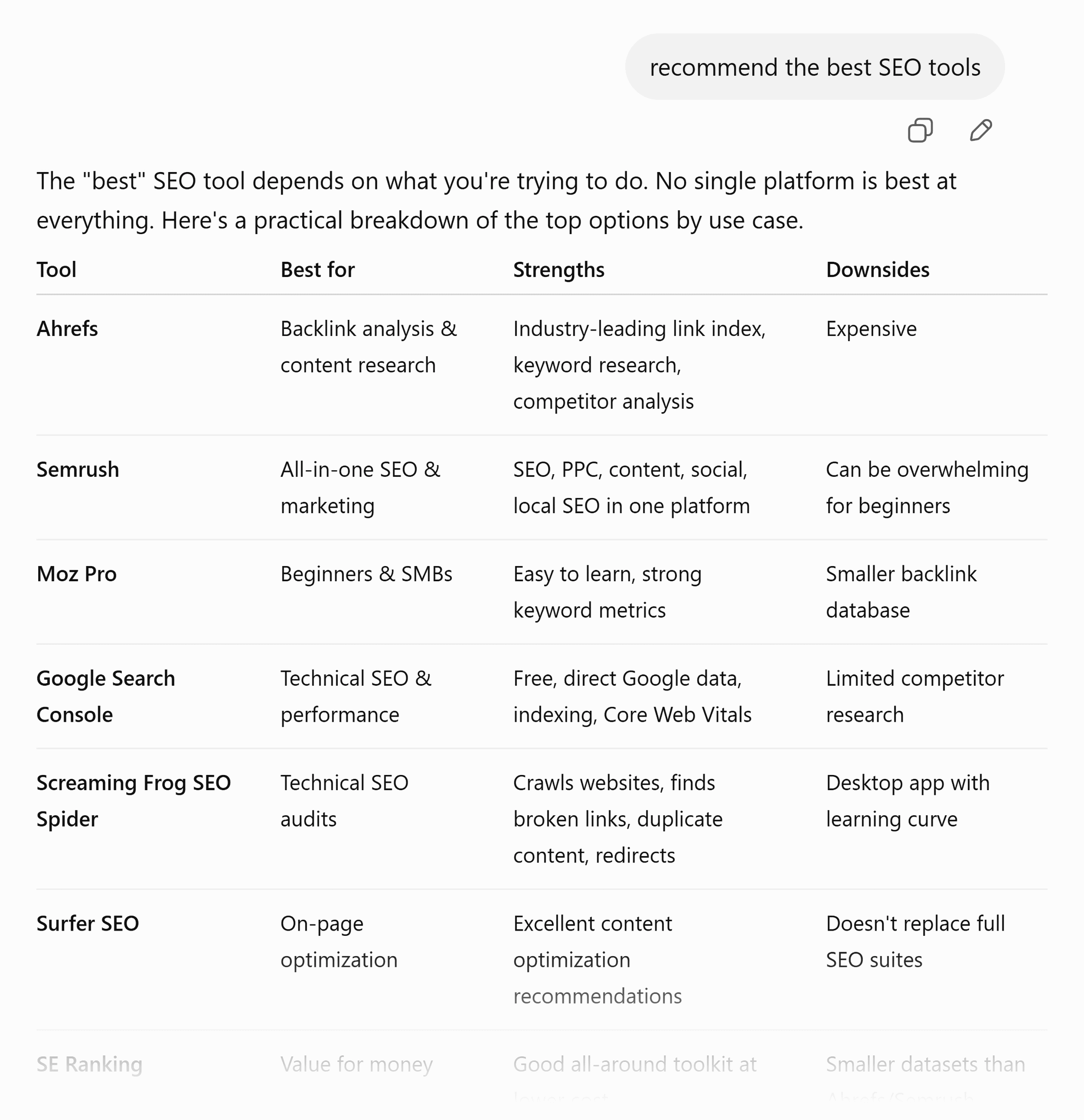
When a major development occurs within an industry, AI models face a temporary information deficit regarding the event. Because historical training data cannot cover breaking news, the algorithms are forced to crawl the live web for immediate, credible commentary. Brands that act swiftly to publish expert analysis, commentary, or primary reporting during these critical windows capture a disproportionate share of early web citations. Consequently, when users query AI systems about the breaking event, the model frequently surfaces and cites these rapid responses.
Strategy Four: Ego Bait and Expert Collaboration
Ego bait strategies involve creating content that incorporates insights, quotes, or profiles of recognized industry experts, thought leaders, and influencers. This methodology operates on two distinct levels to enhance AI visibility.
First, incorporating authoritative expert commentary significantly increases the informational quality and perceived credibility of the content. Empirical analyses of AI search results indicate that web pages featuring verified expert quotations secure a substantially higher average number of AI citations compared to content lacking external validation. Second, featuring influencers creates a natural distribution channel. When experts are quoted in a piece, they frequently share the content across their own social media networks, newsletters, and personal websites. The resulting accumulation of external links and brand mentions signals high relevance and authority to LLM crawlers.
Strategy Five: Thought Leadership via Multi-Channel Distribution
Thought leadership content is deliberately designed to challenge conventional assumptions, introduce novel frameworks, and spark industry-wide debate. Unlike standard SEO content optimized purely for transactional or informational keyword matching, thought leadership focuses on opinion-driven authority.
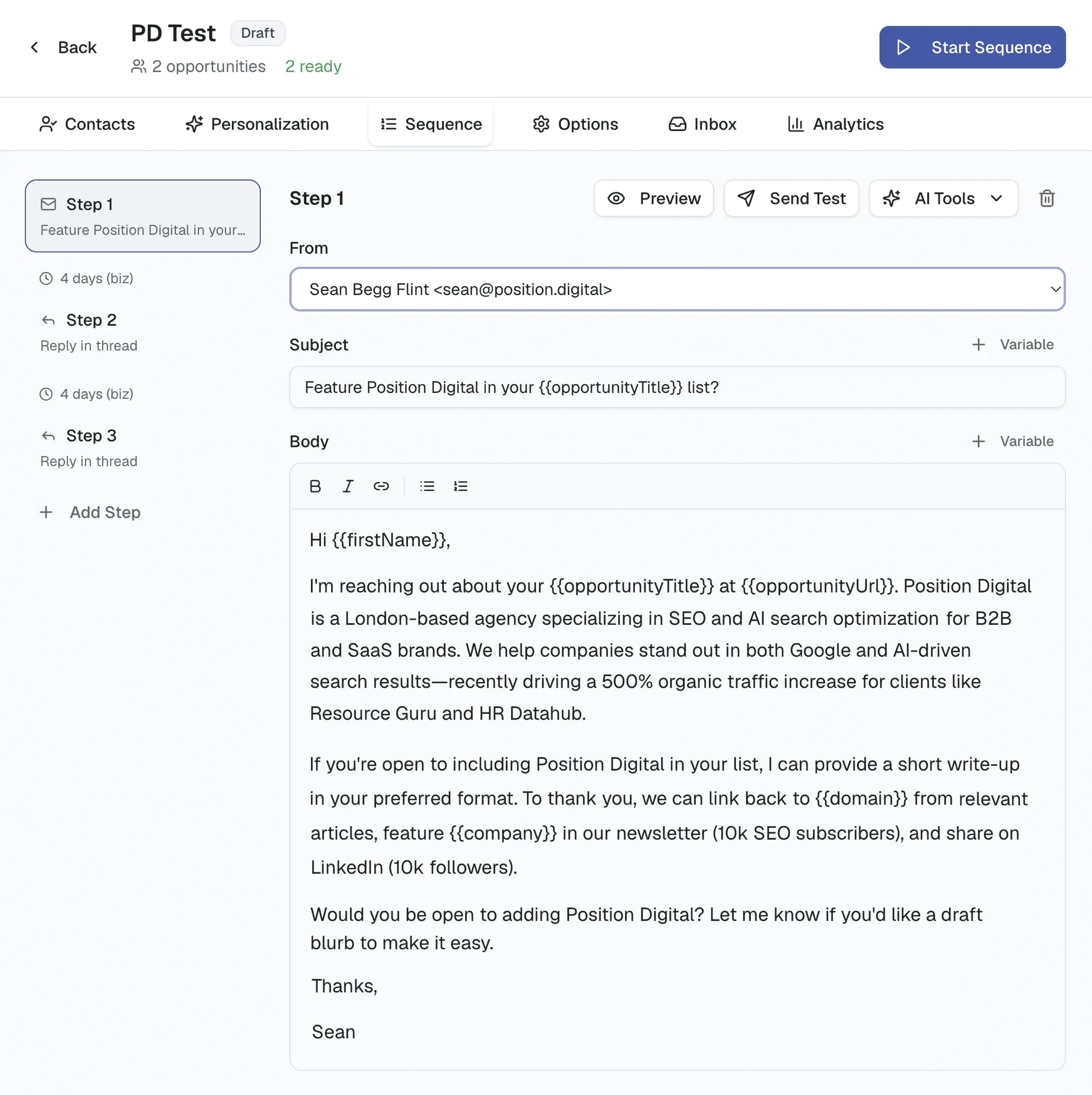
To maximize the reach of thought leadership, brands must leverage multi-channel distribution frameworks. Publishing foundational insights on a primary corporate blog and subsequently syndicating adapted variations across high-authority third-party platforms—such as industry publications, professional networking sites, and podcast appearances—creates a robust web footprint. When multiple independent domains identify a specific individual or brand as the originating voice of a prominent industry perspective, AI models recognize that consensus and elevate the brand’s visibility in generative search results.
Strategy Six: Community Building and Review Platform Optimization
Neutral, community-driven platforms hold immense sway over generative AI algorithms. LLMs frequently assign higher trustworthiness scores to organic discussions on peer-to-peer forums, Q&A sites, and customer review platforms than to corporate marketing materials.
Data comparing brand visibility across AI search engines frequently reveals that user-generated discussions on community forums outpace corporate blogs in citation frequency. Furthermore, studies analyzing review ecosystem data demonstrate a direct correlation between active profiles on third-party review sites and increased AI citation rates. Brands with established, active profiles containing authentic customer feedback are exponentially more likely to be recommended by AI assistants than those relying solely on self-hosted testimonials.
Best Practices for Community Engagement
- Participate consistently in relevant niche communities and Q&A platforms as a genuine contributor rather than an overt marketer.
- Maintain transparency regarding corporate affiliations while prioritizing objective, helpful problem-solving.
- Actively cultivate authentic customer reviews on trusted third-party rating and software review platforms.
- Syndicate condensed, high-value insights across alternative publishing ecosystems to broaden the digital footprint.
Implications for the Future of Brand Discovery
The transition from traditional search engine optimization to generative engine optimization marks a permanent evolution in digital marketing. As artificial intelligence continues to intermediate the relationship between consumers and information, brand survival depends on embracing third-party validation. By executing disciplined digital PR strategies—ranging from original research and reactive commentary to community engagement and expert collaboration—organizations can secure their position within the foundational data layer that powers the future of search.