How to Move Your Email List from Mailchimp to Flodesk Without Losing Subscribers


The email marketing landscape is undergoing a significant financial and strategic reevaluation among independent publishers, small business owners, and digital creators. For years, platforms like Mailchimp have dominated the market, offering robust automation, intricate customer relationship management (CRM) tools, and expansive template libraries. However, as these legacy platforms have scaled their pricing models—increasing costs progressively based on total subscriber counts and tiered feature sets—many digital publishers have found themselves paying for advanced functionalities they rarely utilize. This economic pressure has catalyzed a migration trend toward streamlined, flat-rate alternatives.
Among the primary beneficiaries of this industry shift is Flodesk, an email service provider that gained market traction by offering flat-rate pricing models with unlimited subscriber capacities and email sends. While Flodesk has recently announced plans to phase out its signature unlimited plans, a significant wave of creators has rushed to lock in legacy pricing structures. Transitioning an established audience from a complex ecosystem like Mailchimp to a minimalist platform like Flodesk requires careful data handling, meticulous list hygiene, and strategic domain warming to prevent deliverability disruptions.
The Economic Drivers Behind the Migration Trend
Industry analysts note that email marketing remains one of the highest-yielding digital channels, often boasting an average return on investment (ROI) exceeding $36 for every dollar spent. Yet, the cost of maintaining large lists on traditional platforms has escalated sharply. For publishers managing lists upward of 50,000 to 100,000 subscribers, monthly software expenditures can easily scale into hundreds or even thousands of dollars.

For many creators, the expansive feature sets of legacy platforms—such as predictive demographics, complex multi-branch customer journeys, and advanced e-commerce integrations—remain largely redundant. Publishers often require only core functionalities: clean typography, reliable delivery rates, intuitive drag-and-drop builders, and straightforward audience segmentation. The realization that they are paying a premium for unused software features has driven a market correction, leading publishers to seek out alternatives that prioritize aesthetic minimalism and predictable overhead costs.
Chronology of the Transition Process
Executing a seamless migration from Mailchimp to Flodesk involves a four-stage process designed to safeguard data integrity and maintain subscriber engagement metrics.
Phase 1: Data Extraction from Mailchimp
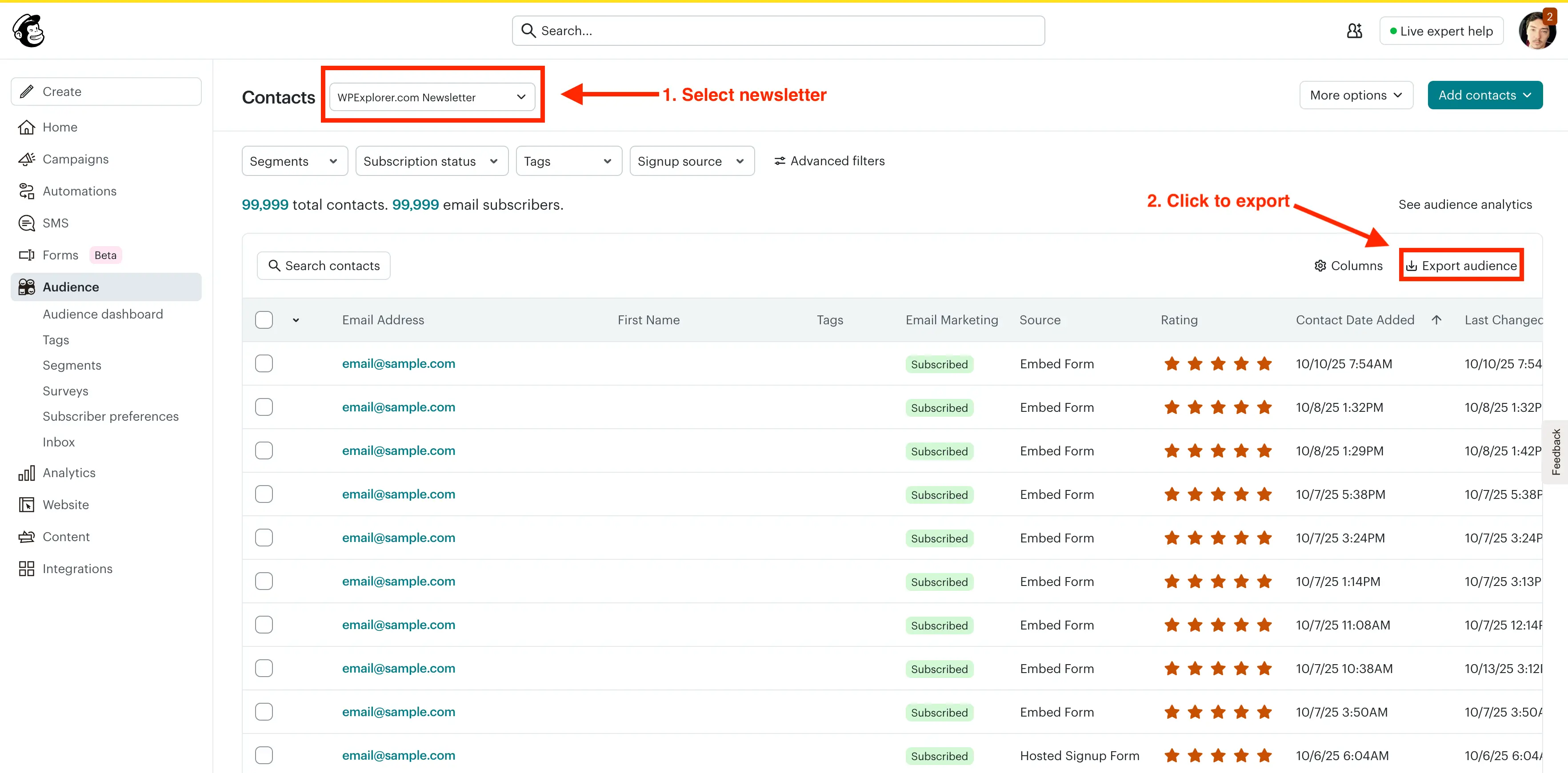
The migration sequence begins within the Mailchimp dashboard, where publishers must export their existing audience databases. Administrators access the audience overview panel, navigate to export settings, and download the comprehensive list as a ZIP file. This archive contains a primary comma-separated values (CSV) file housing core subscriber data, including email addresses, first and last names, sign-up timestamps, and engagement metrics such as Mailchimp’s proprietary Member Rating system.
Phase 2: Data Standardization and CSV Preparation
Once the export archive is extracted, digital strategists recommend examining the CSV structure before re-uploading it to a new platform. Because different email service providers utilize distinct database schemas, formatting discrepancies can occasionally lead to import errors or unassigned metadata.

By reviewing sample CSV templates provided by Flodesk, publishers can align column headers—such as email, first_name, and last_name—with the destination platform’s requirements. Mailchimp exports frequently include dozens of auxiliary columns capturing granular tracking data that Flodesk does not natively display. Publishers must decide whether to strip these extraneous fields or map them to custom data fields during the subsequent import phase.
Phase 3: Audience Segmentation in Flodesk
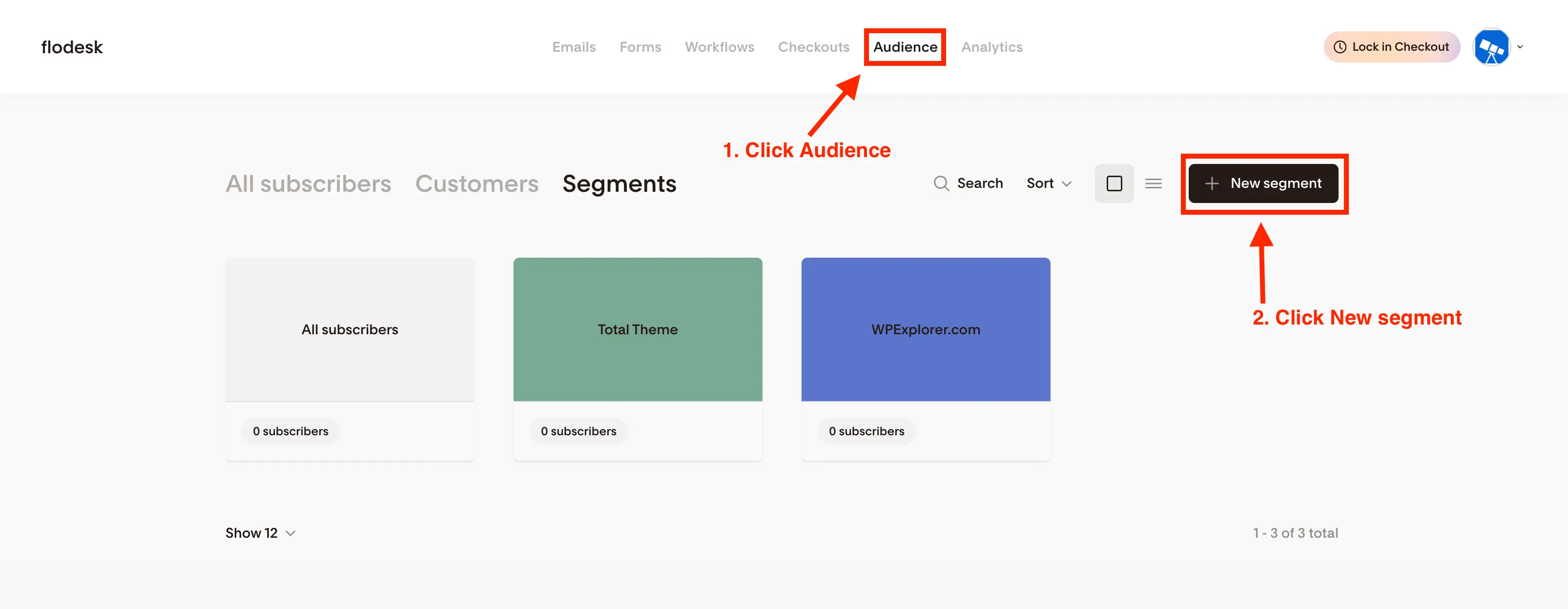
Rather than dumping an entire subscriber base into a single, monolithic directory, industry best practices dictate establishing structured segments prior to data importation. Flodesk relies on "segments" to organize contacts, functioning similarly to tags or lists in other environments.
Creating dedicated segments—such as separating customers, free newsletter subscribers, and inactive leads—allows publishers to maintain targeted communication strategies. For migrations involving a single primary audience, experts recommend creating a clearly labeled temporary segment, such as "Imported from Mailchimp – [Date]," to facilitate easy auditing and post-migration verification.
Phase 4: Contact Importation and Field Mapping
The physical transfer of data occurs within the Flodesk audience management interface. Administrators upload the prepared CSV file, initiating a field-mapping wizard. During this step, the platform prompts the user to match each column from the spreadsheet—such as subscriber email addresses and names—to the corresponding data fields within Flodesk.
Depending on server loads and the volume of data being processed, ingestion times can vary from a few minutes to several hours. Platforms typically dispatch an automated confirmation email once the import sequence concludes, enabling administrators to review the newly populated segments for completeness.
Mitigating Deliverability Risks Through Domain Warming
One of the most critical challenges publishers face when switching email service providers is maintaining sender reputation. Internet Service Providers (ISPs) such as Gmail, Yahoo, and Microsoft monitor the sending infrastructure associated with incoming mail streams. Suddenly shifting millions of emails from one platform’s IP addresses and authentication keys to another can trigger spam filters, causing legitimate newsletters to land in junk folders rather than primary inboxes.
To counteract this risk, email deliverability experts strongly advise implementing a domain-warming protocol. Domain warming involves gradually increasing the volume of emails sent through the new provider over a period of two to four weeks, allowing ISPs to recognize and trust the new sending infrastructure.
Publishers can leverage historical engagement data—such as the Member Rating metrics exported during the initial Mailchimp migration—to execute a tiered rollout. By targeting the most highly engaged subscribers first, publishers generate positive engagement signals (opens, clicks, replies, and lack of spam complaints) that establish a strong sender reputation. Once this baseline of trust is established with major ISPs, the publisher can safely scale up transmissions to include the remainder of the mailing list.
Broader Industry Implications and Future Outlook
The migration wave from legacy giants to specialized, flat-rate providers highlights a broader maturation within the creator economy. As software-as-a-service (SaaS) subscription costs compound across enterprise tech stacks, digital businesses are increasingly auditing their overhead expenses.
While enterprise-grade platforms will continue to dominate large corporate marketing departments requiring complex omnichannel automation, the mid-tier creator market is visibly gravitating toward financial predictability. Platforms that offer transparent, scalable pricing models while retaining essential design and delivery standards are capturing significant market share.
For publishers who have successfully completed the migration to flat-rate alternatives, the transition yields immediate financial relief and operational simplicity. However, industry observers emphasize that long-term success on any new platform ultimately depends on rigorous list hygiene, consistent engagement strategies, and strict adherence to deliverability best practices.
Related posts: