The Best Time to Post on LinkedIn in 2026: Insights from 4.8 Million Data Points

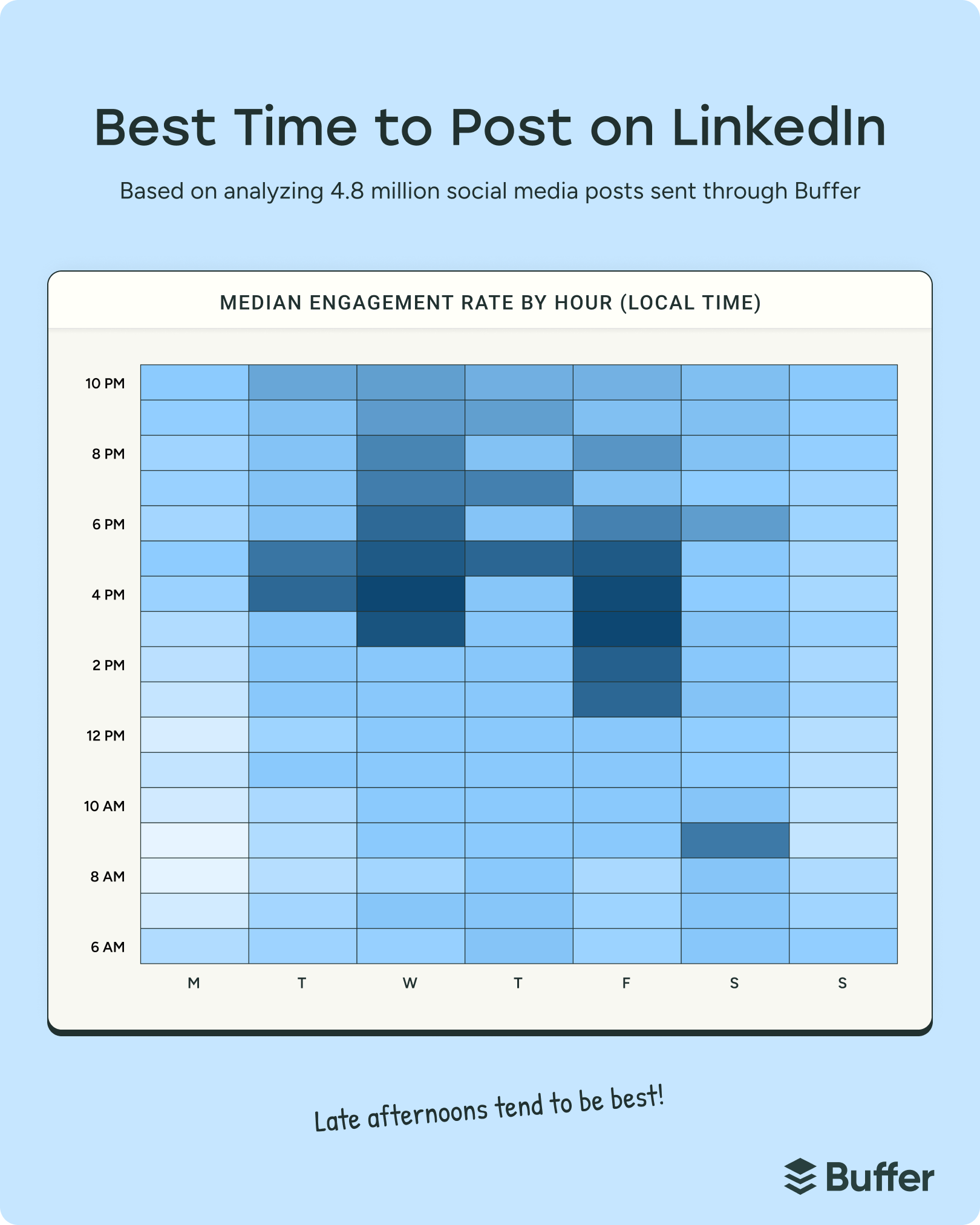
The landscape of professional networking is undergoing a seismic shift in user behavior, specifically regarding how and when content is consumed on LinkedIn. According to a comprehensive, two-year longitudinal study conducted by data scientist Julian Winternheimer for the social media management platform Buffer, the traditional "9-to-5" engagement model for professional content has officially been rendered obsolete. An analysis of 4.8 million posts reveals that peak engagement for LinkedIn content has migrated from the morning hours of the typical workday to the late afternoon and evening, specifically between 3 p.m. and 8 p.m. on weekdays.
This finding marks a stark departure from data collected as recently as 2025, when user interaction followed a rigid, productivity-aligned schedule. In previous years, engagement would plummet once the clock struck 5 p.m. The 2026 findings suggest that professionals are increasingly treating LinkedIn as an evening resource for career development, industry news, and networking, mirroring behavioral patterns historically observed on more leisure-oriented platforms like Instagram and TikTok.
Chronology of the Shift in Engagement Patterns
To understand the current state of LinkedIn engagement, it is necessary to examine the evolution of the platform’s user habits over the last 24 months.
In early 2024, data still heavily favored the morning commute and the pre-lunch hour—times when users would scan their feeds to catch up on industry updates before beginning their primary tasks. By 2025, the data showed a tightening of this window, with users largely limiting their professional interactions to active working hours. However, by the first quarter of 2026, the trend reversed. Researchers began observing a consistent rise in "after-hours" activity.
This shift is not merely statistical; it represents a psychological change in how users perceive the platform. The current data indicates that professionals are now utilizing the final hours of the day to engage with thought leadership and peer-to-peer discussions, likely as part of a post-work decompression phase. While the "midday lull" remains a period of moderate activity, it no longer serves as the primary engine for content virality or high-impact reach.
Data-Driven Posting Windows: A Breakdown by Day
The study indicates that timing is not a uniform variable across the seven-day week. Optimization of a content calendar requires an understanding of how each day’s unique rhythm affects the audience.
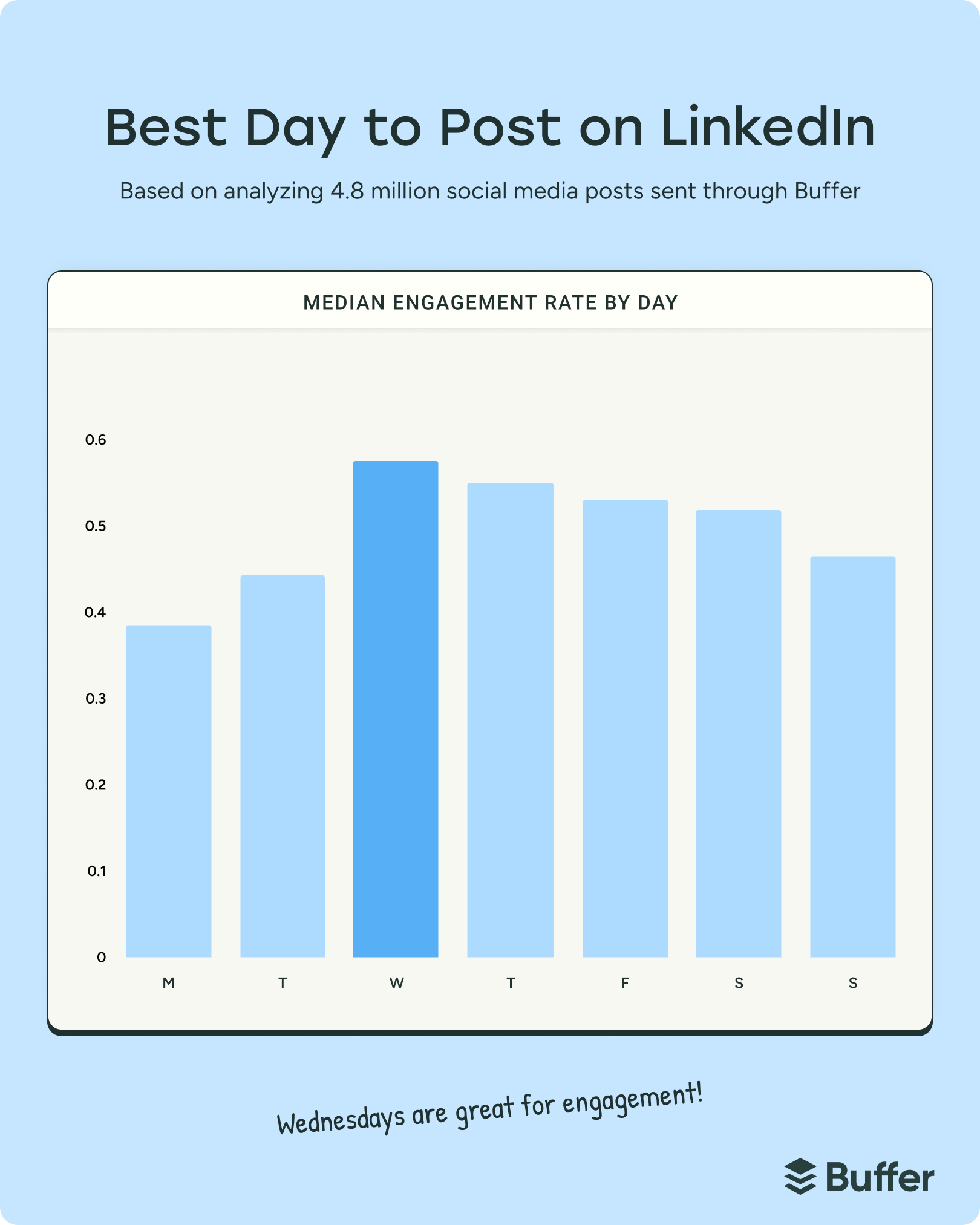
Wednesday currently holds the title for the most effective day to post, with 4 p.m. emerging as the single most powerful slot for generating high engagement. Friday follows closely behind, particularly in the 3 p.m. and 4 p.m. windows, suggesting that professionals are more receptive to industry content as they prepare for the weekend.
The distribution of optimal posting times is as follows:
- Monday: 10 p.m. (the highest peak), followed by 5 p.m. and 9 p.m.
- Tuesday: 4 p.m. (the primary peak), 5 p.m., and 10 p.m.
- Wednesday: 4 p.m. (the overall strongest slot), 3 p.m., and 5 p.m.
- Thursday: 5 p.m., 7 p.m., and 9 p.m.
- Friday: 3 p.m., 4 p.m., and 5 p.m.
- Saturday: 9 a.m. (the outlier morning peak), 6 p.m., and 10 p.m.
- Sunday: 10 p.m., 9 p.m., and 6 a.m.
A crucial aspect of this data is that it has been normalized by local time zone. When the data suggests a 4 p.m. optimal time, it refers to 4 p.m. in the user’s local geography, eliminating the need for complex conversions or international scheduling errors.
The Algorithm and the "Golden Hour"
The LinkedIn algorithm prioritizes content based on immediate engagement signals, including reactions, comments, and shares. This is where the concept of the "Golden Hour" becomes relevant. While not an official metric confirmed by LinkedIn, it is a widely accepted industry term for the period immediately following publication.
During this time, the velocity of engagement acts as a signal to the platform’s automated systems. If a post receives rapid, high-quality interactions, the algorithm categorizes the content as "valuable," subsequently expanding its reach to a broader audience. By aligning posting schedules with the identified high-traffic windows of 3 p.m. to 8 p.m., creators and brands effectively maximize their chances of securing that initial, crucial engagement spike.
Comparative Analysis: Why Evenings Outperform Mornings
The movement of engagement toward evening hours has raised questions regarding the nature of this interaction. Unlike the quick, passive scrolling often associated with morning check-ins, the data suggests that evening engagement is more deliberate.
Industry analysts posit that this transition is linked to the "second shift" of the modern professional—a time when they are no longer tethered to the urgent tasks of their daily responsibilities. This provides the mental bandwidth to consume long-form thought leadership, contribute to meaningful comment sections, and engage with professional networking requests. Consequently, the content published during these hours often receives higher-quality, more thoughtful responses than those posted in the rushed hours of the early morning.
The Role of Content Format in Engagement
While timing is a primary factor, the study highlights that it cannot compensate for poor content quality. The research notes that the format of the content plays a decisive role in how engagement is sustained. Specifically, document or "carousel" posts—where users click through multiple pages of content—have shown an ability to generate up to 596% more engagement than text-only updates.
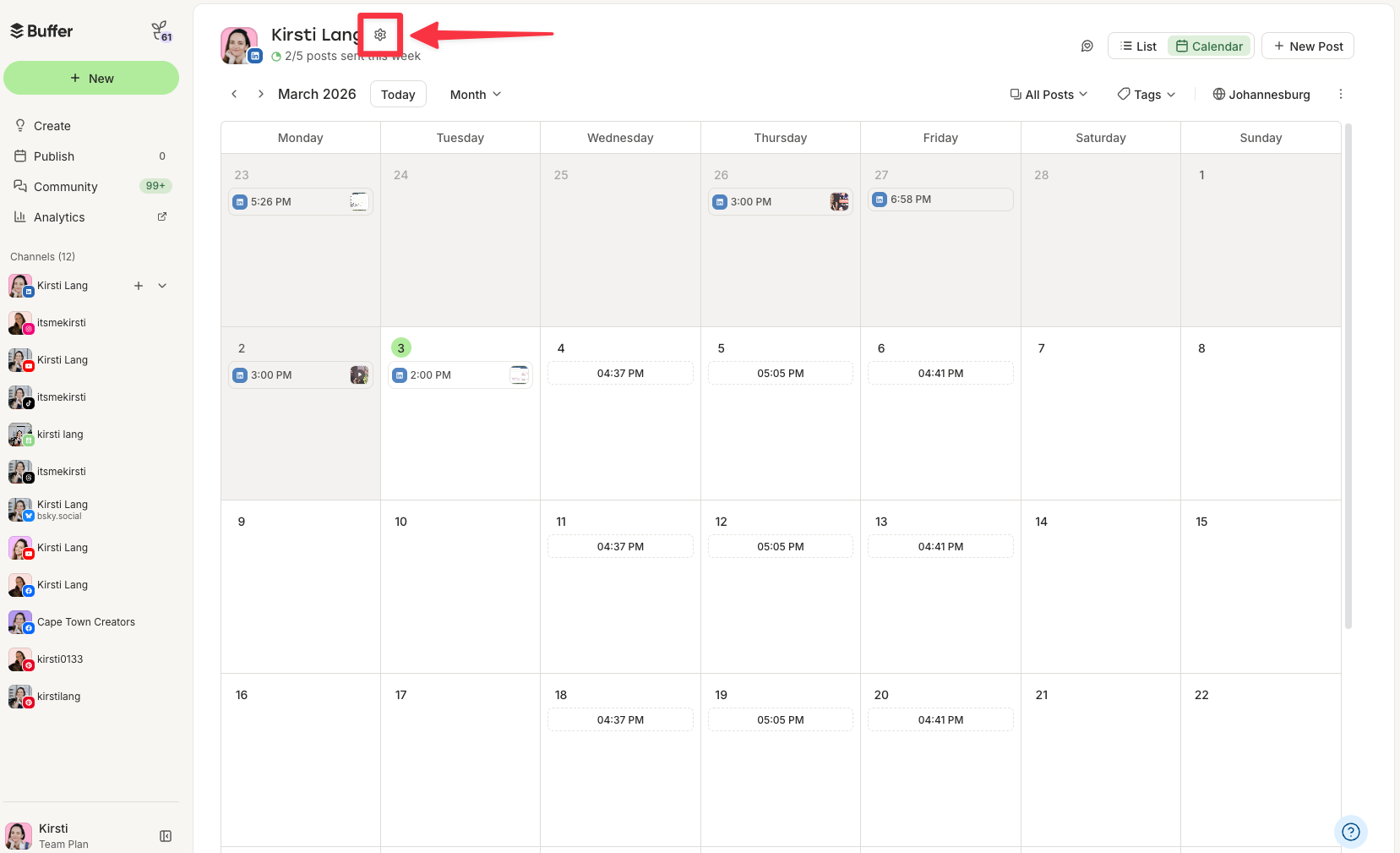
The strategy for success in 2026, therefore, is a dual-track approach: first, utilizing the 3 p.m. to 8 p.m. window to ensure the content is served when the audience is most active, and second, ensuring the content is formatted to facilitate deep engagement rather than superficial likes.
Limitations and Strategic Recommendations
Despite the clarity of the 4.8-million-post dataset, experts emphasize that these figures serve as a baseline rather than a universal law. Every professional niche—from software engineering to executive leadership to creative services—maintains its own internal tempo.
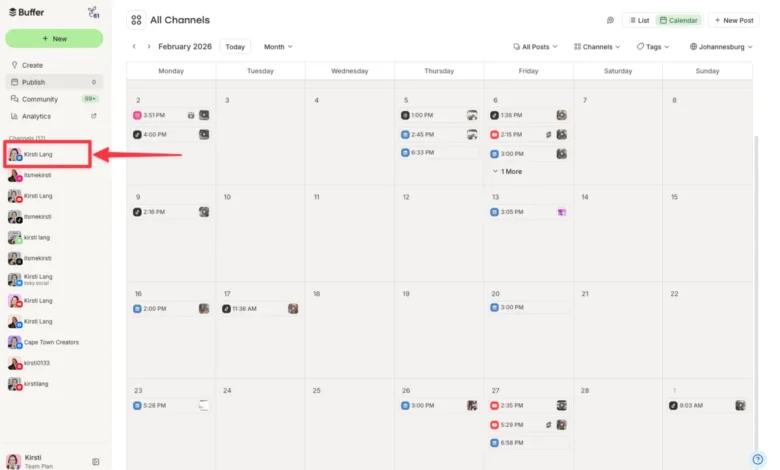
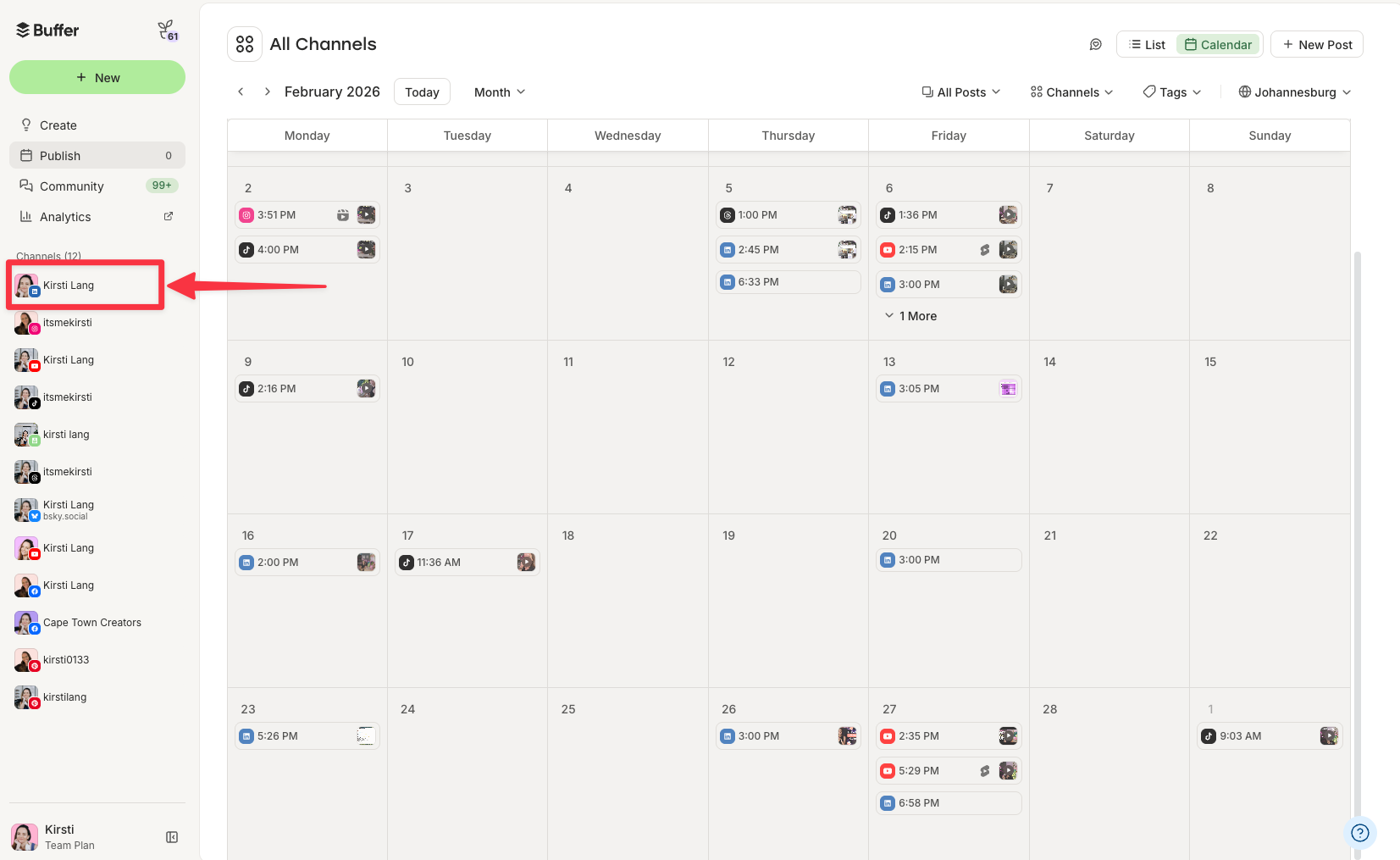
For brands and individuals, the most effective strategy involves using this data as a starting point for A/B testing. By monitoring performance metrics over a four-week cycle, creators can refine their specific posting schedule. For those managing multiple accounts or high-volume content calendars, automated scheduling tools are recommended to ensure that content is delivered at the exact moment of peak audience readiness.
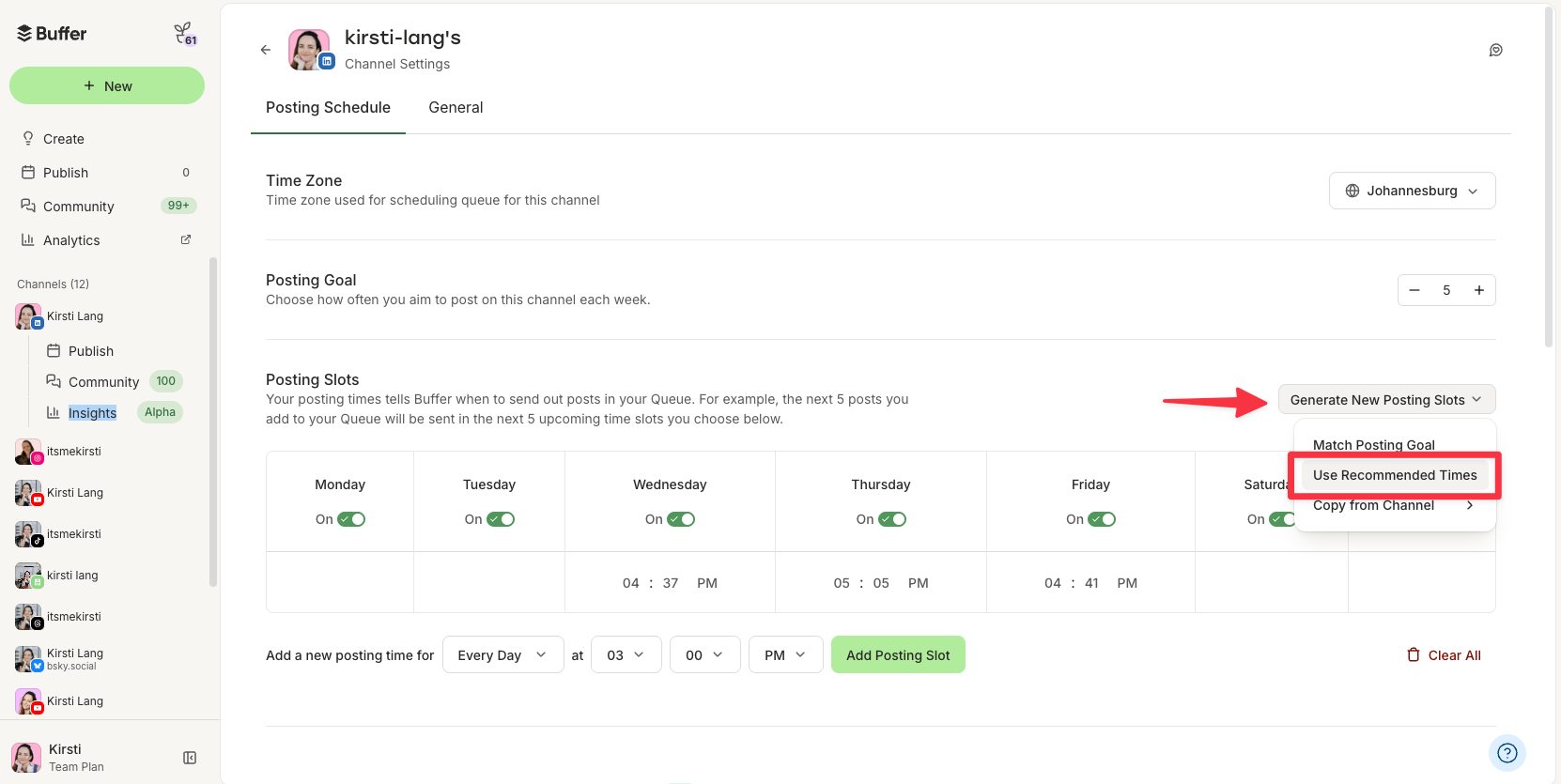
Furthermore, users should be aware that the "worst" times to post remain early in the work week—specifically Monday and Tuesday mornings—and the early morning hours throughout the week. Content buried in the feed during these times faces a higher likelihood of being overlooked as the workday intensifies.
Implications for Future LinkedIn Marketing
The shift toward evening engagement reflects a maturing LinkedIn ecosystem. As the platform moves away from being a mere digital resume repository toward becoming a primary hub for professional community and knowledge sharing, the timing of content delivery must evolve.
For organizations, the implication is clear: the traditional "Monday morning company update" may no longer be the most efficient use of social media resources. Instead, shifting the focus to mid-week, late-afternoon content delivery could yield significantly higher dividends in terms of reach and influence. As we look toward the remainder of 2026, the success of professional communication will likely be defined by the ability of brands to meet their audience during their most reflective, rather than their most productive, hours.