FIFA World Cup 2026 Final to Feature Star-Studded Super Bowl Style Halftime Show as Spain Faces Argentina in New York New Jersey Stadium

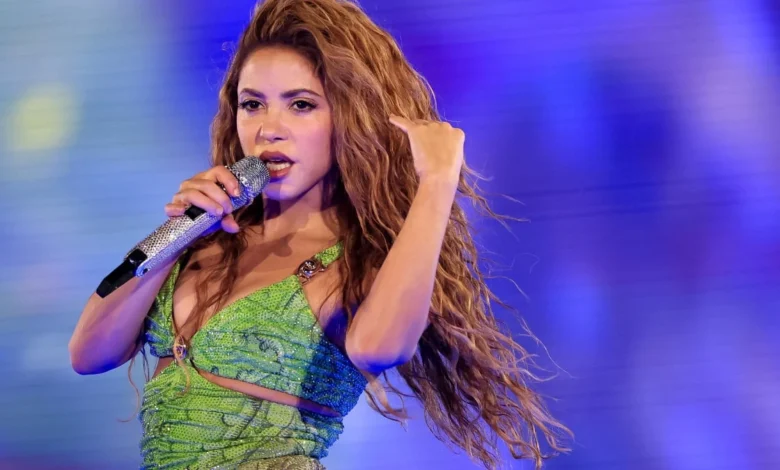
FIFA World Cup 2026 Final to Feature Star-Studded Super Bowl Style Halftime Show as Spain Faces Argentina in New York New Jersey Stadium marks a historic shift in the landscape of international football, as the organization prepares to blend the world’s most-watched sporting event with a high-octane musical spectacle. For the first time in the tournament’s nearly century-long history, the final match will include a "Super Bowl-style" halftime show, featuring an expansive roster of global superstars designed to capture a massive multi-generational and multi-national audience. The performance, scheduled for Sunday, July 19, at the New York New Jersey Stadium, will see pop icon Justin Bieber, K-pop sensation BTS, the legendary Madonna, and "Queen of the World Cup" Shakira take the stage as headliners.
The announcement signals a departure from traditional soccer protocols, which historically prioritize the flow of the game and player recovery over mid-match entertainment. However, under the curation of Coldplay frontman Chris Martin, the show aims to transcend standard concert formats. The lineup is further bolstered by performances from Afrobeats star Burna Boy, acclaimed conductor Gustavo Dudamel leading an orchestral segment, and the PS22 Chorus performing alongside Coldplay. In a move to appeal to families and younger viewers, the production will also feature iconic characters from Sesame Street and The Muppets, creating a surreal and dense tapestry of entertainment during the interval of the clash between Spain and Argentina.
Logistical Scheduling and the Timing of the Spectacle
The World Cup final is scheduled to kick off at 3 p.m. ET. Unlike the NFL’s Super Bowl, where the clock is frequently paused and the timing of the halftime break can be predicted with near-mathematical precision, soccer operates on a continuous clock. The first half consists of 45 minutes of regulation time, but the inclusion of "stoppage time"—minutes added by the referee to compensate for injuries, substitutions, and goal celebrations—means the exact start of the halftime show remains fluid.
Current projections suggest the halftime show will begin between 3:45 p.m. and 3:50 p.m. ET. FIFA, in collaboration with Global Citizen, has refrained from providing a minute-by-minute itinerary, advising fans that anyone wishing to see the musical opening should be tuned in well before 3:45 p.m. to avoid missing the start due to a shorter-than-expected first half. While the musical performance itself is slated to last approximately 11 minutes, the logistical requirements of the event are expected to significantly extend the traditional 15-minute interval. Reports indicate that broadcasting partners are preparing for a break that could last up to 30 minutes to accommodate the rapid construction and dismantling of a massive, pitch-integrated stage.
A Convergence of Global Pop Culture
The curation of the 2026 halftime show reflects a strategic effort to represent the diverse regions participating in the tournament. Shakira, who has performed at three previous World Cups (2006, 2010, and 2014), brings a seasoned connection to the sport’s fan base. Her 2010 anthem "Waka Waka (This Time for Africa)" remains the most-watched World Cup-related video in history, making her an essential anchor for this new format.
The inclusion of BTS highlights FIFA’s intent to tap into the "Hallyu" or Korean Wave, ensuring massive viewership from the Asian market and the group’s dedicated global "ARMY" fan base. Madonna’s presence adds a layer of pop royalty and American cultural legacy, while Justin Bieber provides a bridge to the North American youth demographic. By integrating Burna Boy and Gustavo Dudamel, the show also pays homage to the musical traditions of Africa and South America, respectively.
Chris Martin’s role as curator is not merely artistic but also humanitarian. The show is intrinsically linked to the FIFA Global Citizen Education Fund, a charitable initiative aimed at raising $100 million to improve access to education and sports programs for children in underserved communities. FIFA has confirmed that over $50 million has already been secured, bolstered by a policy where $1 from every ticket sold for the 2026 tournament is funneled directly into the fund.
Regulatory Tensions and Player Welfare Concerns
The decision to extend the halftime break has not been met with universal acclaim. The International Football Association Board (IFAB), the body responsible for the "Laws of the Game," has long maintained a strict 15-minute limit on halftime intervals. In 2021, a proposal to extend the break to 25 minutes was formally rejected by the IFAB. The board cited significant concerns regarding player welfare, noting that a prolonged period of inactivity mid-match could lead to muscle cooling and an increased risk of injury when players return for the second half.
Sports scientists and traditionalists alike have voiced opposition, arguing that the physiological needs of the athletes should take precedence over commercial entertainment. In a high-stakes final between two elite teams like Spain and Argentina, the physical condition of the players is paramount. Critics argue that a 30-minute break transforms the match from a test of endurance and tactical continuity into two separate mini-games, potentially altering the competitive integrity of the final.
Furthermore, many fans have taken to social media to express frustration over what they perceive as the "Americanization" of the World Cup. The introduction of Super Bowl-style elements, including the potential for increased commercial ad breaks and "hydration breaks" that double as advertising windows, is seen by some as an affront to the sport’s heritage. The fear is that the game itself is being relegated to a secondary role, serving as a backdrop for a massive television and marketing machine.
Broadcasting and Global Accessibility
Despite the internal debates within the football community, the 2026 final is expected to shatter broadcasting records. In the United States, English-language coverage will be handled by Fox, which has planned an extensive three-hour pregame show starting at noon ET. Fans can also stream the event via the Fox Sports app and Fox One.
For the Spanish-language audience, Telemundo will provide comprehensive coverage, with streaming available on Peacock. Subscribers to Peacock Premium and Premium Plus will have access to all 104 matches of the tournament live, including the final and the halftime performance. Given that Argentina—a Spanish-speaking nation with a massive global following—is one of the finalists, the Spanish-language broadcast is expected to draw unprecedented numbers in North and South America.
To ensure global reach, FIFA has also emphasized the use of VPN services and international streaming partners to allow fans in regions without direct broadcast rights to participate in the event. This digital-first approach is part of a broader strategy to modernize FIFA’s brand and maximize the visibility of its sponsors and the Global Citizen initiative.
The Venue: New York New Jersey Stadium
The selection of the New York New Jersey Stadium (MetLife Stadium) as the host for this inaugural halftime spectacle is no coincidence. Located in East Rutherford, New Jersey, just outside New York City, the stadium has a capacity of over 82,000 and is no stranger to massive entertainment events, having hosted Super Bowl XLVIII and countless international concert tours.
The stadium’s infrastructure is uniquely suited for the rapid-response logistics required for a halftime show. However, the transition from a grass pitch to a stage-ready surface and back again in a matter of minutes remains a daunting task for groundskeepers. FIFA officials have reportedly been working with stage engineers for months to develop a lightweight, modular stage system that minimizes impact on the playing surface, ensuring that the pitch remains in pristine condition for the second half of the Spain-Argentina match.
Broader Impact and the Future of the World Cup
The 2026 World Cup final serves as a litmus test for the future of international sports broadcasting. If the halftime show is deemed a commercial and viewership success, it could become a permanent fixture of future World Cups, potentially expanding to the opening match or semi-finals.
The financial implications are vast. By creating a dedicated entertainment window, FIFA opens up new tiers of sponsorship and advertising revenue that were previously unavailable during the continuous play of a soccer match. This "entertainment-first" model mirrors the evolution of the NBA and NFL, where the event is marketed as a cultural "happening" rather than just a sporting contest.
However, the success of this experiment will ultimately be judged by the fans and the players. If the extended break leads to a disjointed second half or if the musical performance is seen as a distraction from the drama on the pitch, FIFA may face a backlash that could force a return to tradition. For now, the world waits to see if the combination of Messi’s potential successors, Spain’s tactical brilliance, and the star power of Justin Bieber and BTS can create a cohesive and historic global event.
As Sunday, July 19 approaches, the focus remains divided between the tactical preparations of the Spanish and Argentine squads and the technical rehearsals of the world’s biggest pop stars. Whether this hybrid model represents the pinnacle of sports entertainment or a step too far into commercialism, it undeniably marks the beginning of a new era for the FIFA World Cup.