Amazon Prime Expands Membership Value with Enhanced BP Fuel Discounts and Limited Time Fuel Up Friday Promotion

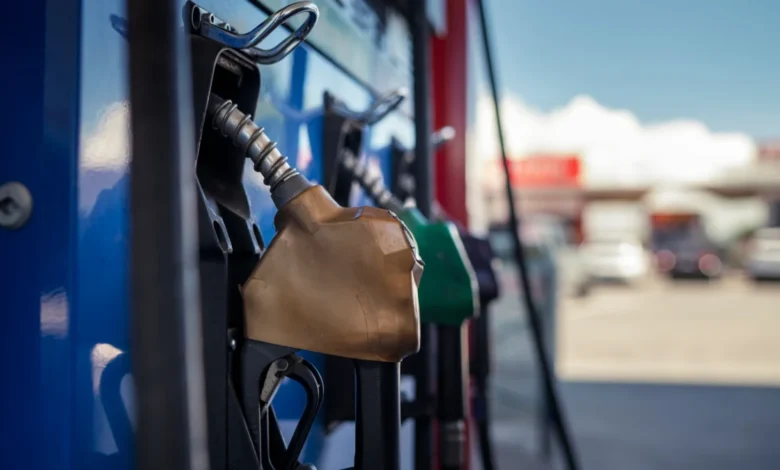
Amazon has significantly expanded its suite of membership benefits by formalizing a strategic partnership with BP to provide consistent fuel savings for its Prime subscribers. Under the newly integrated program, Amazon Prime members are eligible for a continuous discount of 10 cents per gallon at participating BP, Amoco, ampm, and Thorntons stations across the United States. To further incentivize the program during the spring season, Amazon has launched a "Fuel Up Friday" promotion, which doubles the savings to 20 cents per gallon every Friday through May 29. This initiative marks a major shift in Amazon’s value proposition, moving beyond digital entertainment and expedited shipping into the essential commodities sector to alleviate the rising cost of living for its domestic user base.
The integration of fuel benefits into the Prime ecosystem is facilitated through BP’s "earnify" loyalty platform. To access the savings, members must link their Amazon account to a free earnify account. Once the accounts are synchronized, the discount is applied automatically at the pump. A notable feature of this collaboration is the emphasis on user convenience; customers are not required to open a mobile application during the refueling process. Instead, they can simply enter their registered phone number at the pump terminal to trigger the price reduction. This streamlined approach is designed to reduce friction and encourage frequent use among a demographic that increasingly prioritizes time-saving technology.
The Strategic Evolution of Amazon Prime Benefits
The introduction of fuel discounts represents the latest chapter in the evolution of Amazon Prime, which launched in 2005 as a simple $79-per-year expedited shipping service. Over the past two decades, the program has transformed into a comprehensive lifestyle subscription. The inclusion of fuel perks follows other recent expansions into essential services, such as the Amazon Pharmacy "RxPass," which offers unlimited access to eligible generic medications for a flat monthly fee, and the inclusion of Grubhub+ memberships for Prime users.
Industry analysts suggest that Amazon’s move into the fuel sector is a direct response to the competitive pressure exerted by big-box retailers like Walmart and Costco. Walmart+, Amazon’s primary competitor in the subscription space, has long offered a 10-cent-per-gallon discount at Exxon and Mobil stations. By matching this offer and temporarily doubling it on Fridays, Amazon is positioning itself to capture a larger share of the "wallet" of suburban and rural commuters who may have previously viewed Prime primarily as an e-commerce tool rather than a daily utility.
Detailed Chronology of the Fuel Discount Rollout
The partnership between Amazon and BP did not emerge in a vacuum but is the result of a multi-phased rollout of loyalty integrations.
- Initial Partnership Discussions (Late 2023): Amazon and BP began exploring technical integrations to link their respective customer databases, focusing on how to provide a seamless "one-click" style experience at physical gas stations.
- The Launch of "earnify" (Early 2024): BP rebranded its BPme rewards program to "earnify," creating a more robust digital infrastructure capable of handling third-party integrations like Amazon Prime.
- Standard Discount Implementation (March 2024): The 10-cent-per-gallon benefit was quietly introduced to select regions to test the synchronization between Amazon’s API and BP’s point-of-sale systems.
- Fuel Up Friday Promotion (May 2024): Recognizing the surge in travel during the weeks leading up to Memorial Day, Amazon launched the 20-cent-per-gallon Friday promotion. This limited-time offer is scheduled to run through May 29, covering the peak of the spring travel season.
- Program Evaluation (Post-May 2024): Following the conclusion of the double-discount promotion, Amazon is expected to analyze data on pump-to-store conversion rates to determine the long-term viability of additional seasonal surges.
Economic Context and Supporting Data
The timing of this promotion is critical, as American consumers continue to grapple with volatile energy prices. According to data from the American Automobile Association (AAA), the national average for regular unleaded gasoline has seen significant fluctuations throughout the first half of the year, with some regions in the Southeast and West Coast seeing prices exceed $4.00 per gallon.
For a Prime member driving a standard pickup truck or a large SUV—vehicles that often have fuel tanks ranging from 24 to 36 gallons—a 20-cent-per-gallon discount can result in savings of $4.80 to $7.20 per fill-up. If a member utilizes the "Fuel Up Friday" deal consistently, the monthly savings can offset a substantial portion of the monthly Prime membership fee, which currently stands at $14.99 (or $139 annually).
Furthermore, data from the U.S. Energy Information Administration (EIA) indicates that the average American household spends approximately $2,000 to $3,000 annually on gasoline. A consistent 10-cent discount translates to an approximate 2.5% to 3% reduction in annual fuel expenditures, a figure that doubles during the Friday promotional windows. For Amazon, these savings serve as a powerful retention tool in an era where "subscription fatigue" is causing many consumers to evaluate the necessity of their recurring monthly payments.
Technical Integration and Privacy Considerations
The "earnify" system functions as the bridge between Amazon’s digital cloud and the physical hardware at the gas station. When a user links their accounts, Amazon shares a unique identifier with BP’s earnify system. This allows the pump’s computer to recognize the user’s phone number as a valid Prime-linked account.
From a data perspective, this partnership provides both companies with valuable insights into consumer behavior. Amazon gains visibility into the physical movement and refueling habits of its members, while BP benefits from the massive influx of Prime members who may have previously frequented competitor stations like Shell or Chevron. While both companies maintain strict data privacy policies, the integration highlights the increasing intersection of digital identity and physical retail.
Corporate Strategy and Market Reactions
While Amazon has not released an official statement regarding the specific number of users who have opted into the fuel program, the company’s focus on "everyday essentials" is clear. In recent quarterly earnings calls, Amazon executives have emphasized the importance of "Prime member value," noting that members who utilize more than three distinct benefits (such as Video, Music, and Pharmacy) are significantly less likely to cancel their subscriptions.
BP, on the other hand, views this as a cornerstone of its "Convenience and Mobility" strategy. By partnering with the world’s largest online retailer, BP secures a steady stream of high-intent customers. The "ampm" and "Thorntons" brands, which are part of the BP family, also stand to benefit from increased foot traffic, as fuel customers often enter the convenience store to purchase snacks or beverages while their vehicles are being serviced.
Industry experts suggest that this partnership may trigger a "perks war" among subscription services. "We are seeing a shift where digital-first companies are forced to provide tangible, real-world value to justify their costs," says a retail analyst at a leading financial firm. "Fuel is the ultimate ‘sticky’ benefit because it is a non-discretionary expense for the vast majority of the population."
Broader Impact and Implications for the Future
The Amazon-BP collaboration is a bellwether for the future of retail loyalty programs. As inflation remains a concern for the average household, the ability for a corporation to leverage its scale to provide direct price relief at the pump is a potent marketing tool. This move also suggests that Amazon may eventually look toward other "offline" sectors for Prime integration, such as automotive insurance, home utilities, or even public transit subsidies.
For the consumer, the immediate impact is a rare opportunity to exert some control over fluctuating fuel costs. The "Fuel Up Friday" promotion, while temporary, serves as a high-visibility trial for the broader 10-cent-per-gallon benefit. As May 29 approaches, the success of this campaign will likely determine if Amazon continues to lean into high-value, short-term discounts to drive engagement.
In conclusion, the partnership between Amazon and BP represents a sophisticated merger of e-commerce loyalty and traditional energy retail. By offering 10 to 20 cents off per gallon, Amazon is not just delivering packages; it is delivering direct economic relief to millions of drivers. As the landscape of subscription services becomes increasingly crowded, the winners will likely be those who, like Amazon, find ways to integrate their benefits into the most fundamental aspects of the consumer’s daily life. For now, Prime members are encouraged to synchronize their accounts and plan their travels around the Friday window to maximize the utility of their membership.