Pressable Unveils AI-Powered Control Panel, Redefining Managed WordPress Hosting

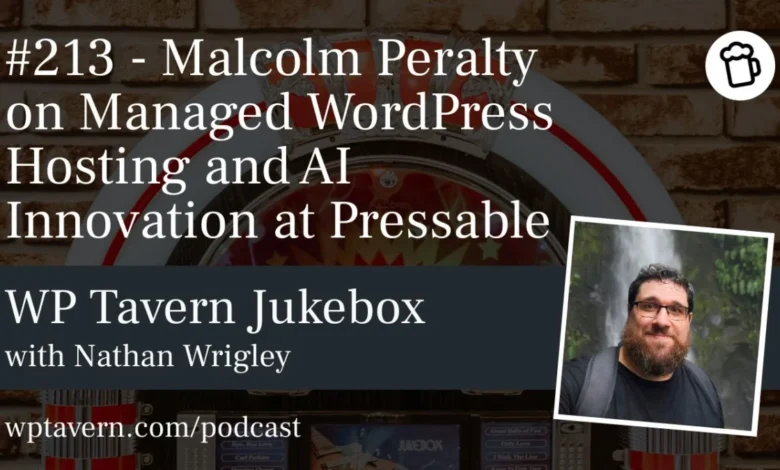
Pressable, a prominent managed WordPress hosting provider, is poised to revolutionize the industry with the upcoming launch of its AI-powered control panel (MCP). This innovation, detailed by Technical Account Manager Malcolm Peralty in a recent interview on the Jukebox Podcast from WP Tavern, promises to allow users to deploy and manage WordPress sites using natural language, fundamentally altering the user experience for agencies and large-scale clients. Peralty’s insights illuminate the complex landscape of managed hosting, the perennial challenges of WordPress performance, and the profound implications of integrating artificial intelligence into core hosting operations.
A Veteran’s Return to WordPress: Malcolm Peralty’s Journey
Malcolm Peralty, a Canadian veteran of the WordPress ecosystem with two decades of experience, has returned to his roots at Pressable after a notable stint in the Drupal space. Starting his journey with WordPress 0.72 – predating the 1.0 release – Peralty initially made a name for himself as a full-time blogger focused on the platform. His career trajectory then broadened into diverse tech roles, including project management and agency work, even venturing into custom CMS development.
Peralty’s foray into Drupal, specifically with Acquia (often described as the Drupal equivalent of Automattic), offered him exposure to a different enterprise-level CMS environment. He held a Technical Account Manager role there, leveraging his project management and web hosting expertise rather than deep Drupal engineering knowledge. His candid admission highlights a significant industry trend: Drupal jobs historically commanded higher compensation. However, Pressable’s competitive offer ultimately drew him back to the WordPress fold, underscoring the growing value placed on specialized WordPress expertise within managed hosting. His return signifies a strong belief in WordPress’s continued evolution and Pressable’s strategic direction.
The Evolving Role of Technical Account Management at Pressable
As a Technical Account Manager (TAM) at Pressable, Peralty’s role transcends traditional sales or support functions. He is one of the pioneering TAMs at the company, tasked with building out a critical discipline focused on long-term client strategy. TAMs act as WordPress and hosting strategists, guiding clients through performance optimization, resource management, and future technology considerations. Their mandate includes:
- Proactive Performance Optimization: Monitoring server instances and identifying sites that are underperforming or over-utilizing resources. This often involves suggesting plugin optimizations, theme evaluations, or architectural adjustments.
- Strategic Planning: Advising clients on their website’s future, including anticipating end-of-life cycles for technologies, recommending suitable plugins and tools, and ensuring scalability.
- Bridging Customer Needs with Infrastructure: Interfacing between client requirements and Pressable’s underlying WP Cloud infrastructure, advocating for hardware and software optimizations.
- Resource Efficiency: Uniquely, TAMs may even advise clients to downgrade their plans if optimizations reduce their resource needs, showcasing Pressable’s commitment to client success over short-term revenue. This proactive approach not only benefits customers by reducing costs but also optimizes Pressable’s own WP Cloud resources, ensuring availability for sudden traffic spikes.
This strategic partnership approach is particularly valuable for clients running complex sites, such as WooCommerce stores, Learning Management Systems (LMS), or those with high-volume, interactive features that frequently bypass caching mechanisms.
Navigating WordPress Performance Challenges
The inherent flexibility and extensibility of WordPress, while a core strength, also present significant performance challenges. As Peralty notes, the common perception of WordPress as a "performant" platform often clashes with the reality of highly customized sites laden with numerous plugins and complex themes.
Key performance bottlenecks and considerations include:
- Plugin Bloat: The proliferation of plugins, especially page builders like Elementor or Divi, can significantly increase page load times and resource consumption.
- Dynamic Content: E-commerce (WooCommerce), LMS platforms, and custom interactive features create uncached sessions, requiring pages to be rebuilt from scratch with each user interaction, demanding substantial server resources.
- Caching Complexities: While caching is crucial for static content, managing effective caching for dynamic, user-specific content is a sophisticated task. Peralty highlights how some competing hosts might obscure performance issues through aggressive caching strategies (e.g., heavily utilized Redis setups) or by deploying ultra-fast CPUs that perform well for single-user tests but falter under high load.
- Customer Education: A significant part of the TAM’s role involves educating clients on the nuances of performance, debunking misconceptions, and guiding them toward sustainable solutions. This includes explaining the difference between individual site speed tests and performance at scale, as well as the impact of server worker processes (Pressable’s model of one worker per VCPU offers dedicated processing power, unlike some competitors who might oversubscribe workers to fewer VCPUs).
Pressable’s proprietary WP Cloud infrastructure, distinct from public clouds like AWS or Google Cloud, offers specialized optimization for WordPress environments. This allows for a deeper level of integration and fine-tuning between the application layer and the hardware, addressing the unique demands of high-traffic WordPress sites.
Future Trends in Hosting: Beyond the Horizon
Peralty sheds light on several cutting-edge trends shaping the future of web hosting, many of which Pressable is actively exploring or implementing:
- Web Assembly (WASM): This technology, exemplified by initiatives like WordPress Playground (WordPress running directly in a browser), promises highly portable and efficient execution environments, potentially redefining how WordPress development and testing are done.
- Advanced Caching and Database Replication: For high-availability and disaster recovery, robust database replication is paramount. Current replication technologies can introduce latency, risking data loss during failovers. Innovations aim to achieve near real-time data streaming (Pressable targets within two seconds) and reduce this latency, especially critical for high-volume transactional sites.
- Virtual Clusters: The concept of multiple geographically dispersed data centers behaving as a single, local server enhances resilience and reduces the perceived distance for data synchronization. This "pretending" allows for seamless operation even if components in one location fail.
- Enhanced Auditing and Logging: The sheer volume of data generated by modern websites makes traditional log analysis unwieldy. Future innovations focus on sophisticated auditing tools that provide specific, actionable insights into user actions, security events, and performance issues without overwhelming storage or processing capabilities. AI is seen as a crucial component here, capable of inferring patterns and highlighting critical events from vast datasets.
Pressable’s AI-Powered Control Panel (MCP): A Glimpse into the Future
The most significant innovation discussed is Pressable’s upcoming AI-powered control panel (MCP). This ambitious project aims to integrate artificial intelligence deeply into the hosting management experience, offering capabilities that transcend traditional graphical user interfaces.
Key features and implications of the MCP include:
- Natural Language Site Management: Users will be able to manage their WordPress sites using plain English commands, eliminating the need to navigate complex menus or understand technical jargon.
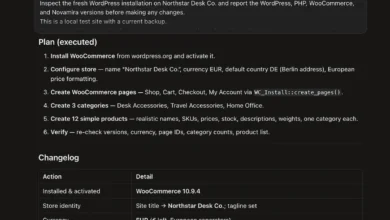
- Automated Development Workflows: Agencies, for instance, could instruct the AI to "spin up a sandbox site, push this code, update the database, pull production files, and let me know when complete." The MCP would then orchestrate these tasks across new WordPress installs, domain configurations, code deployments, and data synchronization.
- Bulk Operations and Site Auditing: For clients managing hundreds or thousands of sites, the MCP could perform actions like identifying all sites needing a specific plugin update and executing those updates automatically.
- Guardrails and Human-in-the-Loop: Recognizing the potential for "hallucinations" or unintended destructive actions by AI, Pressable is implementing safeguards. These include human confirmation for critical actions, reliance on robust hourly database and daily file system backups, and the inherent read-only nature of core WordPress files on Pressable’s platform. Users will also be encouraged to integrate their AI tools (Ollama, Claude, Codex) with specific system prompts, like "before you do anything destructive, check with me first."
- API-Driven Integration: The MCP leverages Pressable’s existing API-driven control panel architecture, making it relatively straightforward to expose these capabilities to AI models. The challenge lies in training the AI to understand the nuances of these APIs, their expected inputs, and outputs.
The Broader Impact of AI on Hosting and Web Development
The advent of AI in hosting presents both unprecedented opportunities and significant challenges:
- Accelerated Development and Deployment: The "coffee shop" scenario, where an agency can generate a proof-of-concept website based on a client conversation in minutes, highlights the drastic reduction in development timelines. This could empower smaller agencies and individuals to compete more effectively.
- Shifting User Experience: The traditional WordPress UI might become less central for some users, with interactions increasingly mediated through AI interfaces. This could lead to a diverse array of workflows, where no two users have the exact same experience, posing challenges for community support and standardization.
- AI-Generated Code and Maintenance: AI could generate entirely new themes, plugins, or blocks on demand. While this offers unparalleled customization, it raises questions about the long-term maintainability, security, and performance of AI-generated code. Peralty suggests that "AI is going to maintain and update all this AI code," shifting the burden from human developers to intelligent systems.
- Evolving Customer Relationships and Business Models: The increased automation might alter the human-centric support model. While AI can handle routine tasks, freeing up human support for complex issues, there’s a risk of dehumanizing the customer experience. Pressable aims for an "human first, AI enhanced" approach to maintain valuable human connections.
- Hidden Costs and Resource Management: The proliferation of AI bots crawling and interacting with websites creates significant, often hidden, server load and data storage requirements. The industry faces the challenge of fairly allocating these costs to customers, who may be reluctant to pay for "bot traffic" they didn’t explicitly request. This could lead to an overall increase in the cost of being online. Malicious AI actors could also pose new security and resource drain challenges, constantly adapting to bypass blocking mechanisms.
- Interoperability: The future envisions Pressable’s MCP interacting seamlessly with WordPress Core’s own AI integrations, creating a complete end-to-end AI-driven workflow from hosting to content creation and theme adjustments.
Conclusion
Pressable’s venture into AI-powered hosting, spearheaded by insights from industry veterans like Malcolm Peralty, marks a pivotal moment for managed WordPress hosting. While the benefits of automation, speed, and personalized experiences are immense, the industry must carefully navigate the complexities of security, cost allocation, and maintaining human connection in an increasingly automated world. The journey ahead promises a transformative shift in how websites are built, managed, and interact with the digital ecosystem.