The intersection of sustainable agriculture and high-end home decor has reached a new milestone as Lettuce Grow, the hydroponic gardening company co-founded by actress Zooey Deschanel and producer Jacob Pechenik, announces a significant promotional event for its flagship products. Through May 10, the company is offering a 20 percent discount across its entire Farmstand line and its newly released Counterstand Set using the promotional code MOM20. This move comes at a time when the indoor gardening market is experiencing a shift from purely functional utility toward "showpiece" installations that serve as both food sources and interior design elements.
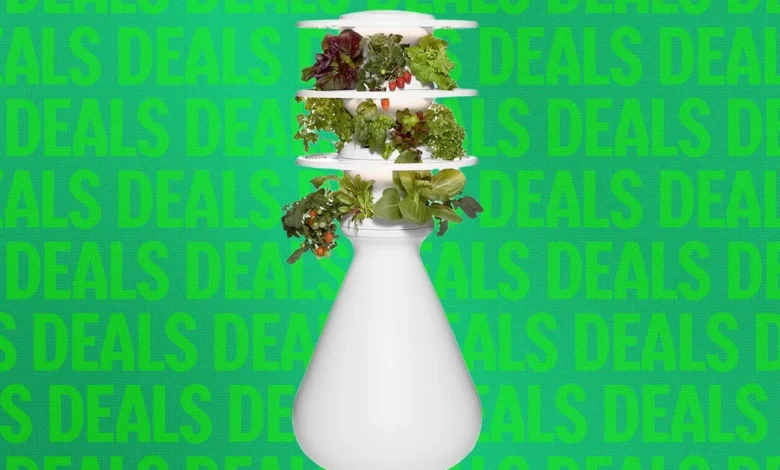
The Lettuce Grow ecosystem has gained notoriety for its distinct visual language. While traditional hydroponic systems often prioritize industrial efficiency or compact, boxy designs, the Farmstand has been frequently compared to a futuristic sculpture, described by design critics as a hybrid between a classic strawberry planter and a set piece from a mid-century science fiction film. This aesthetic appeal, combined with the modular nature of the system, has positioned Lettuce Grow as a leader in the premium "eat-ertainment" segment of the home appliance market.
The Evolution of the Farmstand and the Rise of the Nook
Lettuce Grow was founded with the mission of reducing the environmental impact of the industrial food system by empowering consumers to grow their own produce with minimal water and space. Since its inception, the company has expanded its product line to accommodate various living situations, ranging from sprawling suburban patios to compact urban apartments.
The flagship Farmstand is a vertical, self-watering, and self-fertilizing hydroponic system. It is available in three primary sizes: Small (18 plants), Medium (24 plants), and Large (36 plants). One of the system’s most praised features is its modularity; users can purchase extension kits to add levels as their gardening ambitions grow, though the company recommends a maximum height of six tiers to maintain structural integrity and water distribution efficiency.
The recent introduction of the "Nook"—a smaller version of the Farmstand designed specifically for tight indoor corners—has signaled a shift toward mass-market accessibility. This transition was solidified when the Nook began appearing in Costco warehouses across the United States. The retail partnership triggered a viral response on social media platforms, particularly TikTok and Instagram, where "Costco influencers" have popularized the device among a demographic that values both bulk-buy savings and trendy home technology. This retail expansion has moved Lettuce Grow from a niche direct-to-consumer brand into a household name within the burgeoning home-tech space.
Technical Specifications and the Kratky Method
For consumers who find the vertical Farmstand too imposing for their living space, the Counterstand Set represents a significant technological pivot. Priced at $149 before the current discount, the Counterstand utilizes the Kratky method of hydroponics. Named after Dr. Bernard Kratky, a horticulturist at the University of Hawaii, this technique is a passive form of hydroponics that requires no pumps or electricity to circulate water.

In the Counterstand system, plants are suspended in net cups above a reservoir of nutrient-rich water. As the plants grow, they consume the water, creating an air gap that allows the "oxygen roots" to breathe while the lower roots continue to submerged. This "set it and forget it" approach is ideal for beginners. The Lettuce Grow iteration of this method features aesthetic amber beakers that resemble laboratory equipment, designed to sit on kitchen counters.
While the Farmstand is a high-yield system capable of producing full harvests of kale, strawberries, and larger greens, the Counterstand is positioned more as a decorative culinary tool. Yields are typically limited to small quantities of herbs like basil and parsley or individual lettuce leaves. However, its lack of a mechanical pump makes it a silent alternative to the larger Farmstand, which features a pump that cycles every hour, creating a sound often compared to a domestic plumbing fixture.
Market Context and the Indoor Gardening Boom
The current sale on Lettuce Grow systems reflects a broader trend in the global indoor gardening market. According to market research data, the global hydroponics market was valued at approximately $12.1 billion in 2022 and is projected to grow at a compound annual growth rate (CAGR) of over 15% through 2030. This growth is driven by increasing urbanization, a heightened awareness of food security, and a consumer preference for pesticide-free, locally grown produce.
Lettuce Grow’s strategy mirrors that of other premium home-tech companies, focusing on a "razor and blade" business model. While the initial hardware (the Farmstand) is a one-time purchase, the company maintains a recurring revenue stream through the sale of pre-sprouted seedlings. These seedlings are grown in regional nurseries and shipped directly to consumers, bypassing the difficult germination phase that often discourages novice gardeners.
Addressing Early Challenges: Pests and Maintenance
As with any agricultural technology, Lettuce Grow has faced hurdles in its path to mainstream adoption. In the early stages of the company’s growth, some users reported issues with pest outbreaks, such as aphids and whiteflies, which were occasionally introduced via the nursery-shipped seedlings.
In response to consumer feedback, Lettuce Grow implemented a rigorous quarantine and treatment protocol. New seedlings now come with specific instructions for a "pre-planting rinse" and monitoring period to ensure that indoor environments remain pest-free. This pivot toward proactive maintenance education has been credited with improving long-term customer retention rates.
Furthermore, the company has addressed the physical limitations of the Farmstand. When fully loaded with water, the Large Farmstand can weigh several hundred pounds, making it virtually immobile. To mitigate this, the company introduced specialized dollies that allow the units to be rolled between indoor light rings and outdoor sunlight, depending on the season.

Chronology of Lettuce Grow’s Development
To understand the impact of the current sale, it is helpful to look at the company’s trajectory over the last several years:
- 2017-2018: Zooey Deschanel and Jacob Pechenik found Lettuce Grow after identifying a gap in the market for easy-to-use home hydroponics.
- 2019: The original Farmstand launches, gaining traction for its unique aesthetic and celebrity backing.
- 2020-2021: The COVID-19 pandemic leads to a massive surge in interest in home gardening and self-sufficiency, causing the Farmstand to sell out repeatedly.
- 2022: The company introduces the Glow Rings, a specialized LED lighting system that allows the Farmstand to be used year-round in dark indoor environments.
- 2023: Lettuce Grow expands into the "passive" market with the Counterstand and enters big-box retail through Costco.
- 2024: The company focuses on refining the user experience with better pest management and software integration for nutrient tracking.
Broader Impact and Environmental Implications
Beyond the aesthetic and culinary benefits, Lettuce Grow represents a shift in how urban populations interact with their food. Traditional industrial agriculture requires vast amounts of water, much of which is lost to evaporation or runoff. Hydroponic systems like the Farmstand use up to 95% less water than traditional soil-based gardening because the water is recirculated within a closed loop.
Furthermore, by growing produce at the point of consumption, Lettuce Grow users eliminate the "food miles" associated with transporting greens from industrial farms in California or Mexico to grocery stores across the country. This reduction in the carbon footprint of a salad is a key selling point for the company’s environmentally conscious demographic.
Industry analysts suggest that the success of companies like Lettuce Grow may eventually force traditional appliance manufacturers to reconsider the kitchen of the future. Just as the dishwasher and microwave became standard fixtures in the 20th century, integrated indoor growing stations could become a staple of the 21st-century home.
Conclusion: A Strategic Window for Consumers
The current 20 percent discount, expiring on May 10, serves as a strategic entry point for consumers who have been hesitant due to the premium price point of Lettuce Grow’s hardware. While the Farmstand requires a certain level of commitment—including weekly nutrient additions and pH testing—the high yield and striking visual presence offer a unique value proposition in the smart-home market.
As the Mother’s Day deadline approaches, the sale highlights the growing trend of "functional gifting," where consumers opt for presents that offer long-term utility and sustainability over traditional luxury goods. Whether through the high-capacity vertical Farmstand or the decorative, lab-style Counterstand, Lettuce Grow continues to redefine the boundaries between the garden and the living room.