Bridging the Gap: How WordPress Plugin Developers Can Unlock Growth Through Strategic Hosting Partnerships

The modern WordPress ecosystem has evolved into a multi-billion-dollar marketplace, characterized by a rapid influx of new tools and software solutions. According to recent data, approximately 1,000 new plugins are submitted to the official WordPress.org repository every week. While this volume underscores the vibrancy of the open-source community, it also presents a significant challenge for developers: standing out in an increasingly saturated market. Many independent developers and small product teams find themselves stuck in a cycle of focusing exclusively on product development while neglecting the critical business and marketing infrastructure required to scale.
This challenge has brought renewed focus to the role of strategic partnerships, specifically between independent WordPress plugin developers and web hosting providers. Industry experts suggest that these alliances are not merely beneficial but are increasingly essential for sustainable growth. By leveraging the vast, established customer bases of hosting companies, plugin developers can bypass the traditional, often inefficient, hurdles of independent marketing.
A History of Hosting and the WordPress Evolution
The intersection of hosting and WordPress is foundational to the platform’s history. In the mid-2000s, WordPress adoption was a manual process that required users to download core files and utilize File Transfer Protocol (FTP) to deploy sites. During this era, web hosts served primarily as "pipes," providing server space without offering deep integration with the software.
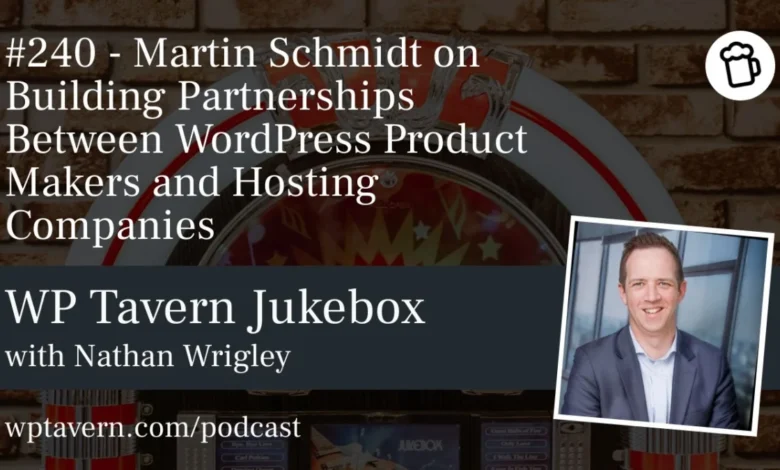
Martin Schmidt, a veteran in the hosting and SaaS industry with a career spanning nearly two decades, notes that the landscape has changed significantly. Having served in management and strategy roles at major companies like IONOS and Wix, Schmidt observed the maturation of the hosting sector. During his tenure at IONOS, he managed product strategy while witnessing the rise of third-party plugin integration. Today, the relationship has shifted toward a more collaborative model. Hosting companies are no longer just providing infrastructure; they are curating ecosystems that offer performance, security, and specialized software to their users, creating a "walled garden" that provides a more seamless experience for the end-user.
The Anatomy of a Successful Partnership
For a plugin developer, a partnership with a hosting provider offers a distinct advantage: access to a captive audience. While developers working within the WordPress repository are restricted by strict rules regarding email marketing and direct outreach to free users, hosting providers operate under a different set of engagement norms. They possess the ability to communicate directly with customers, cross-sell tools, and bundle services, effectively acting as an extension of the plugin company’s sales team.
However, the path to a partnership is rarely straightforward. Developers often approach hosts with a "product-first" mindset, assuming that the technical excellence of their code is sufficient to secure a deal. This is frequently a miscalculation. According to industry feedback, successful partnerships rely on several key components:
- Technical Readiness: Hosting providers require robust provisioning systems that can handle large-scale deployments, license management, and billing integration.
- The "Trusted Advisor" Model: Hosting companies view themselves as advisors. They are looking for solutions to specific, measurable customer pain points—such as performance, security, or accessibility compliance—rather than generic features.
- Marketing Empathy: Developers must be prepared to articulate not just what their product does, but how the hosting company should market it to their specific customer segments.
The Challenges of Cold Outreach and Professionalism
A recurring theme in the developer-host relationship is the friction caused by inadequate outreach. Product managers at major hosting companies are inundated with solicitation. It is common for these individuals to receive dozens of pitches weekly, many of which appear to be generated by AI with little to no customization.
This trend has led to a "noise" problem in the industry. Developers who fail to conduct due diligence on the hosting provider’s target market, size, and current partnership ecosystem are often dismissed immediately. A professional, effective pitch involves understanding the specific business challenges the host is facing. For instance, a developer who presents a mock-up of how their plugin would look integrated into a specific host’s dashboard demonstrates a level of commitment and empathy that sets them apart from the crowd.
Scaling Through Tiered Partnerships
A common strategic error for emerging companies is the "top-down" approach, where they focus exclusively on the industry giants—companies with millions of users. While these partnerships offer the most significant reach, the negotiation cycles can last for years, often resulting in burnout for smaller teams.
Industry analysts suggest a "bottom-up" approach is far more sustainable. By initiating partnerships with smaller, mid-market hosting companies, developers can:
- Build a Proven Track Record: Demonstrate that their plugin can function at scale and deliver measurable value (such as reduced churn or increased revenue per user).
- Refine the Support Model: Work through technical teething problems in a lower-stakes environment.
- Leverage Competitive Pressure: Larger hosting companies frequently monitor the partnerships of their competitors. If a smaller host successfully deploys a plugin, it often creates a "fear of missing out" (FOMO) effect, making the larger players more receptive to future inquiries.
The Role of Physical and Community Engagement
Despite the rise of digital communication, the human element remains a cornerstone of the WordPress industry. Events such as Cloudfest, WordCamps, and regional meetups serve as vital hubs for relationship building. The professional consensus is that while a cold email might lead to a meeting, it is rarely enough to cement a long-term partnership.
Face-to-face interaction at industry events provides a necessary context for business deals. It allows for the development of rapport, trust, and mutual understanding that a screen-based video call cannot replicate. The ability to network informally at these events often acts as a catalyst, accelerating discussions that might otherwise stall in a formal corporate setting.
Broader Implications and Future Outlook
The demand for specialized partnership advisory services is a clear indicator that the WordPress ecosystem is entering a new phase of professionalization. As the market becomes increasingly crowded, the ability to build, nurture, and maintain strategic alliances will separate successful ventures from those that remain niche or disappear.
For the hosting industry, this trend is also a survival mechanism. As commodity hosting becomes a race to the bottom in terms of price, value-added services—provided through high-quality plugin partnerships—become the primary differentiator for hosting providers. By integrating tools that make websites faster, more secure, and easier to manage, hosts increase the "stickiness" of their services, directly combating churn rates.
In summary, the successful WordPress product maker of the future must be as much a business strategist as they are a developer. The era of building a product in isolation and waiting for discovery is coming to an end. Instead, the future of the industry lies in the symbiotic relationship between developers, who solve specific technical problems, and hosting companies, which provide the platform and reach necessary to bring those solutions to a global audience. For those willing to put in the work, adopt a professional, empathetic approach to outreach, and build incrementally, the opportunities for growth through partnership are substantial.
Related posts: