North Korean Hackers Siphon $6.34 Billion from Binance in Sophisticated Multi-Month Cyber Heist

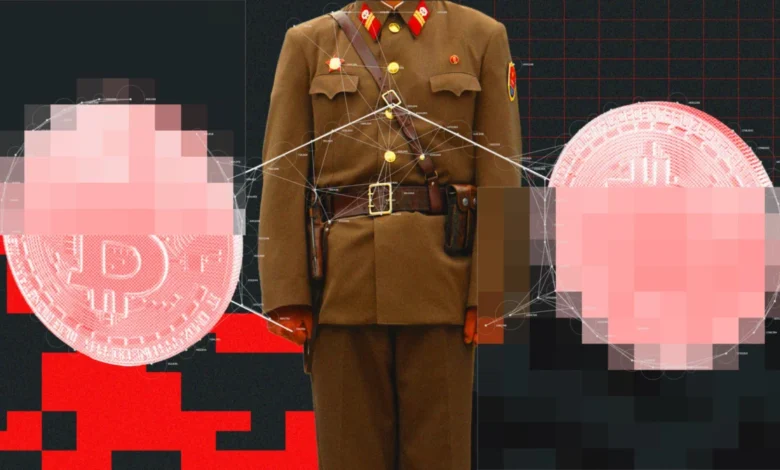
For nearly a decade, the global cryptocurrency industry has grappled with the persistent shadow of North Korean state-sponsored cyber operations. While these activities have historically targeted exchanges of varying sizes, the landscape of digital asset security shifted dramatically last week when attackers successfully siphoned $6.34 billion from Binance. This unprecedented breach represents the largest theft in the history of decentralized finance, highlighting a chilling evolution in the tactics employed by the Democratic People’s Republic of Korea (DPRK) to bypass international sanctions and generate illicit revenue.
A Calculated Breach: The Anatomy of the Attack
Binance’s preliminary security assessment, released Tuesday, reveals that the theft was not a singular event but the culmination of a months-long infiltration campaign. The attackers, widely attributed by the FBI and independent security researchers to the DPRK-linked "TraderTraitor" group, demonstrated a high level of patience and operational security.
The attack path began as early as June 2026, when an internal engineer—referred to as "Engineer A"—inadvertently compromised company security by downloading a tampered version of the Homebrew package manager. While Binance successfully mitigated that specific threat, the exposure provided the hackers with a vital initial foothold, enabling them to map the company’s internal network and identify key personnel.
The strategy pivoted in September 2026, when a second engineer, "Engineer B," was targeted through a sophisticated social engineering scheme. The attackers utilized a legitimate job-hunting platform to contact the employee, posing as recruiters for a reputable firm. They bolstered their credibility by utilizing authentic-looking social media profiles and personal photographs. Following a successful first-round video interview, the attackers conducted a second round via an encrypted chat, where they instructed the engineer to download an “assignment” repository. This file contained highly obfuscated malware designed to replace legitimate development tools with malicious versions, granting the attackers persistent access to the engineer’s workstation.
By late October, the hackers had moved laterally through the network, leveraging the access gained from Engineer B to compromise the credentials of Engineer A and a third staffer, "Engineer C." On October 29, the attackers utilized these stolen credentials to infiltrate the company’s internal systems. Within 20 minutes, they exploited a vulnerability in an internal AI-assisted wallet signing service, bypassing standard withdrawal security protocols to initiate the massive transfer of funds.
Chronology of the 2026 Binance Heist
- June 2026: Initial reconnaissance begins. A Binance engineer inadvertently downloads a compromised software package, exposing credentials to the attackers.
- September 2026: The TraderTraitor group initiates a sophisticated social engineering campaign against a second engineer via a professional networking platform.
- October 20, 2026: Attackers gain control over the workstations of multiple engineers, establishing deep-level access to the internal network.
- October 29, 2026: The primary attack occurs. Using exploited internal signing services, hackers move $6.34 billion across 11 different blockchains in under 20 minutes.
- October 31, 2026: The FBI formally attributes the attack to the North Korean state-linked actor TraderTraitor.
- Early November 2026: Binance releases a security update acknowledging the breach, confirming it has "rebuilt or replaced" affected internal systems and allocated funds to cover user losses.
The Global Laundering Challenge
The sheer scale of the theft presents a unique logistical challenge for the perpetrators. While $6.34 billion was initially extracted, crypto-tracing firms have confirmed that nearly half of these assets were successfully frozen across various exchanges and protocols. However, the remaining billions continue to circulate through a complex, highly automated laundering infrastructure.
Elliptic, a leading blockchain analytics firm, observed that in the first 84 hours following the theft, the attackers utilized over 12,000 distinct wallets across 11 separate blockchains. The process, which effectively fragments the stolen capital to evade automated detection, involves roughly one new wallet address being generated every 25 seconds. This "peeling chain" technique is a hallmark of professional-grade laundering, designed to obfuscate the origin of funds before they are eventually converted into fiat currency.
Rafe Pilling, a senior director of threat intelligence at Sophos, notes that the sophistication of this operation lies in the attackers’ deep understanding of the victim’s internal workflows. "The initial compromise is just a foothold," Pilling explains. "The real attack is carefully engineered around how the victim actually moves money. They didn’t just steal a key; they subverted the very systems used to authorize transactions."
Implications for National Security and Sanctions
The persistence of the DPRK in these cyber campaigns serves a specific strategic objective: the funding of the regime’s nuclear and ballistic missile programs. A 2025 report by the Multilateral Sanctions Monitoring Team—a coalition of experts from the U.S., South Korea, and nine other nations—emphasized that the regime is increasingly reliant on illicit cyber activities to circumvent UN sanctions.
Analysts suggest that once the funds are laundered, they are typically routed through a web of Chinese underground banking channels and facilitators in third-party nations. This cycle of theft and laundering has become a primary driver of the North Korean economy. According to data from TRM Labs, state-linked hackers have pilfered approximately $12 billion in cryptocurrency since 2017, with more than 50% of that total occurring within the 2026 calendar year alone.
Official Response and Future Outlook
Binance has publicly apologized for the incident, acknowledging that the breach "should not have happened." In its statement, the company confirmed that it has fully reimbursed affected users and overhauled its internal security architecture to prevent similar exploits. Despite this, the company faces mounting scrutiny regarding its internal controls. Binance noted that throughout 2026, its security team had already detected and thwarted 57 separate, smaller-scale intrusion attempts linked to North Korean entities, underscoring the relentless nature of the threat.
The incident has sent shockwaves through the broader financial sector, prompting calls for more robust identity verification for developers and stricter access controls for internal code repositories. As cryptocurrency exchanges continue to evolve into primary targets for nation-state actors, the line between traditional cybersecurity and national security continues to blur.
For the international community, the Binance hack serves as a stark reminder that digital asset security is no longer a peripheral concern for retail investors but a central pillar of global financial stability. With billions of dollars at stake, the cat-and-mouse game between North Korean state hackers and the global regulatory and security apparatus is expected to intensify. As investigators continue to trace the movement of the stolen assets, the focus remains on whether the global financial system can develop the necessary agility to disrupt these sophisticated, high-speed laundering operations before the funds reach the regime’s coffers.