The definitive guide to the best times to post on Facebook in 2026 based on an analysis of 14 million posts

Every few years, industry analysts declare that Facebook has reached its peak, yet the platform continues to defy these predictions by maintaining a staggering user base of 3 billion active monthly users. This figure represents nearly one-third of the global population, cementing Facebook’s status as a critical pillar for digital marketing, brand visibility, and community engagement. Despite the rise of newer, trend-driven platforms, the sheer scale of Facebook’s reach makes it an indispensable tool for businesses and creators. As organizations refine their cross-platform strategies to maximize return on investment, the question of timing—specifically, when to publish content for maximum algorithmic favor—has become a central focus of data-driven social media management.
Data-Driven Insights into Algorithmic Timing
To understand the mechanics of engagement, the Buffer data team recently conducted an exhaustive analysis of over 14 million individual Facebook posts. By examining interactions—including likes, shares, comments, and reactions—the research aimed to identify patterns that correlate with high-performance metrics. The findings suggest that while there is no singular "magic hour" guaranteed to trigger viral growth, there are clear, statistically significant windows during which content is most likely to be seen and acted upon.
The core objective of the Facebook algorithm is to curate a personalized News Feed that surfaces content users find valuable. Engagement acts as a primary signal to this algorithm; high early interaction rates tell the system that a post is worth prioritizing for a wider audience. Consequently, timing becomes a strategic lever. By aligning content delivery with the moments when a target audience is most active and receptive, creators can increase the likelihood of triggering this positive feedback loop.
The Mid-Week Momentum: Analyzing Peak Engagement Windows
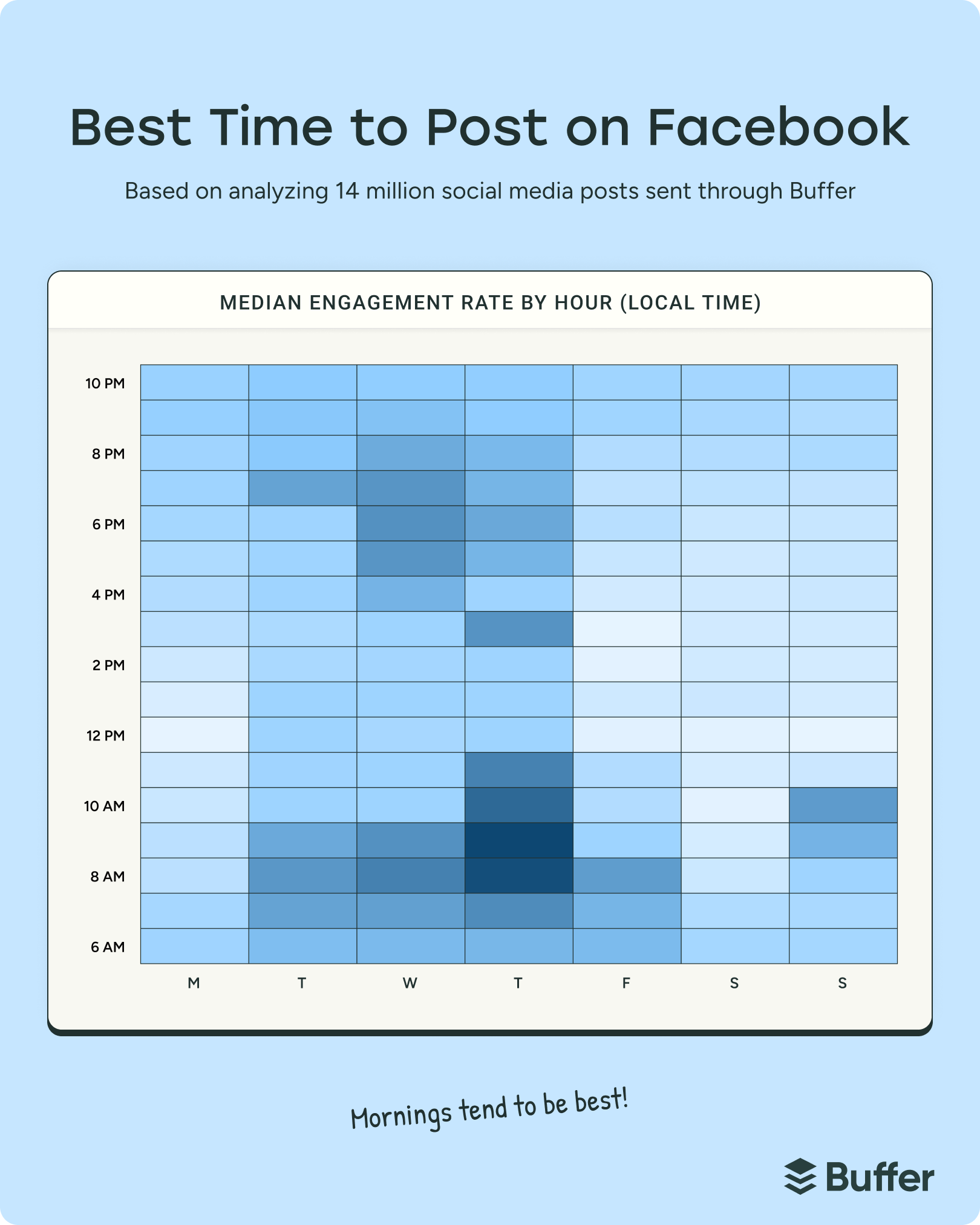
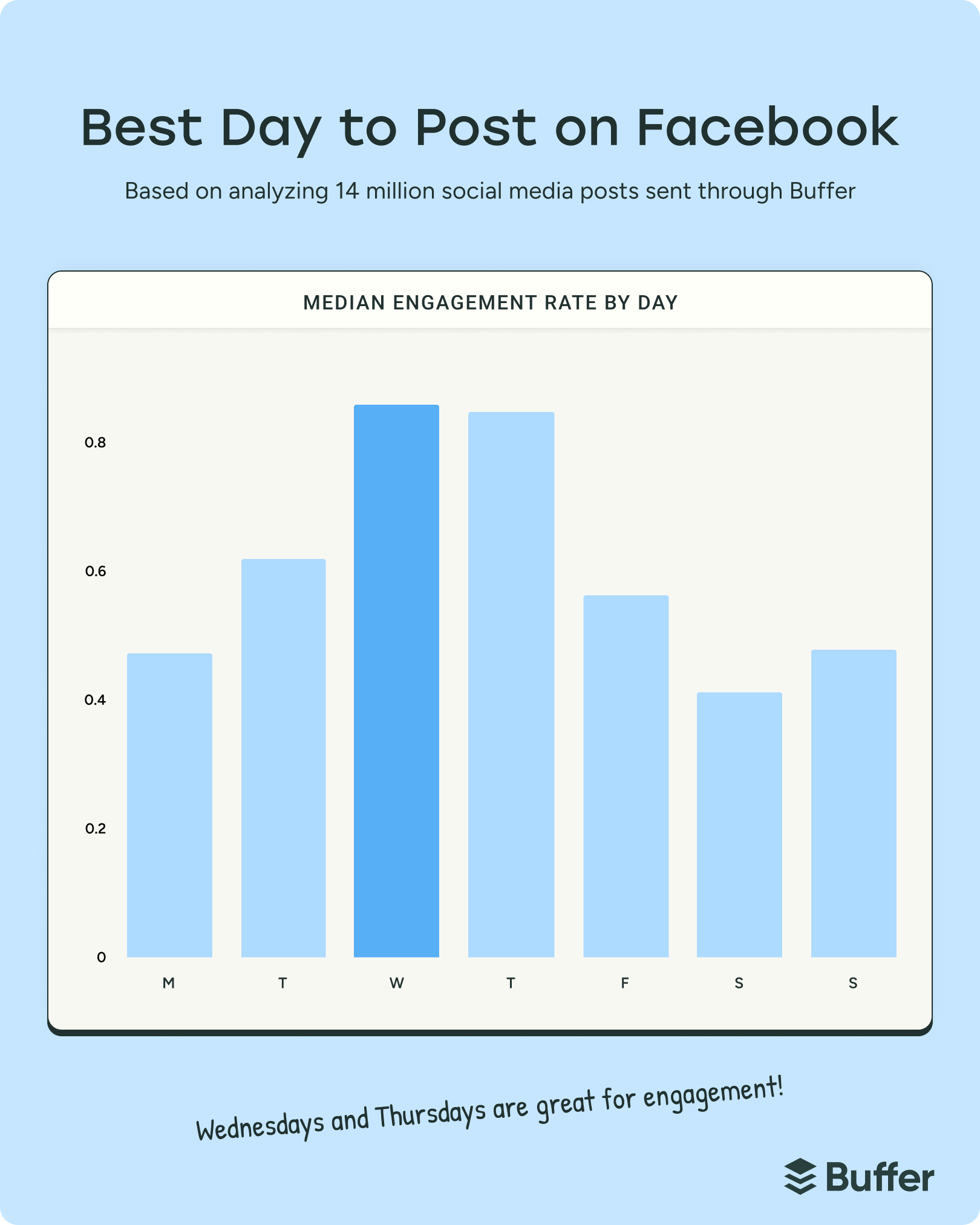
The comprehensive data analysis confirms that the "mid-week slump" is a myth in the context of social media engagement. On the contrary, the period from Tuesday through Thursday represents the high-water mark for user activity. According to the research, Thursday at 9 a.m. stands as the most effective individual time to publish content, consistently yielding the highest engagement metrics across the sample size.
Morning hours, specifically between 6 a.m. and 11 a.m. on weekdays, emerge as the primary window for optimal performance. This aligns with modern demographic shifts; a significant portion of Facebook’s core user base falls within the 25–44 age range. These users are statistically more likely to engage with content during their morning routines, commute, or the start of the professional workday. By contrast, the afternoon block—stretching from 12 p.m. to 5 p.m.—frequently shows a decline in engagement, likely due to the saturation of content and the professional obligations that dominate those hours.
Comparative Daily Performance Metrics
A breakdown of the week’s engagement patterns provides a roadmap for content scheduling. While every brand’s audience is unique, these benchmarks offer a reliable starting point for those looking to calibrate their strategies:
- Monday: The week begins with lower engagement. Peak performance is typically observed in the evening, specifically at 9 p.m. and 10 p.m., as users settle into the new week.
- Tuesday and Wednesday: These days serve as the engine of the week. Wednesday, in particular, is identified as the overall best day for engagement. An 8 a.m. posting slot on Wednesday acts as one of the most effective levers for visibility throughout the entire seven-day cycle.
- Thursday: This day holds the "golden window" of 9 a.m. to 10 a.m. It is widely considered the most efficient time to reach a broad, active audience.
- Friday: Morning engagement remains strong, with 8 a.m. being the optimal time. However, as the weekend approaches, performance metrics begin to taper off compared to the mid-week peak.
- The Weekend Paradox: Saturday and Sunday show markedly lower engagement levels compared to the work week. While 10 p.m. on Saturday and 10 a.m. on Sunday are peak times for those specific days, the absolute volume of engagement does not match the intensity seen on Wednesday or Thursday mornings.
The Influence of Platform Intent and User Behavior
To interpret these findings, it is essential to consider the "why" behind user behavior on Facebook. Research from the Pew Research Center highlights a distinct difference in intent between social networks. Approximately 93% of Facebook users utilize the platform to maintain connections with friends and family. This stands in contrast to platforms like TikTok or Instagram, which are often used primarily for entertainment or discovery.
Because the primary motivation for Facebook users is interpersonal connection, the "morning routine" behavior makes logical sense. Users are checking for updates from their social circles, local community groups, or family members. By timing posts to coincide with these check-ins, brands can position themselves as part of that conversational ecosystem rather than an intrusive interruption.
Implications for Global Strategy
A common hurdle in social media management is the complexity of time zones. The Buffer study addressed this by normalizing the data, ensuring that the recommended "best times" are relative to the user’s local time zone. Whether a brand is operating in Eastern Standard Time, Central European Time, or Indian Standard Time, the 9 a.m. rule remains a consistent anchor. This "local-first" approach removes the need for complex global conversions, allowing teams to set their scheduling queues based on the immediate time zone of their primary audience segments.
Strategic Recommendations for Content Creators
While timing is a crucial variable, it is only one component of a broader content strategy. The algorithm’s priority remains the delivery of high-value content. To maximize the impact of posting during these peak windows, creators should adhere to a structured framework:
- Prioritize Meaningful Interactions: Posts that spark genuine conversation—through comments or shares—receive preferential treatment from the algorithm.
- Utilize Data Feedback Loops: These benchmarks are intended to be a foundation for experimentation. Businesses should track their own analytics over a 30-day period, comparing them against the baseline findings to identify audience-specific nuances.
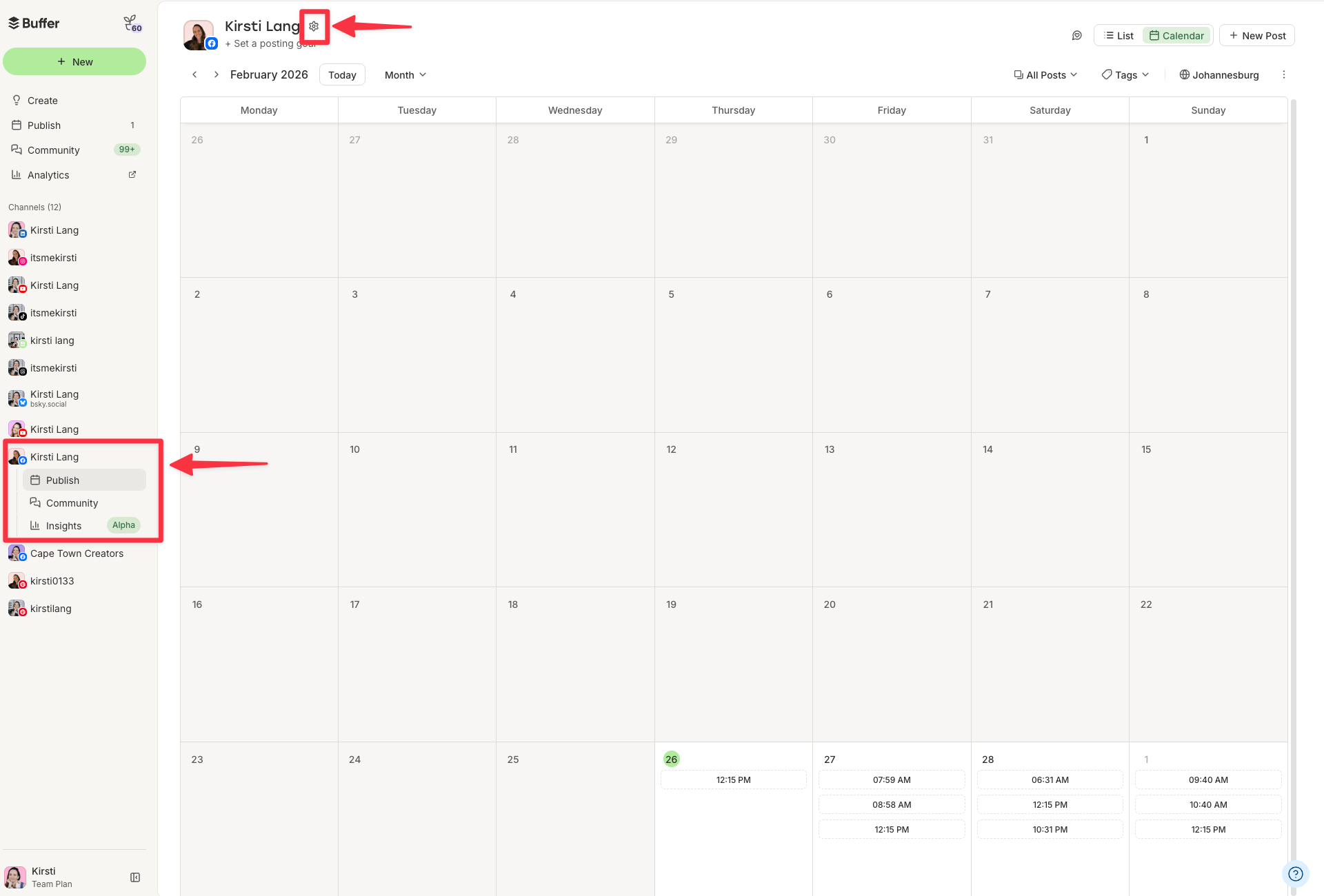
- Leverage Scheduling Automation: Modern social media management tools allow users to bake these optimal times into their workflow. By automating the delivery of posts at these high-engagement intervals, teams can focus their energy on content creation rather than manual publishing.
- Format Flexibility: While the data covers all types of posts, including Reels and static images, it is recommended that creators test the optimal windows for each format separately. Reels, which have gained significant traction, may exhibit slightly different engagement curves than standard text or link-based posts.
Looking Ahead: The Future of Facebook Engagement
The endurance of Facebook as a primary marketing channel suggests that the platform’s value lies in its maturity and the depth of its user connections. As the digital landscape becomes increasingly fragmented, the ability to reach a massive, established audience at specific times remains a formidable asset for any marketing strategy.
The data provided by recent large-scale analyses serves as a reminder that social media is a science as much as an art. By moving away from anecdotal posting habits and toward a data-informed schedule, creators and businesses can significantly increase the reach and efficiency of their Facebook presence. The "best time" is not a static rule to be followed blindly, but a strategic starting point for continuous testing and refinement in an ever-evolving digital ecosystem. By aligning technical scheduling with an understanding of human behavior—the mid-morning check-in, the preference for interpersonal connection, and the mid-week productivity peak—marketers can ensure their voice is heard above the noise.
Related posts: