The Evolution of Social Media Engagement Tools: A Comprehensive Guide to Managing Modern Digital Communities

Social media has long transcended its roots as a mere broadcasting medium. In the current digital landscape, a successful social media strategy is predicated on a dual-track approach: the creation of compelling, high-quality content and the systematic cultivation of a community through active participation. However, the operational reality for creators, small business owners, and marketing agencies is often fraught with friction. As platforms proliferate and consumer expectations for near-instantaneous response times grow, the manual task of monitoring comments, direct messages (DMs), and brand mentions has become increasingly unsustainable.
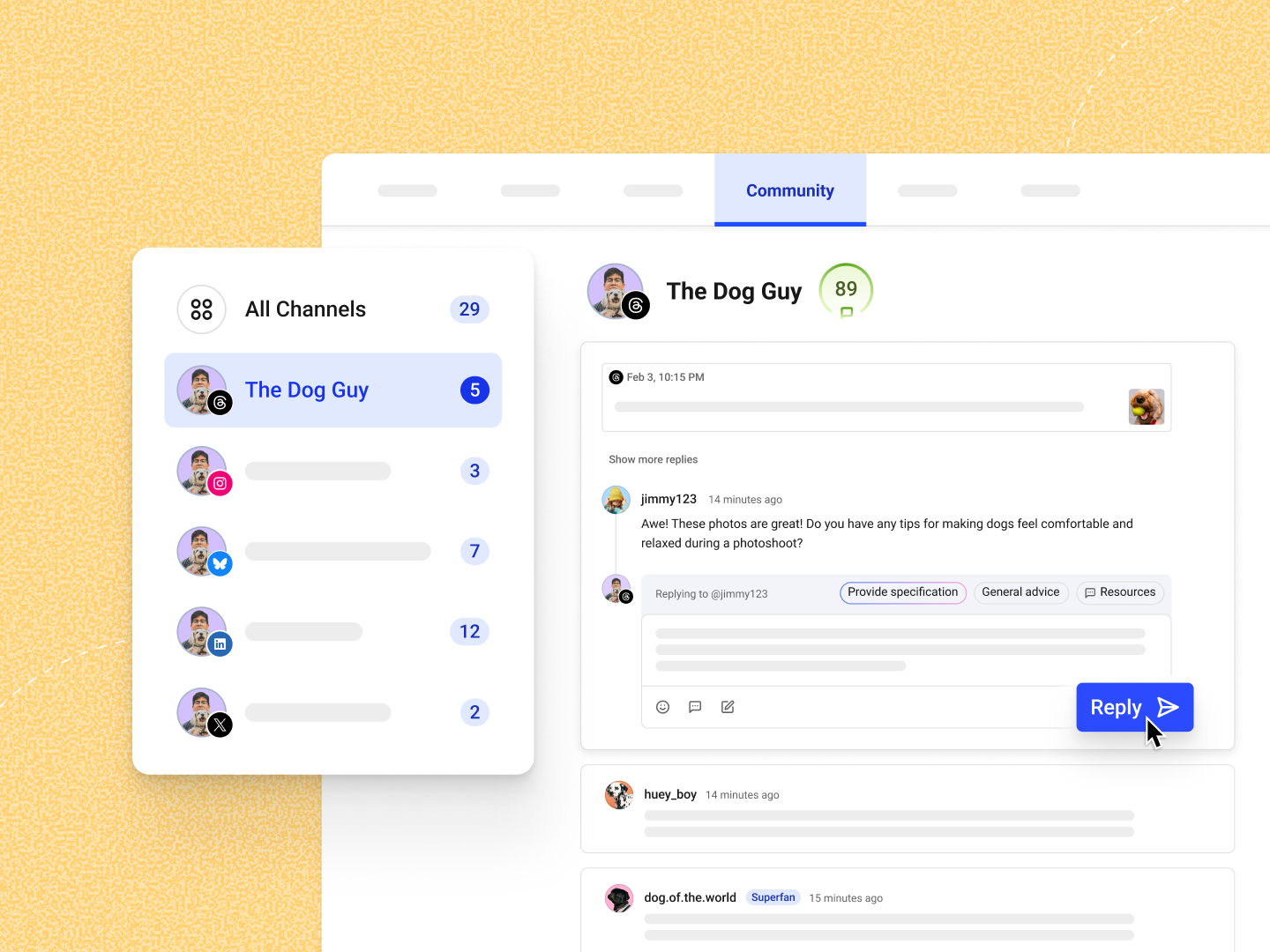
The rise of dedicated social media engagement tools—also known as community management platforms—represents a strategic response to this digital saturation. These software solutions provide a centralized hub for managing multi-channel interactions, offering features that allow brands to maintain a consistent, professional, and timely presence without drowning in fragmented manual tasks.
The Strategic Necessity of Engagement
According to recent industry analysis, active engagement is no longer optional. Data suggests that timely, personalized responses to audience interactions can boost overall engagement rates by 5% to 42%, depending on the platform. This metric is a significant driver of algorithmic visibility, as platforms prioritize content that fosters sustained, multi-user conversations.
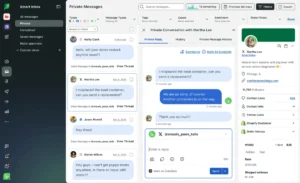
The challenge, however, lies in the fragmentation of the social ecosystem. A brand operating on Facebook, Instagram, TikTok, and LinkedIn must navigate four distinct, often siloed, notification environments. Without a unified inbox, the probability of missing a critical customer inquiry or a potential PR crisis increases exponentially.
Categorizing the Toolkit: A Landscape Analysis
When evaluating the current market of engagement software, analysts categorize tools based on their specific utility—ranging from enterprise-level CRM integrations to specialized automation suites.
1. All-in-One Management Platforms
These platforms serve as the backbone for teams requiring a holistic view of their digital footprint.
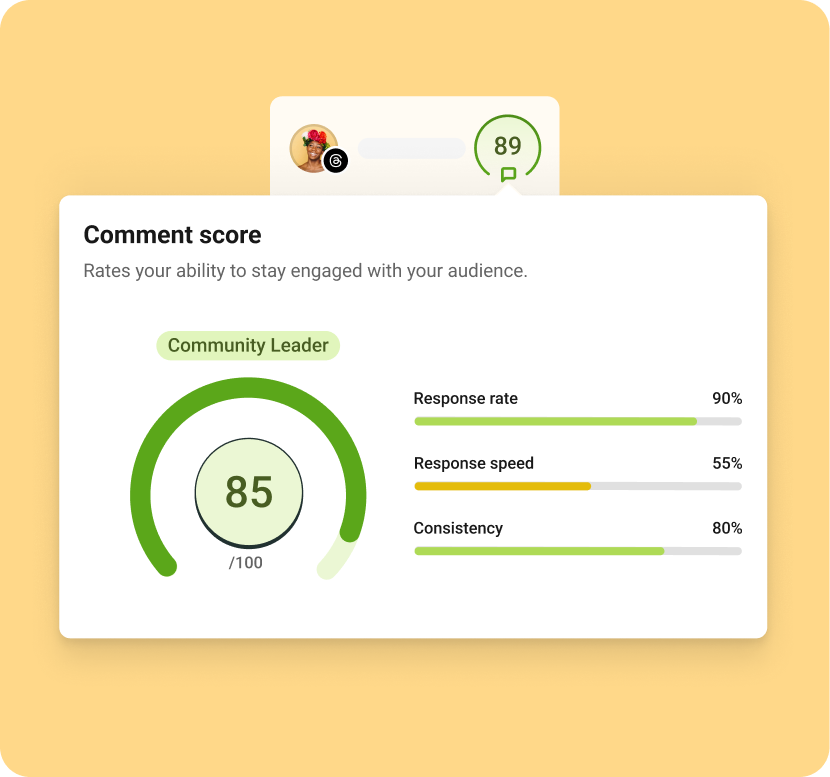
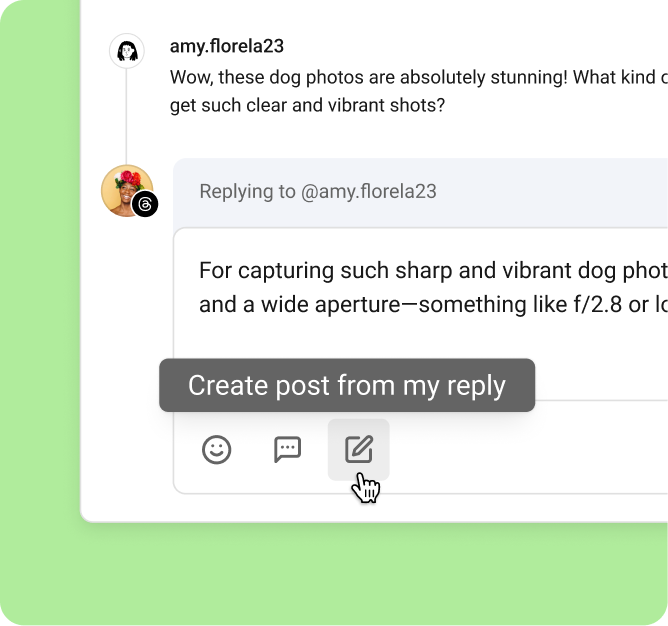
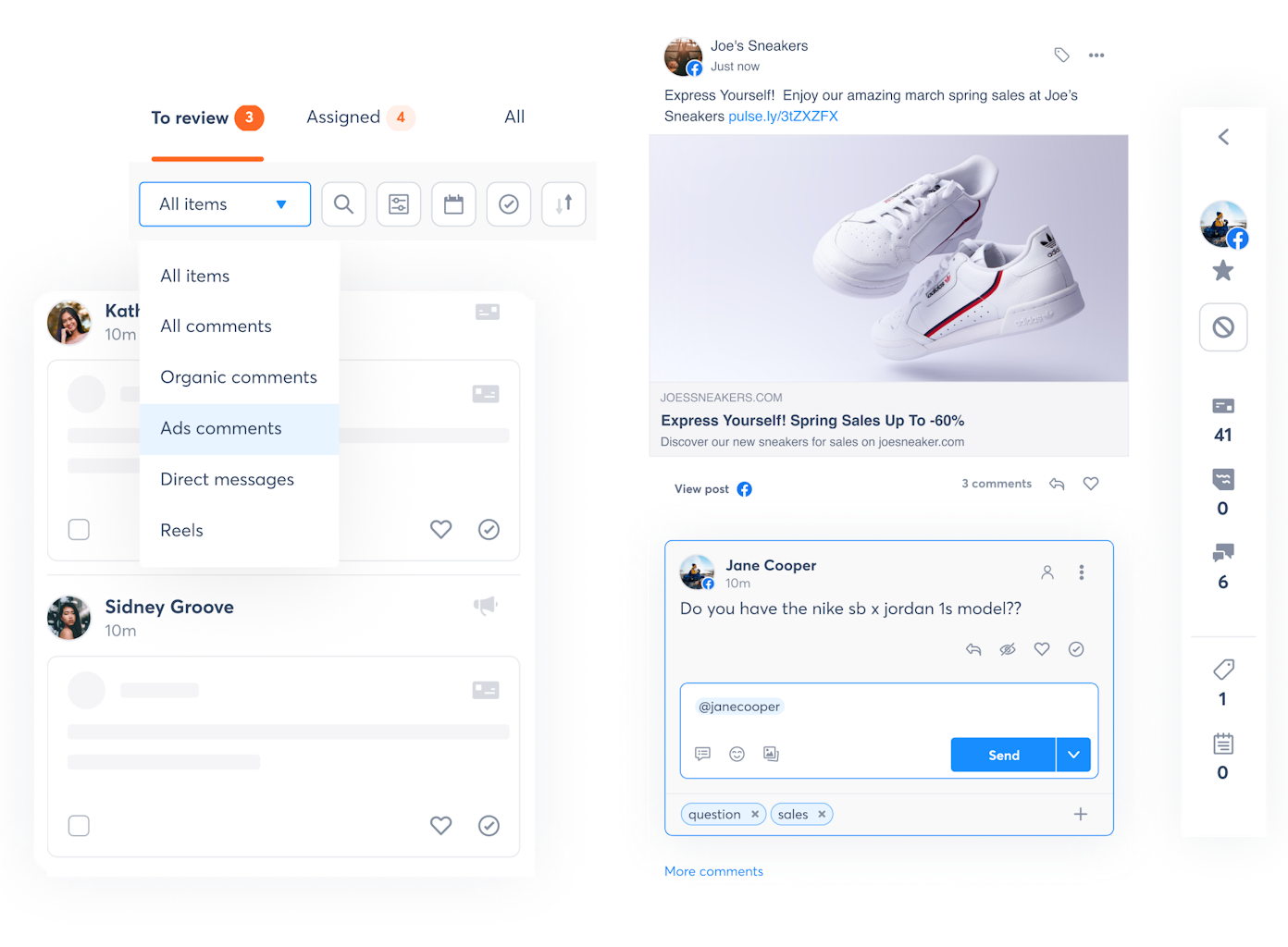
- Buffer: Often cited for its accessibility, Buffer’s "Community" feature provides a unified inbox that aggregates comments and mentions from up to 10 networks, including emerging platforms like Bluesky and Mastodon. Its focus on workflow efficiency—including AI-assisted reply suggestions and "comment scores" to track response consistency—makes it a staple for lean teams.
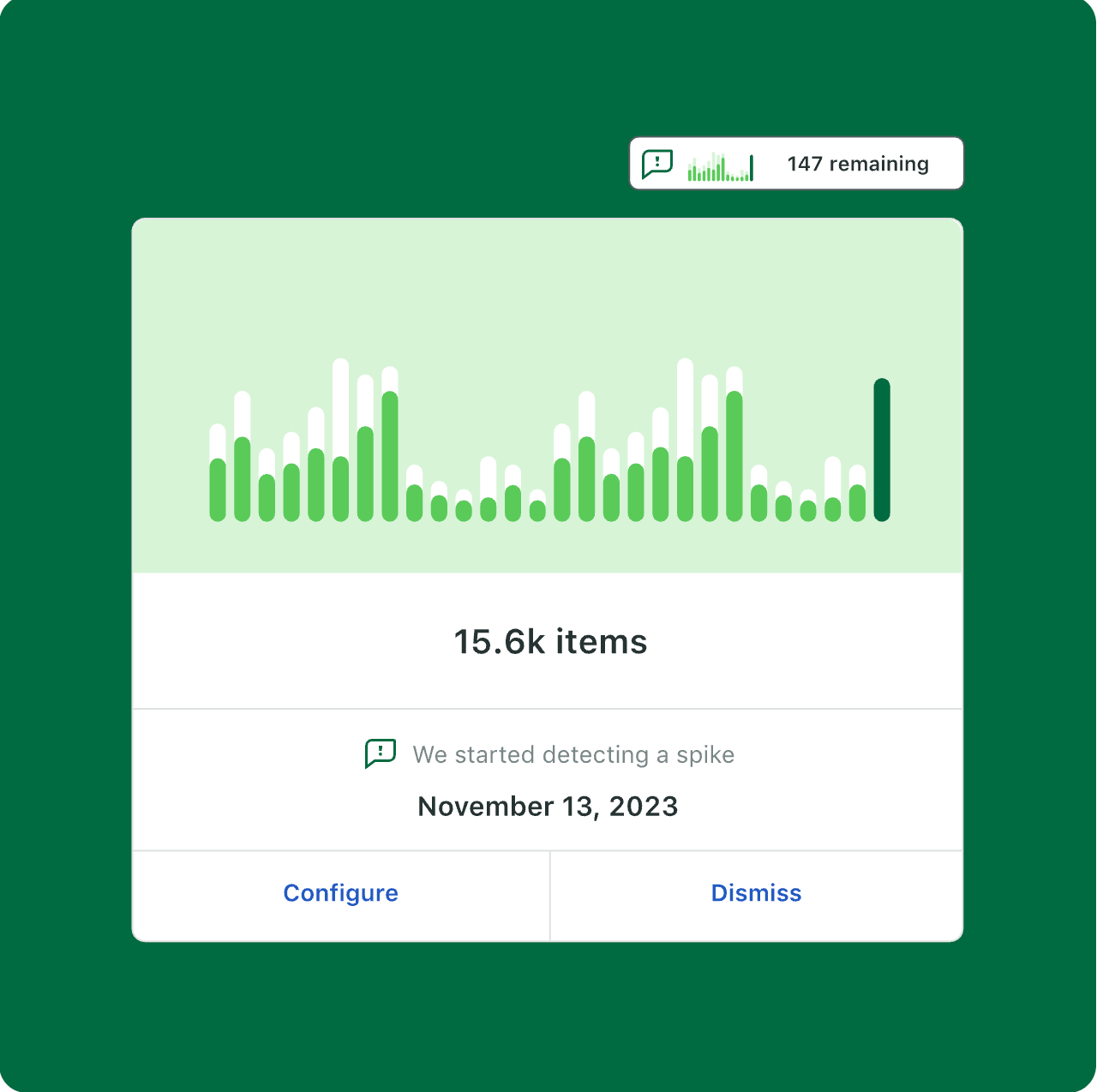
- Sprout Social: Positioned for the enterprise segment, Sprout Social excels in high-volume environments. Its core advantage lies in real-time alert systems that detect unusual spikes in brand sentiment or mention volume, allowing teams to mitigate reputational risks before they escalate.
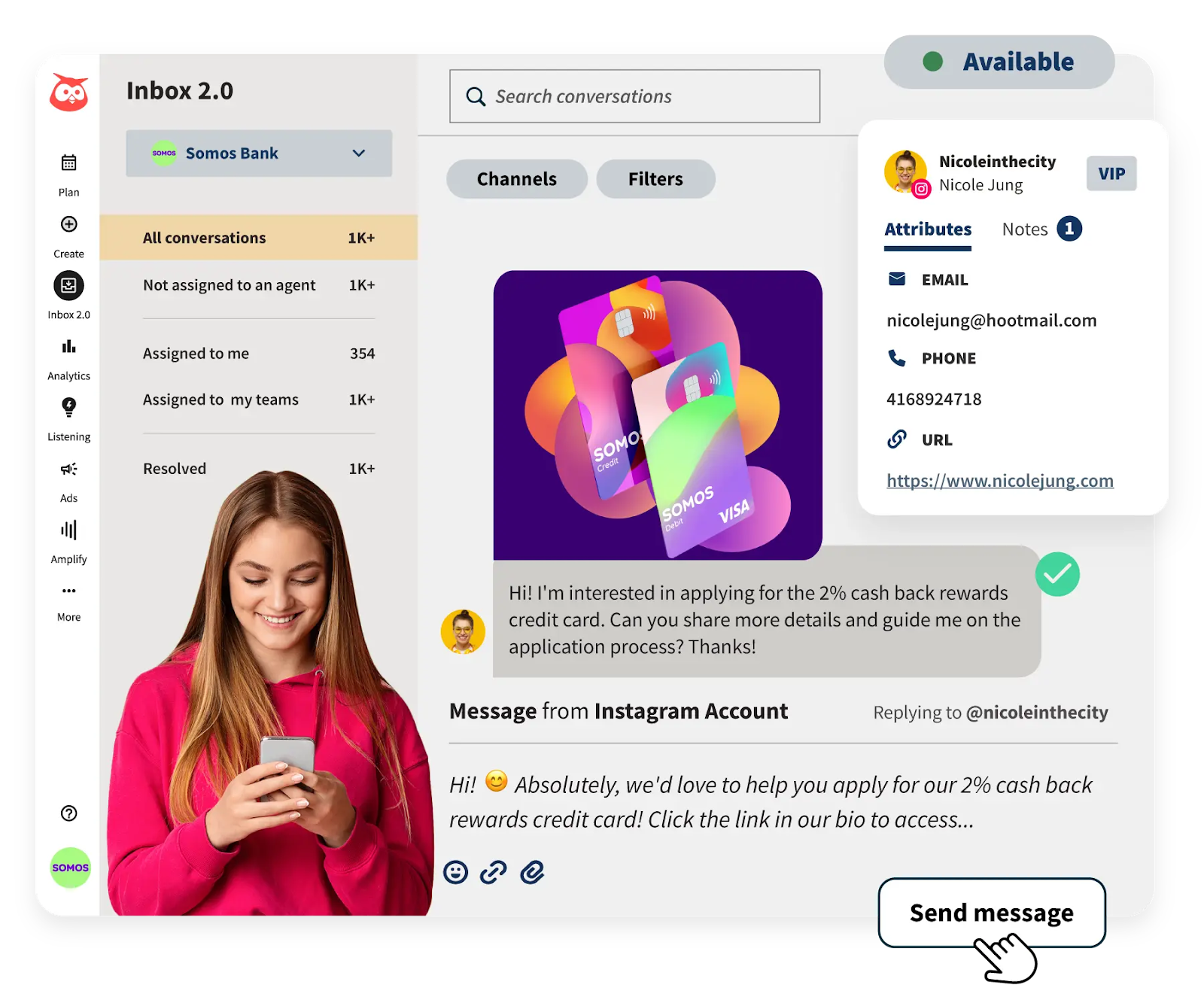
- Hootsuite: A legacy leader in the space, Hootsuite offers robust enterprise-grade features, including information masking for data privacy and complex routing workflows that ensure messages are directed to the appropriate department, whether that be sales, support, or public relations.
2. Customer-Centric and CRM-Focused Tools
For organizations where social media functions as a primary customer service channel, CRM integration is critical.
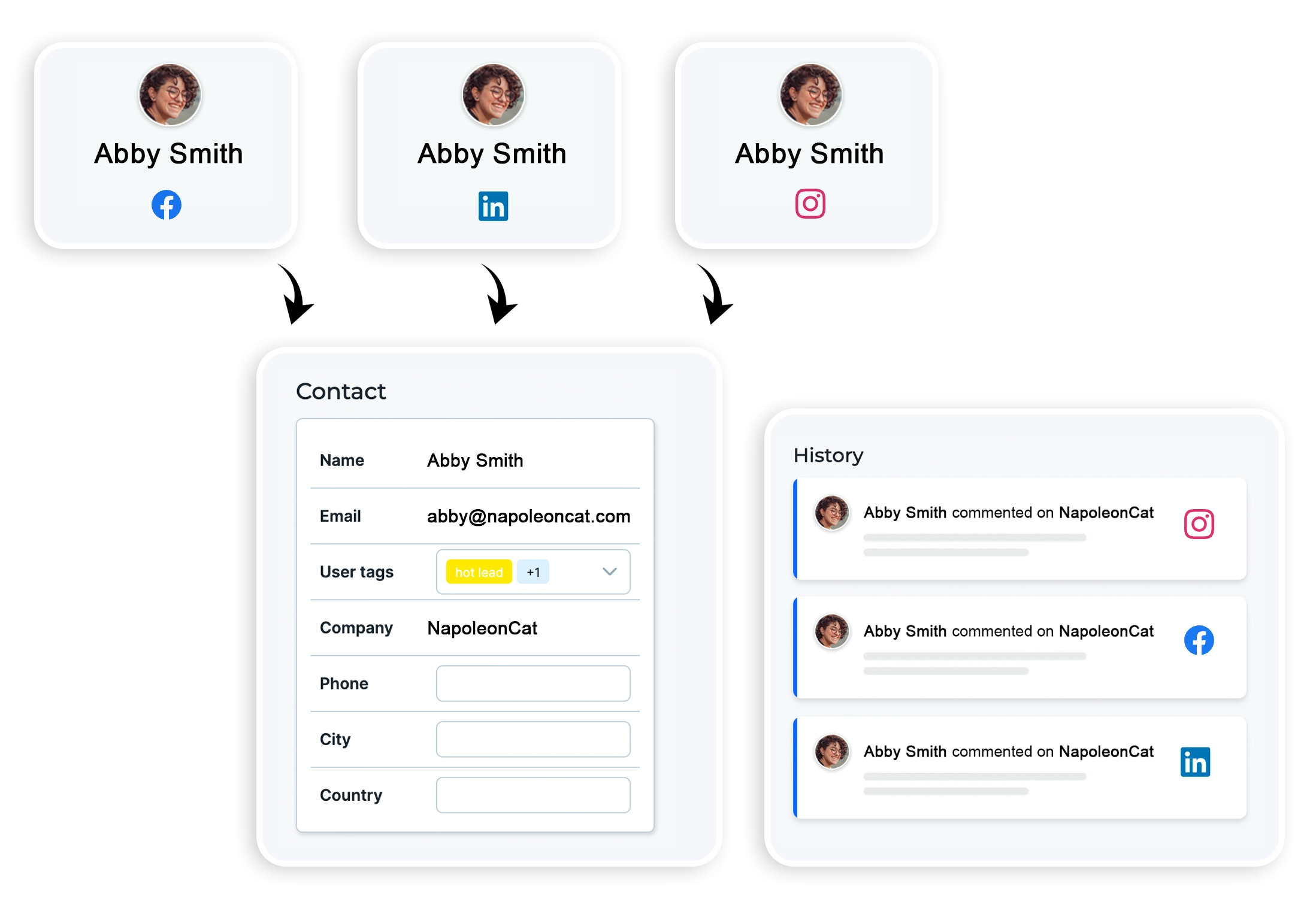
- NapoleonCat: By treating social media interactions as customer service tickets, NapoleonCat allows teams to add internal notes, user tags, and sentiment data to individual profiles. This historical context ensures that every team member can provide a personalized experience, regardless of who handled the initial query.
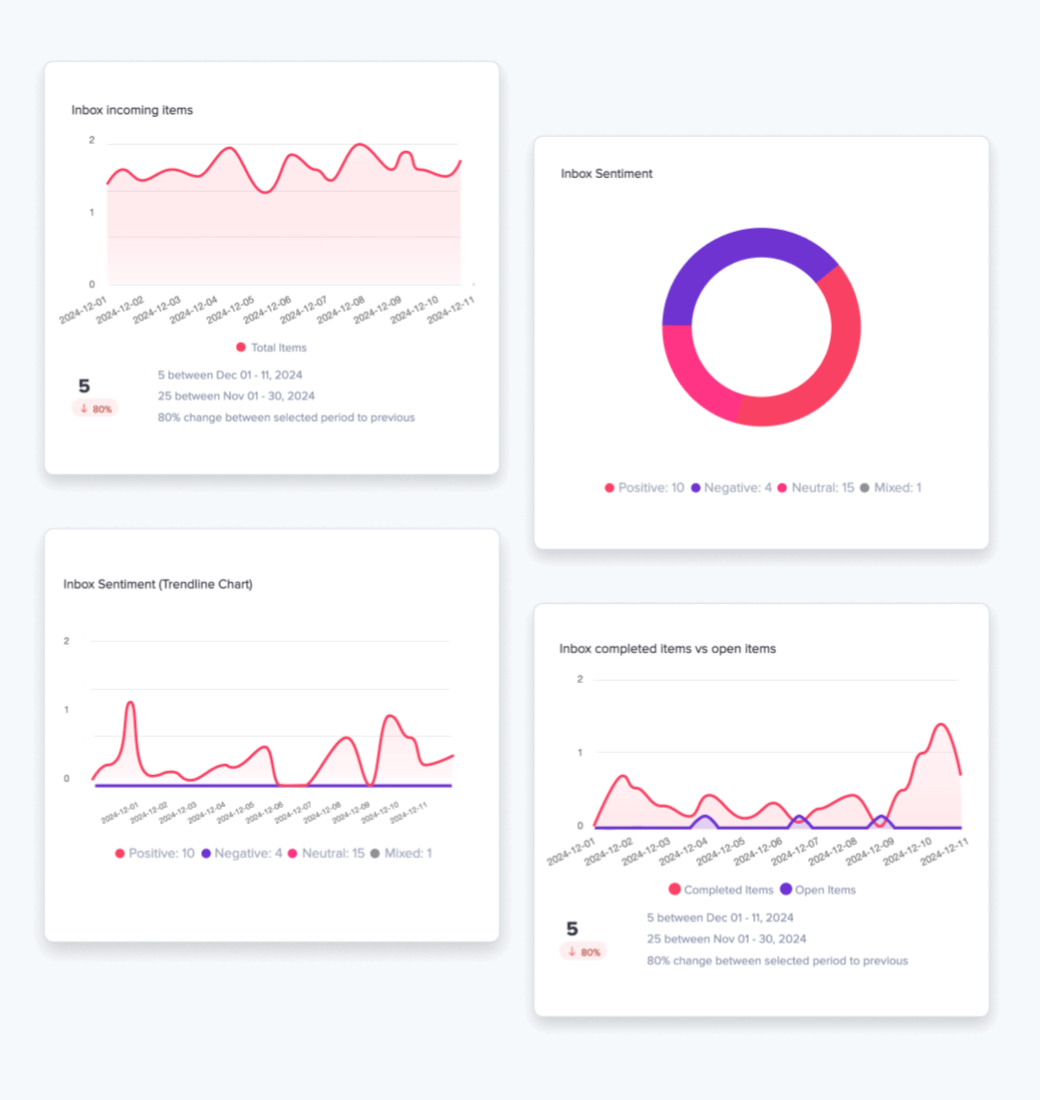
- Eclincher: This platform distinguishes itself through advanced inbox analytics. By measuring "first response time" versus "resolution time," managers can evaluate the efficacy of their support staff and optimize staffing levels based on peak engagement periods.
3. Automation and Moderation Specialists
Automation tools are designed to alleviate the burden of repetitive administrative tasks, allowing human moderators to focus on complex queries.
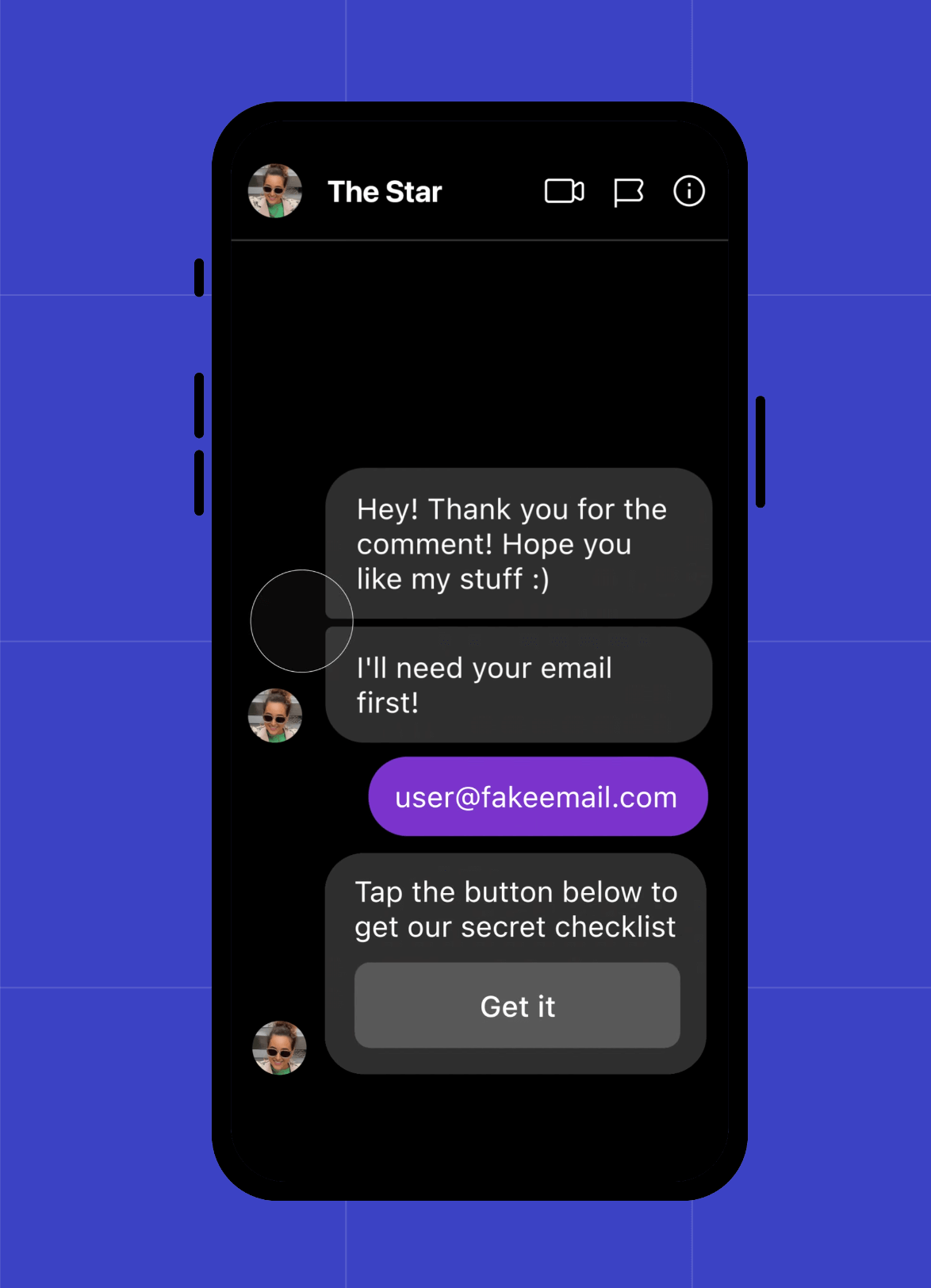
- Manychat: Primarily focused on DM automation, this tool allows creators to set up sophisticated keyword-based triggers. For instance, a user commenting "link" on a post can trigger an automated, personalized DM containing the relevant resource, effectively turning engagement into a conversion funnel.
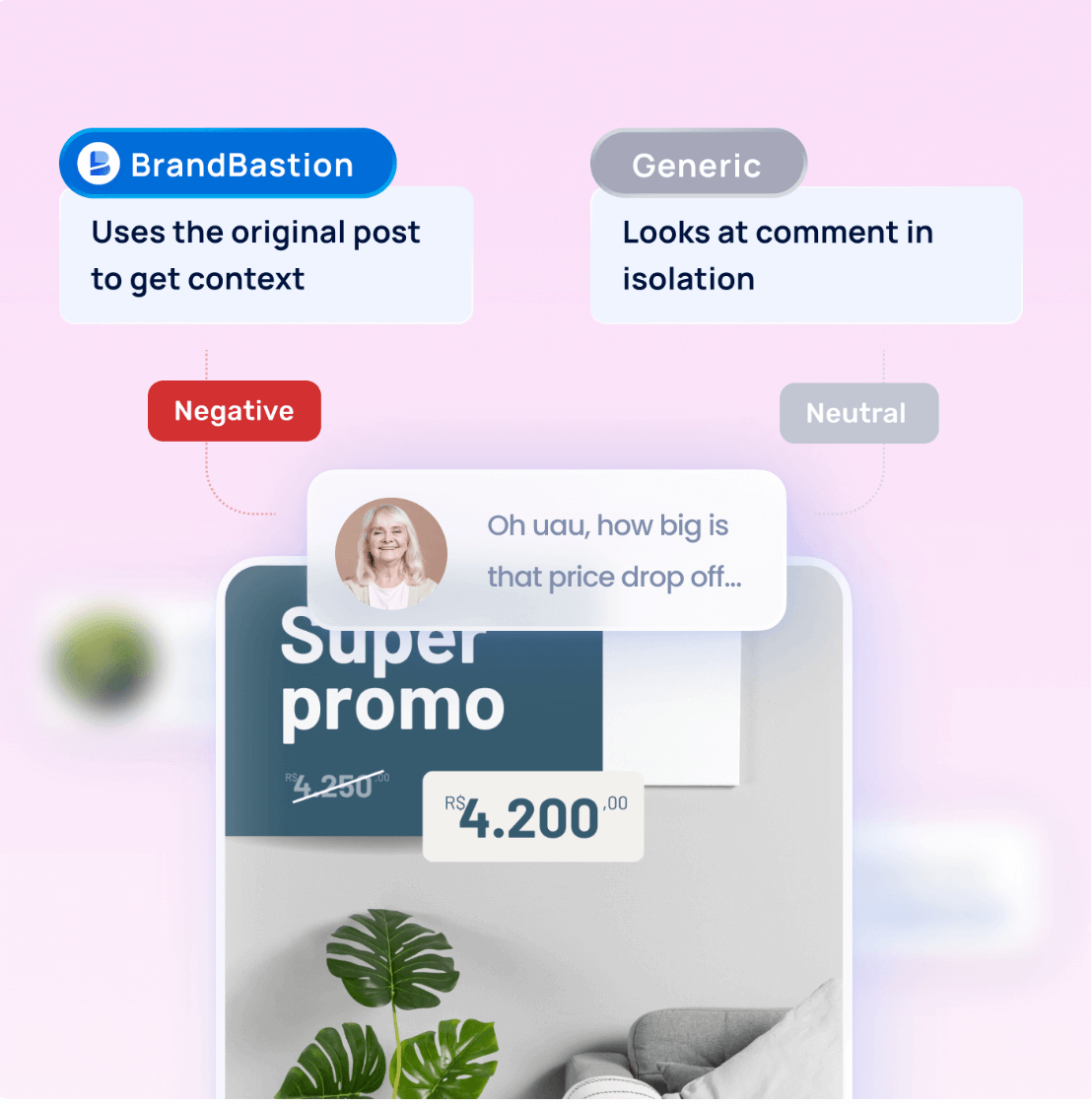
- BrandBastion: Utilizing AI trained across 109 languages, this platform offers a hands-off approach to moderation. It is particularly effective for global brands that need to filter profanity, spam, or toxic language in real-time across diverse geographical markets.
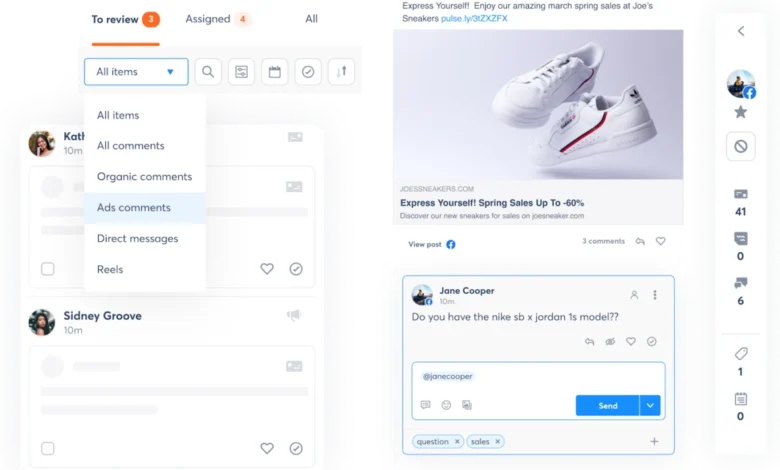
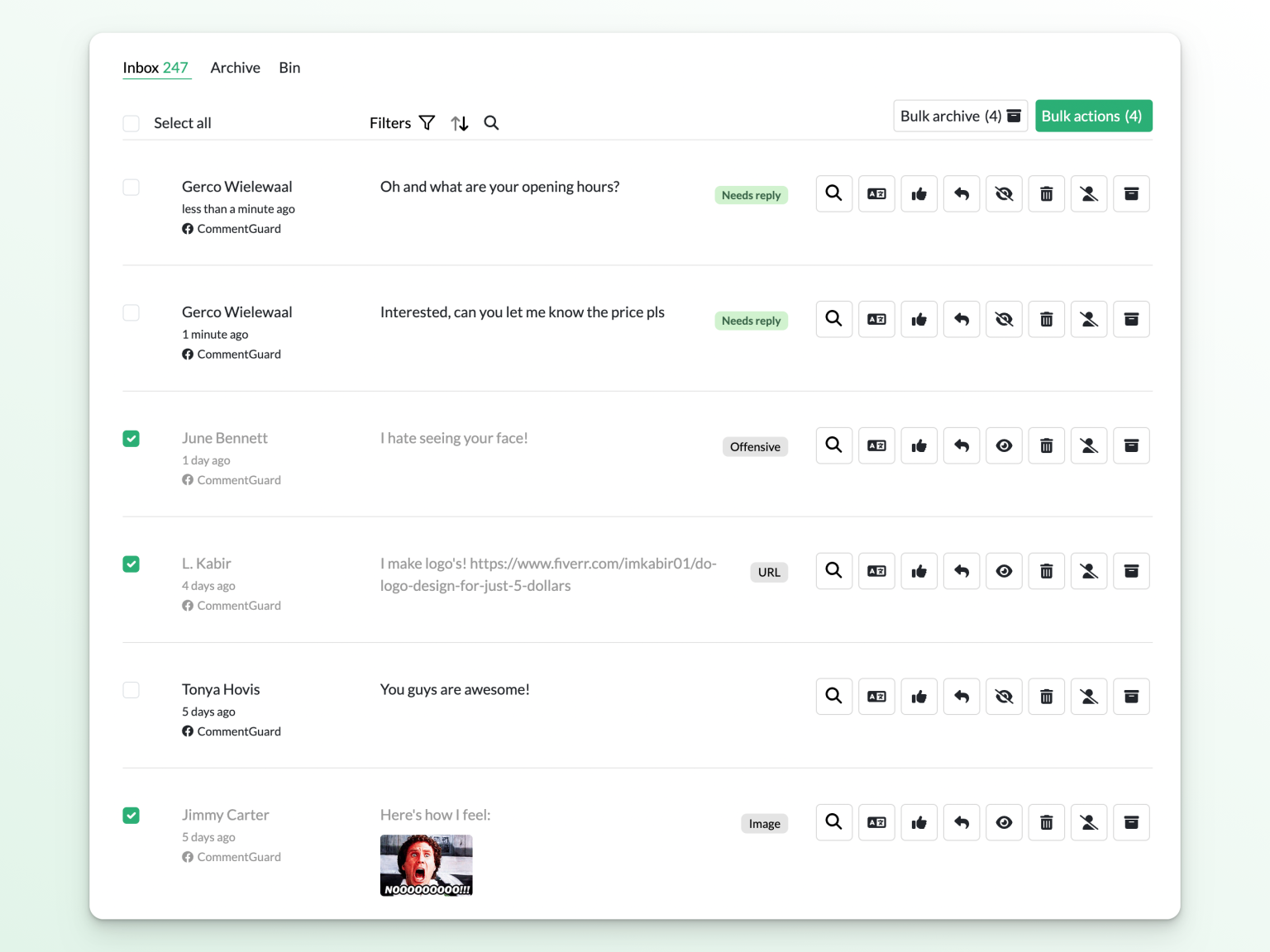
- CommentGuard: This tool focuses specifically on the Meta ecosystem. Its primary function is the automated filtering of comments on both organic posts and paid advertisements, ensuring that brand-sensitive content remains professional without requiring manual review.
Chronology of Feature Integration
The development of these tools has followed a clear trajectory:
- 2010–2015: The "Scheduling Era," where tools focused primarily on content calendar management and basic post-publishing.
- 2016–2020: The "Inbox Era," where platforms introduced unified inboxes to consolidate notifications from multiple social networks.
- 2021–Present: The "Intelligence Era," marked by the integration of Generative AI for drafting responses, sentiment analysis for proactive crisis management, and automated moderation to protect brand equity.
The Role of Free and Native Solutions
Not every entity requires a paid subscription to manage engagement. Meta Business Suite, for example, remains the industry standard for those operating exclusively within the Facebook, Instagram, and WhatsApp ecosystems. It offers a comprehensive, free-of-charge suite for managing comments and DMs, including the ability to set up basic automated away messages. While it lacks the cross-platform capabilities of third-party tools, it serves as a robust entry point for small businesses.
Strategic Implications for Organizations
The selection of an engagement tool should be guided by three primary factors: the volume of incoming interactions, the complexity of the internal approval process, and the necessity for deep analytics.
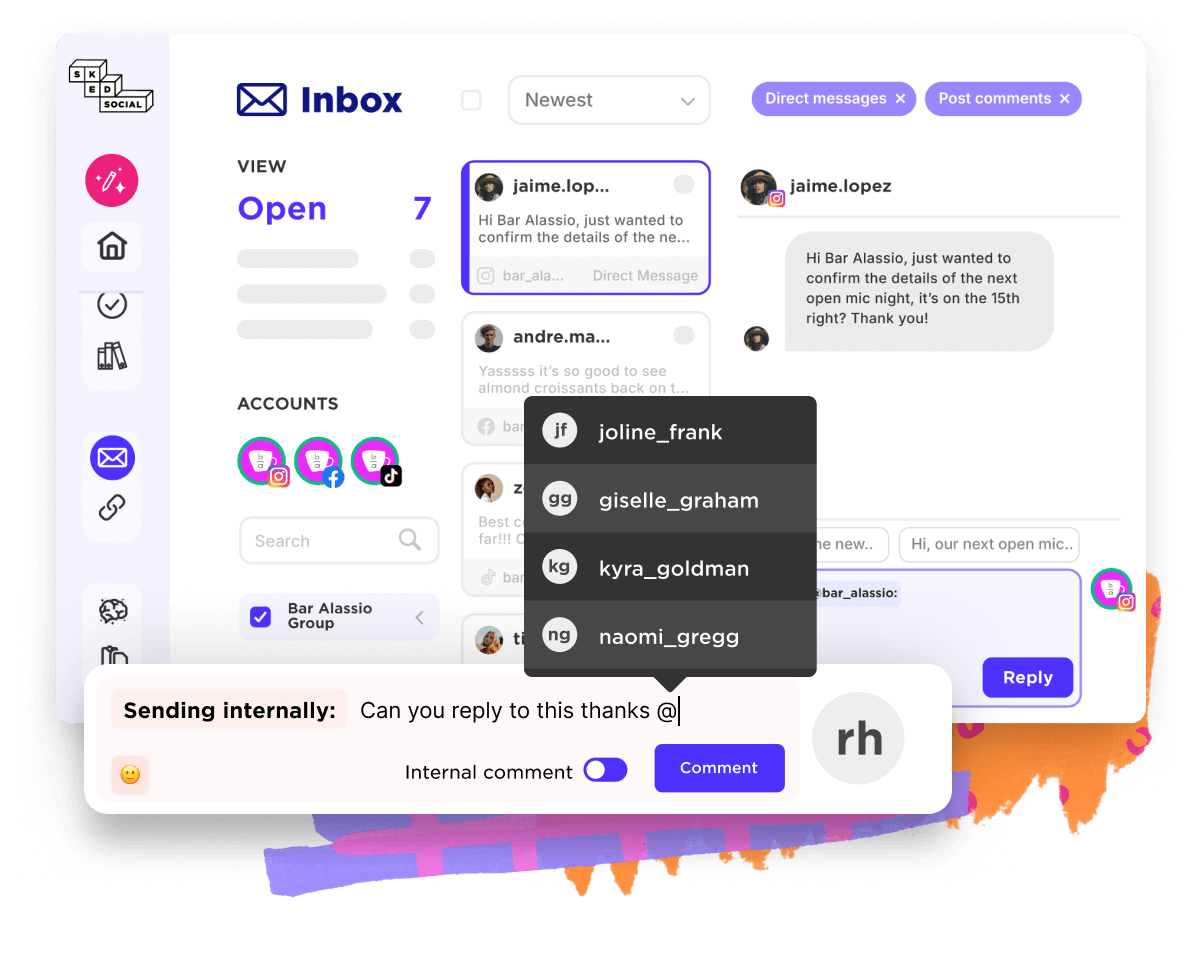
For an agency managing dozens of clients, the ability to grant "view-only" access to clients for approval workflows—a feature championed by Sked Social—is more valuable than raw AI-reply speed. Conversely, for a direct-to-consumer brand, the ability to track the ROI of an ad comment reply through UTM parameters—a capability of Agorapulse—is essential for justifying marketing spend.
Future Outlook and Data-Driven Engagement
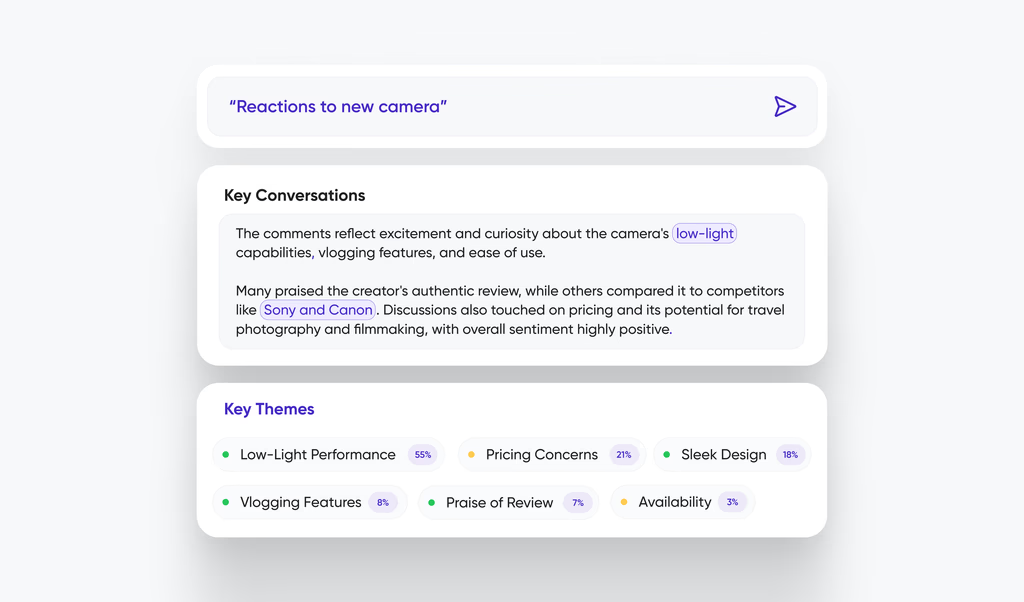
As we move toward 2027, the focus of these tools is shifting toward "predictive engagement." Emerging technology now allows brands to not only react to what is being said but to identify themes and recurring pain points within comment sections using tools like Siftsy. By exporting these qualitative insights into broader business reports, marketing teams are increasingly influencing product development and customer experience strategies.
The conclusion for any organization is clear: the goal of social media engagement software is to move beyond the "chore" of responding. By leveraging technology to handle the heavy lifting, teams can reclaim their time to focus on the human element of digital interaction—building genuine, lasting relationships with their audience. The most effective engagement tool is ultimately the one that integrates seamlessly into a team’s daily routine, turning a chaotic notification feed into a structured, data-informed asset.
Related posts: