Navigating the Trust Recession: Why Authenticity is the Ultimate Currency in 2026 Social Media Marketing

The digital landscape is undergoing a profound psychological shift, one defined by heightened consumer skepticism and a widespread demand for radical transparency. According to data compiled across recent pulse surveys released by social media management giant Sprout Social, authenticity has cemented its position as the single most important brand characteristic on social media. However, as audiences grow increasingly wary of manufactured narratives, synthetic media, and corporate spin, brands are discovering that earning and retaining digital trust requires significantly more effort than it did even a year ago.
This environment of heightened scrutiny—frequently characterized by industry analysts as a "trust recession"—is reshaping how consumers interact with commercial entities online. Modern users routinely turn to social platforms not merely for entertainment, but as vital search engines for breaking news, product recommendations, and interpersonal connection. Yet, this reliance exists in direct tension with a growing undercurrent of skepticism. Data from early 2026 tracking reveals that approximately 35% of social media users trust these platforms less than they did just twelve months prior. The proliferation of artificial intelligence-generated content has severely exacerbated this trend, blurring the lines between genuine human experiences and artificially manufactured promotional material.
The Anatomy of the Trust Recession: Chronology and Background
To understand how the digital ecosystem arrived at this juncture, one must examine the rapid technological and behavioral shifts of the mid-2020s. For years, social media grew as an unfiltered window into the lives of peers and the inner workings of corporations. However, as generative AI tools became universally accessible, feeds flooded with hyper-realistic, yet entirely synthetic, imagery and copy.
Throughout the first and second quarters of 2026, market researchers documented a measurable cooling in consumer sentiment. Consumers, inundated with flawless digital advertisements and generic corporate content, began experiencing fatigue. By the third quarter of 2026, empirical surveys confirmed that audiences were actively pushing back against unlabelled artificial intelligence and evasive brand communication.

Industry events, such as Sprout Social’s midyear reality check webinar, "Be So FR," brought these tensions to the forefront, framing the challenge not as a temporary marketing hurdle, but as a structural evolution in consumer expectations. Brands were forced to confront an uncomfortable reality: traditional corporate polish was no longer an asset; instead, it was frequently perceived as a liability or a mask for deception.
Social Media as the Frontline of Consumer Decision-Making
The mechanics of brand discovery have fundamentally inverted over the past decade. Historically, a consumer might see an advertisement, visit a corporate website, and make a purchase decision based on proprietary marketing materials. Today, the journey almost invariably begins on social media, mediated by the voices of other users.
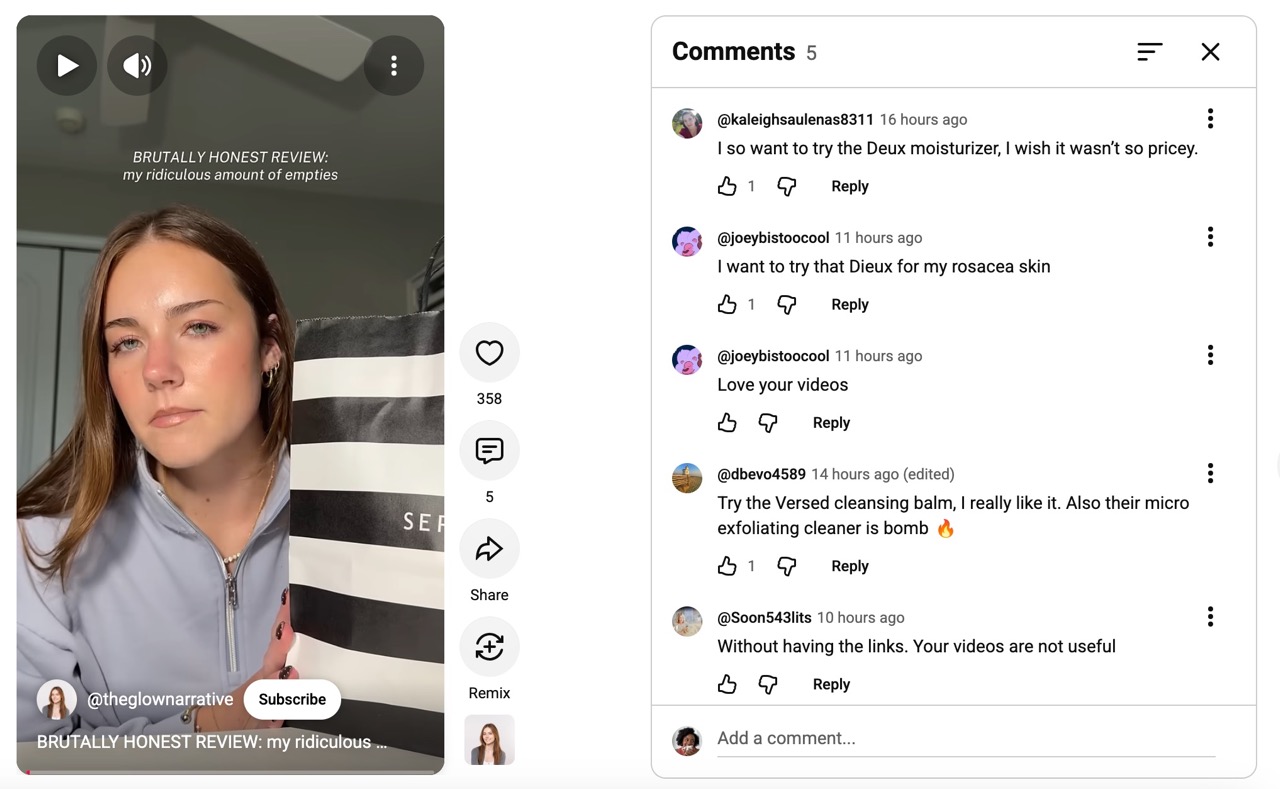
Consumers routinely vet potential purchases by combing through comment sections, evaluating peer-to-peer recommendations, and observing how brands handle public inquiries. When a skincare brand partners with a creator like @theglownarrative, for instance, the evaluation process extends far beyond the initial video review. Viewers actively debate pricing, share personal skin concerns, and suggest alternatives within the comments. This decentralized dialogue forms a rich tapestry of social proof that traditional advertising cannot replicate.
Furthermore, this online scrutiny is magnified exponentially when a brand experiences a crisis. According to mid-2026 market data, the vast majority of consumers first encounter news of a corporate crisis directly on social media channels rather than through traditional press releases or investor relations statements. Crucially, 64% of consumers assert that it is imperative for brands to address these crises publicly and transparently on social media platforms, rather than hiding behind sanitized corporate statements. The public expectation is immediate, direct, and unforgiving accountability.
The Four Pillars of Modern Brand Trust
Navigating this climate requires a systematic approach to digital communication. Industry frameworks highlight four foundational trust builders—consistency, responsiveness, transparency, and proof—alongside their corresponding "trust breakers" that actively alienate modern audiences.
| Trust Builder | Core Definition | Trust Breaker (Behaviors to Avoid) |
|---|---|---|
| Consistency | Maintaining a recognizable voice and following through on stated corporate values. | Chasing transient trends that clash with core identity or making unbacked promises. |
| Responsiveness | Acknowledging questions promptly and providing actionable, helpful answers. | Ignoring customer grievances or deploying generic, automated deflection replies. |
| Transparency | Disclosing AI usage, paid partnerships, and openly acknowledging operational mistakes. | Hiding sponsorships, passing off synthetic media as reality, or avoiding accountability. |
| Proof | Showcasing genuine customer experiences, employee expertise, and vetted creator endorsements. | Relying on unsupported product claims or endorsements from unverified figures. |
Consistency and Responsiveness
Consistency is no longer merely a matter of visual branding or posting schedules; it is an ethical alignment between what a brand promises and how it acts. If a corporation champions customer care in its advertising, its comment sections and direct message queues must reflect that ethos.
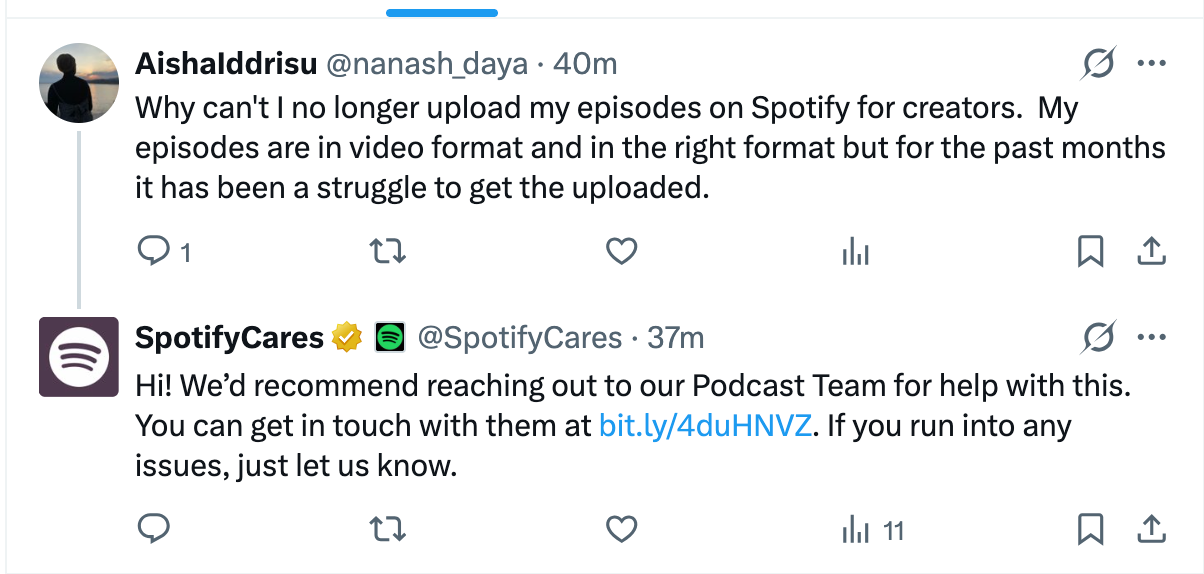
Responsiveness, meanwhile, is dictated by increasingly compressed timelines. Sprout data indicates that 38% of consumers expect a customer care response within two hours, with a demanding 14% expecting acknowledgement within mere minutes. Organizations that fail to meet these windows risk compounding consumer frustration. Conversely, agile public responses—such as corporate accounts swiftly triaging technical bugs or addressing service outages—demonstrate operational competence and respect for the consumer’s time.
Transparency and Proof
Transparency demands an upfront accounting of content creation methods. With 28% of consumers explicitly stating they want brands to cease posting unlabelled AI-generated content, disclosure is non-negotiable. Ethical brands now enforce mandatory human review processes to verify accuracy and explicitly tag synthetic media.
When it comes to proof, everyday users hold the highest credibility. Statistically, 57% of consumers trust everyday users for product recommendations above all others, easily outpacing traditional experts, mega-influencers, or corporate executives.
Five Strategic Imperatives for Building Sustainable Trust
To convert audience trust into measurable business growth, marketing leaders must integrate specific, actionable strategies into their daily workflows.
1. Prioritize Radical Authenticity
Modern consumers possess a finely tuned radar for corporate insincerity. Survey data indicates that roughly a quarter of consumers want brands to sound distinctly less corporate, while an equally significant portion desires a reduction in overt sales pressure. Organizations must shed rigid, risk-averse vocabulary in favor of conversational, human language that clearly communicates product utility and corporate values.
2. Institutionalize Social Listening and Action
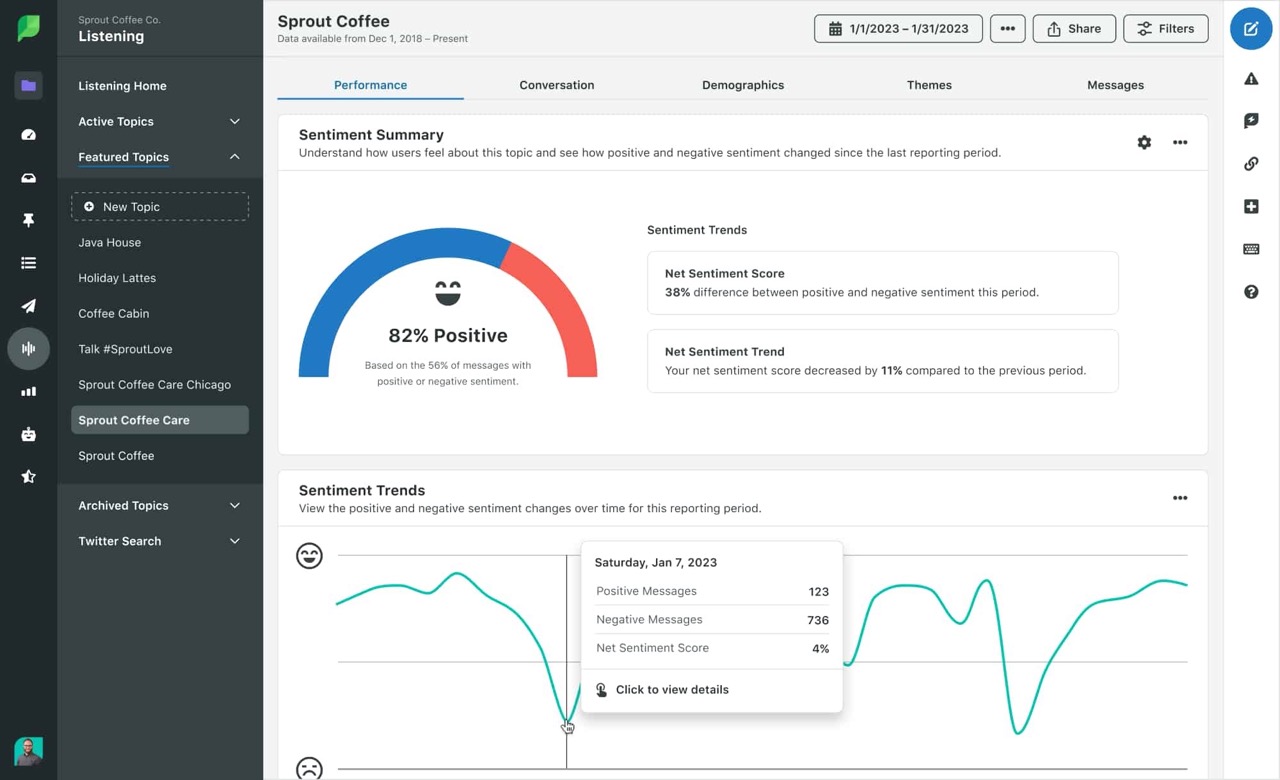
Listening to digital conversations must extend beyond tracking direct mentions. Utilizing advanced social listening dashboards allows enterprises to monitor broad industry trends, competitor sentiment, and emerging consumer pain points. Crucially, gathering this intelligence is only half the battle; brands must act on the findings. When customer feedback drives a product update or a policy change, organizations must "close the loop" by publicly acknowledging how audience input shaped the decision.
3. Vetting and Cultivating Influencer Partnerships
The era of selecting influencers based solely on massive follower counts has waned. Contemporary data reveals that 47% of consumers evaluate a creator based on their specific topical expertise, while only 17% factor in total follower size. Brands must prioritize alignment, scrutinizing potential partners for past controversies, adherence to disclosure regulations, and genuine product familiarity. Utilizing automated safety reporting tools can help compliance teams mitigate risks before partnerships go live.
4. Amplify User-Generated Content and Employee Advocacy
The most persuasive marketing assets are frequently created organically by the community itself. Inviting customers to share their authentic use cases—and legally featuring those stories—adds immediate credibility. Furthermore, frontline employees represent an untapped reservoir of trust. With nearly half of consumers expressing a desire to hear directly from everyday workers, empowering employees to share behind-the-scenes expertise or address common questions adds an invaluable layer of human connection. To maintain fairness, industry analysts note a growing consensus that employees participating in advocacy programs should be appropriately compensated or supported.
5. Cultivate Communities, Not Captive Audiences
Transactional relationships yield fragile brand loyalty. Forward-thinking organizations are shifting focus toward building genuine communities where consumers with shared interests can exchange ideas, troubleshoot problems, and contribute to brand development. By providing platforms for user collaboration—such as highlighting community-created resources or hosting regular expert question-and-answer sessions—brands transform passive followers into active stakeholders.
Broader Implications and Strategic Outlook
The overarching takeaway for marketing executives and public relations professionals is that trust can no longer be treated as an intangible byproduct of advertising. It is the core metric governing long-term commercial viability in the digital economy.
As artificial intelligence continues to mature and the volume of digital noise escalates, the organizations that thrive will be those that anchor their strategies in verifiable proof, rapid accountability, and relentless transparency. By continuously evaluating every digital interaction against the standard of whether it genuinely serves and respects the audience, brands can successfully navigate the trust recession and build resilient, enduring relationships in an increasingly skeptical world.