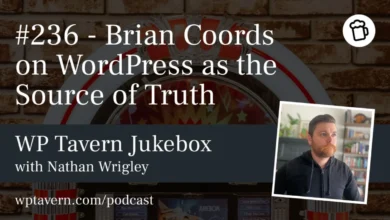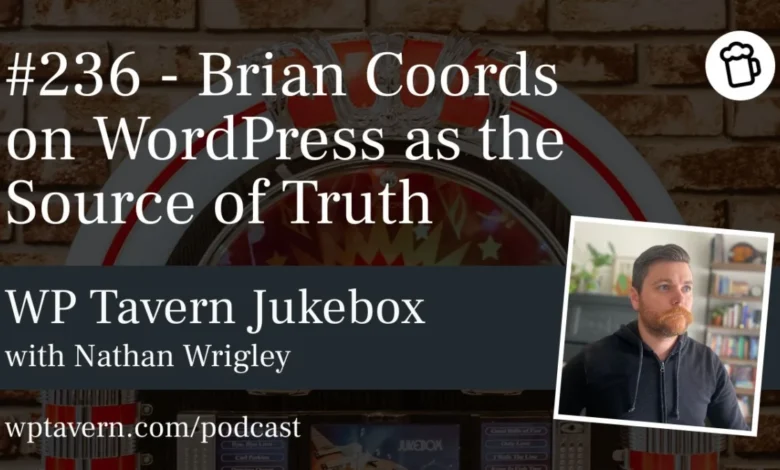
The landscape of web development is undergoing a profound transformation as artificial intelligence (AI) and block-based architecture redefine how digital environments are constructed and maintained. At the recent WordCamp US, Brian Coords, a developer advocate at WooCommerce, presented a keynote titled "The Site is the Source of Truth: Block Themes, AI, and Agency Workflows." The session addressed the intersection of legacy WordPress utility and the rapid integration of generative AI within agency production environments. As agencies grapple with the pressure to adopt automated workflows, the core debate centers on whether the WordPress platform can remain a stable, reliable "source of truth" in an era of fluid, AI-generated content.
The Evolution of the WordPress Ecosystem
For over two decades, WordPress has served as the backbone for approximately 43% of the internet. Its journey from a simple blogging tool to a robust content management system (CMS) has been characterized by consistent iteration. However, the current shift toward block themes—a fundamental change in how WordPress handles layouts—represents a departure from the traditional PHP-heavy theme development models.
This evolution is not merely aesthetic. By moving toward a block-based architecture, WordPress is attempting to reduce "plugin sprawl," a phenomenon where sites become bloated with third-party code to perform basic functions. By integrating core features directly into the block editor, the platform seeks to improve site stability, security, and performance. Despite these potential benefits, the transition has been gradual, as many agencies remain committed to legacy "classic" themes that have powered their clients’ websites for years.
AI Integration and the Risk of Workflow Chaos
The rise of generative AI has introduced a new variable into the agency workflow. While AI tools are capable of producing code, design assets, and written content in seconds, their lack of a centralized "knowledge base" often leads to inconsistent results. Coords argues that without a unified system, AI-driven development can quickly descend into chaos, producing pages that lack brand cohesion or fail to adhere to established design guidelines.
The "source of truth" concept proposes that a WordPress site should function as the central repository for an organization’s design tokens, patterns, and content strategies. By embedding these assets directly into the WordPress environment, developers can provide AI models with a structured, reliable framework. When AI is restricted to pulling from pre-approved patterns and templates, it becomes a powerful efficiency tool rather than an unpredictable generator. This approach allows agencies to maintain the high standards required by enterprise clients while still leveraging the speed of automation.
Supporting Data and Industry Trends
Recent industry analysis suggests that the demand for robust, reliable CMS architecture remains high despite the hype surrounding static site generators and AI-only builds. Data indicates that businesses with long-standing content libraries—such as news publishers and e-commerce giants—are hesitant to abandon stable CMS platforms in favor of experimental technologies. The primary concern is long-term maintainability. An AI-generated site may appear functional at launch, but its lack of a standardized administrative interface can create significant technical debt as the site grows.
Within the WooCommerce ecosystem, the shift toward block themes is particularly critical. WooCommerce stores often require complex integrations for inventory management, payment processing, and customer data. Research from the WordPress community highlights that stores running a high number of plugins (often between 30 and 50) face increased security risks and update fatigue. By atomizing WooCommerce functionality—breaking down elements like "add to cart" buttons and product galleries into individual, customizable blocks—the platform aims to streamline the development process and decrease the reliance on third-party extensions.
The Balancing Act: Core Features vs. The Plugin Economy
A recurring tension exists between the desire for a comprehensive "all-in-one" CMS and the needs of the developer community that sustains the plugin ecosystem. When WooCommerce or WordPress core developers introduce new features that were previously provided by third-party plugins, it creates a "tightrope" situation.
From the perspective of core product management, the priority is to provide a seamless, out-of-the-box experience for the average user. This often necessitates bringing high-demand features into the core software. However, this strategy can impact independent developers who rely on those specific plugins for revenue. The consensus among industry leaders is that the floor for plugin utility is being raised by AI. Simple, "set-it-and-forget-it" plugins are increasingly vulnerable to being rendered obsolete, as AI can generate similar code snippets with ease. Conversely, complex, bespoke integrations remain a vital area for developers to provide value, as these require deep expertise that currently exceeds the capabilities of general-purpose AI.
The Future of Human-Centric Design
Despite the focus on AI, there is a noticeable "pendulum swing" occurring within the developer community. After an initial surge of interest in fully automated content creation, there is a renewed appreciation for human-led creative work. In the professional sector, there is a growing demand for "provably human" content. Clients are increasingly wary of AI-generated assets that may contain errors or lack the nuance required for effective brand communication.
This trend toward human-centricity is expected to influence how agencies position their services. Instead of marketing "AI-built" sites, agencies are beginning to pivot toward "AI-assisted" workflows, where the human developer remains the final arbiter of design and strategy. By using WordPress as a central anchor, agencies can ensure that their work remains professional, secure, and uniquely representative of the client’s brand.
Implications for Agency Workflows
For agencies, the transition to this new paradigm involves several strategic shifts:
- Centralization: Moving brand guidelines, design tokens, and content rules into a structured repository within the WordPress environment.
- Standardization: Adopting block themes to ensure consistent layouts across the site without the need for excessive plugin overhead.
- Selective Automation: Utilizing AI for repetitive tasks, such as generating metadata or summarizing content, while retaining human control over high-stakes design and strategic decision-making.
- Resilience: Prioritizing stability for e-commerce clients by minimizing the number of dependencies and focusing on robust, core-integrated features.
The future of the WordPress ecosystem appears to lie in the balance between the efficiency of AI and the reliability of a mature, human-managed platform. By positioning the website as the definitive source of truth, agencies can build digital environments that are not only capable of adapting to future technological trends but are also capable of sustaining long-term growth and consistency. As Coords and other industry experts suggest, the goal is not to eliminate AI from the workflow, but to ensure that it operates within a framework that respects the complexity and requirements of modern web development. Whether these changes will fully stem the tide of automation or simply evolve the role of the web developer remains to be seen, but the emphasis on foundational stability is a clear indicator of where the industry is heading.
Related posts: