The Evolution of Website Marketing in 2026: Strategies for the AI and Omnichannel Era


The paradigm of digital commerce and online marketing has shifted dramatically. Historically, website marketing relied heavily on a straightforward formula: promote a digital property, drive traffic to a central landing page, and convert visitors into customers through targeted on-site optimization. While the corporate website remains the core conversion hub, the modern customer journey has expanded far beyond traditional boundaries.
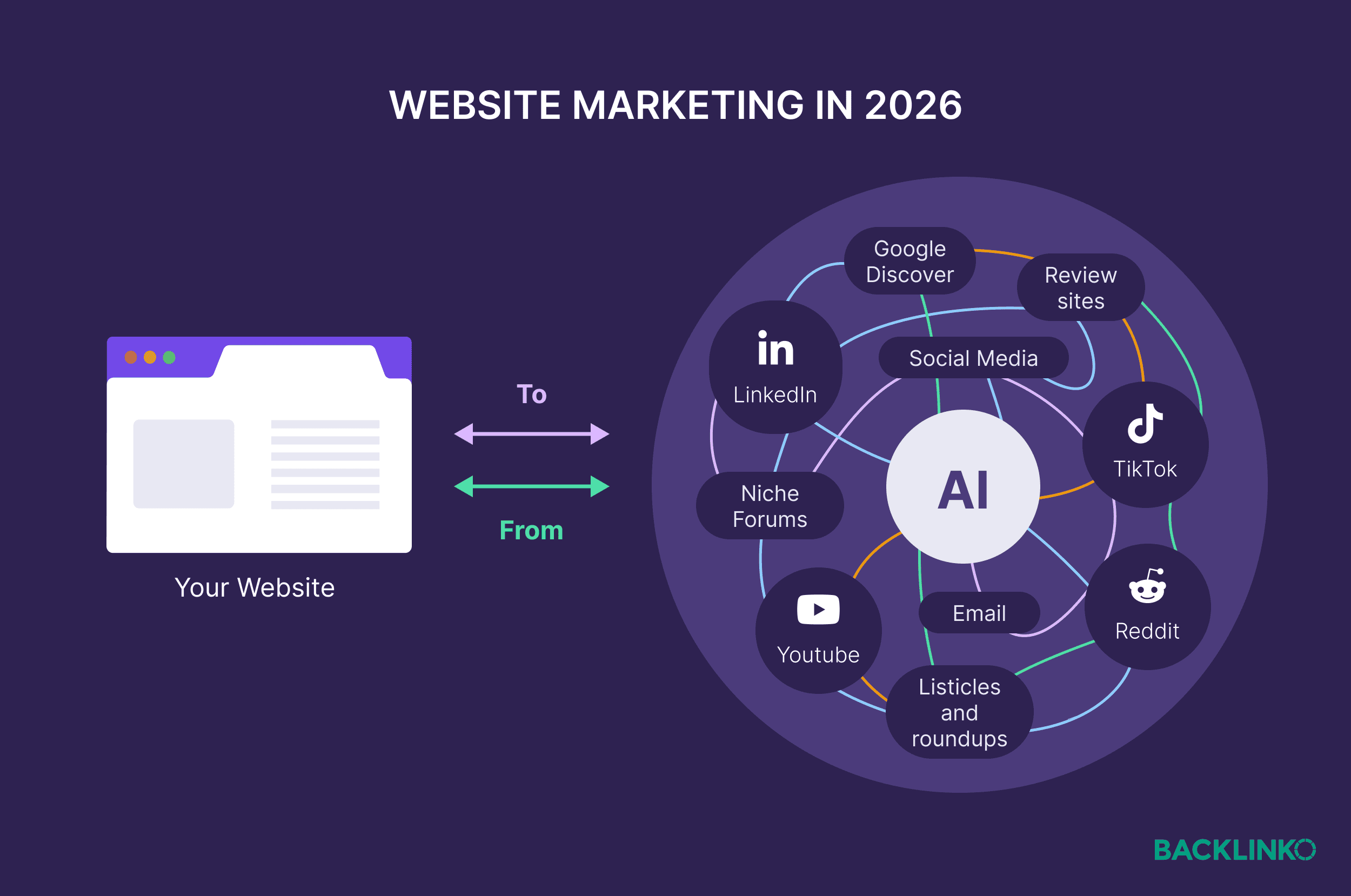
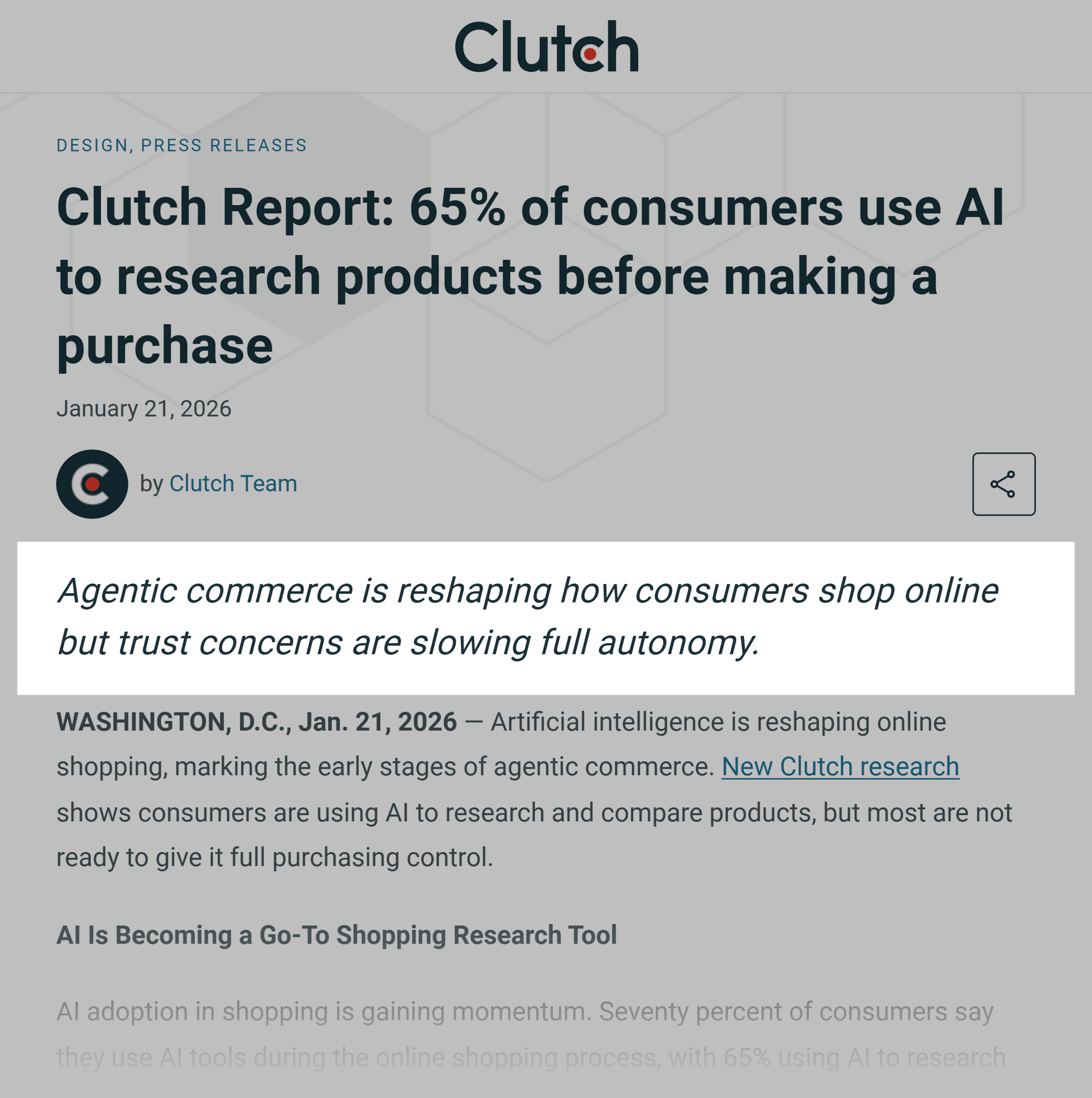
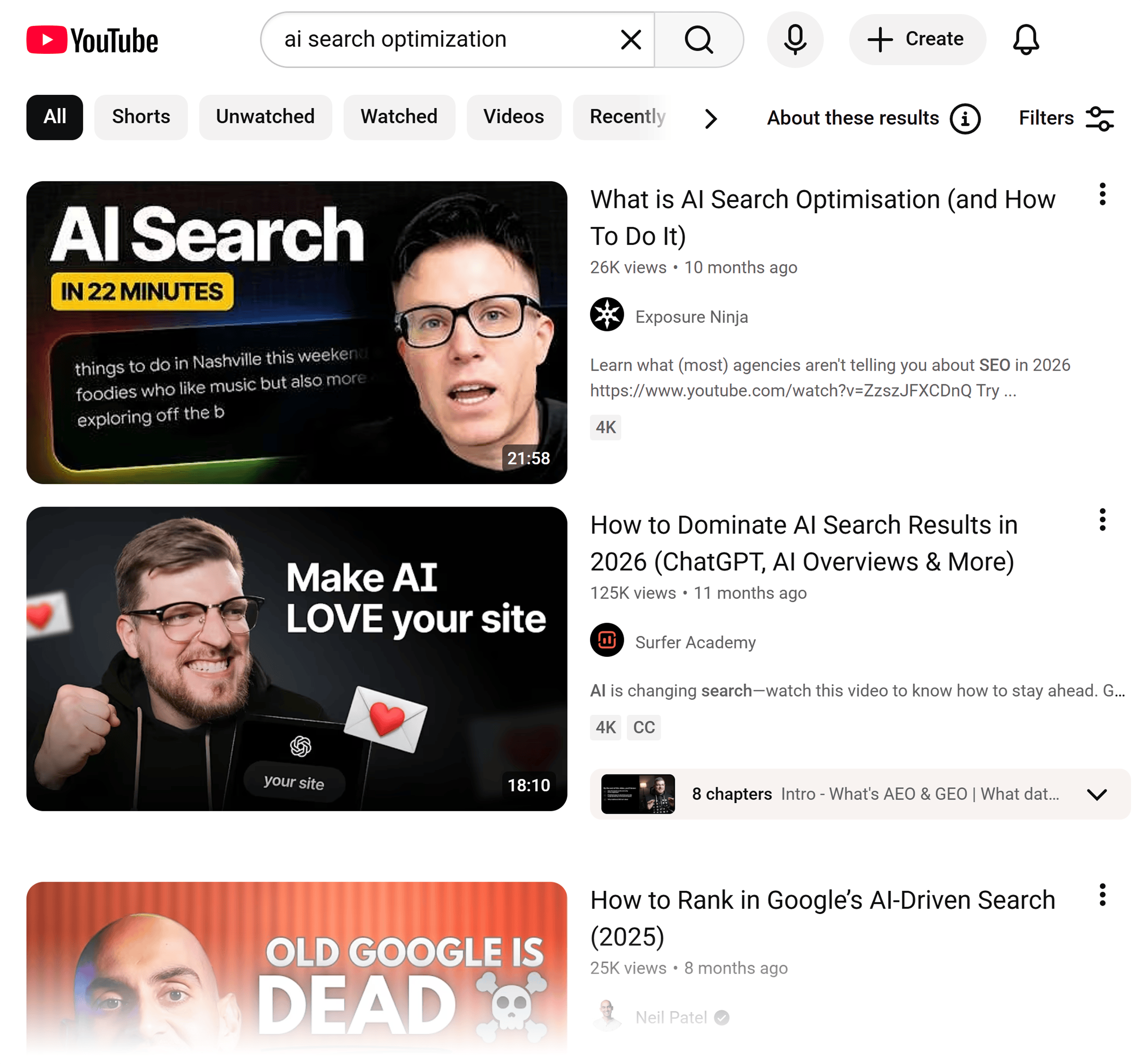
Recent industry analysis indicates that over 65% of modern buyers now utilize artificial intelligence tools, Reddit threads, and social media channels to thoroughly research products, software, and services before ever visiting a brand’s official website. Consequently, consumer perception is frequently shaped on third-party platforms well before an organic or paid click occurs. If a brand lacks visibility and external credibility across these distributed touchpoints, potential customers may never complete the journey to the main site.
To remain competitive, digital marketers must adapt to a multi-layered discovery ecosystem. This comprehensive examination explores the fundamental changes in digital acquisition, the rise of zero-click search environments, and the strategic adjustments necessary to capture high-intent web traffic in 2026.

The Shift Toward AI-Driven Discovery and Brand Perception
The integration of generative AI into daily web browsing has transformed how consumers evaluate purchasing decisions. Large language models (LLMs), conversational search engines, and decentralized community forums now act as preliminary filters for modern buyers. By the time a prospect arrives at an e-commerce platform or B2B SaaS website, they have often already formed a definitive opinion regarding the brand’s reputation, pricing model, and core value proposition.

This behavioral evolution requires a two-pronged marketing strategy: optimizing digital properties for human evaluation while simultaneously engineering how decentralized platforms and AI algorithms describe the brand.
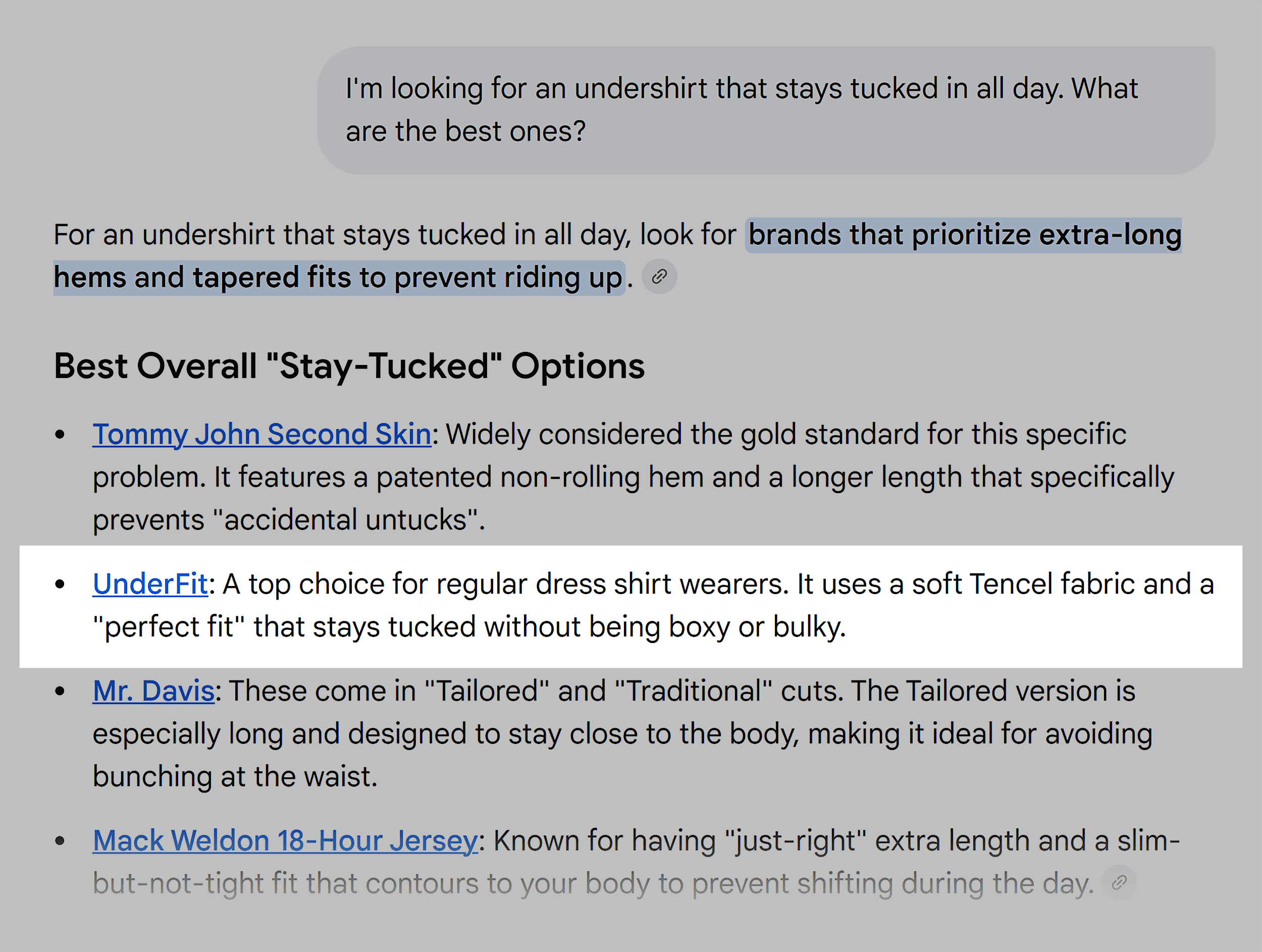
Industry analysts emphasize the importance of maintaining rigorous brand messaging consistency. Companies must establish standardized brand guidelines that explicitly articulate positioning, core values, and specific product benefits. When a unique selling proposition—such as an apparel brand’s guarantee that an undershirt stays tucked all day—is consistently echoed across official web pages, user reviews, community discussions, and external roundups, large language models easily index and associate those benefits with the brand name. Consequently, when users query conversational AI engines for specific product categories, consistent external validation increases the likelihood of brand inclusion in synthesized recommendations.
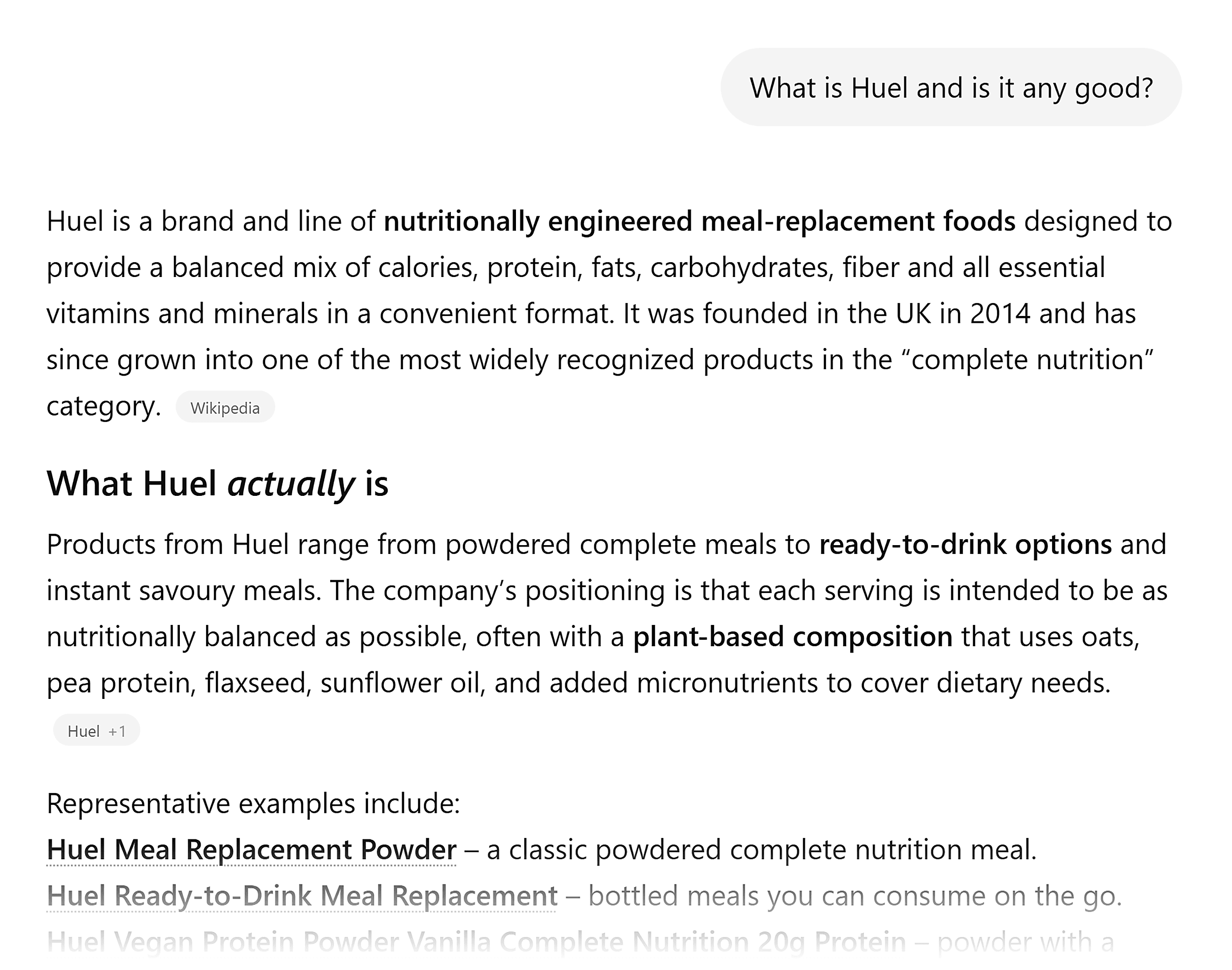
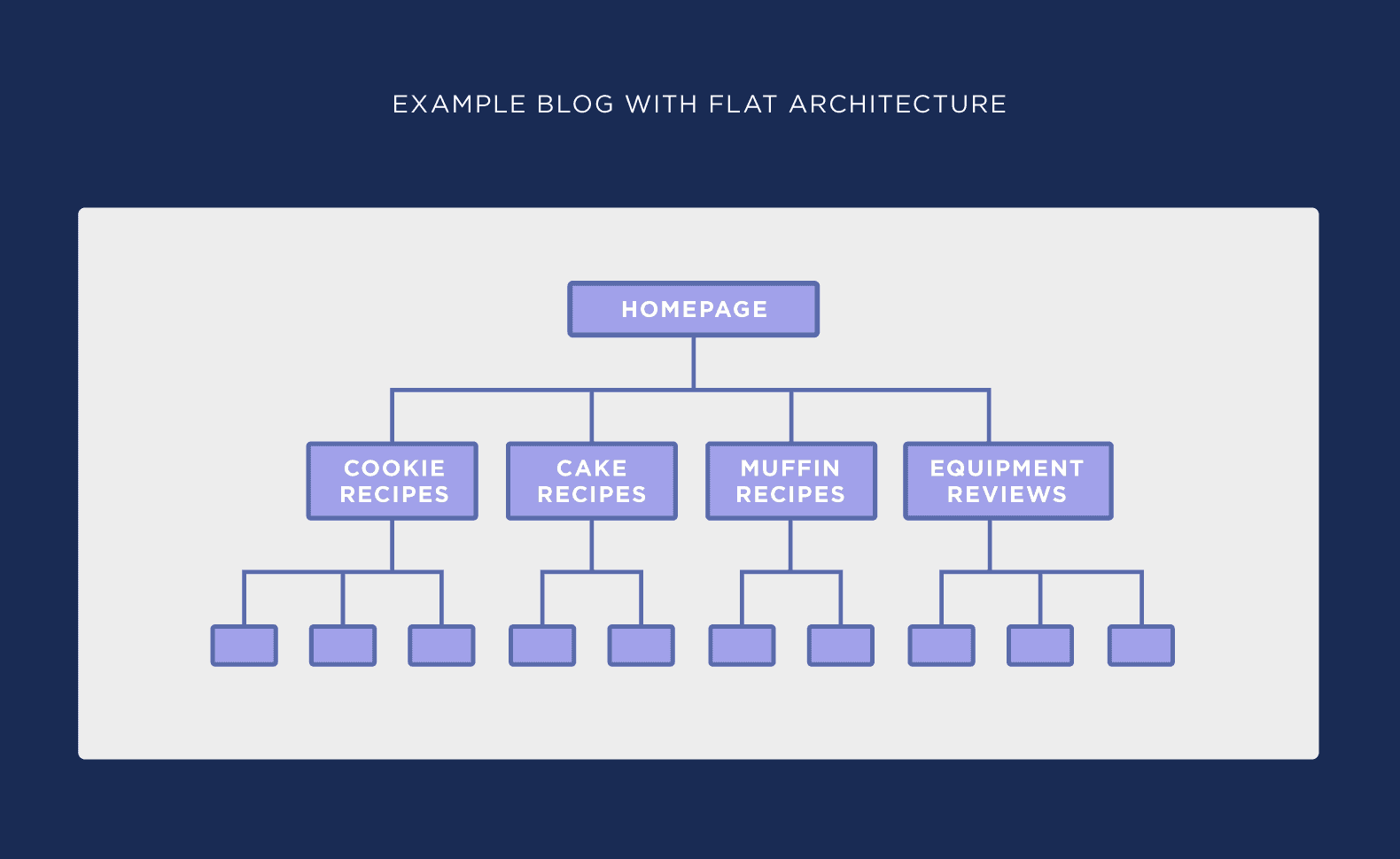
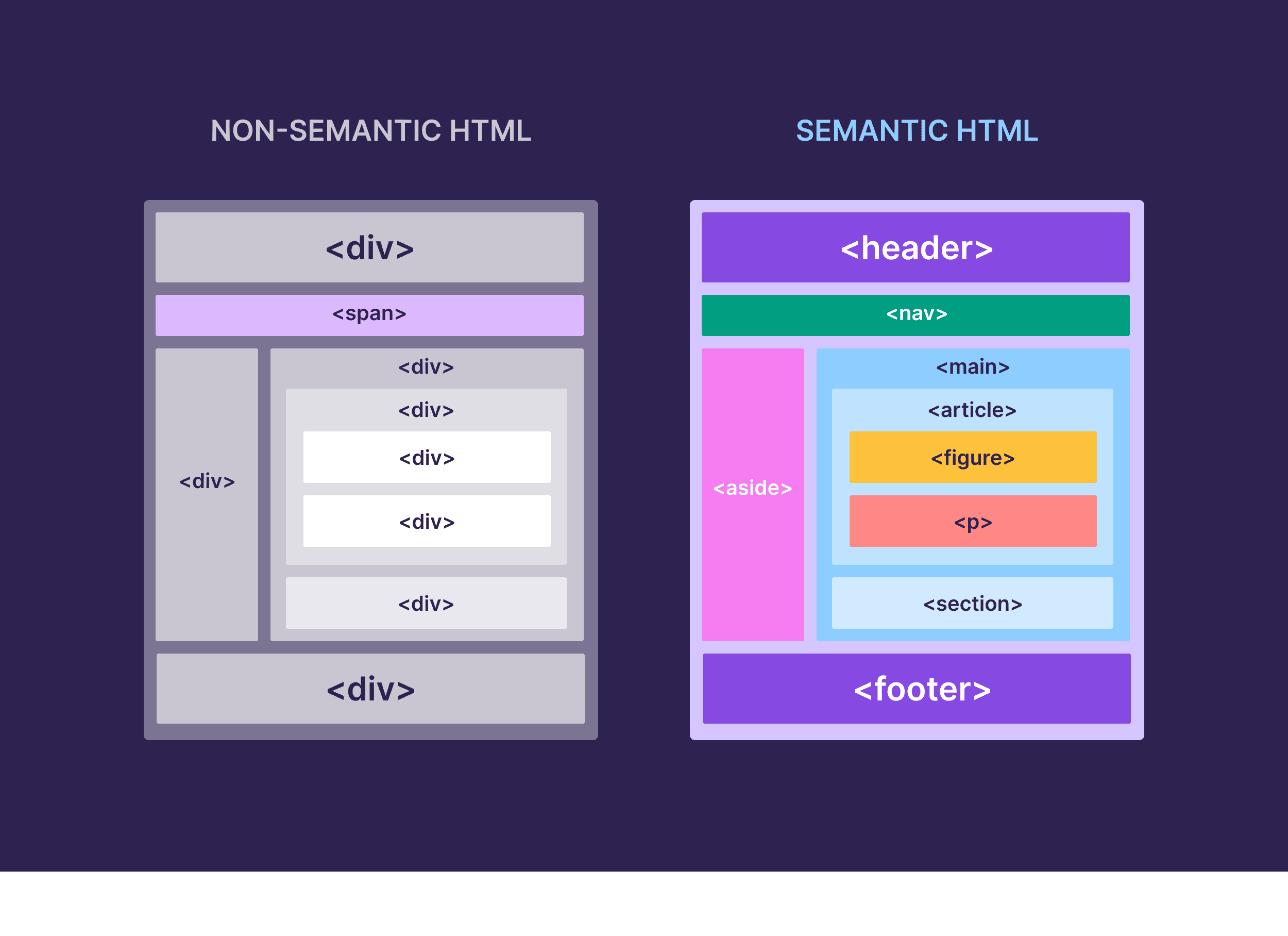
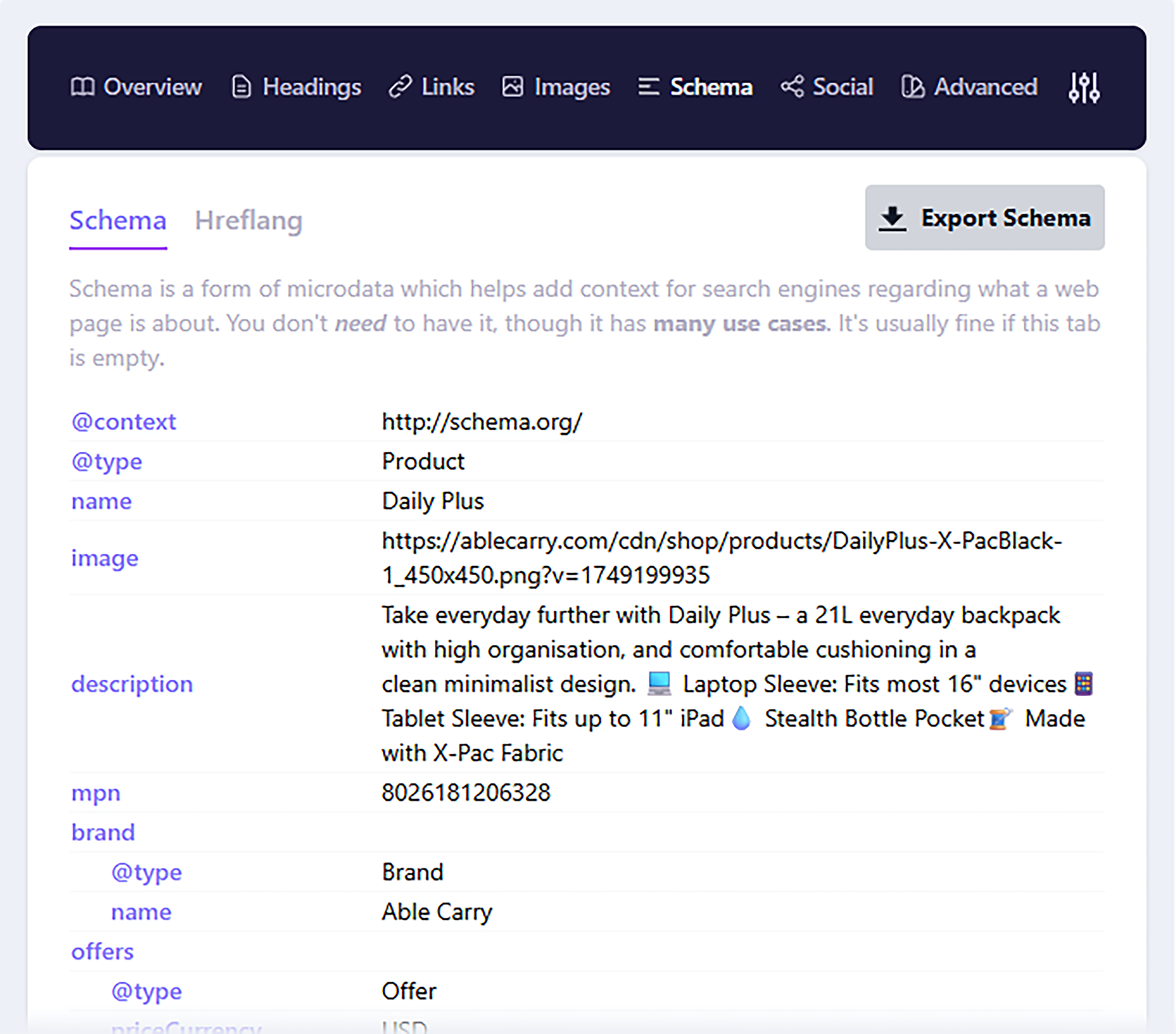
Furthermore, structural optimization at the code level remains essential. Websites must employ semantic HTML, structured data markup, and clean architectural hierarchies. These technical foundations allow search engine crawlers and AI systems to accurately interpret page content, ensuring that deep contextual signals reach both human researchers and automated discovery agents.
Harnessing Visual and Long-Form Video Content for Trust-Building
Text-based content alone is no longer sufficient to establish deep consumer trust in a crowded digital marketplace. Modern consumers increasingly rely on video platforms to familiarize themselves with brand personalities, product demonstrations, and educational resources before committing capital.

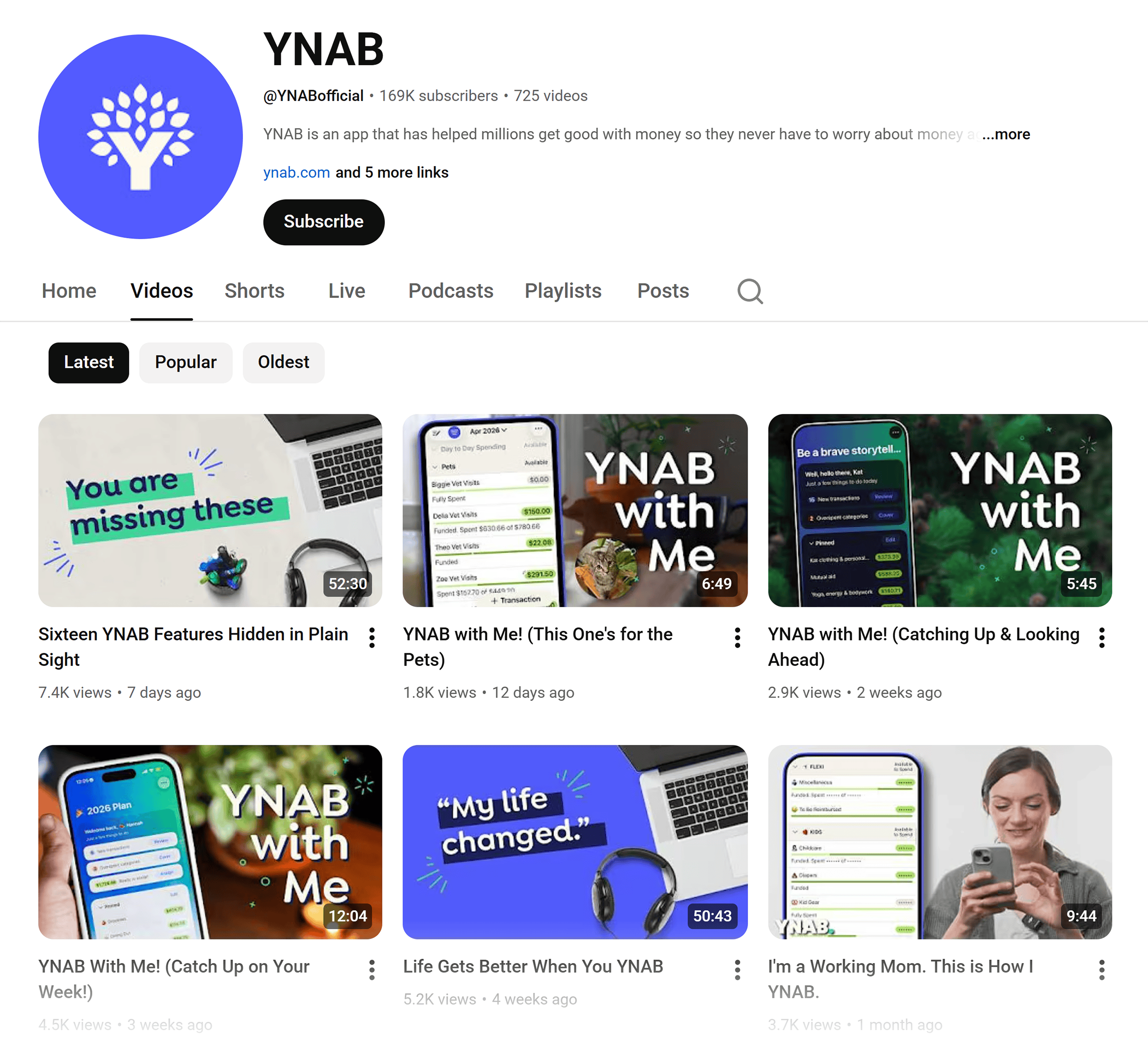
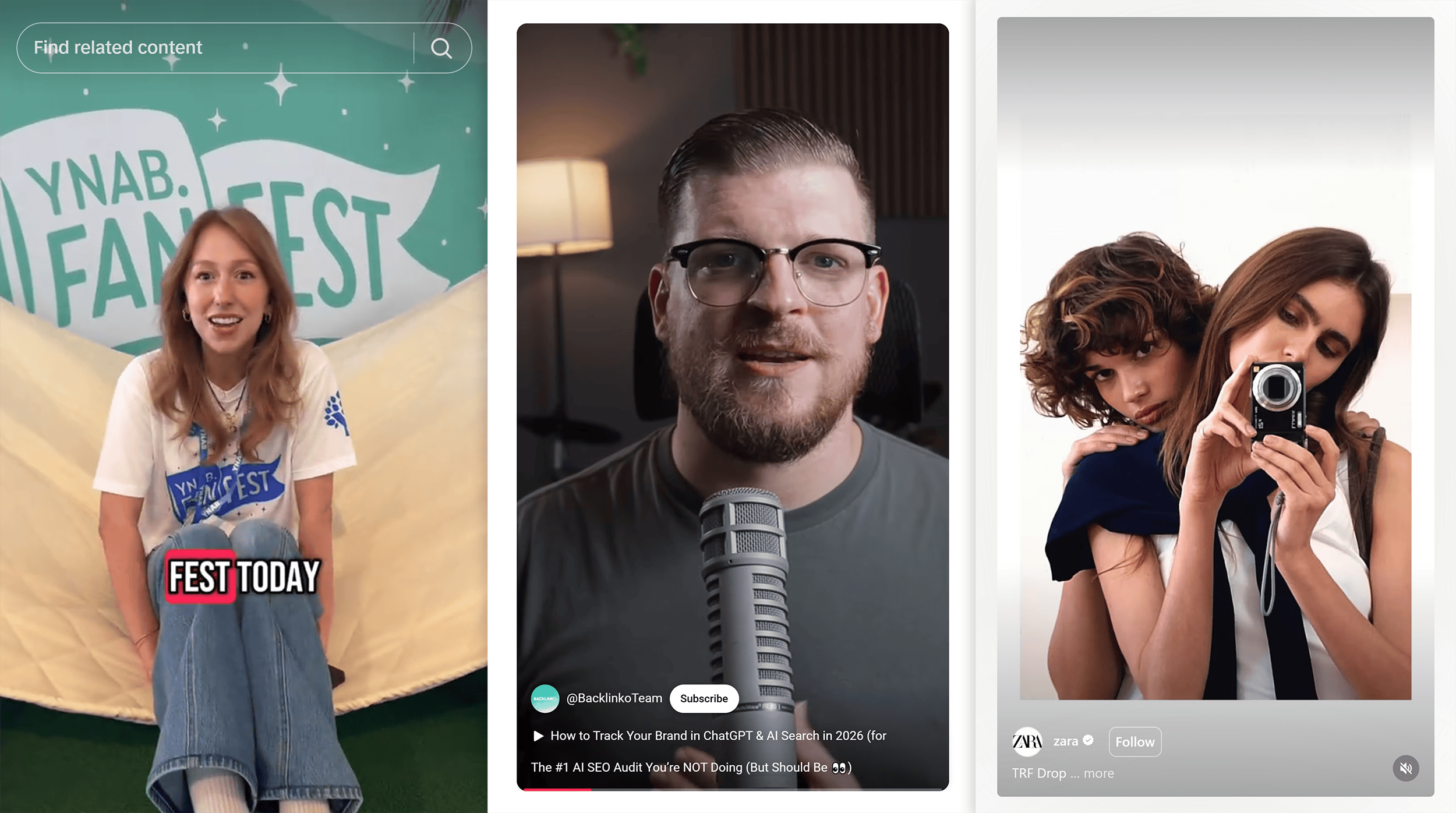
Long-form video platforms, particularly YouTube and dedicated webinar series, serve as primary evaluation tools for prospective buyers. Rather than relying on sporadic promotional videos, successful brands align their video production with specific audience needs. Educational tutorials, transparent product reviews, and comparative analyses allow companies to demonstrate subject-matter expertise and address potential objections proactively.
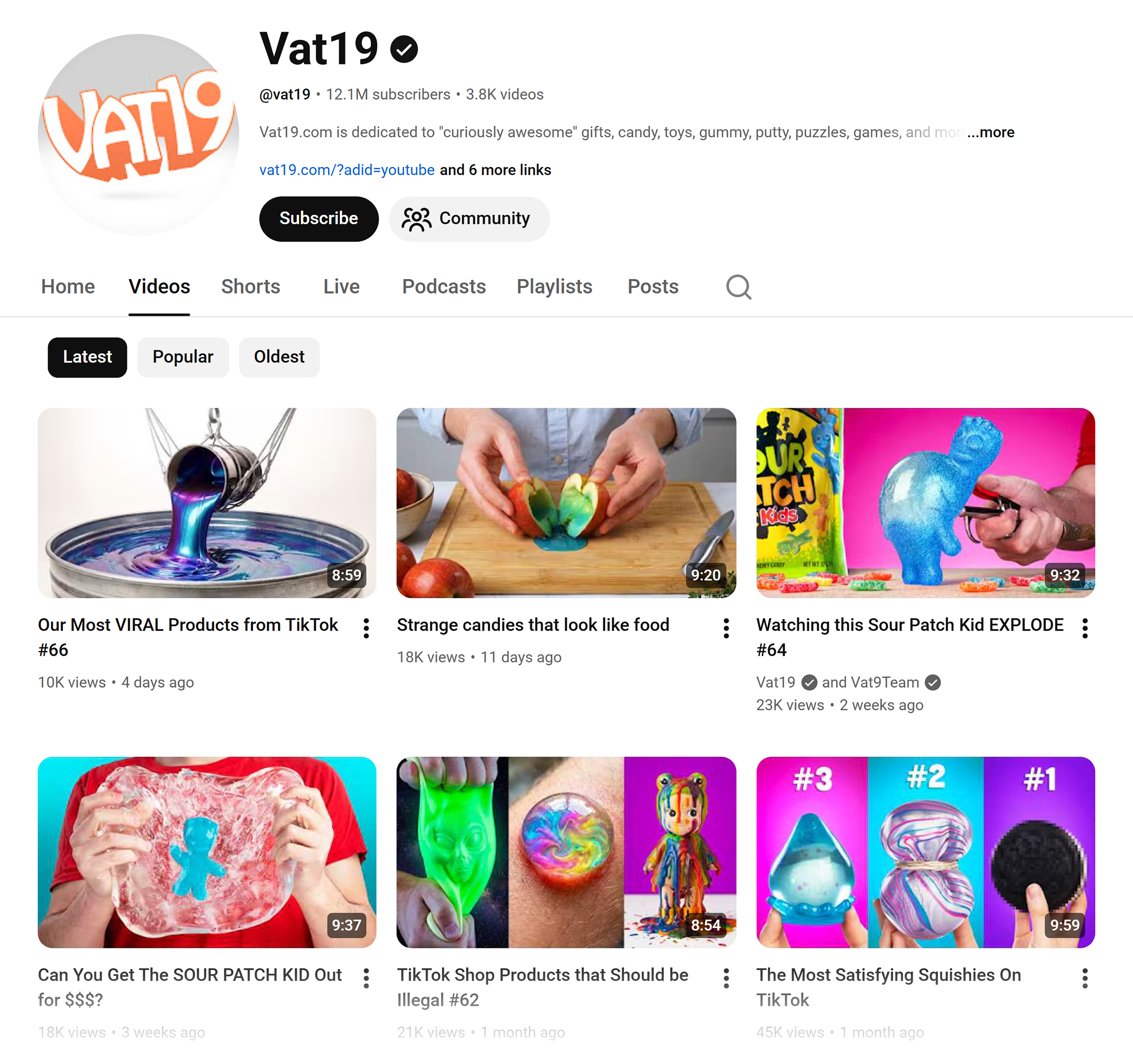
Concurrently, short-form video formats on platforms such as TikTok, Instagram Reels, and YouTube Shorts provide continuous brand reinforcement through repetition. By addressing recurring customer questions gathered from sales calls, support tickets, and search queries, brands can build organic familiarity with minimal production overhead. Crucially, these external video assets must not operate in silos; clear referral paths, including direct links in video descriptions and embedded calls-to-action, must seamlessly bridge social platforms back to the core corporate website.
Capitalizing on High-Velocity Traffic via Google Discover
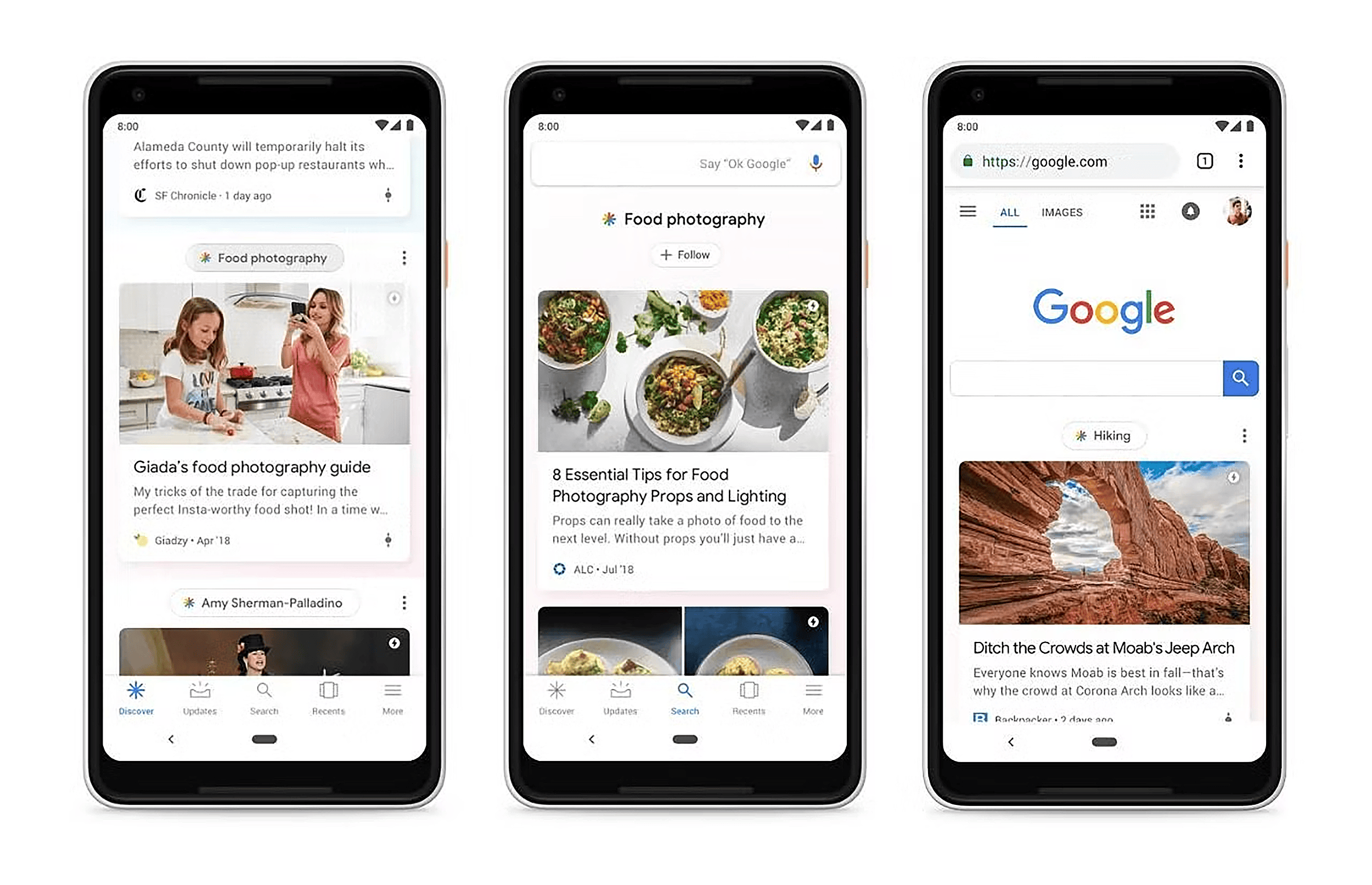
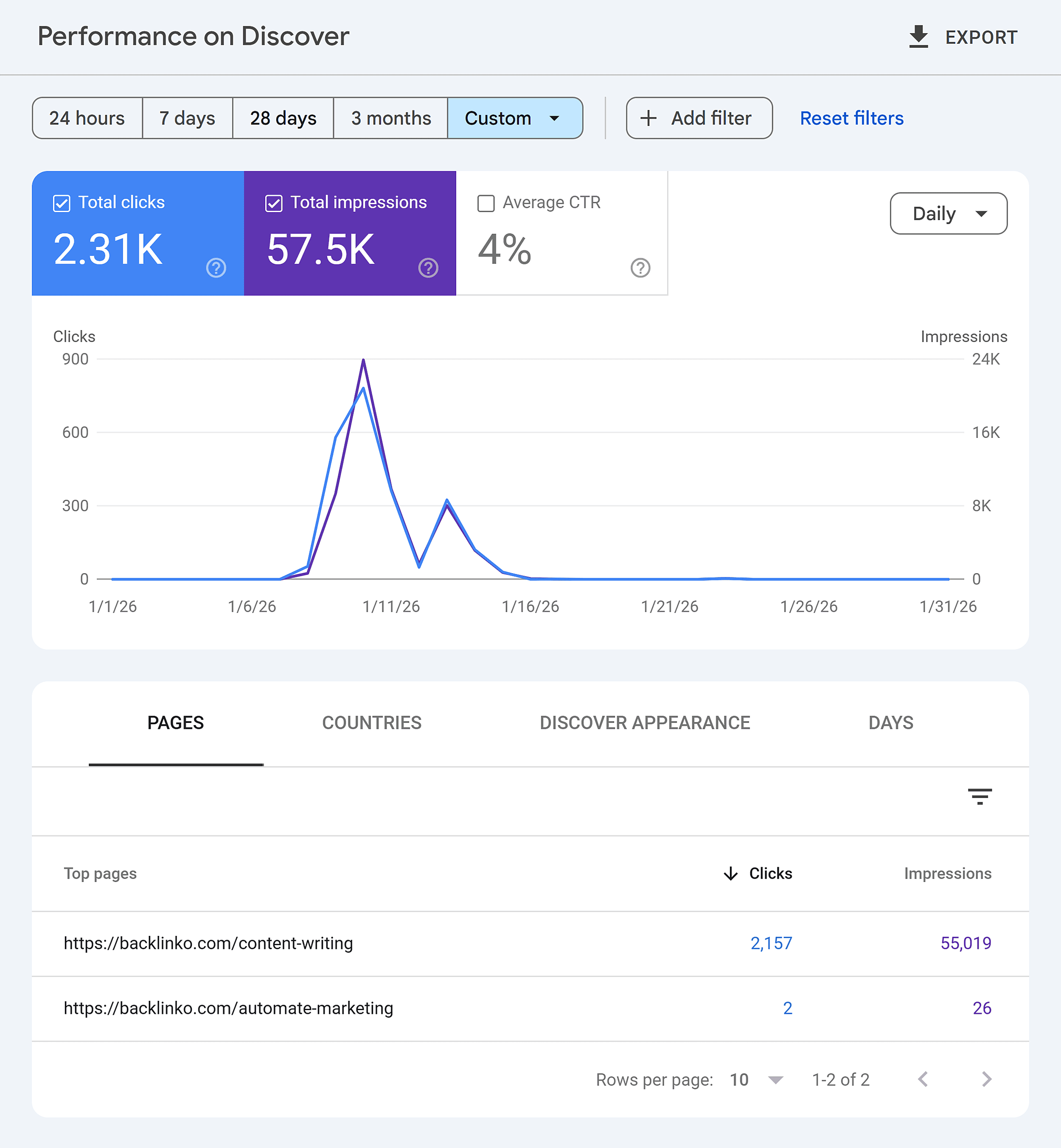
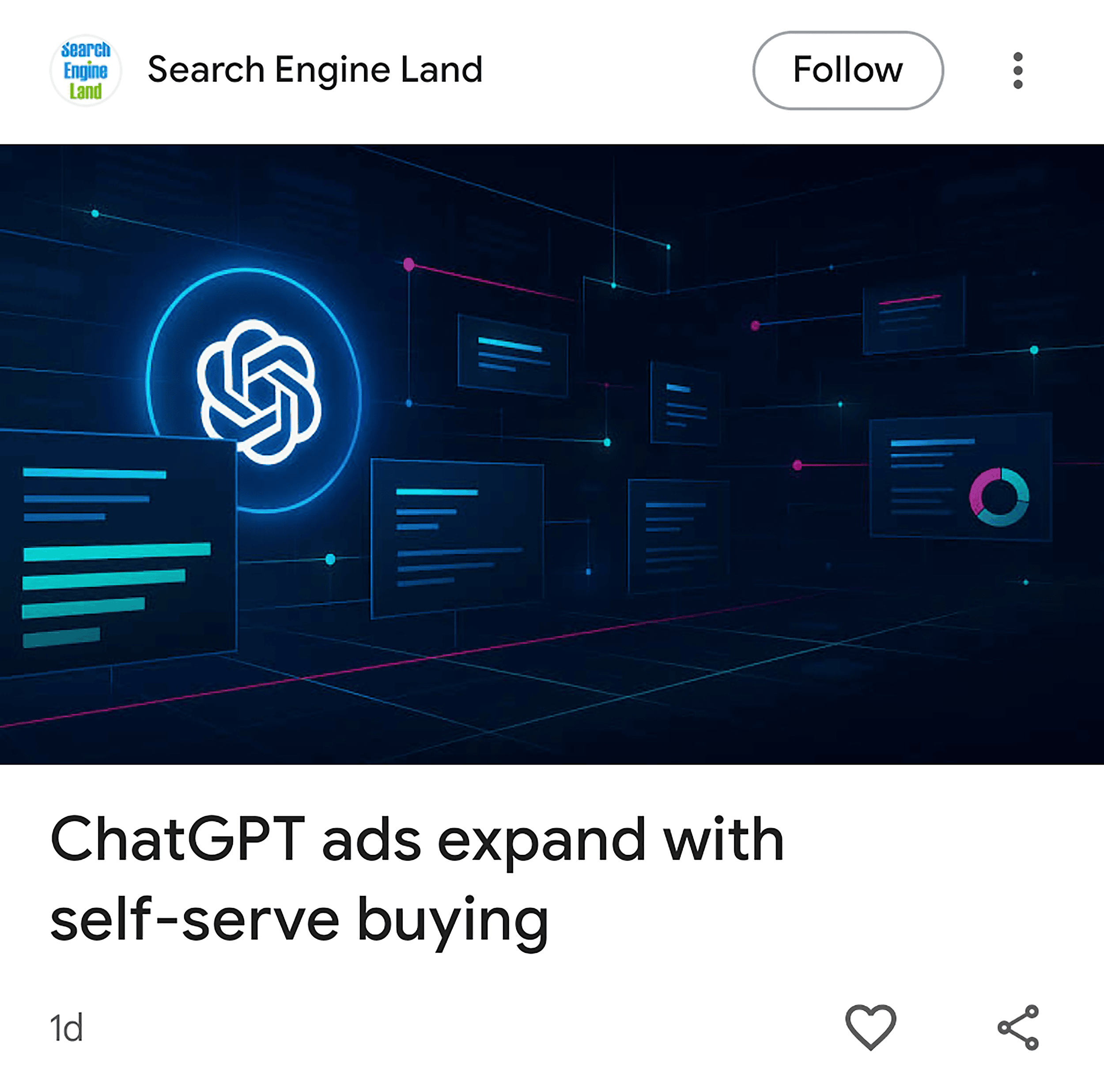
Beyond traditional keyword-driven search engine optimization, modern digital strategies must account for interest-based discovery feeds, most notably Google Discover. This personalized content curation engine delivers substantial traffic spikes by surfacing articles based on individual user browsing behavior and real-time interests.
Achieving visibility within Discover requires a distinct editorial approach. Content destined for discovery feeds must be optimized for mobile readability, supported by high-resolution featured images (1200px wide or greater with large image preview settings enabled), and framed with compelling angles that communicate clear stakes, timeliness, or industry developments.

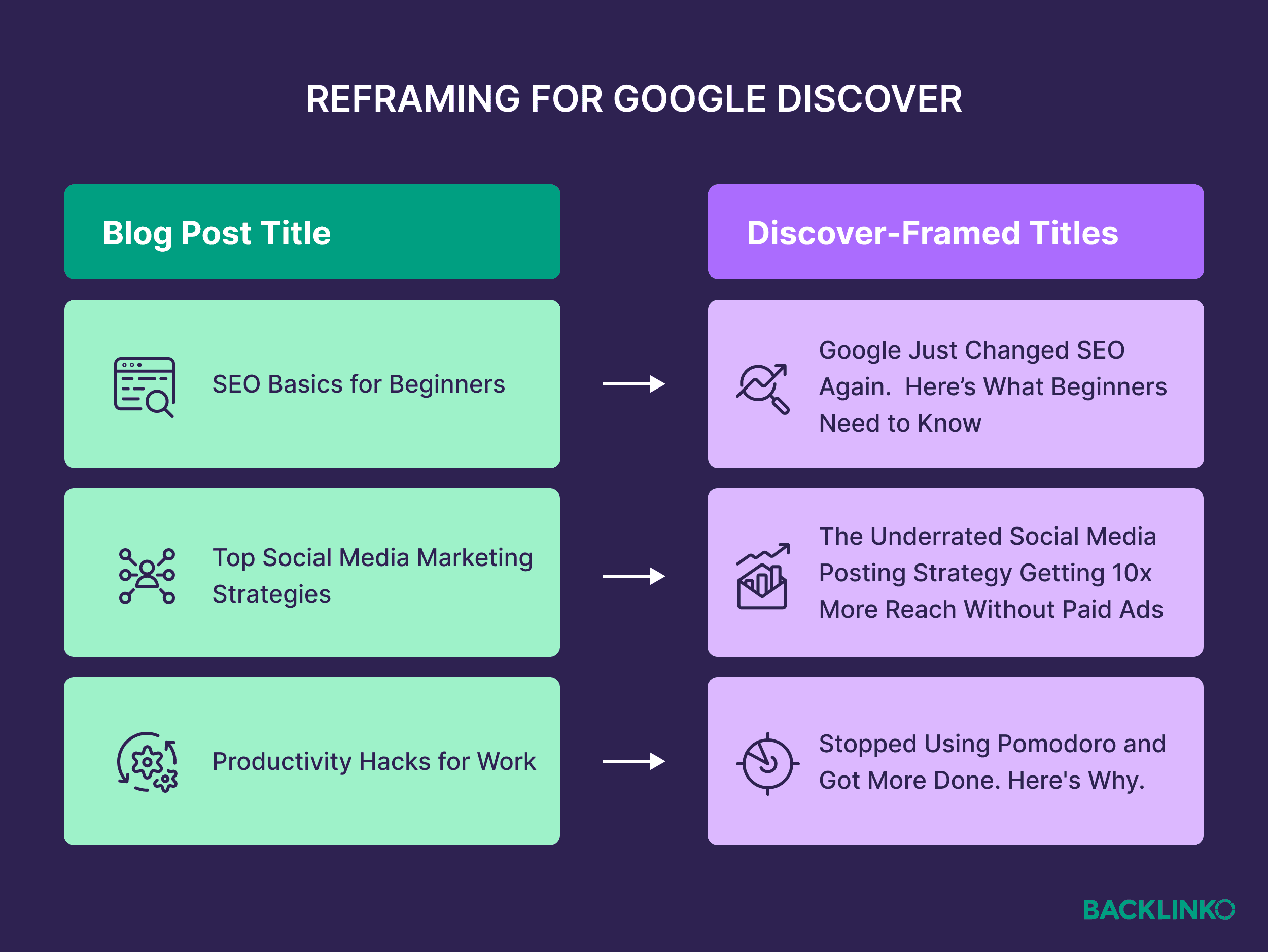
Rather than generating entirely new concepts, content teams frequently reframe existing evergreen assets to connect with current market trends, regulatory updates, or emerging controversies. By evaluating performance metrics through structured editorial frameworks—assessing timeliness, headline tension, and initial reader hook—publishing teams can systematically target feed-based algorithms to capture high-intent mobile traffic.

Conversion Rate Optimization in a Zero-Click Ecosystem
The proliferation of zero-click search experiences, where users receive synthesized answers directly on search engine results pages or via AI summaries without visiting a source website, has placed a premium on conversion rate optimization (CRO).
Because visitors who successfully navigate to a corporate website are typically pre-educated and further along in their decision-making process, digital marketers must prioritize revenue per visitor and minimize post-arrival friction. An effective CRO audit focuses on eliminating two primary barriers:
- Friction: Technical obstacles that complicate the user journey, such as slow page load speeds, convoluted navigation menus, or complex checkout forms.
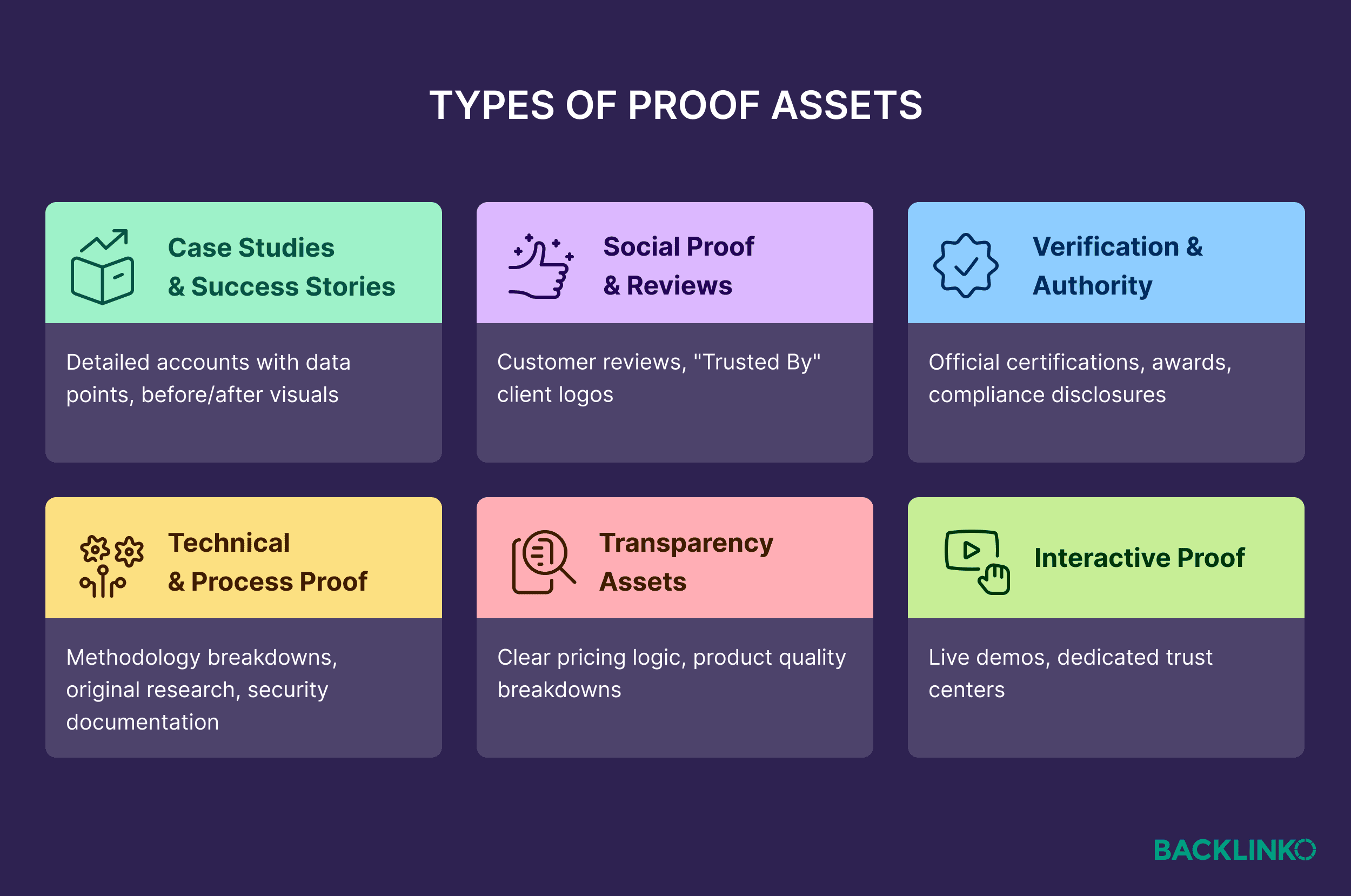
- Anxiety: Psychological hesitations that delay purchasing decisions, such as ambiguous pricing, missing trust signals, or a lack of verifiable security and compliance documentation.
To maintain momentum after a visitor departs, brands increasingly deploy behavioral email marketing workflows. By triggering personalized follow-up communications based on specific on-site actions—such as viewing a specific product category, abandoning a shopping cart, or lingering on a pricing page—companies capitalize on active user intent. Grounded in psychological principles of relevance and reciprocity, targeted behavioral follow-ups significantly increase the likelihood that initial interest transforms into a finalized transaction.
The Human Element: Thought Leadership and Brand Advocacy
In an era saturated with automated, AI-generated text and media, human-centric marketing commands a distinct premium. Consumers increasingly place their trust in recognized individuals rather than faceless corporate entities.

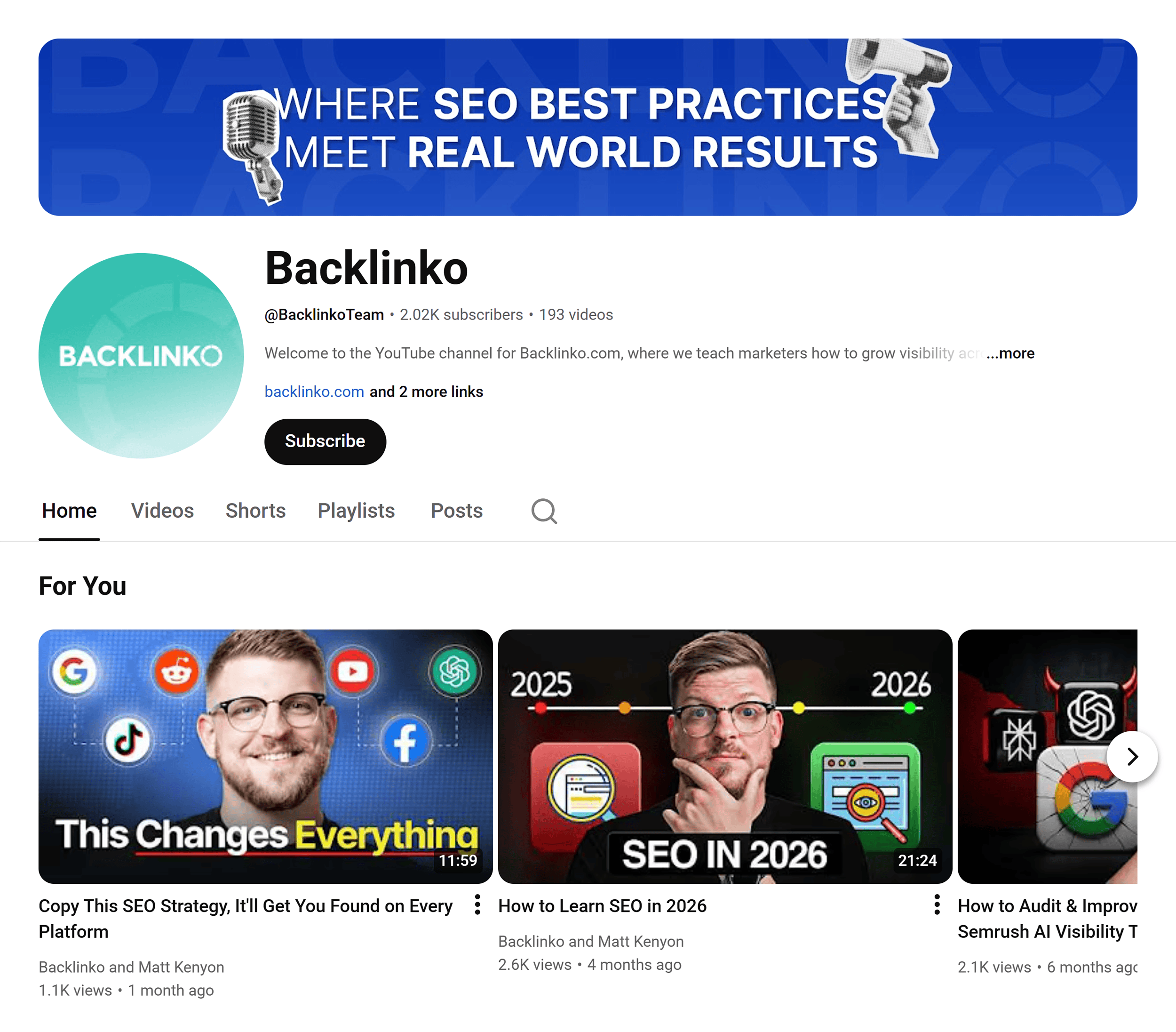
Publishing original thought leadership content—characterized by contrarian industry perspectives, proprietary data, and distinct corporate viewpoints—allows brands to differentiate themselves. When these insights are championed by visible human representatives, such as founders, executives, or specialized internal experts who actively participate in industry panels, podcasts, and professional social networks, the brand gains authenticity and approachability.
Successful implementation requires establishing clear associations between individual advocates and their respective organizations through optimized professional biographies and consistent cross-platform messaging. By humanizing the corporate entity, brands effectively reduce perceived financial and operational risk for prospective buyers.
Cultivating Credibility in Niche Online Communities
Much of the consumer trust that ultimately drives traffic to a corporate website is cultivated within decentralized third-party environments, including specialized forums, Reddit subreddits, Discord servers, and professional Slack communities.
Industry analysis demonstrates that effective participation in these ecosystems requires a contribution-first mindset rather than overt self-promotion. Brands that successfully navigate community marketing mandate extended periods of observation to understand the unwritten cultural norms, prevailing pain points, and dominant communication styles of each group.
When representatives engage as helpful subject-matter experts—answering technical questions, offering objective advice, and transparently addressing customer complaints without aggressive pitching—they build foundational credibility. This distributed grassroots presence ultimately shapes both public opinion and the underlying knowledge graphs utilized by artificial intelligence models.

Strategic Content Repurposing and Platform Focus
Content repurposing has become an essential operational efficiency, accelerated by advanced AI tools. However, indiscriminate multiplication across every available social channel dilutes brand messaging. Sustainable marketing strategies rely on identifying proven, high-performing core ideas—validated through initial audience engagement on search engines or social platforms—and selectively expanding them into multi-format assets.
By establishing a disciplined workflow—such as converting comprehensive long-form blog posts into structured newsletters, in-depth video scripts, and multi-slide social media carousels using AI artifacts—marketing teams can maximize output without sacrificing quality. Limiting primary focus to a core set of preferred distribution channels ensures that brand messaging remains cohesive, targeted, and impactful.
Broader Implications and Future Outlook
The evolution of website marketing toward an omnichannel, AI-integrated model underscores a fundamental truth: a corporate website can no longer function as an isolated destination. Success in the digital marketplace requires a holistic approach that simultaneously optimizes on-site conversion architecture, manages external reputation across decentralized communities, and leverages human-centric thought leadership. By aligning internal capabilities with the decentralized realities of modern consumer research, organizations can build sustainable visibility, foster deep consumer trust, and secure resilient growth in an increasingly competitive digital economy.