Can You Really Make Money Blogging? 7 Things I Know About Making Money from Blogging


The prospect of generating a sustainable income through digital content creation has shifted from a fringe pursuit to a viable career path for thousands of professionals worldwide. As the digital economy matures, the discourse surrounding professional blogging has polarized into two distinct narratives: the promise of rapid, effortless wealth and the cynical dismissal of the medium as a saturated, deceptive landscape. Objective analysis of the sector, however, reveals a more nuanced reality defined by long-term strategic investment, technical adaptability, and the necessity of audience-centric content.
The Evolution of the Blogging Economy
The history of professional blogging tracks closely with the rise of the internet as a commercial platform. In the early 2000s, blogging was largely viewed as a form of personal expression or digital journaling. By 2010, the emergence of sophisticated content management systems and affiliate marketing frameworks enabled early adopters to transition from hobbyists to full-time publishers.
Data indicates that the barriers to entry in blogging remain low, yet the barriers to profitability are significant. While nearly anyone can launch a website, the transition to a revenue-generating entity requires navigating a complex ecosystem of search engine optimization (SEO), digital advertising, and direct-to-consumer monetization strategies. Industry observers note that the "gold rush" era of blogging has concluded, replaced by a professionalized environment that rewards consistent, high-value content production rather than automated or low-effort output.
Analytical Breakdown of Revenue Realities
Statistical surveys of independent publishers consistently highlight a steep distribution curve regarding earnings. According to longitudinal data collected from professional blogging communities, roughly 10% of individuals attempting to monetize their platforms report no income, while a significant majority—approximately 63%—generate less than $3.50 per day.
This data suggests that while the floor for entry is accessible, the median income for the average blogger remains well below the threshold of a living wage. Conversely, the top 4% of creators in these surveys consistently report earnings exceeding $10,000 per month. Crucially, the correlation between longevity and revenue is absolute. Approximately 85% of bloggers in the highest income bracket possess four or more years of continuous publication experience. This implies that "overnight success" stories are statistical outliers, and that professional blogging functions more like a traditional business startup, requiring a sustained period of capital and labor investment before reaching a break-even point.

Diverse Monetization Strategies
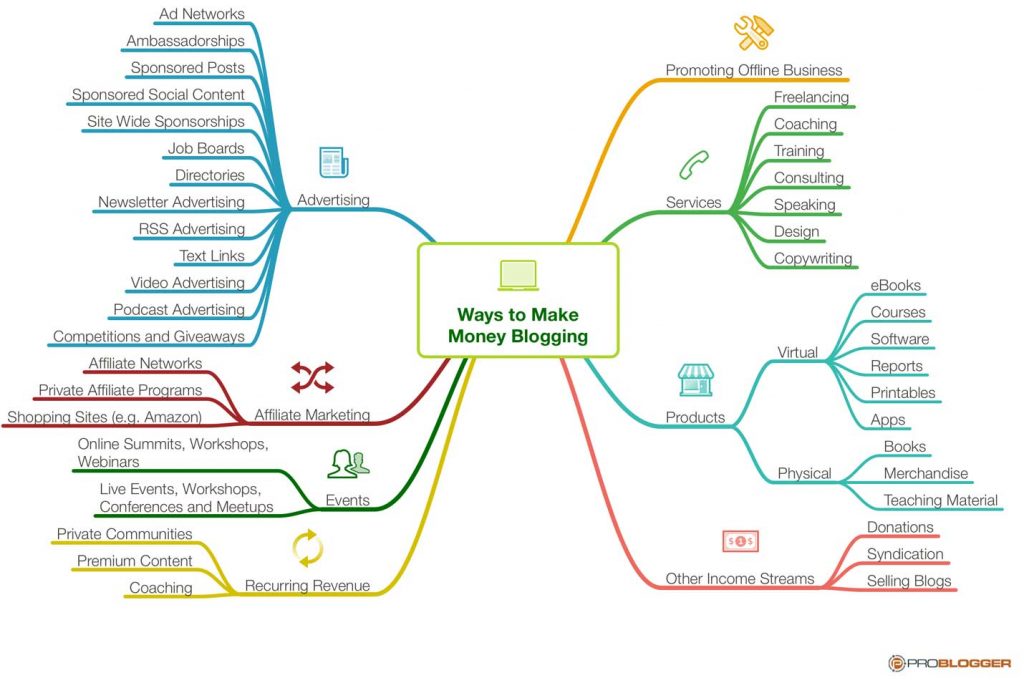
A primary misunderstanding in the digital publishing space is the belief that there is a singular, "proven" path to monetization. In practice, successful publishers utilize a hybrid revenue model. Analysis of industry events and professional summits reveals that revenue streams are as diverse as the niches themselves. These include:
- Affiliate Marketing: Earning commissions by referring readers to products or services.
- Direct Advertising: Partnering with brands for display ads or sponsored content.
- Digital Products: Selling proprietary knowledge via ebooks, white papers, or online courses.
- Membership Models: Offering gated content or exclusive access to a premium audience.
- Service Integration: Leveraging a blog as a portfolio to secure high-value consulting or speaking engagements.
The diversity of these streams is a critical factor in business stability. Professional bloggers who rely on a single source of income—such as display advertising alone—are significantly more vulnerable to changes in platform algorithms or market fluctuations.
The Role of Niche Specialization
Critics often argue that the only profitable blogs are those that teach others how to blog. However, data from diverse sectors—ranging from woodworking and home health to photography and travel—disproves this. In many cases, "vertical" blogs, which focus on highly specific, non-marketing topics, often outperform "meta" blogs in terms of long-term profitability.
This is because specialized niches allow for deeper audience trust and more targeted advertising. For instance, a blog focused on technical photography gear can command higher affiliate commissions and more relevant sponsorship opportunities than a general interest site. The implication for new entrants is clear: building a successful business requires focusing on a specific problem or interest area where the creator can establish authority and provide utility.
Strategic Operational Requirements
Professionalizing a blog requires moving beyond the "passive income" myth. Industry experts emphasize that successful blogging operations are rarely passive. They require a rigorous, daily commitment to several core functions:
- Content Lifecycle Management: Researching, writing, editing, and updating content to ensure continued relevance in search rankings.
- Audience Acquisition: Utilizing organic search, social media, and email marketing to maintain a consistent flow of new readers.
- Community Engagement: Developing a relationship with the audience to foster loyalty, which in turn reduces reliance on third-party traffic sources.
- Data Analysis: Monitoring traffic patterns, conversion rates, and user behavior to refine the monetization strategy.
The Impact of Industry Professionalization
The professionalization of the blogging industry has led to increased demand for transparency and accountability. As more individuals attempt to monetize their platforms, regulators and consumer protection agencies have begun to scrutinize disclosure practices, particularly regarding sponsored content and affiliate links.
For the modern blogger, this shift necessitates a higher standard of ethical conduct. Transparency regarding monetization is no longer just a legal requirement in many jurisdictions; it is a critical component of brand equity. Audiences are increasingly sophisticated and capable of identifying disingenuous marketing, meaning that authenticity has become a tangible business asset.
Future Implications for Digital Publishers
The landscape for digital publishing continues to evolve with the integration of artificial intelligence and shifting social media consumption habits. These changes present both challenges and opportunities. While AI tools may simplify the production of content, they also threaten to commoditize information. Consequently, the value of unique, human-centric, and experiential content is expected to rise.
For those considering a career in blogging, the current market climate suggests a move away from volume-based publishing toward quality-based authority. The era of the "generalist" blog is largely ending, replaced by platforms that offer deep, actionable expertise.
Conclusion
The evidence suggests that while the barriers to earning a full-time income from blogging are substantial and require years of dedicated effort, the opportunity remains valid for those who approach the medium as a business. Success is not a matter of following a secret formula, but rather a result of consistent content production, strategic diversification of revenue streams, and a long-term commitment to building an audience. As the digital economy continues to expand, those who prioritize value, utility, and authenticity will be best positioned to achieve sustainability in an increasingly competitive landscape. Prospective publishers should view blogging not as a shortcut to wealth, but as a long-term professional endeavor that requires the same diligence, planning, and operational rigor as any traditional small business.