The intersection of automated kitchen hardware and subscription-based food services has reached a new stage of maturity with the 2026 iteration of the Tovala Smart Oven and its accompanying meal kit ecosystem. Positioned as a "robot chef" for the modern household, Tovala seeks to bridge the gap between the labor-intensive process of traditional meal kits and the nutritional compromises often found in microwaveable frozen dinners. By utilizing a sophisticated combi-oven—capable of steaming, baking, broiling, and convection—paired with a proprietary scannable recipe system, the company has attempted to redefine domestic convenience. However, while the recent introduction of family-sized portions has expanded the system’s utility, the service faces ongoing scrutiny regarding its nutritional profile and the economic implications of its "hardware-as-a-service" business model.
The Evolution of the Smart Kitchen Ecosystem
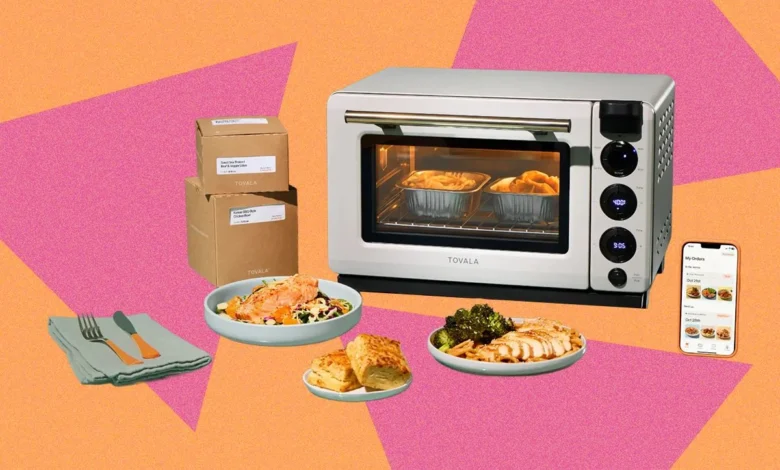
The Tovala system operates on a unique premise within the consumer technology market. Unlike traditional ovens that require manual temperature and time settings, the Tovala Smart Oven Pro is designed to be controlled by the food itself. Each meal kit arrives with a QR code that, when scanned by the oven’s integrated laser, initiates a multi-stage cooking sequence tailored to that specific dish. This automated process allows the oven to switch between modes—such as steaming a protein to retain moisture before finishing it with a high-heat broil for texture—without user intervention.

This 2026 model represents nearly a decade of refinement since Tovala’s initial launch in 2017. The primary advancement in the current lineup is the Smart Oven Pro’s enhanced steam functionality. In the broader context of culinary technology, steam ovens (often referred to as combi-ovens in professional kitchens) have long been the gold standard for high-end restaurants because they prevent the cellular breakdown and dehydration of proteins. Tovala’s achievement lies in miniaturizing this technology for a countertop form factor at a price point accessible to the average consumer, provided they commit to the meal subscription.
Chronology of Tovala’s Market Development
To understand the 2026 review, it is essential to trace the development of the Tovala brand and the broader meal kit industry:
- 2012–2015: The "Meal Kit Gold Rush" begins with the rise of Blue Apron and HelloFresh, focusing on raw ingredients and recipe cards.
- 2017: Tovala launches its first-generation smart oven via Kickstarter, introducing the concept of a dedicated appliance for pre-packaged meals.
- 2020–2022: The pandemic-era surge in home dining drives record growth for Tovala. The company introduces "Scan-to-Cook" partnerships with major grocery brands like Nestlé and General Mills, allowing the oven to recognize third-party frozen foods.
- 2024: Tovala introduces the Smart Oven Pro with advanced steam cycles, targeting a more culinary-focused demographic.
- 2025: Facing competition from "all-in-one" robots, Tovala pivots to "Family Meals," addressing the primary criticism that the oven was only suitable for solo diners.
- 2026: The current review cycle evaluates the efficacy of these four-serving meals and the long-term sustainability of the high-sodium culinary model.
Engineering the Four-Serving Solution
The most significant hurdle for Tovala has historically been its physical footprint. The oven is roughly the size of a large microwave, which naturally limited its output to single-serve or, at a stretch, two-person meals. The 2026 "Family Meals" update utilizes a specialized tiling system for aluminum trays. By utilizing both the bottom rack and the air-frying basket simultaneously, the oven can now accommodate four portions of protein and sides.

Internal data and testing suggest that this dense packing of the oven cavity does not significantly compromise airflow, a common issue in smaller convection units. The Tovala software compensates for the increased thermal mass by adjusting the intensity of the heating elements and the duration of the steam cycles. Preparation time for these family meals remains remarkably low; while single-serve meals require roughly three minutes of assembly, the four-person variants take approximately ten minutes, primarily involving the opening of vacuum-sealed bags and the application of pre-mixed sauces.
Nutritional Analysis and Public Health Implications
Despite the technological sophistication of the hardware, the 2026 review highlights a persistent concern: the nutritional density and chemical composition of the meals. A factual analysis of the "Chicken Parmesan with Stuffed Shells" family meal reveals a sodium content of approximately 2,300 milligrams per serving.
To put this data in context:

- CDC/FDA Guidelines: The recommended daily sodium intake for an adult is less than 2,300 mg.
- Tovala Performance: A single Tovala meal frequently meets or exceeds the total daily allowance for sodium in one sitting.
- Comparative Data: While Tovala’s fresh-cooked approach is superior to frozen "TV dinners" in terms of texture and flavor, the sodium and cholesterol levels are often higher than comparable processed foods. For instance, Tovala’s Italian-style meals have been found to contain significantly more cholesterol than standard frozen lasagnas from legacy brands like Stouffer’s.
The reliance on high salt and fat content is a common industry tactic to ensure "palatability" in pre-prepared foods that must survive a shipping and refrigeration cycle. However, as consumers increasingly shift toward "longevity" diets and minimize ultra-processed foods (UPFs), Tovala’s culinary direction may face a reckoning. Health advocates have noted that while the oven is a "smart" device, the food it cooks often follows "old-world" processed food logic.
Economic Model: Hardware-as-a-Service (HaaS)
Tovala’s business strategy is a classic example of the "razor and blades" model. The Smart Oven Pro has a retail price of $349, but the company offers a substantial discount—often reducing the price to $119 or less—if the consumer commits to a six-week meal plan.
Current Pricing Structures (2026):

- Single-Serve Meals: $12.99 per serving.
- Family Meals (4 portions): Approximately $9.00 per serving ($36.00 per box).
- Shipping: A flat rate of $11.00 per weekly delivery.
- Minimum Commitment: Typically four meals per week.
For a family of four using the service for three nights a week, the monthly expenditure can exceed $500, not including the initial cost of the hardware. This positions Tovala as a mid-tier luxury service—more expensive than grocery shopping and home cooking from scratch, but significantly more affordable and healthier (in terms of ingredient transparency) than consistent restaurant delivery via platforms like DoorDash or UberEats.
Broader Impact on the Appliance Industry
Tovala’s success has forced legacy appliance manufacturers like Samsung, LG, and Whirlpool to reconsider their "dumb" ovens. The 2026 market landscape now sees an influx of ovens with integrated cameras and AI-driven food recognition. However, Tovala maintains a competitive advantage through its "closed-loop" system. Because Tovala controls both the food production and the hardware, it can guarantee a level of consistency that "open" smart ovens—which must guess the weight and moisture content of a piece of meat—cannot yet match.
Industry analysts suggest that Tovala’s model may eventually lead to a shift in how kitchens are designed. If "scan-to-cook" becomes the dominant mode of preparation for the busy middle class, the need for large, six-burner ranges and massive wall ovens may diminish in favor of high-efficiency, multi-functional countertop units.

Conclusion: The Sustainability of Automated Dining
The Tovala Smart Oven and Meal Kit (2026) is a triumph of convenience and engineering. It successfully solves the "what’s for dinner" dilemma for busy professionals and families who have reached "decision fatigue." The oven itself is a high-quality appliance that performs well even when used for non-subscription cooking, such as making toast or roasting vegetables.
However, the service remains tethered to a culinary philosophy that prioritizes flavor and shelf-stability over long-term metabolic health. The high sodium and fat levels are a significant trade-off for the ten minutes of prep time saved. As the company moves forward, the challenge will be to leverage its sophisticated steam technology to create a "Wellness Line" of meals that are as nutritious as they are convenient. Until then, Tovala remains a powerful tool for those who value time above all else, provided they are willing to monitor their salt intake for the rest of the day.