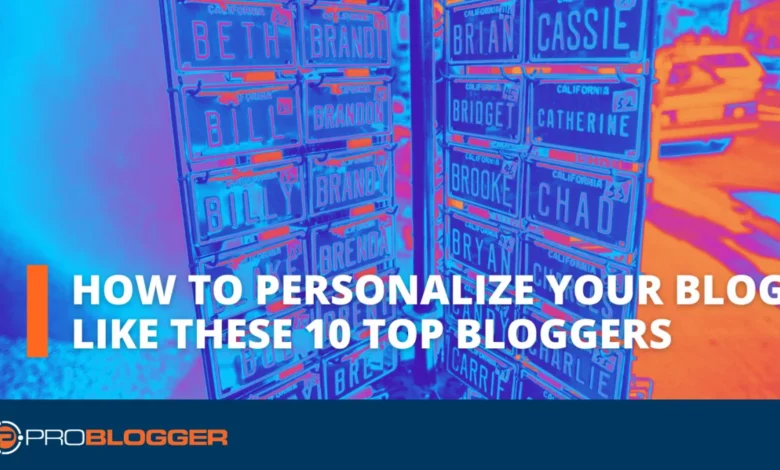
In the hyper-competitive landscape of digital publishing, the proliferation of content has reached an unprecedented scale. Recent data from WordPress indicates that over 70 million new posts are published monthly, creating a crowded environment where technical proficiency—such as search engine optimization (SEO), mobile responsiveness, and high-speed hosting—has become the baseline expectation rather than a competitive advantage. Despite adhering to these industry standards, a significant portion of content creators report stagnant growth and low reader retention. Industry analysts increasingly identify the deficiency not in technical execution, but in the lack of brand identity and personal resonance. Personalization serves as the bridge between a static repository of information and an active, engaged community. This report examines ten influential digital figures who have successfully leveraged personalization strategies to distinguish their platforms and explores the implications for the broader blogging ecosystem.
The Shift Toward Human-Centric Content
The transition from generalized, algorithmic-focused content to human-centric storytelling is supported by recent consumer behavior studies. According to reports from the Content Marketing Institute, 73% of readers are more likely to return to a blog that demonstrates a distinct, identifiable voice. The following case studies illustrate how specific branding choices, ranging from visual aesthetics to linguistic style, create a cumulative effect that fosters audience loyalty.
Visual Storytelling and Brand Authenticity
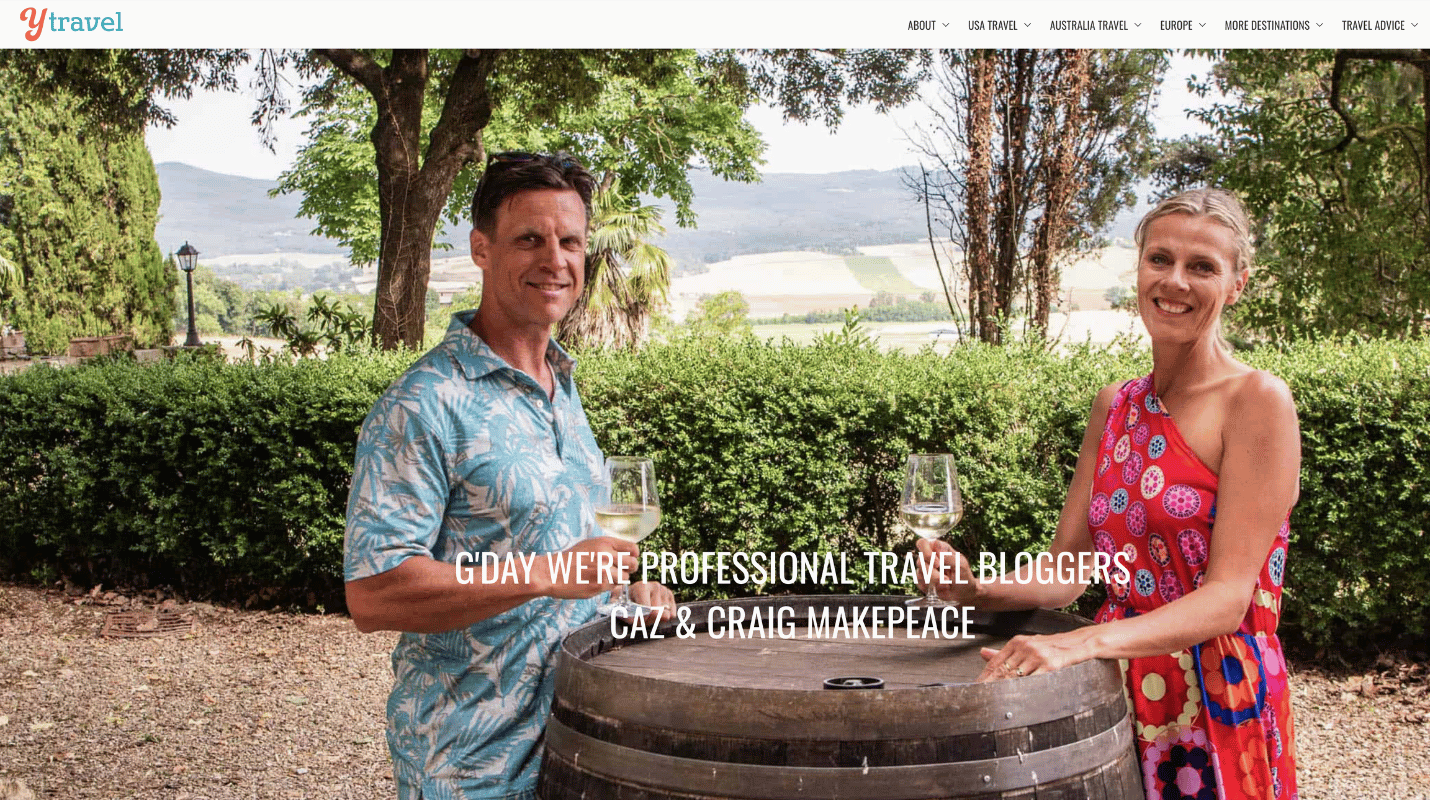
The integration of high-quality, personal photography remains a primary vehicle for audience connection. Caz and Craig Makepeace, founders of the YTravel blog, exemplify this approach. By prioritizing candid, high-resolution imagery of their family’s travels, they transcend the role of travel guides and become relatable figures. Research suggests that human-centric imagery increases engagement rates by approximately 40% compared to stock photography, as it provides visual proof of the creators’ experiences. This strategy functions as a trust-building mechanism, essential for blogs that provide advice or services.
Strategic Branding and Personality Infusion
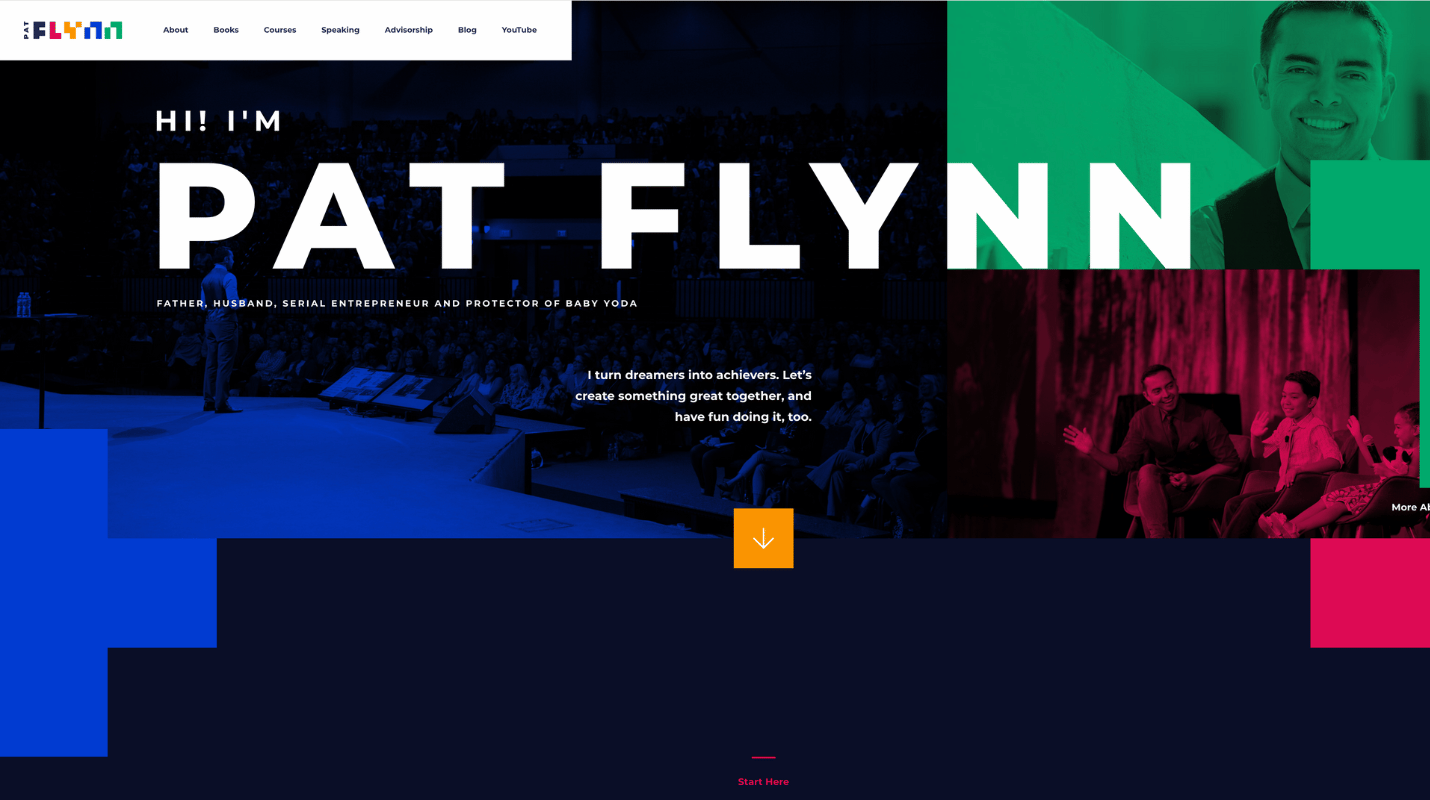
Pat Flynn of Smart Passive Income demonstrates the importance of a clear, multi-faceted identity. By prominently displaying his professional credentials alongside personal identifiers—such as his roles as a husband and father—he creates a narrative arc that frames his professional advice within the context of his real-world life. This layering of personality prevents the blog from appearing purely transactional. When readers can identify the human behind the brand, the perceived value of the content increases, as the advice is no longer seen as abstract theory but as a practical application of a lived experience.
Tone and Linguistic Differentiation
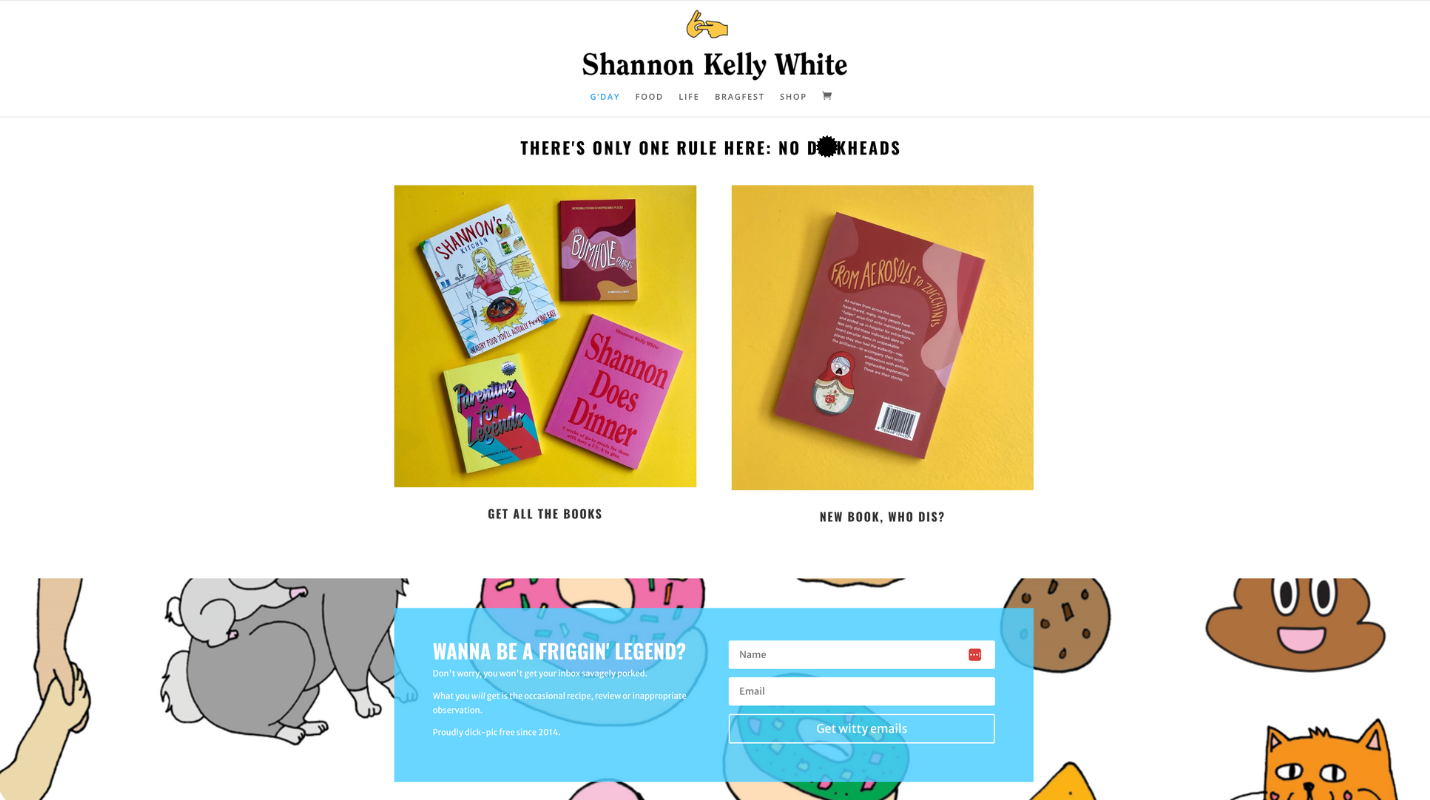
Language choices act as a filter for audience acquisition. Shannon Kelly White utilizes a distinct, assertive tone that includes explicit language. While such a strategy inherently limits the total addressable audience, it simultaneously increases the depth of loyalty among the target demographic. From a marketing perspective, this is a classic application of brand positioning; by polarizing the audience, the creator builds a "tribe" of highly engaged, like-minded readers who identify strongly with the author’s unfiltered perspective.
Visual Assets and Intellectual Property
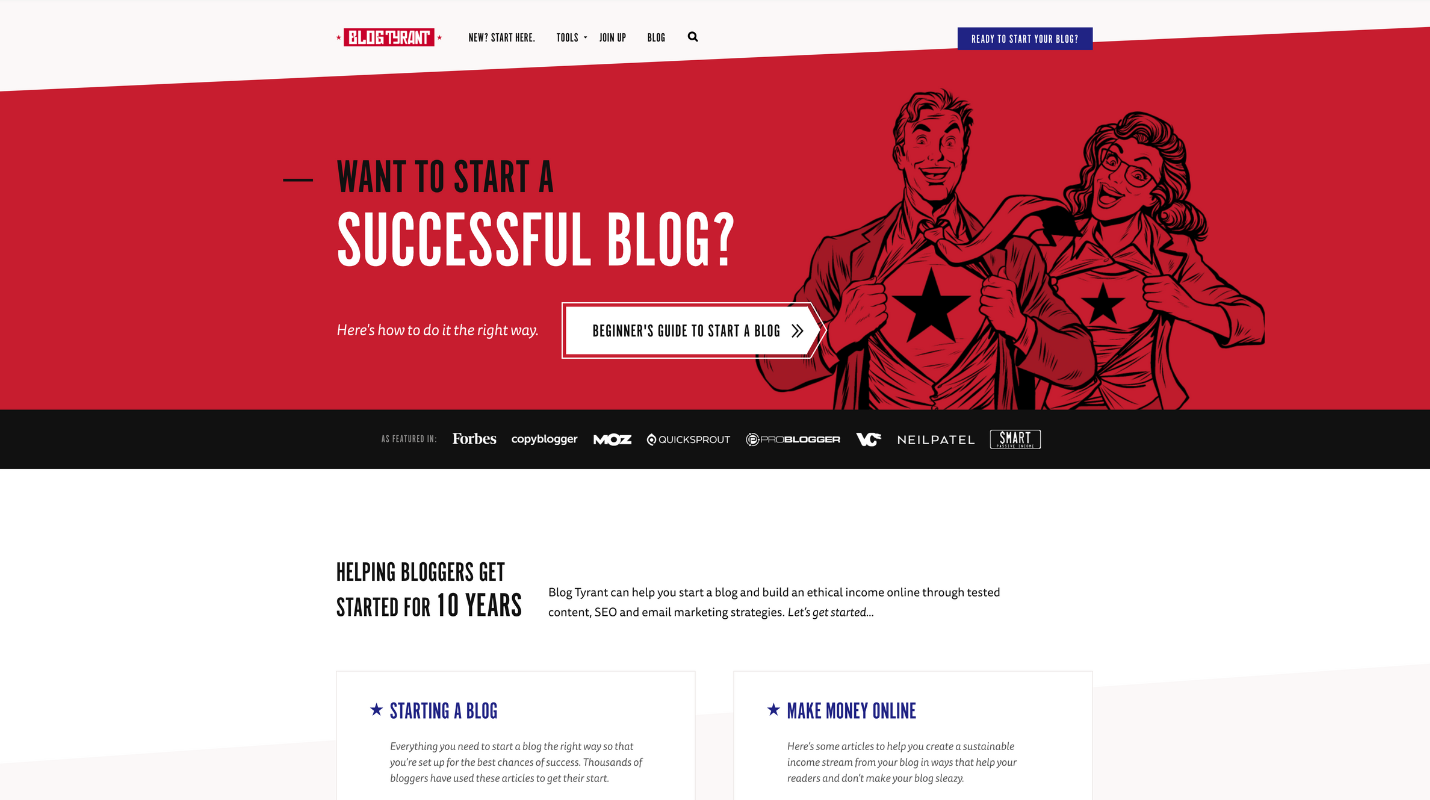
Custom illustrations and character design provide a unique visual identity that is difficult for competitors to replicate. Ramsey, the creator behind Blog Tyrant, uses a branded superhero avatar to provide visual continuity across his site and downloadable resources. This investment in custom creative assets serves two functions: it reinforces brand recognition and creates a professional aesthetic that signals high-quality content. Data suggests that consistent visual branding across all digital touchpoints can increase revenue by up to 23%.
The Role of the About Page in Conversion
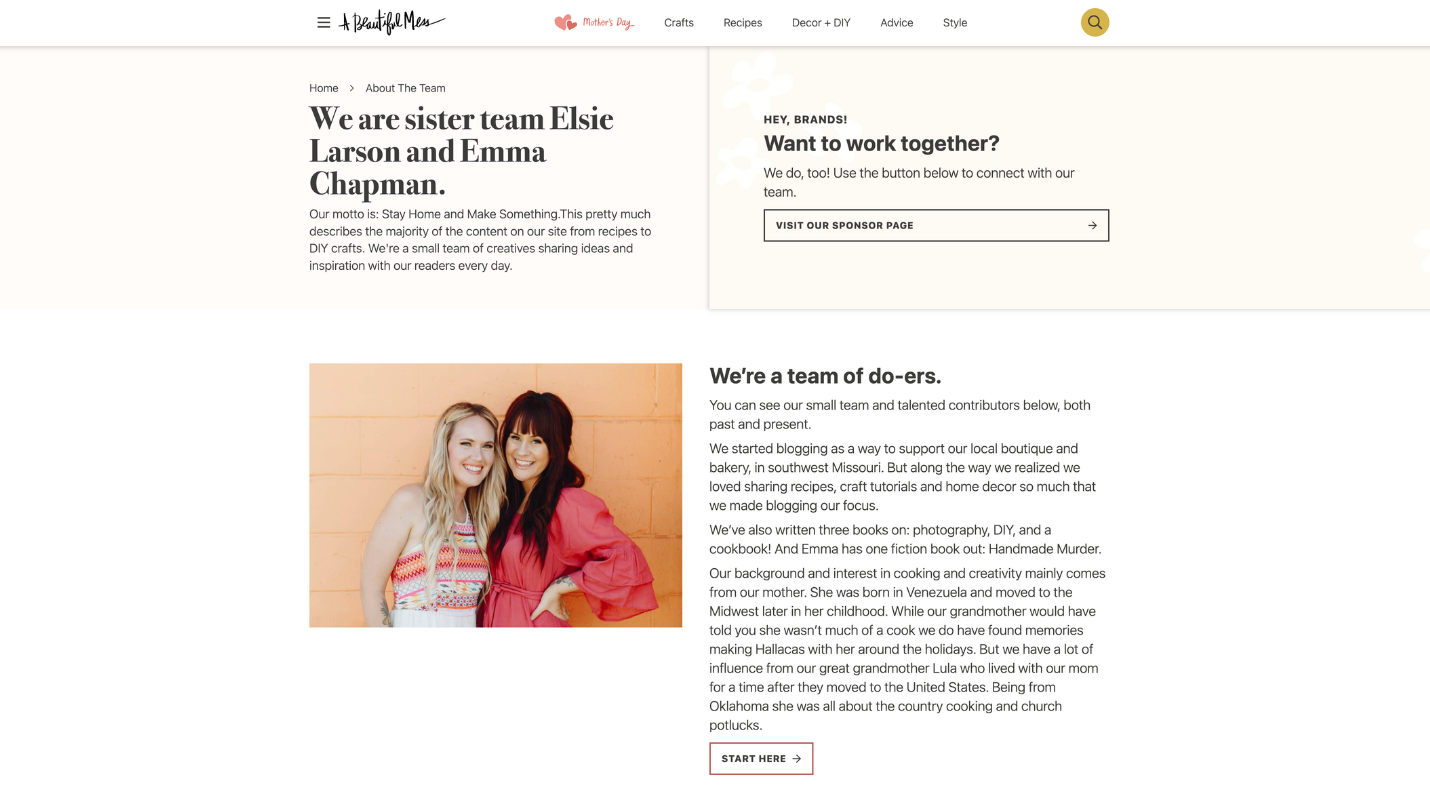
For many digital publishers, the "About" page is the second most visited section of the site. Elsie and Emma of A Beautiful Mess treat this page as a critical conversion tool rather than an afterthought. By utilizing bold photography and concise, engaging bios, they successfully humanize their brand identity within seconds of a reader arriving. Industry benchmarks show that a well-optimized About page can reduce bounce rates by as much as 15%, as it satisfies the reader’s innate curiosity about the source of the information they are consuming.
Cross-Platform Consistency and Brand Equity
Consistency is the cornerstone of professional branding. Chris Ducker demonstrates this by maintaining a uniform visual presence across all digital platforms, including LinkedIn, Facebook, and his personal blog. This synchronization of imagery and messaging ensures that the audience recognizes the brand regardless of where they interact with the content. This is essential for building brand equity, as it reinforces the legitimacy and professional stature of the creator in the eyes of their readers.
Color Theory and Emotional Resonance
The strategic use of color palettes can influence reader perception and mood. Jadah Sellner’s implementation of a cohesive, earth-toned color scheme serves to harmonize her brand identity. By matching her visual aesthetic to her personal brand, she creates an immersive environment that feels intentional. Psychologists have noted that color increases brand recognition by up to 80%, and when applied consistently to a website’s layout, it can significantly alter the dwell time of visitors.
Direct Communication and Value Propositions
James Schramko of SuperFastBusiness utilizes a clear, direct value proposition on his landing page. By explicitly stating who his services are for and what problems he solves, he eliminates ambiguity. This clarity is a fundamental requirement for conversion-focused blogging. When a reader knows exactly what to expect, the barrier to entry for subscribing or purchasing is lowered. Similarly, Kelly Exeter’s use of direct calls-to-action (CTAs) demonstrates the effectiveness of stripping away complexity. By guiding the reader toward a specific outcome, she minimizes the cognitive load required to engage with her platform.
Audience Identification and Lead Generation
Finally, the strategy employed by Emily of Puttylike involves defining the audience for them. By creating a specific identity—the "Multipotentialite"—she provides her readers with a label that helps them understand themselves. Her use of interactive quizzes as a lead-generation tool serves as a high-conversion method for building an email list. This tactic turns the reader from a passive consumer of content into a participant in a community.
Implications for the Future of Blogging
The transition toward hyper-personalization reflects a broader shift in digital media. As AI-generated content becomes more prevalent, the value of unique, human-centric narratives is expected to rise. Analysts predict that bloggers who fail to infuse their content with personal, verifiable experience will struggle to compete with automated tools.
Conversely, the strategies outlined above—visual consistency, authentic voice, clear audience segmentation, and intentional branding—represent a sustainable model for long-term growth. The objective for the modern blogger is no longer just to capture traffic, but to foster enduring relationships. As the digital ecosystem matures, the creators who succeed will be those who recognize that while algorithms dictate visibility, personality dictates longevity. Future research into the sector should focus on the quantitative impact of these personalization strategies on conversion rates and customer lifetime value, providing further evidence that in the digital age, being "personal" is the most effective professional strategy.