LimeWire Unleashes Developer API to Democratize Generative AI Integration for Global Software Ecosystems

The rapid evolution of artificial intelligence has transitioned from experimental academic research to a foundational pillar of modern digital infrastructure. As generative models for image, video, and text continue to mature, the focus of the tech industry has shifted from consumer-facing web interfaces toward robust, scalable developer tools. LimeWire, once a household name in the early 2000s, has successfully repositioned itself as a key player in the AI creative space. By launching its new Developer API, the company is providing software engineers with the programmatic capability to integrate sophisticated AI image generation and upscaling directly into their own applications, effectively bridging the gap between high-end AI research and practical, everyday software utility.
The Evolution of the LimeWire Brand
To understand the current pivot of LimeWire, one must acknowledge its unique history within the technology landscape. Founded in 2000 as a peer-to-peer file-sharing client, the platform eventually ceased operations following significant legal challenges related to copyright infringement. However, the brand underwent a strategic acquisition and rebranding effort in 2022, emerging as a digital collectibles marketplace before pivoting decisively toward generative AI.
The company’s recent trajectory mirrors the broader industry trend of established tech brands reclaiming their relevance through aggressive adoption of generative neural networks. By leveraging a user-friendly interface for AI-generated art, LimeWire captured a segment of the "creator economy," but the introduction of its Developer API marks a transition from a B2C (Business-to-Consumer) model to a B2B (Business-to-Business) infrastructure provider. This shift is designed to capitalize on the growing demand for "AI-as-a-Service" (AIaaS) solutions.
Technical Architecture and API Capabilities
The core of LimeWire’s new developer offering is a RESTful API designed for ease of integration into existing stacks. The API allows developers to bypass the manual process of generating images through a web browser, instead opting for automated, event-driven generation.
Technically, the implementation is straightforward. By utilizing standard HTTP methods, developers can trigger image generation tasks with specific prompts, aspect ratios, and styles. The inclusion of an image upscaling endpoint further bolsters the utility of the service. Upscaling—the process of increasing the resolution and detail of an existing image—is a critical requirement for enterprise-level applications that need to display high-fidelity assets across various device resolutions.
For instance, a standard POST request to the image generation endpoint requires minimal configuration:

- Authorization: Bearer token authentication ensures secure access to the platform’s compute resources.
- Payload Management: The API accepts JSON-formatted parameters, allowing for highly specific prompt engineering.
- Version Control: By utilizing headers like X-Api-Version, LimeWire ensures that developers can maintain stable integrations even as the backend models evolve.
Chronology of AI Integration
The rise of LimeWire’s AI platform did not occur in a vacuum. It follows a distinct timeline of industry-wide developments:
- Late 2022: LimeWire announces its pivot from a defunct file-sharing service to a creator-focused digital marketplace.
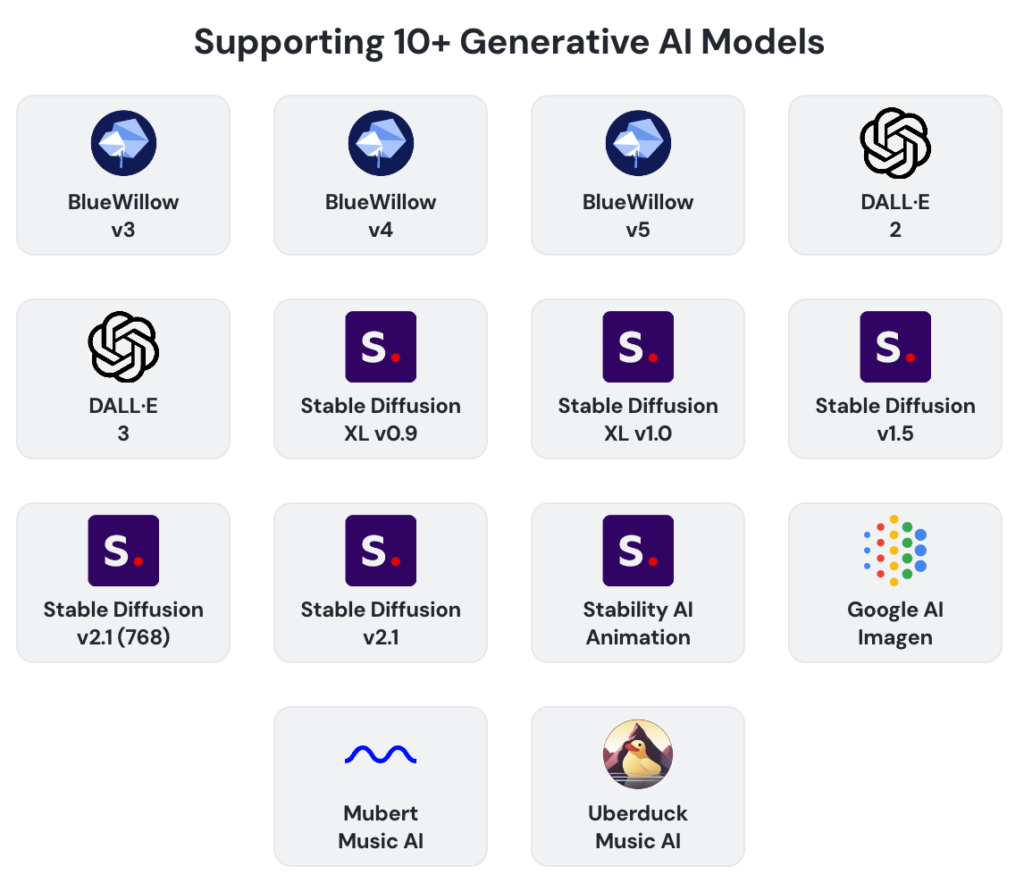
- Early 2023: The company begins integrating Stable Diffusion and other open-source generative models into its web-based creation tools.
- Mid-2023: LimeWire introduces a monetization model for creators, allowing them to earn revenue based on the popularity of their AI-generated content.
- March 2024: The launch of the official Developer API, signaling the company’s entry into the infrastructure and middleware market.
This timeline reflects a broader pattern observed in companies like Midjourney, OpenAI, and Stability AI, which have all shifted their focus toward building ecosystems rather than standalone products. By offering an API, LimeWire is betting that the long-term value lies in becoming the "engine" behind other developers’ websites, blogs, and SaaS platforms.
Industry Data and Market Context
The generative AI market is currently undergoing a period of hyper-growth. According to various market research projections, the generative AI market is expected to grow at a Compound Annual Growth Rate (CAGR) of over 30% through 2030. Much of this growth is attributed to the integration of generative capabilities into existing software applications—a process known as "AI-augmented workflows."
Engineers currently face a "search and licensing" bottleneck. Finding high-quality, royalty-free images for blog posts, marketing materials, or user-generated content often involves expensive subscriptions to stock photography services or the time-consuming process of vetting licenses. LimeWire’s API provides a dynamic alternative: an automated system that generates representative images on the fly based on textual input. This significantly reduces the overhead for content management systems (CMS) and social media platforms that require high volumes of visual media.
Broader Implications for Developers and Creators
The implications of this technology are widespread, particularly for small-to-medium enterprises (SMEs) that may not have the resources to train their own custom models.
Automated Content Creation: Authors and bloggers can now utilize the API to generate bespoke illustrations for their articles in real-time. By feeding the content of a post into an AI, the system can extract keywords and generate relevant, high-quality images without human intervention. This could revolutionize the way newsrooms and digital media outlets handle visual production.
Scalable User Experiences: Platforms can now offer their own users the ability to generate art. By embedding LimeWire’s API, a social networking app or a collaborative design tool can provide "AI-generated profile pictures" or "AI-assisted design tools" as native features. This empowers the end-user, turning casual participants into AI artists without requiring them to understand the underlying complexities of latent diffusion models.
Economic Shifts in Media: The commoditization of image generation through APIs like LimeWire’s is likely to put downward pressure on the pricing of stock photography. While high-end, professional photography will remain a premium service, the "filler" content market—which accounts for a significant portion of daily web traffic—is shifting toward machine-generated assets.
Expert Perspectives and Operational Challenges
While the technical benefits are clear, industry experts note that integrating AI APIs comes with specific responsibilities. Data privacy, copyright attribution, and the ethical use of generative models remain at the forefront of the conversation.
From an operational standpoint, integrating third-party AI APIs requires robust error handling and cost management. As image generation is compute-intensive, developers must be mindful of token usage and the potential for latency in high-traffic applications. LimeWire’s versioning system suggests they are cognizant of these needs, providing a stable environment for production-grade software.
Furthermore, the "black box" nature of AI generation means that developers have less control over the exact aesthetic output compared to traditional graphic design. However, as the models behind the LimeWire API continue to improve, the precision of these outputs is increasing, allowing for more consistent brand styles and visual identities.
Conclusion
The release of the LimeWire Developer API is a significant step toward the normalization of generative AI in commercial software development. By providing the tools to integrate advanced AI capabilities into everyday applications, LimeWire is moving away from the constraints of its past and into the vanguard of the AI-driven future.
For developers, the barrier to entry for building complex, AI-enabled applications has never been lower. Whether for automated editorial systems, creative platforms, or enterprise-grade software, the ability to programmatically invoke powerful image generation and upscaling represents a fundamental change in the digital landscape. As the technology continues to mature, the focus will likely shift from the novelty of "creating an image" to the efficiency of "automating the creative process." In this new paradigm, tools that offer ease of integration, reliability, and scalability—like the one introduced by LimeWire—will be the essential building blocks of the next generation of the internet.