Instagram Rolls Out Six-Figure Creator Deals to Fuel Long-Form Video Ambitions and Challenge YouTube Dominance

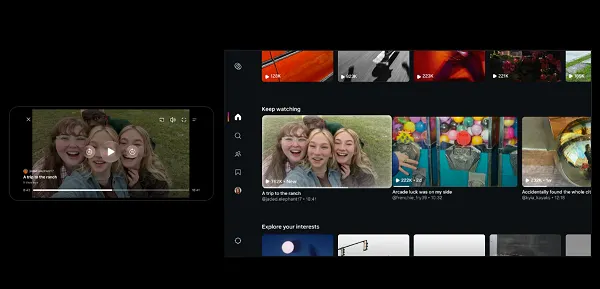
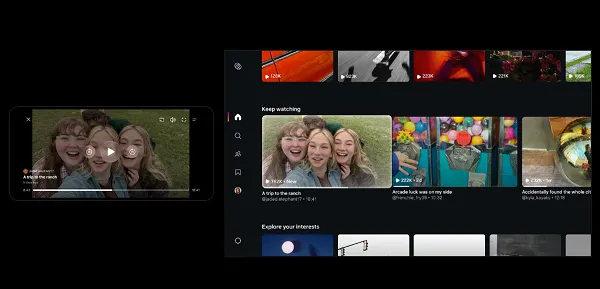
Meta-owned Instagram is making an aggressive play for the lucrative long-form video market, reportedly offering top-tier content creators up to $500,000 to publish extended videos on its platform. This financial push comes on the heels of Instagram’s recent introduction of "Features," a new product capability allowing select users to upload videos lasting up to 90 minutes. While the technological shift enables creators to venture far beyond short-form Reels and traditional Stories, bridging the gap in monetization remains a critical hurdle for the social media giant as it attempts to court creators away from established competitors like YouTube.
The Economics of Content Creation: Instagram vs. YouTube
For years, the creator economy has operated on a foundational principle: monetization drives participation. While Instagram boasts a massive global user base and unmatched reach for visual media, its creator payout structure has historically lagged behind video-first platforms. According to comprehensive industry analysis by VidIQ, YouTube’s robust ad revenue share model reliably pays creators between $1 and $10 per 1,000 long-form views. Furthermore, creators boasting subscriber bases upwards of one million users earn an estimated $50,000 per month on YouTube on average.
By contrast, monetization directly tied to views on Instagram has traditionally been negligible without direct brand sponsorships or affiliate marketing deals. VidIQ’s data indicates that creators with equivalent followings of over a million users on Instagram take home significantly less, averaging between $5,000 and $15,000 per month. This stark financial disparity explains why creators have historically treated Instagram as a supplementary marketing channel for their long-form work—often using it to direct audiences back to YouTube—rather than a primary publishing destination.
Recognizing this fundamental economic friction, Instagram Head Adam Mosseri has been transparent about the platform’s shortcomings regarding creator earnings. In a recent statement posted to Threads, Mosseri acknowledged that "the economics matter a ton," confirming that his leadership team is actively exploring diverse pathways to ensure long-form creators are adequately compensated for their time, production costs, and creative labor.
The Strategy: Direct Funding and Six-Figure Deals
Rather than rolling out an immediate, universally accessible revenue-sharing program, Instagram has opted for a targeted, high-stakes injection of capital. Reports from Business Insider reveal that Meta has begun distributing lucrative, one-off payments to select elite creators to populate the "Features" tab with premium material. While some creators have been onboarded with $50,000 baseline offers, high-profile stars with massive multi-platform followings have been courted with deals reaching as high as $500,000.
When approached for comment regarding the specifics of these financial incentives, Meta representatives offered a guarded response. While stopping short of confirming the exact figures reported by media outlets, a company spokesperson told Business Insider that Meta is deliberately "funding Features content directly with some creators" and expressed enthusiasm regarding the initial wave of content going live on the platform.
This direct-funding strategy indicates that Meta views kickstarting the ecosystem as a necessary prerequisite to attracting organic long-form engagement. However, industry veterans note that upfront cash injections, while successful in generating temporary buzz, have historically struggled to secure long-term platform loyalty without a sustainable, ongoing financial engine underneath them.
A Repeating Playbook: Learning from the IGTV Precedent
Meta’s current strategy of buying initial creator participation bears a striking resemblance to previous corporate initiatives that ultimately failed to alter long-term user behavior. In 2021, Meta announced a massive $1 billion creator investment fund intended to bolster Reels, livestreaming, and its standalone long-form video initiative, IGTV. As part of that push, the company offered substantial financial incentives to creators who enabled in-stream advertisements on their IGTV uploads.
Despite the injection of capital, the market response was lukewarm. Users accustomed to short-form, rapid-fire consumption on Instagram showed little appetite for long-form viewing within the application. By early 2022, facing declining engagement and stagnant creator adoption, Meta reversed course, officially sunsetting the standalone IGTV app and dismantling its in-stream video monetization products in favor of a consolidated video tab.
Meta is not alone in attempting to jump-start content verticals through direct financial promotions. Earlier this year, social platform X launched a $175,000 prize pool aimed at incentivizing users to leverage its Grok generative artificial intelligence tool to create unique, feature-length-style adaptations of the classic narrative "The Odyssey." While such campaigns routinely secure headlines and temporary spikes in user submissions, digital media analysts consistently point out that they rarely translate into organic, sustained consumption habits once the promotional funding dries up.
Broader Implications for the Creator Economy
The success or failure of Instagram’s long-form push carries significant ramifications for the broader digital media landscape. For creators, diversification is a matter of business survival. Relying solely on a single platform exposes content creators to algorithmic volatility, sudden policy shifts, and unpredictable ad-payout fluctuations. If Instagram can successfully engineer a viable long-form ecosystem, creators will gain a powerful alternative to YouTube, opening up new revenue streams and increasing their leverage in brand negotiations.
However, building a sustainable ecosystem requires more than just high-budget pilot programs. For "Features" to succeed where IGTV failed, Instagram must solve several complex product and cultural challenges:
- Discovery and User Intent: Users open Instagram primarily for quick, visually arresting snippets of content. Training the algorithm—and the user base—to slow down and commit 20, 40, or 90 minutes to a single video requires a fundamental shift in user behavior that design changes alone may not achieve.
- Ongoing Revenue Infrastructure: While six-figure lump sums can attract top talent for a finite campaign, a thriving creator economy requires predictable, scalable monetization loops. Unless Instagram introduces a robust, transparent ad-revenue-share program or subscription model accessible to a wide tier of creators, the platform risks losing its long-form content the moment the initial funding contracts expire.
- Competition from Established Giants: YouTube remains deeply entrenched as the undisputed king of long-form digital video, boasting a mature partner program, optimized playback technology, and a lean-back viewing culture deeply embedded in television sets and living rooms globally.
Outlook and Future Prospects
As Instagram continues its limited rollout of the Features option in the United States and evaluates the performance of its heavily funded creator cohort, the tech industry is watching closely. The move signals Meta’s ongoing determination to capture every facet of user attention, from ephemeral Stories and bite-sized Reels to immersive, feature-length video storytelling.
Whether Instagram can successfully re-engineer its platform culture to accommodate extended viewing remains an open question. Without a seamless, long-term economic incentive model that can rival or surpass YouTube’s Partner Program, the platform’s multi-hundred-thousand-dollar bets may yield another expensive lesson in the limits of financial engineering within social media. For now, Instagram’s high-stakes gamble has officially drawn the battle lines for the next phase of the platform wars, putting creators in the enviable position of watching major tech titans compete for their creative output.