Beyond Sellfy: A Comprehensive Review of Leading E-commerce Platforms in 2026 for Creators and Small Businesses


Sellfy, a platform lauded for its speed in enabling creators and small businesses to sell digital products, subscriptions, and simple merchandise online, has carved a significant niche. Its all-in-one design and beginner-friendly tools have served a clear purpose for many. However, as businesses evolve and their e-commerce needs become more sophisticated, particularly concerning site design and scalability, Sellfy can begin to present limitations. This article delves into the robust landscape of Sellfy alternatives available in 2026, offering enhanced customization, superior scalability, more competitive fee structures, advanced e-commerce tools, broader integration capabilities, and greater design flexibility. Through thorough research and hands-on testing, each platform has been evaluated based on pricing, features, advantages, disadvantages, and overall user experience, providing a detailed breakdown of the top contenders.
The digital marketplace continues its rapid expansion, with projections indicating continued growth in online sales for both digital and physical goods. In 2026, creators and small businesses are increasingly seeking platforms that not only facilitate immediate sales but also support long-term growth and brand development. This has led to a surge in demand for e-commerce solutions that offer a deeper feature set, more intuitive design interfaces, and better integration with other business tools. Sellfy’s appeal lies in its simplicity, but for businesses aiming for significant scale or a highly branded online presence, exploring alternatives has become a strategic imperative.
Shopify: The Unrivaled Leader in Comprehensive E-commerce Solutions
Starting Price (USD): $5 – $39/month
Best For: Full-featured e-commerce businesses
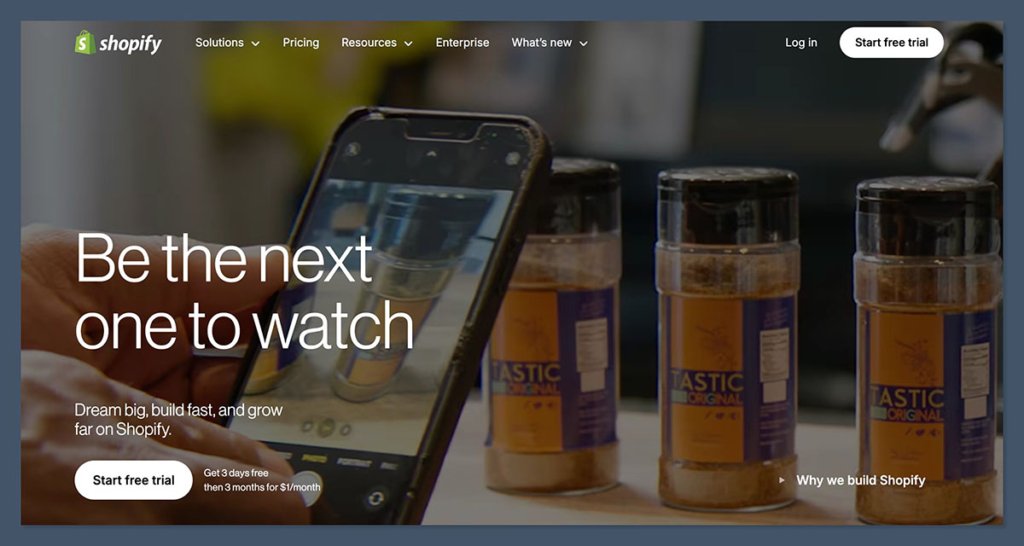
Shopify stands as the premier e-commerce platform for businesses of all sizes looking to establish and scale their online sales operations. It is equipped with a comprehensive suite of dedicated sales tools, making it an optimal choice for independent creators aiming for growth, as well as fast-scaling brands. While its website editor might not be as immediately intuitive as some all-in-one builders, Shopify’s unwavering focus on performance, sophisticated inventory management, and a seamless checkout experience solidifies its position as the most potent platform for online selling.
AI Integration: Shopify has significantly enhanced its platform with AI capabilities, notably through Shopify Sidekick, an AI assistant designed to streamline store setup, content creation, and customer support. AI-generated product descriptions and intelligent layout suggestions further empower users. During testing, Shopify Sidekick proved to be an invaluable partner, offering effective suggestions for storefront design, product descriptions, and promotional strategies, enhancing the user’s productivity.
Pros:
- Robust E-commerce Functionality: Offers advanced features for inventory management, order processing, shipping, and tax calculations.
- Scalability: Designed to support businesses from startups to large enterprises, handling high volumes of traffic and sales.
- Extensive App Store: Access to thousands of third-party applications for extended functionality, marketing, and analytics.
- AI-Powered Tools: Shopify Sidekick and AI-generated content features accelerate content creation and operational efficiency.
- Global Reach: Supports multi-currency sales, international shipping, and localized experiences.
Cons:
- Transaction Fees: While competitive, transaction fees can apply on top of payment gateway fees if not using Shopify Payments.
- Learning Curve: The sheer breadth of features can present a steeper learning curve for absolute beginners compared to simpler platforms.
- Cost: While a $5/month Starter plan exists, more robust plans can become expensive as a business scales.
Recent Shopify Updates and Features:
Shopify continues to innovate with features like expanded payment options, enhanced analytics dashboards, and improved marketing tools. The integration of AI across the platform signifies a strategic push towards empowering merchants with intelligent automation.

How Much Does Shopify Cost?
Shopify offers several pricing tiers:
- Starter Plan: $5/month (ideal for social selling and embedding buy buttons).
- Basic Plan: $39/month (billed annually, includes core e-commerce features).
- Shopify Plan: $105/month (billed annually, for growing businesses).
- Advanced Plan: $399/month (billed annually, for scaling businesses).
Why Use Shopify in 2026?
Shopify remains the market leader due to its comprehensive e-commerce features, secure infrastructure, and inherent scalability. It provides advanced capabilities like complex shipping rules, international tax management, and abandoned cart recovery, often without the need for numerous plugins. The AI assistant, Shopify Sidekick, significantly reduces setup time and automates tasks, benefiting solo entrepreneurs and small teams alike. For businesses focused on substantial e-commerce growth, Shopify offers the necessary tools and flexibility. It is well-suited for selling digital downloads, print-on-demand products, or managing large, complex catalogs, built to meet the demands of serious online stores.
Shopify is suitable for:
- Businesses ready for significant growth and scaling.
- Sellers requiring advanced inventory and order management.
- Brands that need a robust, customizable online store.
- Those looking for extensive app integrations.
Shopify isn’t suitable for:
- Individuals seeking only a basic, free online presence.
- Businesses with extremely simple product offerings and minimal sales volume.
- Users who are uncomfortable with a platform that offers extensive customization options.
Wix: The Creative’s Canvas for Visually Stunning E-commerce
Starting Price (USD): $29/month (e-commerce plans)
Best For: Quick launch with custom design
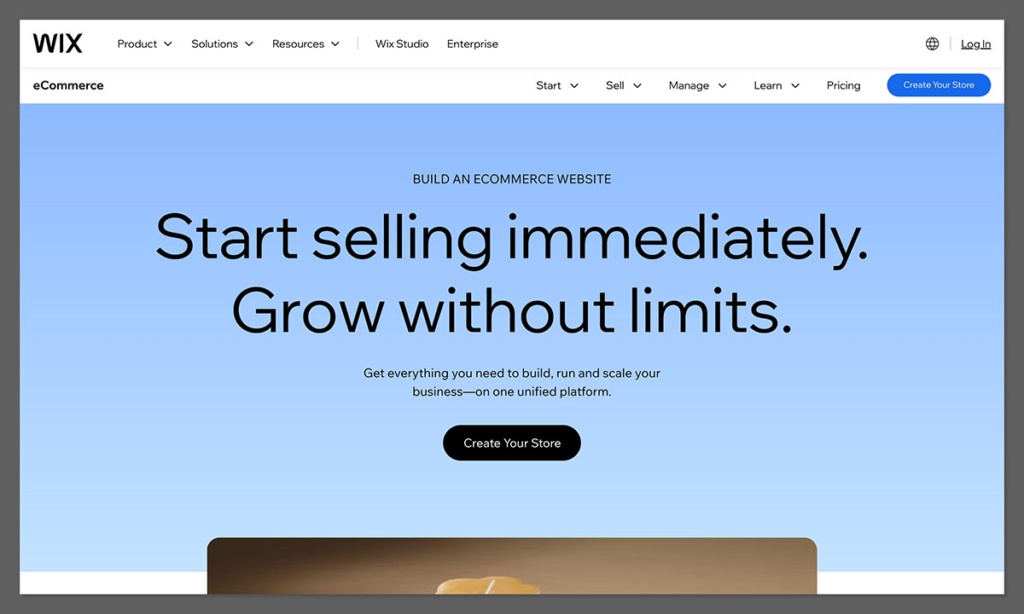
Wix is recognized as one of the most user-friendly and design-flexible e-commerce builders available. It is particularly well-suited for sellers who prioritize a visually appealing website and desire a rapid launch without the need for coding expertise. Wix integrates built-in marketing tools, basic automation, and e-commerce functionalities that perform exceptionally well for smaller to medium-sized online stores.
AI Integration: Wix has embraced AI with tools like Wix ADI (Artificial Design Intelligence) for automated website creation, alongside AI for generating images and text. Its Astro AI assistant further aids in customizing and managing the website. During testing, Wix’s AI builder efficiently generated a tailored storefront for digital templates, complete with product pages, a checkout process, and email opt-in flows, all of which could be further refined using the intuitive drag-and-drop editor.
Pros:
- Exceptional Design Flexibility: Offers a vast array of templates and a powerful drag-and-drop editor for complete creative control.
- User-Friendly Interface: Intuitive to navigate, making it accessible for beginners.
- All-in-One Solution: Integrates website building, e-commerce, marketing, and hosting.
- AI-Powered Design Tools: Speeds up the initial design process and content creation.
- App Market: A decent selection of apps to extend functionality.
Cons:
- Limited Scalability for High Volume: May not be the best choice for extremely high-volume e-commerce operations or complex business logic.
- SEO Limitations: While improved, some users report less granular SEO control compared to platforms like WordPress/WooCommerce.
- Template Lock-in: Once a template is chosen, switching to a new one can be challenging without rebuilding the site.
How Much Does Wix Cost?
Wix offers several e-commerce plans:
- Business Basic: $29/month (billed annually).
- Business Unlimited: $32/month (billed annually).
- Business VIP: $59/month (billed annually).
Why Use Wix in 2026?
Wix effectively combines website design, e-commerce capabilities, and marketing tools into a unified platform. It is a leading choice for creators, small brands, and boutique stores seeking a strong online presence with polished visual appeal. While not ideal for managing massive product catalogs or highly complex operational workflows, it excels in simplicity and presentation, making it a strong Sellfy alternative for visually driven businesses.
Wix is suitable for:
- Creative professionals and small brands prioritizing design.
- Businesses needing to launch a professional-looking website quickly.
- Sellers of physical and digital products with moderate catalog sizes.
- Users who want an integrated suite of marketing and sales tools.
Wix isn’t suitable for:
- Large enterprises with complex e-commerce requirements.
- Users who need advanced customization beyond the drag-and-drop editor.
- Businesses with a strong focus on complex SEO strategies.
Squarespace: The Epitome of Design-Focused Branding
Starting Price (USD): $16 – $99/month
Best For: Creative brands and portfolios
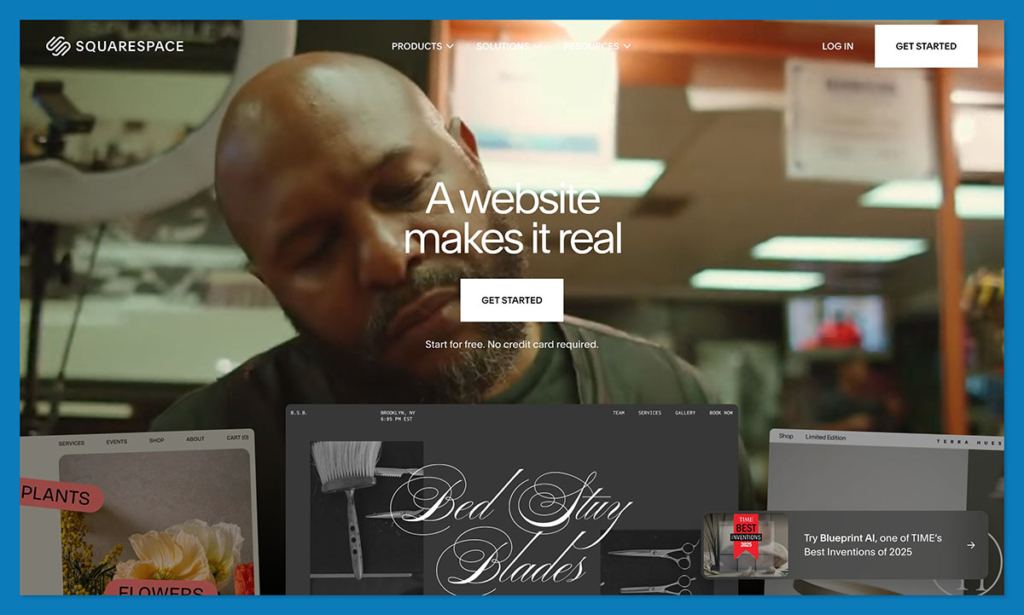
Squarespace is renowned for its aesthetically pleasing templates and seamless editing experience, making it an excellent platform for designers, artists, and premium brands aiming to showcase their products and establish a sophisticated online storefront. Squarespace supports the sale of digital downloads, subscriptions, and physical products with minimal setup.
AI Integration: Squarespace has introduced AI features through Squarespace Blueprint for design assistance and AI content tools for text generation, aiming to enhance user creativity and efficiency. When building a portfolio-style store on Squarespace, the templates provided a strong foundation, requiring only content swaps and minor adjustments for a polished, professional result.
Pros:
- Stunning Template Designs: Offers modern, visually appealing templates that elevate brand aesthetics.
- Intuitive Editor: Easy-to-use interface for creating beautiful websites.
- Integrated E-commerce: Robust tools for selling physical products, digital downloads, and subscriptions.
- All-in-One Solution: Includes hosting, domain registration, and marketing tools.
- Strong for Visual Products: Ideal for portfolios, art, photography, and design-centric businesses.
Cons:
- Limited Third-Party Integrations: Fewer integration options compared to Shopify or WooCommerce.
- Less Customization for Advanced Users: While visually flexible, deep code customization is more restricted than some competitors.
- Pricing: Can be more expensive than some competitors for comparable features.
How Much Does Squarespace Cost?
Squarespace offers several pricing tiers, with annual billing providing significant discounts:
- Personal: $16/month (billed annually) – basic website features.
- Business: $23/month (billed annually) – includes e-commerce features.
- Basic Commerce: $27/month (billed annually) – full e-commerce capabilities.
- Advanced Commerce: $49/month (billed annually) – advanced e-commerce features.
Why Use Squarespace in 2026?
Squarespace is the preferred choice when design is paramount. It simplifies the creation of modern, professional online stores, eliminating the need for a dedicated designer. For those selling digital goods, print media, art, or any visually oriented product, Squarespace provides the essential visual edge required to stand out online.
Squarespace is suitable for:
- Artists, designers, photographers, and creative professionals.
- Brands prioritizing a high-end visual aesthetic.
- Businesses selling physical products, digital downloads, or offering subscriptions with a design focus.
- Users who want an all-inclusive, easy-to-manage website solution.
Squarespace isn’t suitable for:
- Businesses requiring extensive third-party app integrations.
- Sellers who need deep backend customization or complex custom coding.
- Platforms with a primary focus on advanced SEO optimization.
WooCommerce: The WordPress Powerhouse for SEO-Driven Sellers
Starting Price (USD): Free (plugin), hosting from ~$20/month
Best For: SEO-focused sellers on WordPress
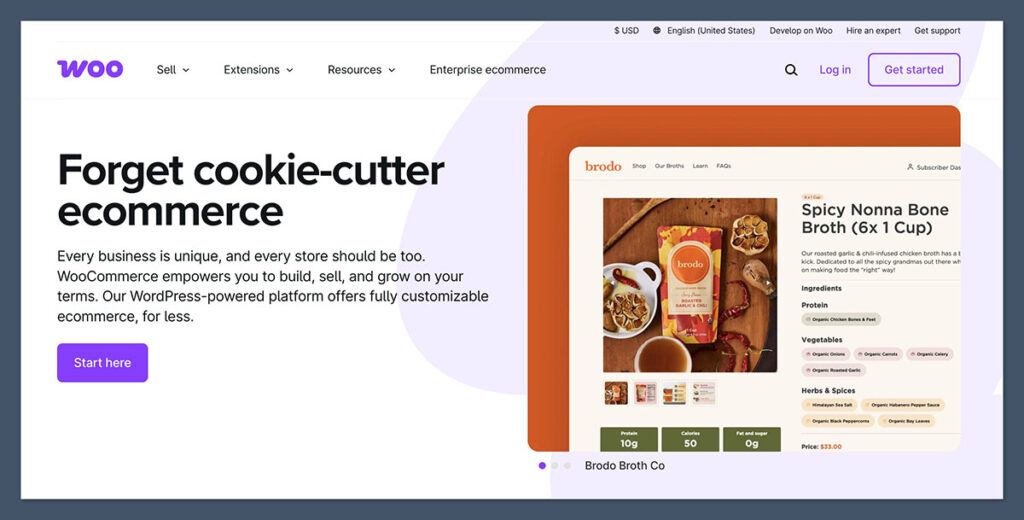
WooCommerce is a highly flexible e-commerce plugin for WordPress, granting users complete control over their store’s design, performance, and search engine optimization (SEO). It is ideally suited for sellers who already utilize WordPress or wish to integrate e-commerce capabilities with content marketing and blogging.
AI Integration: WooCommerce does not offer native AI tools. However, its extensive ecosystem of WordPress plugins allows for the integration of AI-powered features for content generation, SEO optimization, and customer service. The flexibility of WordPress means users can choose and implement specific AI solutions to enhance their store.
Pros:
- Ultimate Control and Flexibility: Full ownership and customization of your online store.
- SEO Powerhouse: Leverages WordPress’s strong SEO foundation, with numerous SEO plugins available.
- Vast Plugin Ecosystem: Access to thousands of plugins for virtually any functionality.
- Cost-Effective: The plugin is free; costs are primarily associated with hosting and domain.
- Scalability: Can scale to handle very large product catalogs and high traffic volumes with appropriate hosting.
Cons:
- Steeper Learning Curve: Requires familiarity with WordPress and website management.
- Requires Hosting and Maintenance: Users are responsible for their own hosting, security, and updates.
- Add-on Costs: While the core is free, essential extensions and themes can add up.
- No Native AI Tools: Requires third-party integrations for AI features.
How Much Does WooCommerce Cost?
- WooCommerce Plugin: Free.
- Hosting: Varies widely, typically starting from $20/month for reliable hosting.
- Themes and Extensions: Can range from free to several hundred dollars, depending on complexity and features.
Why Use WooCommerce?
WooCommerce is an excellent Sellfy alternative for those already invested in the WordPress ecosystem or seeking unparalleled flexibility. It’s ideal for content-driven sellers or anyone prioritizing organic traffic optimization. While it demands more initial setup than an all-in-one platform, it offers unmatched control over functionality and performance.
WooCommerce is suitable for:
- Existing WordPress users looking to add e-commerce functionality.
- Businesses prioritizing SEO and organic search traffic.
- Sellers who require deep customization and control over their website.
- Those comfortable with managing their own hosting and website maintenance.
WooCommerce isn’t suitable for:
- Absolute beginners with no prior website management experience.
- Users who prefer an all-in-one hosted solution with minimal technical involvement.
- Businesses that do not require extensive customization or SEO focus.
Podia: The Creator’s Hub for Digital Products and Courses
Starting Price (USD): $39 – $89/month
Best For: All-in-one creator businesses
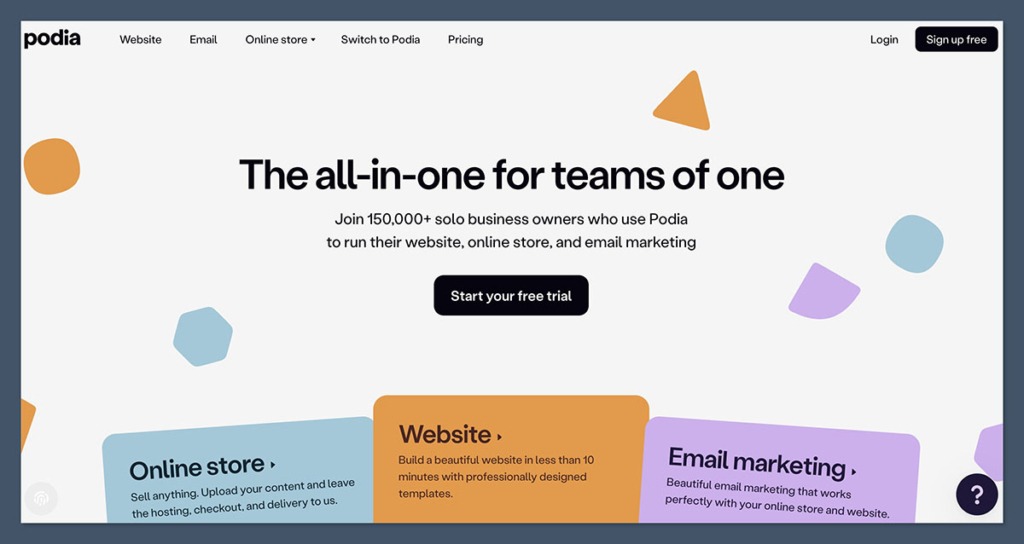
Podia is meticulously designed for creators, including coaches, course instructors, and digital product sellers. It consolidates storefront capabilities, email marketing, membership management, and content hosting into a single, streamlined interface. For businesses centered around digital products and audience engagement, Podia presents a compelling alternative to Sellfy.
AI Integration: Podia does not currently offer a dedicated AI assistant. However, its user interface is highly intuitive, and the platform’s design focuses on simplifying the creation and delivery of digital content, reducing the need for complex AI interventions for core tasks.
Pros:
- All-in-One Creator Platform: Combines courses, digital downloads, memberships, and email marketing.
- User-Friendly Interface: Simple to set up and manage, even for non-technical users.
- No Transaction Fees (on higher tiers): The $89/month plan offers 0% transaction fees.
- Built-in Marketing Tools: Includes email marketing and affiliate program features.
- Excellent for Digital Products: Streamlined experience for selling courses and downloads.
Cons:
- Limited Customization: Design options are more constrained compared to platforms like Wix or Squarespace.
- Transaction Fees on Lower Tiers: The $39/month plan incurs a 5% transaction fee.
- Not Ideal for Physical Products: Primarily focused on digital offerings.
How Much Does Podia Cost?
Podia offers tiered pricing based on features and transaction fees:
- Mover Plan: $39/month (5% transaction fee).
- Shaker Plan: $89/month (0% transaction fee, includes advanced features).
- Earthquaker Plan: $179/month (0% transaction fee, includes advanced features and priority support).
Why Use Podia in 2026?
Podia integrates the essential tools that most creators require, eliminating the need to manage separate platforms for courses, email, and storefronts. For content-first businesses, Podia offers a more efficient and user-friendly experience than Sellfy, complete with enhanced customer experience and marketing tools.
Podia is suitable for:
- Online course creators, coaches, and digital product sellers.
- Creators looking for an integrated platform for memberships and community.
- Businesses that want to minimize the number of tools they manage.
- Users prioritizing ease of use and a streamlined workflow.
Podia isn’t suitable for:
- Businesses primarily focused on selling physical products.
- Users requiring extensive website design customization.
- Platforms with a need for advanced analytics beyond standard sales data.
Gumroad: The Fast Track to Digital Product Sales
Starting Price (USD): Free to use, with a 10% transaction fee
Best For: Fast, no-fuss digital selling
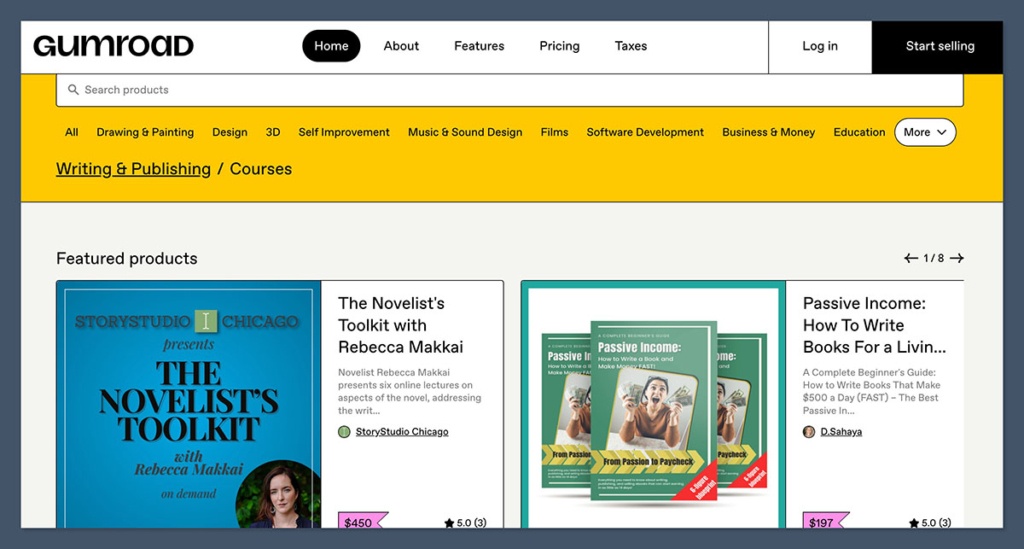
Gumroad stands out as one of the most straightforward methods for selling digital products online. If you have a file, a price point, and an audience, you can begin generating sales within minutes. It is designed for creators who value simplicity over complexity, and its absence of subscription fees makes it particularly appealing to those just starting their e-commerce journey.
AI Integration: Gumroad does not currently incorporate native AI tools into its platform. Its focus remains on providing a direct and unencumbered sales channel for creators.
Pros:
- Extremely Simple Setup: Launch products and start selling within minutes.
- No Monthly Fees: Pay only when you make a sale, making it ideal for low-volume sellers.
- Ideal for Digital Products: Well-suited for PDFs, e-books, software, templates, and audio/video files.
- Built-in Payment Processing: Handles transactions securely.
- Affiliate Program Functionality: Allows creators to empower others to sell their products.
Cons:
- High Transaction Fee: The 10% fee can become substantial for high-volume sellers.
- Limited Customization: Storefront and product page customization options are minimal.
- No Advanced E-commerce Features: Lacks robust inventory management, marketing automation, or complex shipping options.
- Branding Limitations: Minimal control over the overall look and feel of the sales page.
How Much Does Gumroad Cost?
- Standard Fee: 10% of each sale. This fee covers payment processing and platform costs.
Why Use Gumroad?
Gumroad is the top Sellfy alternative for minimalist creators who want to launch quickly and avoid monthly expenses. It is particularly effective for selling items like PDFs, templates, short videos, or small software tools. However, as sales volume increases beyond approximately $1,000 per month, the 10% transaction fee can become a significant drawback compared to platforms with tiered pricing or lower per-sale charges.
Gumroad is suitable for:
- Creators launching new digital products and seeking quick validation.
- Individuals with a small catalog of digital goods.
- Sellers who prefer a pay-as-you-sell model without upfront costs.
- Users prioritizing speed and simplicity over extensive customization.
Gumroad isn’t suitable for:
- Businesses with high sales volumes where transaction fees would be prohibitive.
- Sellers who need extensive branding and design control.
- Those requiring advanced marketing or e-commerce management tools.
Payhip: Transparent Pricing for Lean Digital Businesses
Starting Price (USD): Free – $99/month
Best For: Transparent pricing, small teams
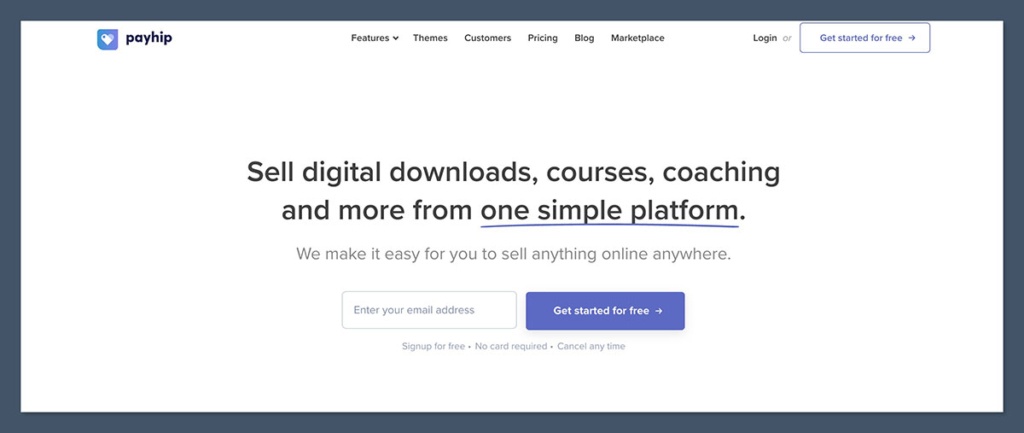
Payhip is a creator-centric platform offering a clean, all-in-one solution for selling digital products, memberships, and even physical goods. It is recognized for its transparent pricing structure and straightforward setup, allowing users to be operational within an hour. Payhip includes tools for VAT management, coupon creation, and affiliate programs.
AI Integration: Payhip does not currently integrate AI tools directly into its platform. Its focus is on providing a clear, functional, and easy-to-use e-commerce environment.
Pros:
- Transparent Pricing: Clear fee structures with no hidden costs.
- Generous Free Plan: A free tier with a 5% transaction fee is available.
- All-in-One Functionality: Supports digital products, memberships, and physical goods.
- Built-in Marketing Tools: Includes coupons, bundles, and affiliate marketing features.
- EU VAT Handling: Automated handling of VAT for digital products sold to EU customers.
Cons:
- Limited Design Customization: Storefront design options are relatively basic.
- Transaction Fees on Lower Tiers: The free and $29/month plans have transaction fees.
- Not Ideal for Large Inventories: Best suited for businesses with moderate product offerings.
How Much Does Payhip Cost?
Payhip offers flexible pricing:
- Free Plan: 5% transaction fee per sale.
- Plus Plan: $29/month with a 2% transaction fee.
- Pro Plan: $99/month with 0% transaction fees.
Why Use Payhip?
For those seeking a no-nonsense approach to selling digital goods, Payhip delivers significant value without unnecessary complexity. Its pricing is easy to understand, and its tools are effective for solo entrepreneurs. While it may not scale into an enterprise-level solution, it is more than adequate for lean, digitally focused businesses.
Payhip is suitable for:
- Solo entrepreneurs and small teams selling digital products.
- Creators who value straightforward pricing and minimal fees.
- Businesses looking for an integrated solution for digital products and memberships.
- Sellers needing to handle EU VAT for digital sales.
Payhip isn’t suitable for:
- Large e-commerce operations requiring advanced features and extensive customization.
- Businesses that need highly sophisticated marketing automation tools.
- Sellers who prioritize unique or highly branded storefront designs.
Ko-fi: Fan Support and Lightweight Shops for Creators
Starting Price (USD): Free with 5% fee, $12/month for Ko-fi Gold (0% fee)
Best For: Fan support and tipping plus simple sales
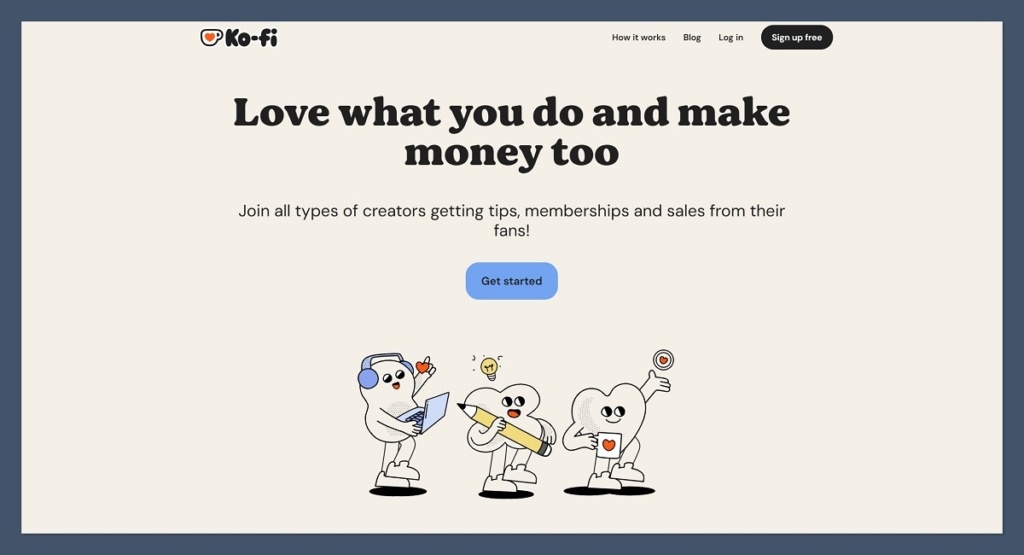
Ko-fi is a support-first platform that enables fans to tip creators, subscribe to their content, or purchase digital products from a simple shop. It is particularly popular among artists, writers, and streamers who desire a lightweight method of monetization without the complexities of establishing a full online store.
AI Integration: Ko-fi does not feature native AI tools. The platform’s design prioritizes direct creator-fan interaction and straightforward monetization methods.
Pros:
- Creator-Focused: Built with the needs of artists and content creators in mind.
- Flexible Monetization: Supports donations, memberships, commissions, and shop sales.
- Low Fees (or none with Gold): Free tier has a 5% platform fee; Ko-fi Gold removes this.
- Simple Shop Setup: Easy to list and sell digital products.
- Direct Fan Engagement: Facilitates community building and support.
Cons:
- Limited E-commerce Features: Not designed for complex inventory management or extensive product lines.
- Platform Fee on Free Tier: A 5% fee applies to donations and sales on the free plan.
- Basic Design Options: Storefront customization is minimal.
- Not Ideal for High-Volume Retail: Best for supplemental income and fan support.
How Much Does Ko-fi Cost?
- Free Plan: 5% platform fee on donations and sales.
- Ko-fi Gold: $12/month (or $120/year) for 0% platform fees on all transactions.
Why Use Ko-fi?
Ko-fi offers a creator-friendly Sellfy alternative that balances fan support and sales without overwhelming users with features. If you already have an audience and aim to monetize with minimal effort, Ko-fi is one of the most hassle-free options available.
Ko-fi is suitable for:
- Artists, illustrators, writers, and streamers seeking fan support.
- Creators selling small batches of digital products or merchandise.
- Individuals who want to offer tipping and recurring support options.
- Users prioritizing community building alongside monetization.
Ko-fi isn’t suitable for:
- Businesses primarily focused on high-volume retail sales.
- Sellers requiring advanced e-commerce features or extensive design customization.
- Users who need to manage large inventories of physical goods.
Fourthwall: Merch and Digital Products Tailored for Creators
Starting Price (USD): Free plan available, Pro plan $19/month
Best For: Merch + digital for creators
Fourthwall is purpose-built for creators looking to sell merchandise, memberships, and digital products directly to their audiences. It incorporates built-in fulfillment for physical products and integrates with platforms like YouTube and Twitch, making it an ideal solution for social media creators with an established following.
AI Integration: Fourthwall does not currently offer AI tools. Its development focus is on streamlining the creator-to-fan commerce experience.
Pros:
- Creator-Centric Features: Designed specifically for the needs of content creators.
- Integrated Merch Fulfillment: Handles production and shipping for physical products.
- Supports Digital Products and Memberships: A comprehensive offering for creator monetization.
- Seamless Integrations: Connects with popular social platforms.
- Custom Domain Support: Allows for a branded online presence.
Cons:
- Limited Customization for Non-Merch: While strong for merch, digital product storefronts may be less flexible than dedicated platforms.
- Pricing Structure: Pro plan has a monthly fee, and transaction fees apply.
- Focus on Existing Audiences: Less geared towards attracting new customers organically.
How Much Does Fourthwall Cost?
- Free Plan: Includes a 10% transaction fee on all sales.
- Pro Plan: $19/month (or $180/year) with a 5% transaction fee.
Why Use Fourthwall?
Fourthwall simplifies the process of converting an audience into revenue. Whether selling apparel, digital packs, or memberships, it is designed with creators at its core, not just generic e-commerce stores. If your income is intrinsically linked to content creation, Fourthwall offers highly relevant tools for today’s market.
Fourthwall is suitable for:
- Streamers, YouTubers, and social media influencers.
- Creators selling branded merchandise alongside digital products.
- Businesses that want to manage physical product fulfillment easily.
- Users seeking integrations with their existing content platforms.
Fourthwall isn’t suitable for:
- Businesses with complex product catalogs or extensive inventory needs.
- Sellers focused solely on digital products without merchandise.
- Users who require advanced website design customization beyond themed templates.
Teachable: The Premier Platform for Online Course Creators
Starting Price (USD): $39+/month
Best For: Course-first sellers
Teachable is a purpose-built platform dedicated to hosting, selling, and managing online courses. It is ideal for educators and digital creators who wish to offer structured content, including video lessons, coaching sessions, and downloadable materials.
AI Integration: Teachable does not currently feature AI tools. Its platform is optimized for educational content delivery and management.
Pros:
- Dedicated Course Features: Robust tools for course creation, student management, and progress tracking.
- High-Quality Content Delivery: Ensures a seamless learning experience for students.
- Integrated Payment Processing: Handles course sales and payouts efficiently.
- Customization Options: Allows for branding and customization of course pages.
- Affiliate Program: Facilitates the promotion of courses through affiliates.
Cons:

- Transaction Fees on Lower Tiers: Higher plans reduce or eliminate transaction fees.
- Less Versatile for General E-commerce: Primarily focused on courses, less so for diverse product types.
- Pricing: Can be more expensive than general e-commerce platforms, especially for lower tiers.
How Much Does Teachable Cost?
Teachable’s pricing is tiered, with fees decreasing as you move to higher plans:
- Free Plan: 0% transaction fee, but a $1 + 10% transaction fee on sales.
- Basic Plan: $39/month (billed annually) with a 5% transaction fee.
- Professional Plan: $119/month (billed annually) with a 0% transaction fee.
- Business Plan: $249/month (billed annually) with a 0% transaction fee.
Why Use Teachable?
Teachable offers a powerful alternative to Sellfy if your primary focus is on education and structured content delivery. Its learning-centric features make it a more suitable choice for course-based businesses than traditional e-commerce platforms.
Teachable is suitable for:
- Educators, coaches, and subject matter experts.
- Businesses focused on selling online courses and educational content.
- Creators offering workshops, coaching programs, or membership sites with educational components.
Teachable isn’t suitable for:
- Businesses primarily selling physical or general digital products.
- Users who need a platform for broad e-commerce management.
- Individuals seeking a simple, low-cost solution for basic digital product sales.
Big Cartel: The Artisanal Choice for Small Shops
Starting Price (USD): Free – $30/month
Best For: Small catalogs, artist shops
Big Cartel is a lightweight e-commerce platform designed for artists, makers, and small-scale sellers. It offers an intuitive interface, minimal overhead, and a clean storefront experience, ideal for businesses with a limited number of products.
AI Integration: Big Cartel does not currently integrate AI tools. Its focus remains on simplicity and ease of use for small creative businesses.
Pros:
- Affordable Pricing: Offers a free plan and cost-effective paid tiers.
- Easy to Use: Simple interface for quick setup and management.
- Ideal for Small Inventories: Designed for artists and makers with a limited product range.
- Clean Storefronts: Provides a straightforward and aesthetically pleasing shopping experience.
- Focus on Independent Artists: Tailored features for creative entrepreneurs.
Cons:

- Limited Product Count: Paid plans restrict the number of products you can list.
- Basic Features: Lacks advanced e-commerce functionalities found in larger platforms.
- No Blog Integration: Does not include built-in blogging features.
- Limited Customization: Design options are more constrained compared to others.
How Much Does Big Cartel Cost?
Big Cartel offers tiered plans based on product listings:
- Gold Plan: Free for up to 5 products.
- Platinum Plan: $15/month for up to 50 products.
- Diamond Plan: $30/month for up to 500 products.
Why Use Big Cartel in 2026?
Big Cartel continues to be an excellent option for small artists or hobbyists selling a limited range of products. It is perfect for those who wish to avoid complex e-commerce dashboards or costly monthly fees, providing a focused and manageable solution.
Big Cartel is suitable for:
- Independent artists, crafters, and makers.
- Businesses selling a small, curated selection of products.
- Hobbyists looking for a simple way to monetize their creations.
- Users prioritizing a low-cost, straightforward e-commerce solution.
Big Cartel isn’t suitable for:
- Businesses expecting to scale to thousands of products.
- Sellers requiring advanced marketing, SEO, or e-commerce features.
- Those who need extensive website customization or integrated blogging.
Final Thoughts
For creators and small businesses finding Sellfy’s capabilities restrictive, the landscape of e-commerce platforms in 2026 offers a wealth of powerful alternatives. Whether the focus is on launching a creator business, selling digital downloads, or establishing a first online store, selecting the right platform can significantly impact growth and profitability.
Shopify and WooCommerce emerge as leading choices for long-term scalability and comprehensive e-commerce functionalities, offering robust features for businesses poised for significant expansion. Wix and Squarespace are ideal for those who prioritize visual design and intuitive user experiences, enabling the creation of stunning online storefronts with relative ease. For creators primarily selling content, platforms like Podia, Gumroad, Ko-fi, and Fourthwall provide clear, lightweight pathways to monetization, each with distinct advantages for different creator models.
The critical decision lies in choosing a platform that aligns with current business needs while providing ample room for future growth, thus avoiding the necessity of frequent platform migrations. The goal is not to overbuild or overspend, but to secure a tool that empowers a brand’s trajectory without imposing limitations. The perfect platform balances immediate utility with strategic foresight, ensuring that a business can thrive without being constrained by its foundational technology.