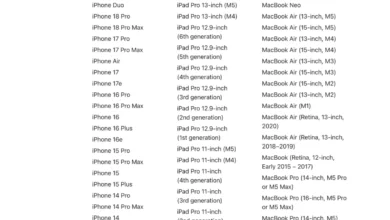
The release of Apple’s iOS 27 marks a significant evolution in the company’s mobile ecosystem, bridging the gap between high-end hardware innovation and day-to-day software utility. While the recent debut of the iPhone Duo—a foldable device characterized by its translucent Liquid Glass interface—captured headlines, the broader deployment of iOS 27 brings transformative AI-driven capabilities to the existing user base. As the operating system transitions from its beta phase to a general release, the integration of Apple Intelligence into the Safari browser emerges as a focal point for productivity and user experience enhancements.
The Evolution of the Apple Ecosystem
The trajectory leading to iOS 27 began at Apple’s annual developer conference earlier this year, where the company outlined a strategy to embed generative AI across its suite of applications. By leveraging the neural engines found in the iPhone 15 Pro and newer iterations, Apple has shifted its software philosophy from reactive tools to proactive, context-aware assistants. This shift is not merely cosmetic; it represents a fundamental change in how the mobile browser interacts with the open web.
The timeline for this deployment follows a standard, rigorous testing cycle. After the initial developer preview in early summer, the public beta allowed millions of users to stress-test these features. The upcoming full release on Monday serves as the culmination of these efforts, positioning iOS 27 as the most substantial update to the Safari engine since the introduction of tab groups several years ago.
Enhancing Browser Intelligence: Notify Me
One of the most pragmatic additions to the Safari toolkit is the "Notify Me" feature. Historically, monitoring changes on a static webpage required third-party services or cumbersome manual refreshes. By integrating this functionality natively, Apple is streamlining the process of data acquisition for the average consumer.
The mechanism operates through a sophisticated polling system. Users access the feature via the browser’s primary menu, where they are prompted to define specific parameters for site monitoring. The system uses Apple Intelligence to scan the DOM (Document Object Model) of a webpage for granular changes, such as price fluctuations, stock availability, or updates to privacy policies.
From an economic perspective, this feature democratizes price tracking. Market analysts suggest that by placing this power directly into the browser, Apple is effectively competing with dedicated retail-tracking extensions. For the consumer, this minimizes the "fear of missing out" (FOMO) regarding sales, allowing the browser to act as a persistent, low-energy monitoring agent.

Customization via Generative Extensions
The "Describe an Extension" tool represents a foray into user-generated software development. By utilizing a natural language processing (NLP) interface, users can articulate their browser needs—such as "make the webpage grayscale" or "display a reading time estimate"—and the browser generates a bespoke extension in real-time.
Industry experts note that this approach addresses a long-standing "feature bloat" issue in mobile browsers. Instead of forcing all users to install dozens of heavy third-party plugins that degrade performance and privacy, Apple allows the browser to remain lean, only adding specific functional logic when requested. This modular approach is consistent with Apple’s focus on privacy, as these extensions are generated within the secure enclave of the device’s local processor rather than being fetched from potentially insecure third-party repositories.
Managing Digital Clutter: Intelligent Tab Organization
Perhaps the most requested feature for power users is the automated management of browser tabs. With the average smartphone user now managing hundreds of open tabs, the cognitive load associated with digital organization has become a recognized pain point.
The iOS 27 update introduces an "Automatically Create Topics" function within the tab manager. By analyzing the metadata, keywords, and domain history of active tabs, the Safari browser can now cluster pages into semantic groups. Internal testing indicates that the system is highly effective at distinguishing between professional research, travel planning, and personal interest browsing. This functionality is supported by on-device machine learning, ensuring that the user’s browsing history remains private and is not transmitted to external servers for categorization.
Technical Implications and Hardware Requirements
The performance of these features is inherently tied to the A-series chips found in recent iPhone models. Apple Intelligence, the engine behind these updates, requires the advanced neural processing power present in the A17 Pro chip and its successors. This technical barrier has sparked debate among industry analysts regarding the lifecycle of mobile hardware.
While some users may view the requirement for newer hardware as a barrier, Apple maintains that the complexity of real-time web analysis and generative extension creation necessitates a specific floor for computational throughput. This strategy serves a dual purpose: it provides a robust experience for users with modern devices and incentivizes the upgrade cycle that sustains Apple’s hardware revenue.
Broader Impact on the Web Ecosystem
The integration of these features into Safari has broader implications for the web as a whole. By allowing users to easily track changes on websites and customize their viewing experience through generated extensions, Apple is effectively altering the "contract" between the user and the website.

For website publishers, the rise of "Notify Me" and similar AI-driven tools may necessitate a change in how content is served. Publishers will need to ensure that their sites remain machine-readable to accommodate these tracking tools. Furthermore, the ability for users to strip away design elements or change color schemes via generated extensions may impact the intended presentation of digital advertising and branding.
Official Stance and Future Outlook
Apple has remained characteristically reserved regarding the internal specifics of its AI training models, but the company has emphasized that these features were built with a "privacy-first" mandate. In a statement provided during the hardware event, a spokesperson for the company noted, "The goal of iOS 27 is to make the browser an extension of the user’s intent, not just a window into the web."
The reception of these tools by the developer community has been largely positive. By providing an API-friendly environment for these features, Apple is signaling that it intends to remain the dominant gatekeeper of the mobile browsing experience. As the rollout proceeds, the next phase of development is expected to include more complex automation tasks, potentially allowing users to chain together multiple "described" extensions to create sophisticated workflows.
Conclusion: A Shift in Mobile Utility
The release of iOS 27 is more than just a routine update; it is a strategic maneuver that integrates generative AI into the fabric of daily digital life. By simplifying complex tasks like price monitoring, extension creation, and tab management, Apple is betting that the convenience of an intelligent, proactive browser will become the primary differentiator in the competitive smartphone market.
As of Monday, the transition will be complete for millions of users worldwide. The long-term impact of these changes will likely be measured by how quickly other browser developers—such as those behind Chrome and Firefox—respond to these new standards of automation. For now, Apple has set a high bar, transforming the humble browser into a powerful, intelligent assistant that does much of the heavy lifting for its users. The era of the "smart browser" has officially arrived, and it promises to redefine how we navigate the vast, unorganized landscape of the internet.