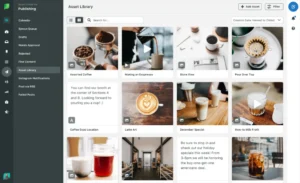
Sprout Social has long established itself as a premier enterprise-grade platform for social media management, offering a comprehensive suite of analytics, social listening, and engagement tools. However, its pricing structure—which frequently exceeds the budgetary constraints of individual creators, small businesses, and growing agencies—has prompted a significant market shift. With solo user plans starting at $99 per month and team plans scaling upward from $249 per user, the platform is increasingly positioned as a premium choice for organizations with substantial marketing budgets. As the digital landscape becomes more crowded, many professionals are re-evaluating their software stacks, seeking alternatives that offer comparable functionality at a lower cost or more flexible entry points.

The Evolution of the Social Media Management Market
The demand for social media management tools has tracked alongside the growth of digital advertising and content creation over the past decade. In the early 2010s, tools like Hootsuite and Buffer democratized content scheduling. By the mid-2010s, platforms like Sprout Social and Agorapulse introduced advanced CRM-style features, allowing teams to treat social media as a customer service channel rather than a simple publishing utility.
However, as social media platforms have diversified—adding video-first interfaces like TikTok and ephemeral content formats—the cost of managing these channels has risen. The current market is bifurcated: on one side, enterprise software provides deep-level data and compliance features; on the other, lean, agile tools are rising to meet the needs of a creator economy that prioritizes speed, video optimization, and affordability.

Comparative Analysis of Leading Alternatives
The following tools represent the current market leaders for those transitioning away from high-cost enterprise platforms.
Buffer: The Flexible Choice for Scaling Teams
Buffer remains the benchmark for usability and cost-efficiency. Its "freemium" model allows users to connect up to three social channels at no cost, making it the primary choice for freelancers. Its paid tiers, starting at $6 per channel per month, offer a granular approach to scaling that avoids the "per-user" penalty often found in enterprise software. By separating its publishing, analytics, and engagement features into distinct modules, Buffer allows teams to pay only for the functionality they currently require.
Hootsuite: The Enterprise Heavyweight
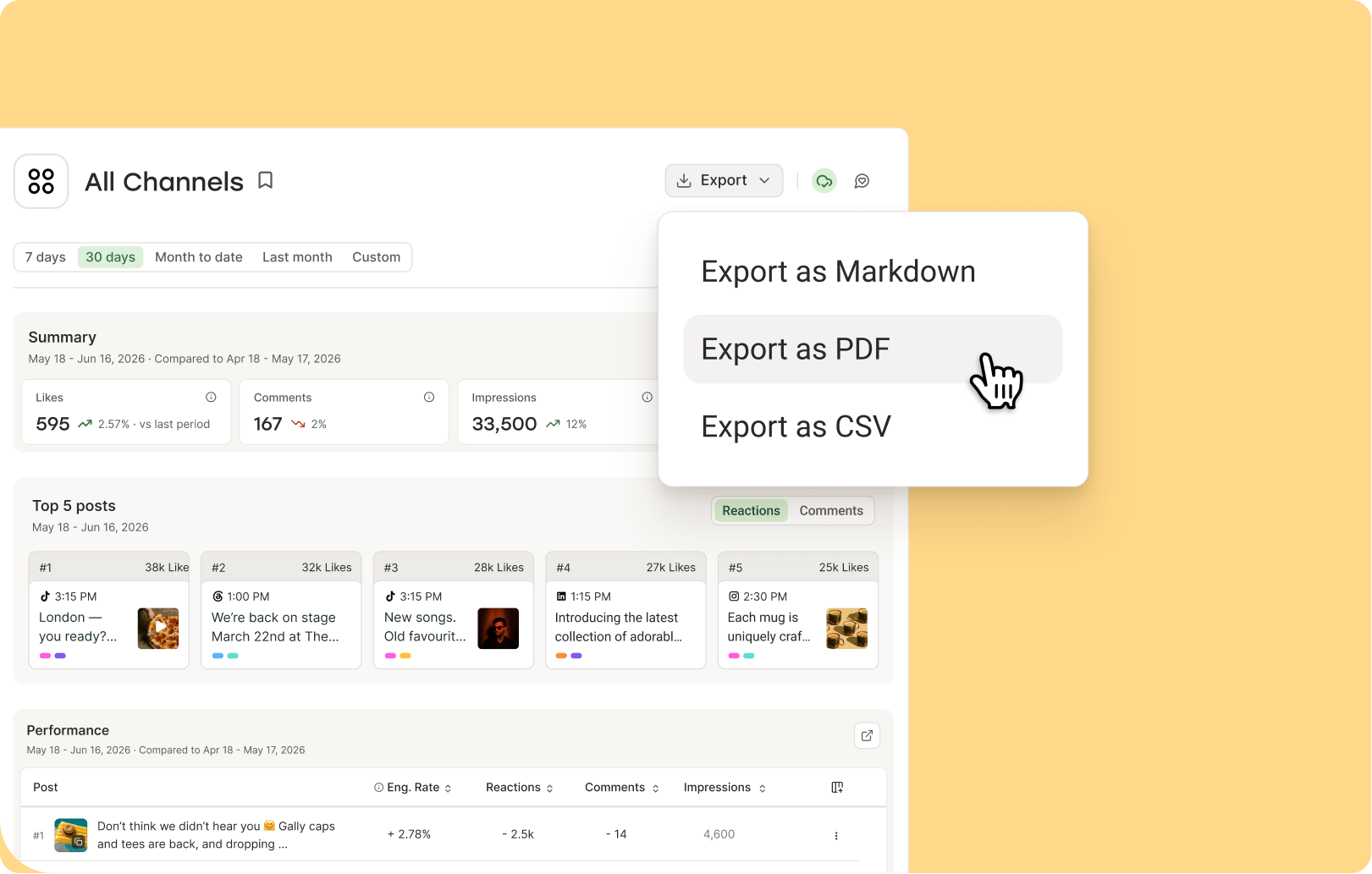
For organizations prioritizing complex approval workflows and high-volume customer support, Hootsuite continues to be the primary alternative to Sprout Social. With a starting price of $149 per user per month, it is positioned similarly to Sprout in terms of cost. However, its value proposition lies in its integration ecosystem, which includes over 100 third-party applications, including Zendesk and HubSpot. This makes it an ideal candidate for teams that need to bridge the gap between social media engagement and broader corporate CRM functions.
Agorapulse: Data-Driven ROI Reporting
Marketing teams tasked with proving the financial impact of social media often migrate to Agorapulse. While the pricing is comparable to Sprout Social ($99/user/month), the platform is distinguished by its robust ROI reporting tools. It provides users with the ability to track the conversion value of social media interactions, a critical metric for CMOs and marketing directors who must justify budget allocations to company leadership.

Sendible: The Agency Solution
Sendible has carved out a niche as the preferred platform for digital agencies. Unlike many competitors that charge heavily for seat-based licenses, Sendible focuses on workspace management and white-label reporting. At $35 per month, it is significantly more affordable for agencies managing multiple client portfolios. Its ability to provide clients with limited, branded access portals reduces the administrative burden of reporting, a common pain point for boutique firms.
CoSchedule: Unified Marketing Strategy
CoSchedule operates differently by integrating social media management into a broader project management framework. By connecting with WordPress, Mailchimp, and other content tools, it enables a "single pane of glass" view for marketing calendars. This is particularly effective for content-heavy teams that publish newsletters, blogs, and social updates in tandem.
Later: Visual-First Strategy
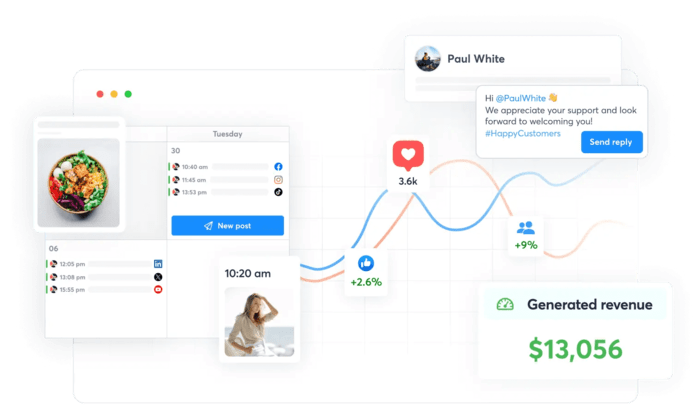
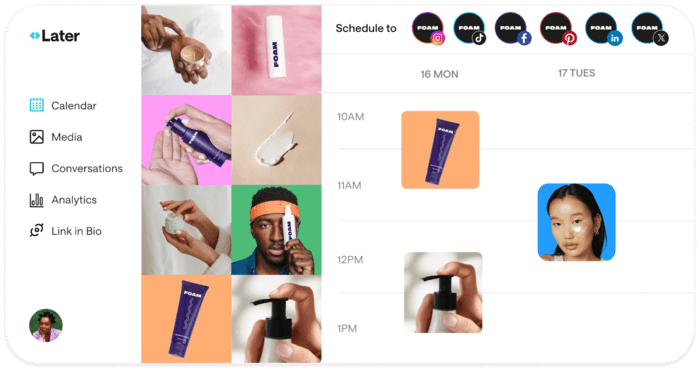
Originally designed as an Instagram-specific visual planner, Later has evolved into a powerhouse for influencer-led brands. With plans starting at $25 per month, it provides an intuitive drag-and-drop interface for planning grid aesthetics. Its recent expansion into influencer marketing features allows brands to manage campaigns, track partnerships, and measure influencer-driven sales directly from the platform.
Metricool: Ad Integration and Analytics
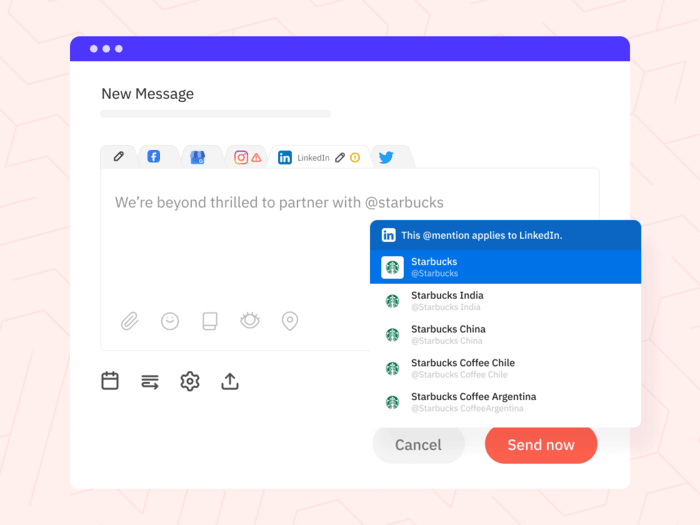
Metricool is the standout choice for teams that operate at the intersection of organic content and paid social media. Beyond its scheduling capabilities, it provides a dashboard to manage Google, Meta, and TikTok ad campaigns. This dual-purpose utility saves users from jumping between native ad managers and social media tools, streamlining the reporting process for performance-based marketing.
RecurPost: The Video Powerhouse
For creators and teams prioritizing video, RecurPost offers a unique approach. It focuses on "evergreen" content libraries, allowing users to automate the resharing of high-performing video content. Its deep integration with video platforms—including the ability to manage TikTok privacy settings and YouTube uploads—provides a level of control that standard schedulers lack.
Economic Implications for Businesses
The decision to switch platforms involves more than just a reduction in monthly subscription costs. There is a "migration tax"—the time and labor required to export historical data, re-verify social accounts, and retrain staff.
Data from industry analysts suggests that the cost of switching software platforms typically breaks even within four to six months for mid-sized teams, provided the new tool offers a 30% or greater reduction in licensing fees. However, teams must weigh the "feature gap." While cheaper tools offer superior value, they may lack the sophisticated API integrations or advanced compliance features that large, highly regulated firms require.
Strategic Recommendations for Transition
For organizations considering a move, the following protocol is recommended:
- Audit Utilization: Review which features in your current platform are used daily versus those that are rarely accessed. If you are paying for enterprise-level social listening but only using basic scheduling, you are over-capitalized.
- Data Retention: Before cancelling an existing subscription, ensure that all historical reporting data is exported in CSV or PDF format. Most platforms delete account data within 30 to 90 days of a subscription termination.
- Phased Implementation: Start with a pilot program. Connect one social channel to the new tool to test the workflow, API stability, and reporting accuracy before transitioning the entire brand portfolio.
- Leverage Free Trials: Almost all alternatives mentioned provide a 14-day to 30-day trial period. Use this time to stress-test the platform with actual content workflows rather than just navigating the user interface.
As the social media management sector continues to mature, the emphasis is shifting from "all-in-one" behemoths to specialized, modular solutions. For the modern marketer, the goal is no longer to find the "best" tool in a vacuum, but to identify the tool that aligns most precisely with their specific operational objectives, whether that be managing influencer campaigns, reporting on ROI, or simply maintaining an active, consistent presence across multiple digital channels.
Related posts: