The Rising Cost of Leisure: Understanding the Impact of Funflation on the American Hobby Economy

The pursuit of leisure and personal interests has evolved from a secondary lifestyle component into a central pillar of the modern American experience. According to recent data from Gallup, a significantly higher percentage of Americans now classify their hobbies and recreational activities as "extremely" or "very important" compared to two decades ago. This cultural shift, accelerated by the COVID-19 pandemic, has fundamentally altered consumer spending patterns, giving rise to a phenomenon economists have labeled "funflation." As household budgets remain under pressure from broader macroeconomic factors, the increasing costs associated with leisure activities are forcing consumers across all generational cohorts to re-evaluate how they balance their passions with their personal finances.
A comprehensive analysis from the Bank of America Institute, which synthesized credit card data through a three-month moving average ending in August 2026, provides a granular look at this trend. The data reveals that while participation in recreational activities remains robust, the financial barrier to entry is rising. Hobby spending increased by 7.9% year-over-year as of August 2026. Significantly, this growth rate occurred at more than double the pace of transaction volume, indicating that while consumers are not necessarily participating in more activities, they are paying substantially higher prices for the ones they maintain.
The Anatomy of Funflation
"Funflation" is a term that gained prominence in the post-pandemic era, describing the sharp increase in the costs of live entertainment, travel, and recreational experiences. This trend is driven by a combination of high demand—as consumers seek to reclaim the time and social connections lost during the pandemic—and rising operational costs for service providers.
The economic implications are clear: when the price of leisure rises faster than the rate of general inflation, households are forced to make trade-offs. For some, this means reducing the frequency of outings; for others, it means shifting budget allocations away from essential goods to prioritize mental well-being through hobbies. The Bank of America Institute report highlights that this inflation is not uniform across demographics, revealing a complex landscape of spending power and priorities.
Generational Disparities in Recreational Spending
The financial burden of hobbies varies significantly depending on the generation, often reflecting different life stages, household responsibilities, and disposable income levels.
Baby Boomers, often characterized by their established financial stability, report an average monthly expenditure of approximately $200 per person on hobbies. This figure is mirrored closely by Gen X consumers, who face similar financial commitments. These two cohorts appear to prioritize consistent, perhaps higher-quality, recreational experiences, such as travel, golf, or specialized craft supplies.
In contrast, younger generations exhibit more constrained spending habits. Gen Z consumers spend an average of $100 per month on their hobbies, while younger millennials allocate just over $140. These lower figures likely reflect the ongoing financial challenges faced by younger adults, including high costs of living, student loan obligations, and the pursuit of homeownership, which limit the amount of discretionary income available for leisure.
However, the data shows an interesting deviation among older millennials. This group currently leads the nation in monthly hobby spending, with an average of nearly $220 per person. Financial analysts suggest that this is not necessarily because this cohort is more self-indulgent, but rather because they are navigating a "double burden" of recreational costs. As many older millennials are currently raising young children, their spending often includes the costs of youth sports, extracurricular activities, and enrichment programs for their offspring, which are frequently categorized under general hobby expenditures in credit card data.
Chronology of a Shifting Landscape
The trajectory of the hobby economy can be traced back to the onset of the pandemic in early 2020. During the initial lockdowns, the sudden loss of traditional entertainment—such as concerts, sporting events, and dining out—led to a massive, nationwide pivot toward home-based hobbies.
- 2020-2021 (The Domestic Pivot): During the peak of the pandemic, approximately 60% of Americans adopted new hobbies, ranging from baking and gardening to digital gaming and home fitness. This period saw a surge in demand for durable goods associated with these activities.
- 2022-2023 (The Rebound and Cost Surge): As society reopened, demand shifted back toward "experiences." This surge in demand overwhelmed supply chains and service sectors, contributing to the first major waves of funflation.
- 2024-2025 (The Normalization Struggle): Consumers began to find a "new normal," but faced persistent inflation. Data from this period shows that while interest in hobbies remained high, the "cost per session" for activities continued to outpace the Consumer Price Index (CPI) for other goods.
- 2026 (The Current State): The Bank of America Institute report confirms that hobby spending remains a resilient but increasingly expensive component of the American budget, with the 7.9% growth rate signaling that the cost of enjoyment is becoming a non-trivial line item in household accounting.
From Passion Projects to Micro-Enterprises
A significant outcome of the pandemic-era hobby boom is the blurring of lines between recreation and income generation. A study from LendingTree indicates that roughly half of those who picked up a new hobby during the quarantine period eventually attempted to monetize it.
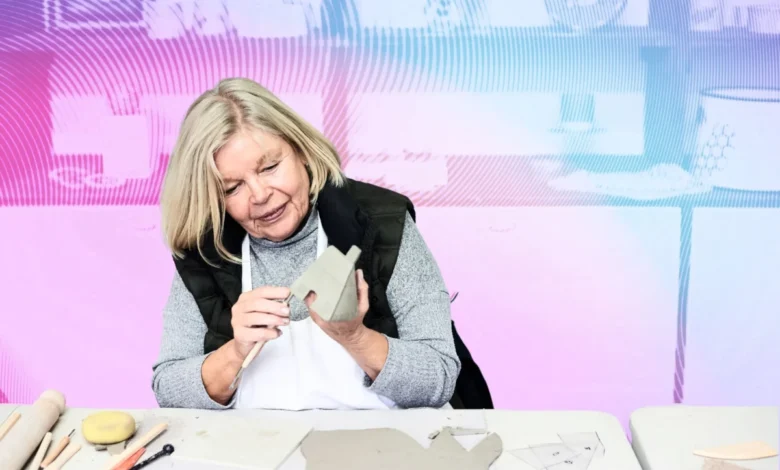
This trend is not limited to younger, digitally native generations. For many, hobbies provide a bridge to a secondary career or a transition into retirement. Anna Hudick, who transitioned from a career in engineering to jewelry design at age 58, serves as a prominent example of this transition. For individuals like Hudick, the hobby serves a dual purpose: it provides a creative outlet that offers respite from professional stress while simultaneously creating a sustainable, small-scale business model.
The rise of the "hobby-business" model is facilitated by digital platforms that lower the barriers to entry. Whether through e-commerce marketplaces, social media marketing, or local workshops, hobbyists are increasingly able to monetize their skills. Hudick’s business model, which includes both the sale of finished goods and the provision of craft instruction, highlights a shift toward "experience-based" income, where the hobbyist profits not just from the product, but from teaching the craft to others.
Broader Economic and Societal Implications
The persistence of high spending on hobbies, despite rising costs, suggests that the American public views these activities as essential rather than optional. Economists often monitor "discretionary spending" as a bellwether for consumer confidence. If hobby spending remains stable even as other costs rise, it indicates a high degree of consumer psychological attachment to these activities.
However, there is an inherent risk. If "funflation" continues to outpace wage growth, the hobby economy may eventually see a contraction. The current resilience is supported by the fact that many Americans are willing to sacrifice in other areas of their budget—such as dining out or apparel—to maintain their recreational commitments.
Furthermore, the societal benefits of hobbies—ranging from stress reduction to the development of new community networks—should not be underestimated. As the lines between work and home continue to blur in the age of remote work, hobbies act as a necessary boundary, allowing individuals to mentally disconnect from professional responsibilities.
Conclusion: The Future of Leisure
As we look toward the remainder of the decade, the hobby economy will likely continue to evolve. The trend toward monetizing personal interests suggests that the future of work may become increasingly fragmented, with more Americans engaging in multiple, hobby-derived revenue streams. Meanwhile, the challenge of funflation will continue to pressure household budgets, forcing a more intentional approach to how time and money are allocated toward leisure.
Ultimately, the American relationship with hobbies is a reflection of broader societal values. While the costs are undeniable, the commitment to these activities suggests a culture that, despite economic headwinds, remains firmly anchored in the pursuit of fulfillment, skill-building, and personal happiness. Whether it is a Boomer finding renewed purpose in a craft, or a millennial managing the complex logistics of their family’s extracurriculars, the hobby economy is a vital, albeit increasingly expensive, component of the modern American fabric.
Related posts: