Google to Sunset Website Translator Widget by October 2026: What Site Owners Need to Know

For nearly two decades, the Google Website Translator widget served as the industry standard for quick-fix multilingual accessibility. By simply pasting a snippet of JavaScript into a website’s footer, developers could provide users with an instant, browser-side translation experience. However, that era is coming to a definitive close. Google has officially confirmed that it will cease support for the Website Translator widget on October 1, 2026. This move marks the end of a long-standing, free utility that has been embedded into millions of websites worldwide, ranging from personal blogs to small business storefronts. As the deadline approaches, site administrators are being urged to audit their codebases and transition to more modern, robust translation solutions.
The Chronology of a Sunset
The decline of the widget did not happen overnight. The announcement follows a multi-year trend of Google streamlining its developer offerings to favor its enterprise-grade cloud infrastructure. In May 2020, Google first signaled a shift in its strategy, indicating that the legacy widget was no longer a priority for its development roadmap. By deprecating the widget, Google is effectively funneling users toward its Cloud Translation API, a move designed to offer higher-quality, machine-learning-powered translations rather than the basic, often inconsistent results produced by the original client-side tool.
The timeline for this transition has been clear for years, yet many developers have left the snippet running on legacy sites, often forgetting it is even there. With the October 1, 2026, deadline now mere days away, the "no longer supported" status serves as a final warning. Once the cutoff date passes, the widget will likely cease to function entirely, potentially leaving sites with broken layouts or blank spaces where the translation dropdown once resided.
Understanding the Technical Shift
To understand why this change is occurring, one must differentiate between client-side translation and cloud-based translation. The legacy widget operated by injecting a script into the user’s browser, which then dynamically translated text on the fly. While convenient, this method is fundamentally limited; it does not translate the actual content on the server, meaning it cannot provide permanent, indexable translated versions of a page.

In contrast, the Google Cloud Translation API—the recommended path forward—is a server-side solution. It allows developers to integrate advanced neural machine translation into their applications. While this is significantly more powerful, it introduces complexity, including costs associated with API usage and the need for a more sophisticated architectural setup. For developers, this represents a pivot from a "set it and forget it" tool to an ongoing operational expense.
Market Alternatives and the GTranslate Solution
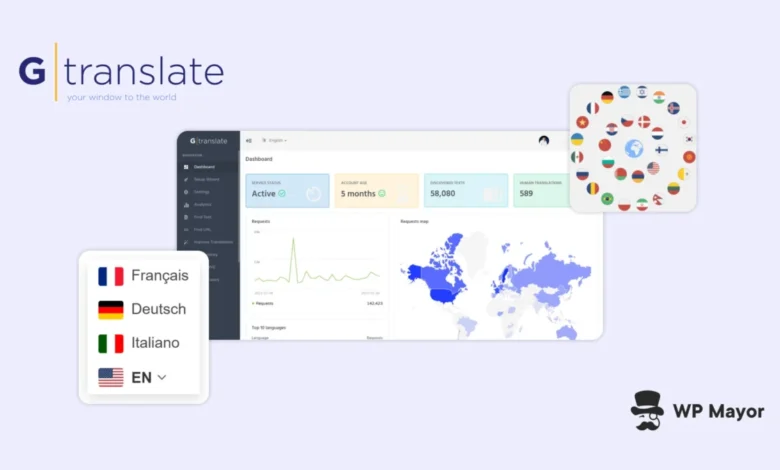
As the industry prepares for the sunset, third-party providers have stepped in to fill the void. Among the most prominent is GTranslate, which has positioned itself as the primary successor for those seeking a drop-in replacement. GTranslate offers a tiered model that caters to different segments of the web landscape.
For non-commercial entities—such as educational institutions, non-profits, government portals, and personal hobbyist sites—GTranslate provides a free version of its widget. This version maintains the functionality that users were accustomed to with Google’s tool, including the ability to select from a vast array of languages without word counts or pageview caps. From a developer’s perspective, the transition is streamlined. Those who have hard-coded the old Google snippet into their templates can replace the script with a GTranslate-compatible block, often without needing to alter the existing CSS or layout structures.
For commercial entities, the transition is more nuanced. Businesses, e-commerce stores, and revenue-generating websites are encouraged to utilize paid tiers. These tiers offer features that go far beyond the original Google widget, such as neural machine translation, in-context editing, and the ability to index translated pages in search engines.
The Critical Distinction: Translation vs. Multilingual SEO
A primary concern for many site owners is whether a simple widget is sufficient for their needs. From an SEO perspective, the answer is a firm no. Browser-side widgets are invisible to search engine crawlers. Because the translation happens inside the user’s browser, the search engine only ever sees the original, primary language of the site. Consequently, if a user searches for a product or service in Spanish, a site using only a browser-side widget will likely not appear in the results, as the search engine has not indexed the translated content.

This is where the distinction between a "translator" and a "multilingual plugin" becomes vital. The paid, professional-grade tools—including GTranslate’s advanced tiers—generate unique, server-side URLs for every language. For instance, a site might serve content at example.com/es/ or es.example.com. By creating these dedicated pages, the site owner enables search engines to crawl and index the content, effectively opening the site to a global audience. Features such as hreflang tags, translated URL slugs, and WooCommerce support are now considered industry standards for any business serious about international growth.
Data and Implications for Web Maintenance
The sheer scale of this transition is significant. Data suggests that hundreds of thousands of active WordPress sites, alongside countless Joomla and Drupal installations, still utilize the legacy Google snippet. For agencies and freelancers managing a portfolio of client websites, this represents a potential maintenance liability. Failure to remove the deprecated code could lead to visual glitches or, in some cases, console errors that degrade the overall performance of the site.
The recommended best practice is a two-step audit:
- The Identification Phase: Search the codebase for strings like
google_translate_elementortranslate_a/element.js. These are the fingerprints of the legacy widget. - The Remediation Phase: For sites that require basic translation, implement a modern, maintained widget. For sites that rely on international traffic for revenue, conduct a cost-benefit analysis to determine if a full, SEO-optimized multilingual plugin is required.
Official Responses and Industry Outlook
While Google has not provided a rolling commentary on the sunset, the move aligns with its broader "Cloud-First" philosophy. By retiring legacy free tools, the company is focusing its resources on its high-performance Cloud AI models. Industry analysts note that this is a common lifecycle for web tools: what began as an experimental utility during the early days of Web 2.0 has been superseded by more complex, accurate, and scalable technologies.
The transition also highlights the increasing maturity of the web. As user expectations for localized content rise, the reliance on simple browser-based translation is no longer considered professional. The shift to more robust, integrated solutions is an opportunity for site owners to improve their technical SEO and provide a higher-quality experience for their international visitors.

Looking Ahead to October 2026
As the October 1, 2026, deadline looms, the emphasis is on proactive migration. Waiting for the final day to act risks unplanned downtime or a negative user experience. For those currently using the Google widget, the path forward is clear: evaluate the necessity of the tool, identify the appropriate replacement based on commercial or non-commercial status, and initiate the swap within the existing codebase.
Ultimately, the end of the Google Website Translator widget is a reminder of the transient nature of web technology. Tools that were once essential become legacy, and the responsibility falls to the web development community to ensure that sites remain accessible, performant, and optimized for a global audience. Whether one opts for a simple, free replacement or upgrades to a full-featured multilingual platform, the move away from the deprecated Google widget is a necessary step toward building a more resilient and effective digital presence.