Search engine optimization is undergoing a fundamental transformation as Google shifts its ranking criteria to prioritize human-centric content over mass-produced, automated output. Central to this shift is the evolution of the company’s Quality Rater Guidelines, which have transitioned from the well-known E-A-T framework to the more robust E-E-A-T model. By adding "Experience" to the existing pillars of Expertise, Authoritativeness, and Trustworthiness, Google is explicitly signaling to content creators that the search engine will reward material derived from firsthand, real-world engagement rather than synthetic generation.

The Chronology of Quality: From E-A-T to E-E-A-T
The framework for evaluating content quality has been a cornerstone of Google’s search strategy for over a decade. The concept of E-A-T—Expertise, Authoritativeness, and Trustworthiness—was first formally introduced to the public via the Google Search Quality Rater Guidelines in 2014. These guidelines serve as the manual for human quality raters, who assess the quality of websites to help Google’s machine-learning algorithms refine search results.
In 2018, Google released a significant update to its core algorithm, which industry analysts dubbed the "Medic Update" due to its heavy impact on health and medical websites. This update elevated the importance of E-A-T, making it a primary metric for determining the visibility of sites in Search Engine Results Pages (SERPs). The objective was to ensure that information concerning "Your Money or Your Life" (YMYL) topics—such as medical advice, financial planning, and legal guidance—was sourced from verified, reputable entities.
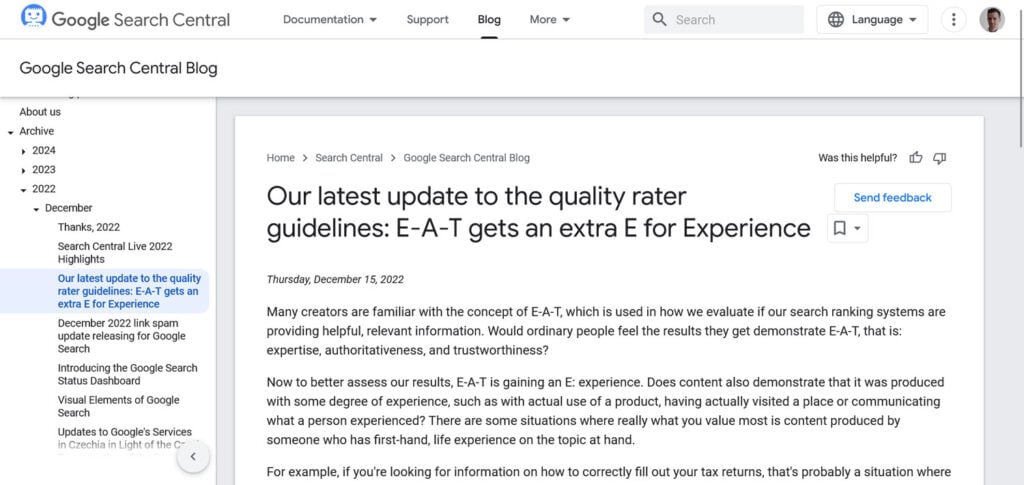
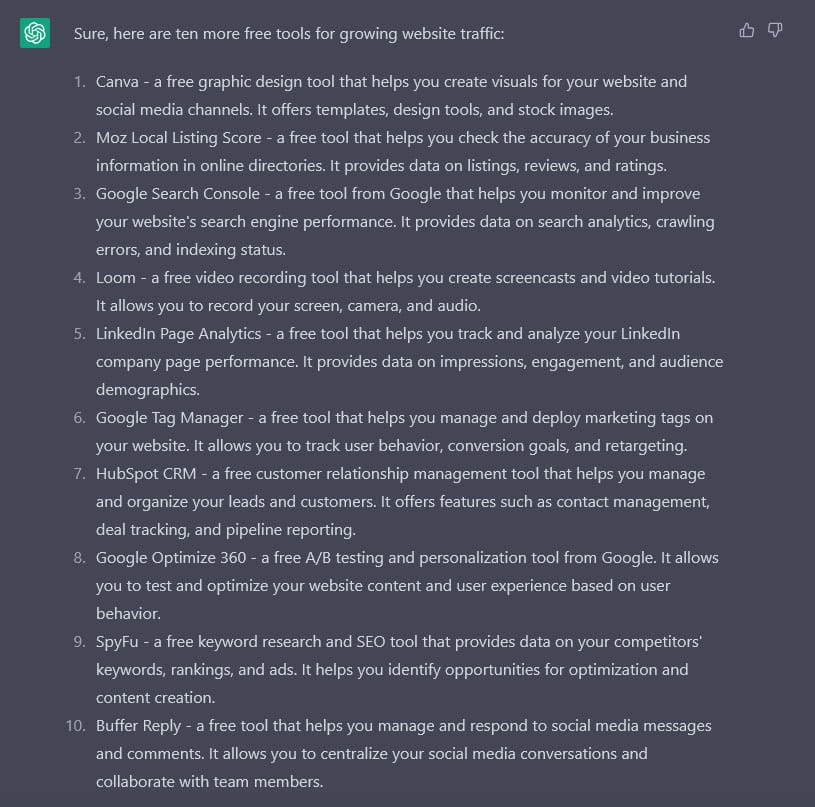
The most recent iteration, unveiled in late 2022 and early 2023, introduced the second "E," representing "Experience." This addition comes at a pivotal moment in the history of the internet, coinciding with the rapid rise of Large Language Models (LLMs) and generative artificial intelligence. As tools like ChatGPT have made it trivial to generate thousands of articles in seconds, the internet has seen a surge in "content bloat"—pages that are synthetically constructed, often factually shallow, and devoid of unique human insight.
Defining the Pillars of E-E-A-T
To navigate the modern search landscape, publishers must understand the specific requirements of each component of E-E-A-T:

- Experience: This is the newest metric. It evaluates whether the content creator possesses firsthand, personal, or life experience regarding the topic. Google now favors reviews written by someone who has physically held a product or personal accounts from someone who has lived through an experience, rather than generalized, theoretical descriptions.
- Expertise: This measures the knowledge or skill level of the content creator. For specialized topics, Google expects the author to have formal training or deep industry experience.
- Authoritativeness: This is determined by the site’s reputation within its industry. It involves external validation, such as mentions in reputable media outlets, backlinks from authoritative domains, and a consistent history of high-quality output.
- Trustworthiness: This is the most critical pillar. It concerns the accuracy, transparency, and safety of the website. It involves clear authorship, accurate citations, and secure user experiences.
The Impact of Generative AI on Search Quality
The rise of generative AI has created a clear friction point between content efficiency and content quality. Data from various SEO tracking platforms indicates that search engines are increasingly penalizing sites that host purely AI-generated content that offers no original value. While AI is a potent tool for outlining and drafting, Google’s updated guidelines emphasize that the "human element" is now a necessity for high-ranking content.
Because AI models are trained on existing datasets, they lack the capacity for genuine, subjective experience. An AI cannot test a new power tool, experience the nuances of a specific travel destination, or navigate the emotional complexities of personal finance. Consequently, content that relies solely on AI is often repetitive, generic, and unable to provide the "firsthand" perspective that Google now deems essential for high-quality ranking.
Strategic Adjustments for Content Creators
For businesses and bloggers looking to maintain their SEO standing, the integration of experience into their editorial process is no longer optional. Several strategies have emerged as best practices:
1. Providing Tangible Evidence
To satisfy the "Experience" requirement, content must be supported by evidence that a human was present. This includes original photography, video demonstrations, and unique screenshots rather than stock imagery. In product reviews, providing visual proof that the item was actually used is a key indicator of authenticity to search crawlers and quality raters.

2. Integrating Nuanced Opinions
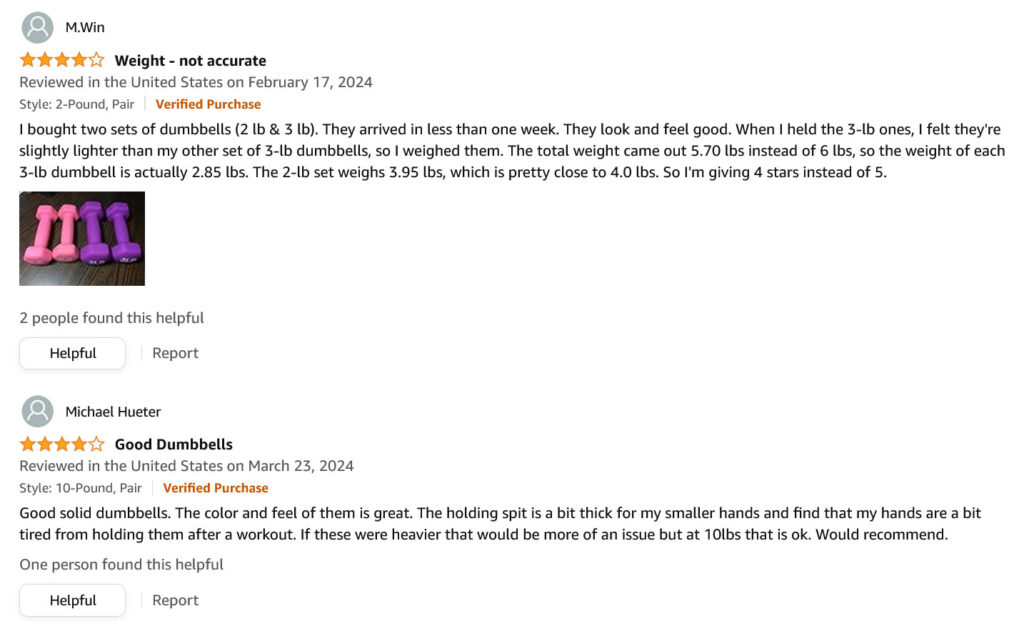
The move toward E-E-A-T rewards critical thinking. Rather than publishing glowing, generic reviews that mirror manufacturer marketing copy, successful content creators are providing balanced assessments. Honest, four-star reviews that highlight both strengths and weaknesses are often more trusted by users—and by extension, search algorithms—than uniform five-star reviews that appear potentially artificial.
3. Strengthening Author Transparency
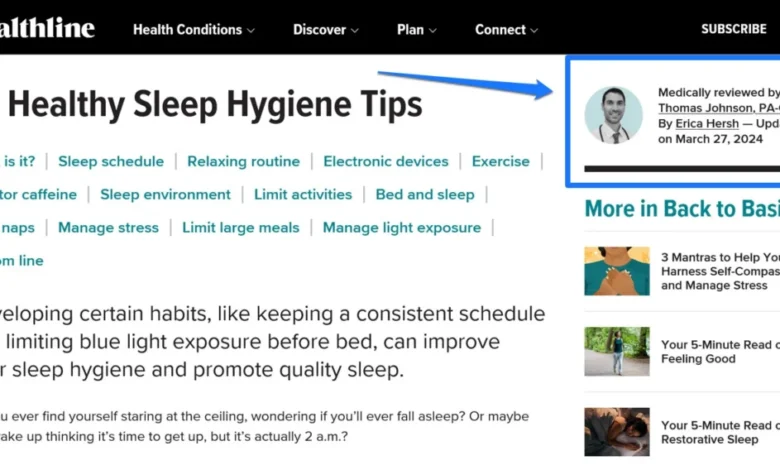
Google’s emphasis on "Trustworthiness" necessitates a clear connection between the content and its creator. Websites should move away from anonymous or generic "admin" bylines. Detailed author bios that highlight qualifications, relevant certifications, and personal history in the field are crucial. These bios should be linked to active social profiles and portfolios to establish a verifiable trail of expertise.
Implications for YMYL Sectors
For sites categorized as "Your Money or Your Life" (YMYL), the stakes are significantly higher. The search quality guidelines for these sectors are the most rigorous, as the potential for harm resulting from inaccurate information is substantial. Google maintains that for medical and financial topics, the "Expertise" component is paramount.
While firsthand experience is valuable—for instance, a personal story about managing a specific medical condition—it cannot replace professional medical or financial advice. In these sectors, the ideal content combines professional expertise (e.g., a doctor’s credentials) with the nuanced "experience" of navigating that professional field, providing a comprehensive and safe user experience.

The "Needs Met" Rating and Search Intent
Ultimately, the goal of E-E-A-T is to improve the "Needs Met" rating. This metric, utilized by Google’s human evaluators, measures how well a search result satisfies the user’s original intent. If a user queries "how to fix a leaking faucet," they do not need a history of plumbing; they need a clear, step-by-step, actionable guide written by someone who has performed the task.
If a website uses high-ranking keywords but fails to provide the practical, useful, and accurate information the user expects, it will fail the "Needs Met" assessment. This emphasizes that SEO is not merely about technical optimization or keyword density; it is about providing the most helpful, human-verified answer to a user’s question.
Conclusion: The Future of Quality Content
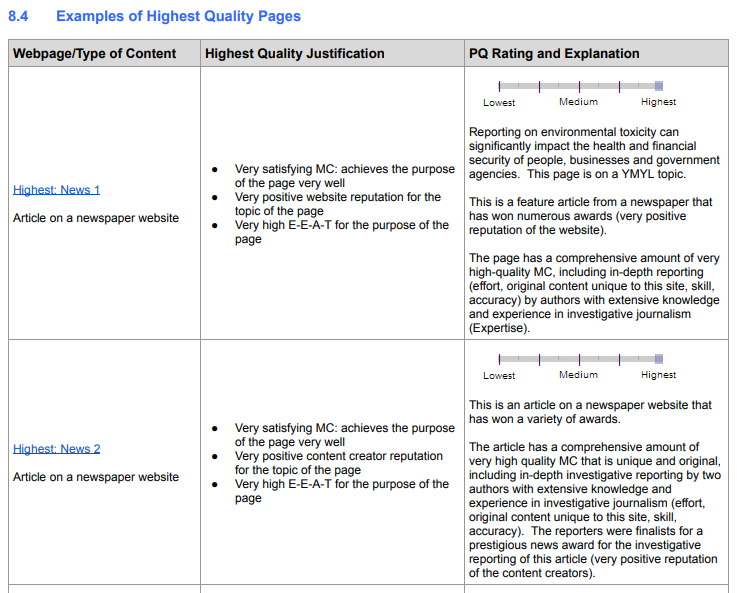
The shift toward E-E-A-T represents a maturation of the internet. As automated content becomes commoditized, the value of human-derived experience increases. For publishers, this means that the most effective SEO strategy is to focus on original reporting, firsthand product testing, and transparent, expert-led storytelling. By prioritizing the user’s need for authentic, verifiable information, creators can build a sustainable, search-engine-resilient presence that remains valuable regardless of how often search algorithms evolve. The era of "content for the sake of content" is effectively coming to an end, replaced by an era that prizes the unique, lived experiences of the human creator.