Clover vs Square vs Shopify: A Comprehensive Analysis of Retail Point of Sale Systems


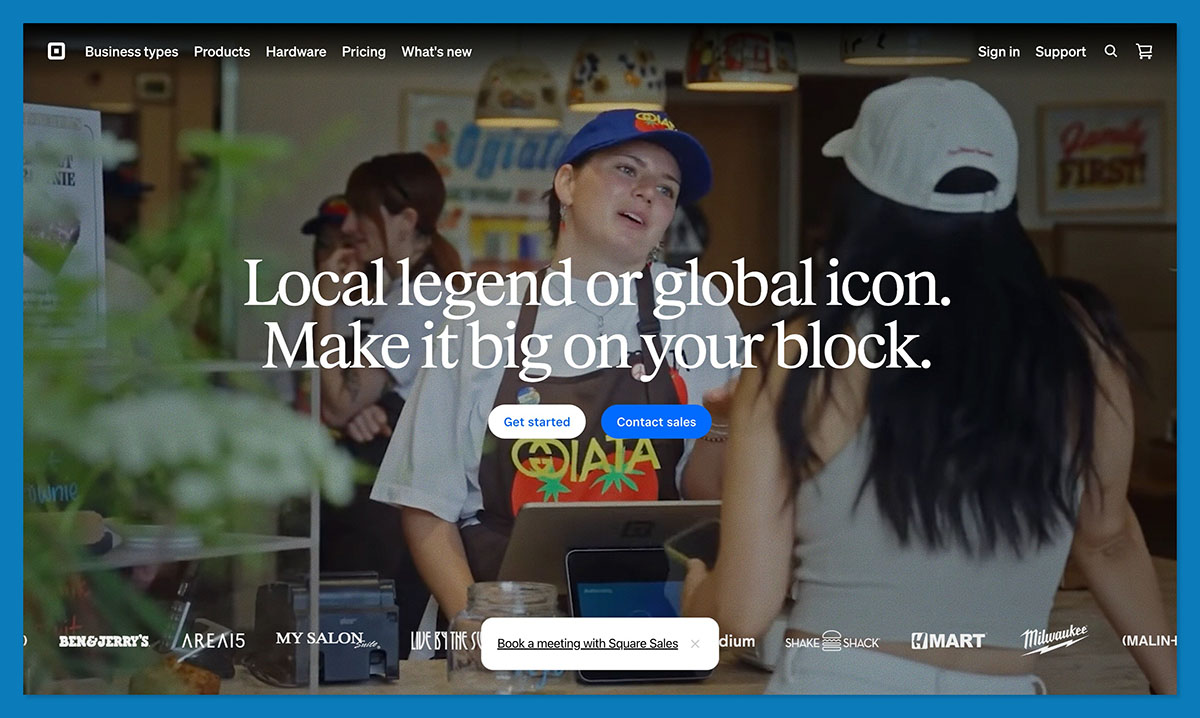
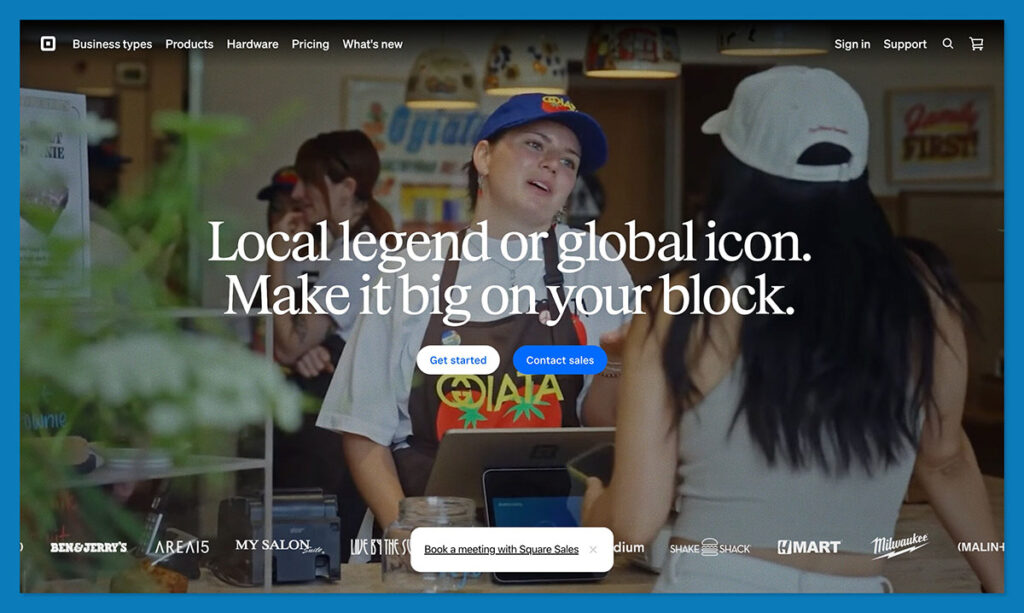
For most single-store retailers, Square represents the most accessible entry point into the digital payment ecosystem. It remains the only one of the three major providers with a genuinely free software tier, a standardized, publicly available transaction rate for all merchants, and a frictionless onboarding process that requires no long-term commitments before processing an initial payment. However, the retail landscape is shifting, and the determination of which Point of Sale (POS) system best serves a business often hinges on factors far more complex than the monthly subscription fee advertised on a landing page.
The fundamental tension in the current POS market lies in the architectural differences between the products. Square and Clover were conceived primarily as payment processing companies that eventually developed robust POS software. In contrast, Shopify is an ecommerce-first platform that pivoted to include physical registers. Furthermore, the distribution models differ significantly: Square and Shopify engage directly with their users, whereas Clover operates through a fragmented network of over 60 independent sales organizations (ISOs). This structural variance dictates everything from customer support quality to the contractual obligations a business owner assumes upon signing.
A Chronology of System Evolution and Pricing Shifts
The competitive environment underwent a notable transformation on October 6, 2025, when Square retired approximately 18 vertical-specific subscription plans, consolidating them into three unified tiers: Free ($0), Plus ($49 per location), and Premium ($149 per location). This strategic simplification was intended to reduce the confusion caused by legacy plans, yet many third-party comparison sites continue to reference outdated pricing structures.
Simultaneously, the hardware market has seen rapid iteration. Shopify, for instance, discontinued its POS Go device for new sales in the United States on August 28, 2024, signaling a pivot toward mobile-first "Tap to Pay" solutions. While existing units are supported until May 26, 2027, the industry is clearly moving away from proprietary, bulky hardware toward leveraging the processing power of off-the-shelf smartphones and tablets.
Understanding the Financial Implications of the "Middleman" Model
The most critical distinction for any merchant evaluating these systems is the role of the reseller. Because Clover is sold through middlemen, the pricing model is inherently opaque. When a merchant engages with a Clover reseller, they are not receiving a standard, published price; they are entering a negotiation. These ISOs act as retail arms for Fiserv, the parent company of Clover, taking wholesale processing platforms and applying their own custom markups.
This model carries significant risk. A merchant may receive a quote that appears competitive, only to find that it includes hidden fees, a multi-year lease on hardware, or a long-term contract that is nearly impossible to break without significant financial penalties. Unlike the transparent, month-to-month terms offered by Square or the direct-to-consumer model of Shopify, a Clover contract is often a multi-year binding agreement. If a business chooses to move to a different processor, they are often required to purchase entirely new hardware, as Clover devices are provisioned to specific networks and cannot be easily repurposed.
Comparative Analysis of Transaction Costs
The "big number" in POS economics is rarely the monthly software fee; it is the transaction processing rate. As of late 2026, Square charges 2.6% plus 15 cents on its Free tier, 2.5% plus 15 cents on the Plus tier, and 2.4% plus 15 cents on the Premium tier. Shopify’s rates fluctuate based on the chosen plan but generally hover between 2.4% and 2.6% plus 10 cents.
The five-cent difference in the per-transaction fixed fee may seem negligible to a low-volume seller, but for a high-volume merchant, it represents a substantial annual expense. Clover’s rates are not standardized. A skilled negotiator might secure an "interchange-plus" pricing model, where the merchant pays the actual wholesale rate of the credit card network plus a set markup. This is often the superior choice for high-volume retailers—typically those processing over $30,000 per month—who wish to avoid the higher, blended costs of the flat-rate models employed by Square and Shopify.
Inventory Management and Omnichannel Scalability
The "best" system often depends on the complexity of the inventory. Shopify has established itself as the leader for retailers with a significant online presence. Because Shopify was built for ecommerce, its inventory management, customer database, and sales reconciliation are unified across physical and digital channels. A product sold in a brick-and-mortar store is instantly removed from the online inventory, and returns are handled seamlessly across both environments.
Square’s Premium tier provides competitive features, including cross-location returns and transfer orders, but the cost increases linearly with the number of locations. For a three-store operation, the cost of Square Premium can reach $447 per month, whereas Shopify’s POS Pro, when combined with an underlying ecommerce plan, offers a more cost-effective path for multi-location inventory synchronization.
Clover, by comparison, struggles with multi-location cohesion. Because each location is effectively treated as a standalone business entity with its own hardware, software subscription, and processing agreement, the platform lacks a built-in, seamless way to manage enterprise-wide inventory without relying on third-party applications from the Clover App Market.
Support Reliability and User Satisfaction
The divergence in support quality is directly tied to the service model. According to aggregate data from Capterra as of September 2026, Square for Retail holds a 4.7 out of 5-star rating from nearly 500 reviews. Shopify POS maintains a 4.6 rating. Clover, however, sits at 3.8, representing the lowest satisfaction score among the three, despite having a larger sample size of users.
The primary complaint regarding Clover involves the "pass-through" nature of support. When a technical issue arises, the merchant must contact the reseller who sold them the system, rather than the manufacturer, Fiserv. If the reseller is unresponsive or understaffed, the merchant is effectively left without a direct line to the technical experts. In contrast, Square and Shopify provide centralized, vendor-managed support, which generally leads to more predictable, if not always perfect, outcomes.
Implications for the Future of Small Business Retail
As the retail sector becomes increasingly digitized, the choice of a POS system is no longer merely an operational decision; it is a long-term financial commitment. The data suggests that for the vast majority of small, single-location retailers, the "simplicity tax" of Square—paying a slightly higher transaction fee in exchange for no contract, no hidden fees, and a free tier—is the most prudent path.

However, for retailers who are scaling, the landscape changes. Shopify’s dominance in the ecommerce space makes it the logical choice for those who view their website as their primary storefront. Clover, despite its reputation for complexity and high-pressure sales tactics, remains a viable option for high-volume, debit-heavy businesses that have the leverage and expertise to negotiate favorable interchange-plus processing rates.
To protect their interests, business owners should adopt a rigorous evaluation process before signing any agreement. This includes requesting a full disclosure of all hardware costs, confirming whether equipment is being purchased or leased, and inquiring about the specific "portability" of the hardware if the business decides to switch providers in the future.
Conclusion
The competition between Square, Shopify, and Clover is not a race to the bottom in terms of pricing, but rather a segmentation of the market. Square offers accessibility and transparency; Shopify offers the most robust integrated omnichannel experience; and Clover offers a negotiable, albeit opaque, path for large-volume processing.
As the industry moves toward 2027, the trend toward mobile-first, contract-free, and integrated POS systems is expected to accelerate. Retailers who prioritize long-term flexibility over short-term hardware incentives will find themselves in a much stronger position to adapt to the changing retail climate. Ultimately, the most successful merchants will be those who view their POS system as a core business partner rather than a simple utility, ensuring that their chosen technology stack can grow alongside their revenue rather than acting as an anchor to an outdated, high-cost contract.