The Evolving Landscape of Digital Authority: Why Even Top Brands Struggle with Topical Relevance in the AI Era.

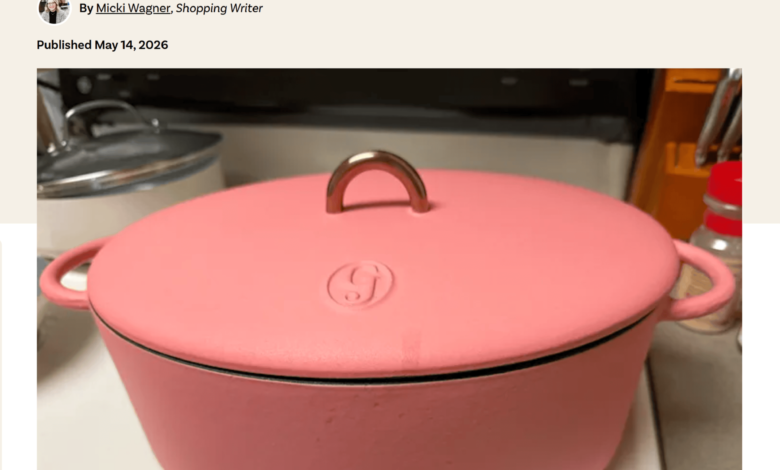
In today’s complex digital ecosystem, possessing a strong brand identity and consistently publishing high-quality content are no longer guarantees of achieving topical authority, particularly in the burgeoning age of Artificial Intelligence (AI) search. A striking illustration of this phenomenon can be observed in the case of Great Jones, a well-regarded kitchenware company. Despite its impressive credentials, the brand faces an uphill battle in establishing itself as a leading voice for its flagship product, the Dutch oven, in critical search environments.
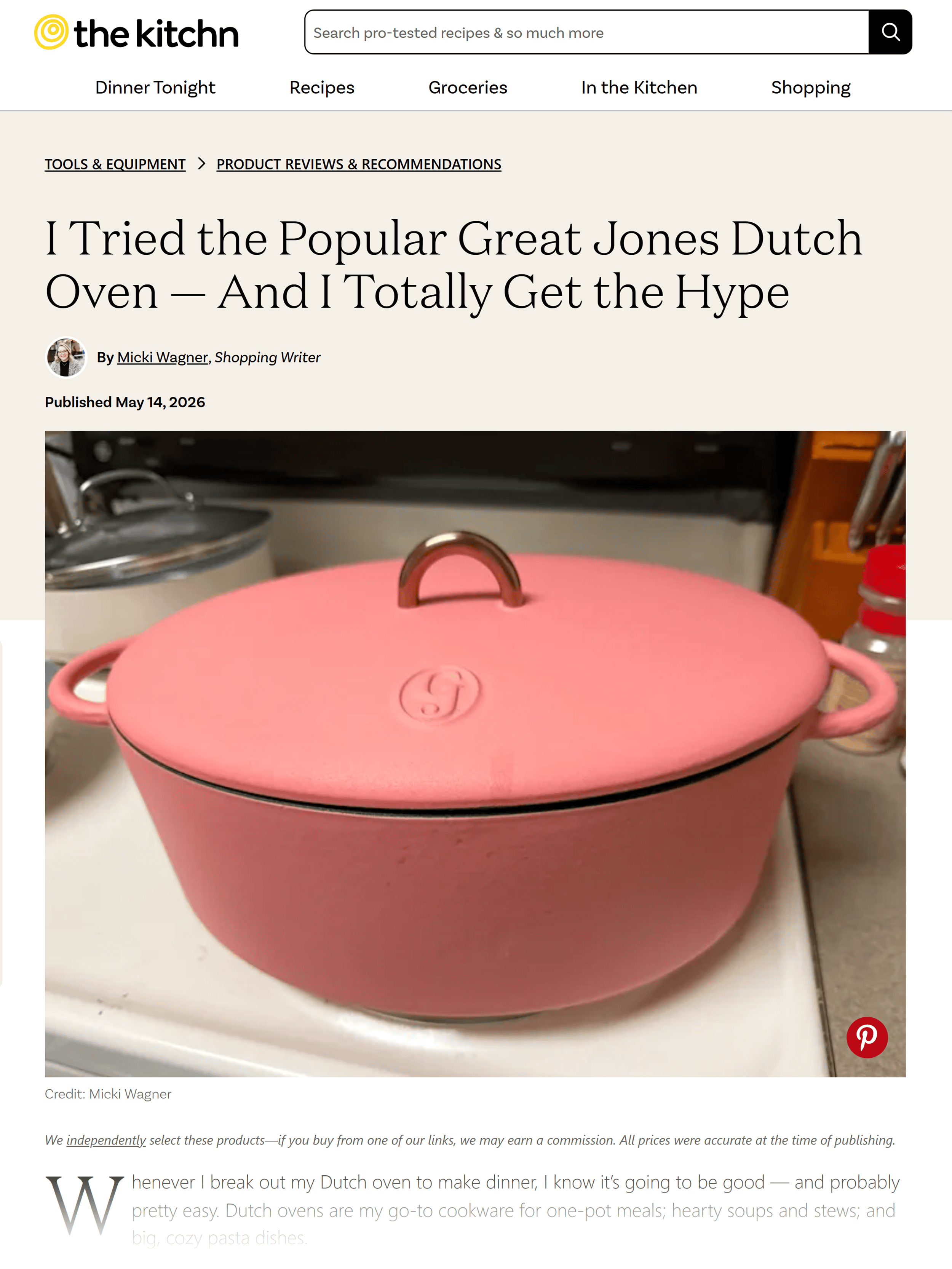
The Great Jones Paradox: A Case Study in Missing Topical Authority
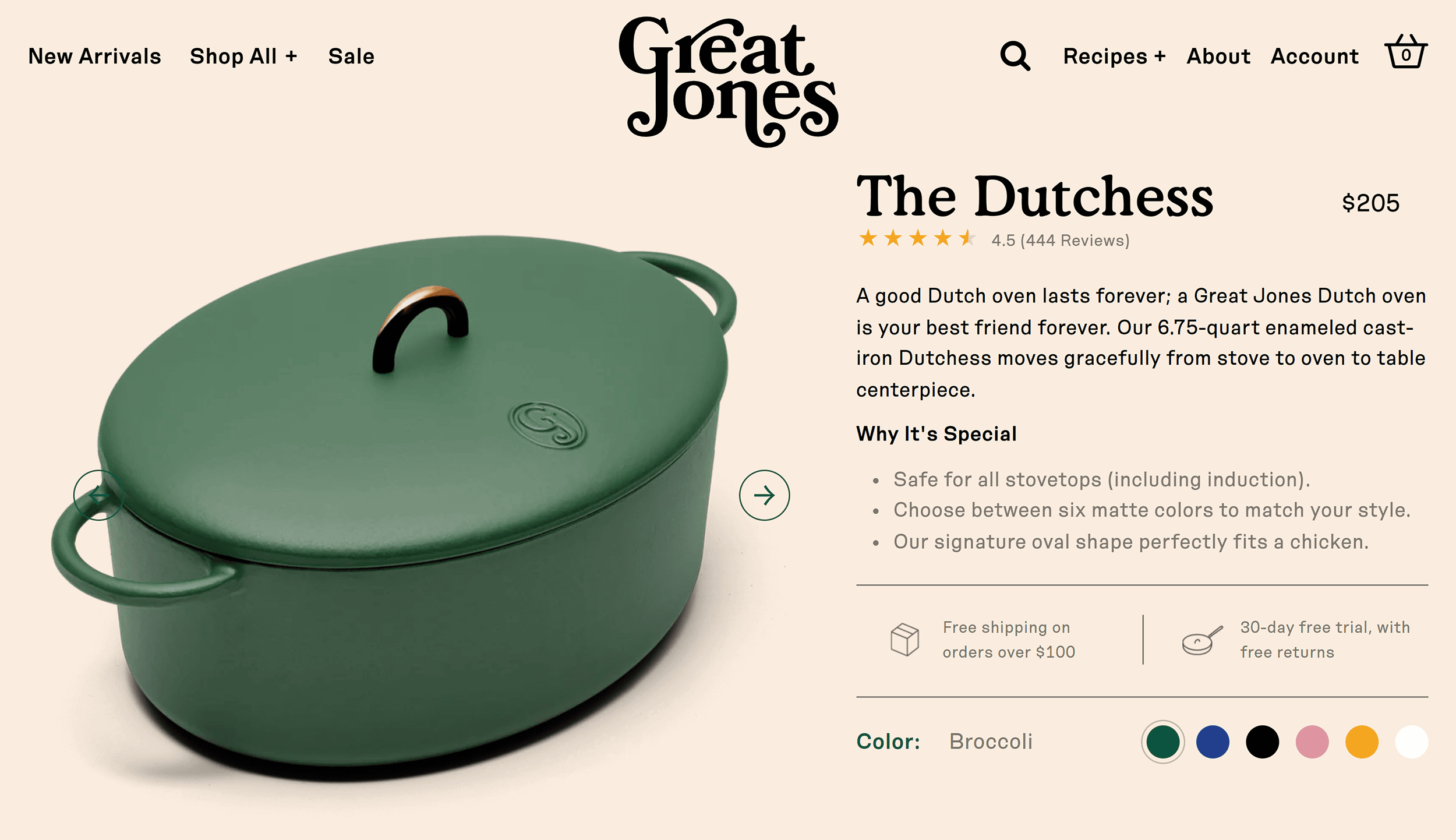
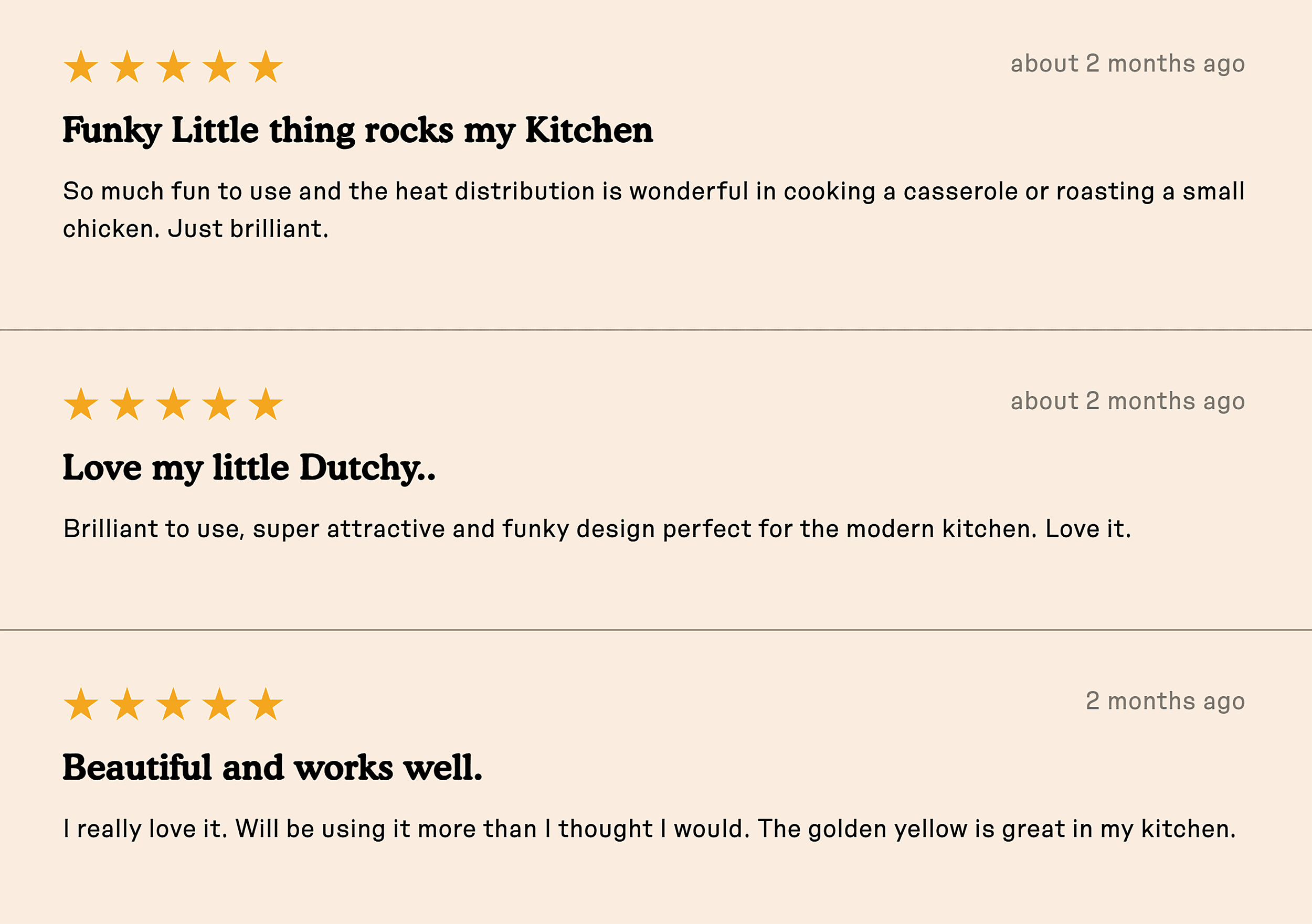
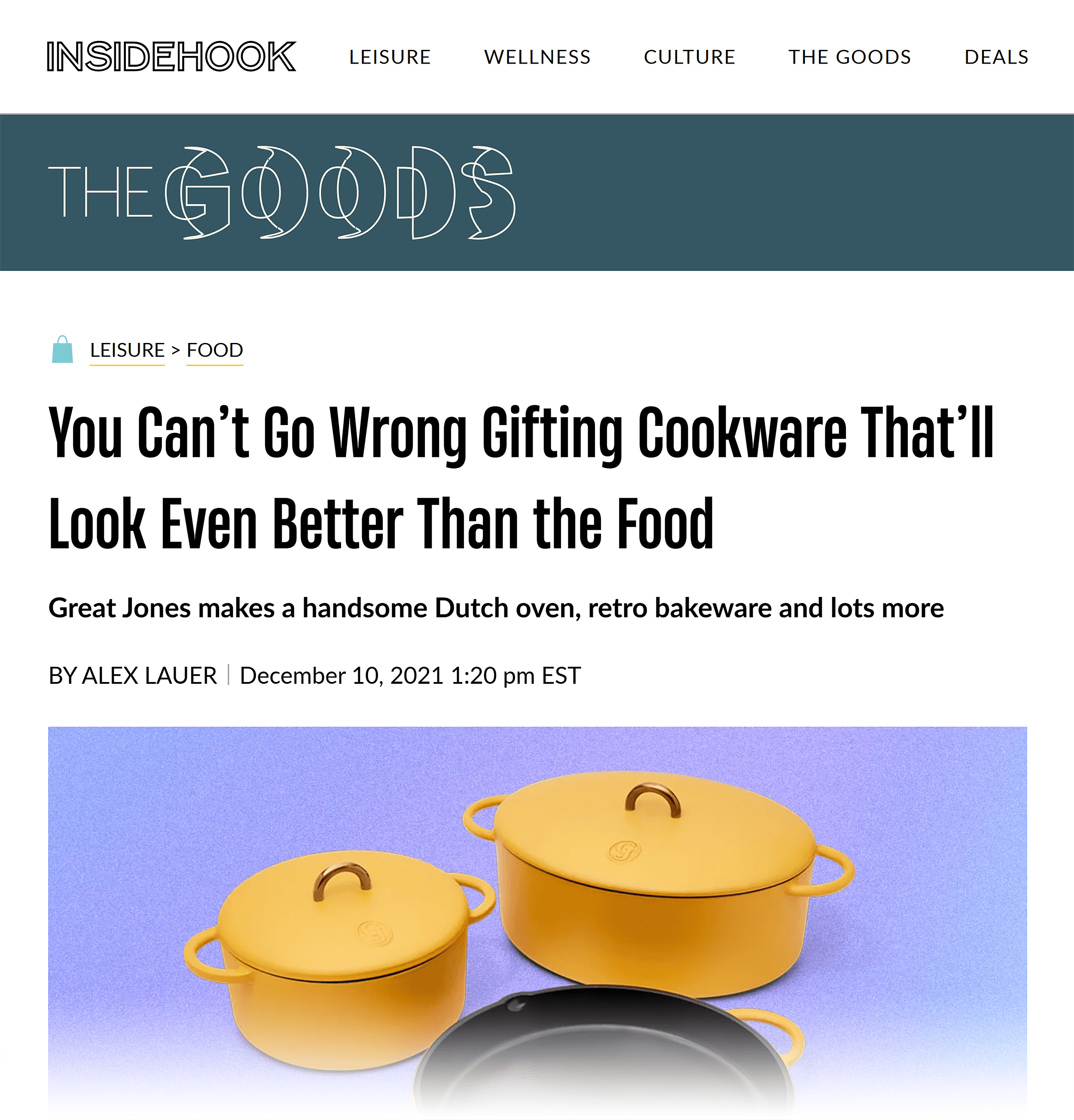
Great Jones’s Dutch oven, affectionately named "The Dutchess," embodies the very essence of a desirable product. It is aesthetically pleasing, garners positive reviews from satisfied customers, and has been prominently featured in an array of industry-leading publications. Prestigious outlets such as Vogue, The New York Times, Bon Appétit, and The Kitchn have lauded The Dutchess, providing the brand with significant traditional media validation and strong brand equity. One might logically assume such widespread acclaim would translate into dominant online visibility.
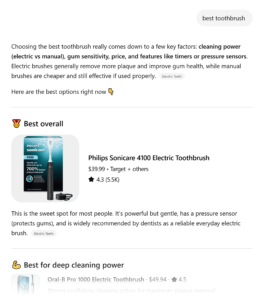
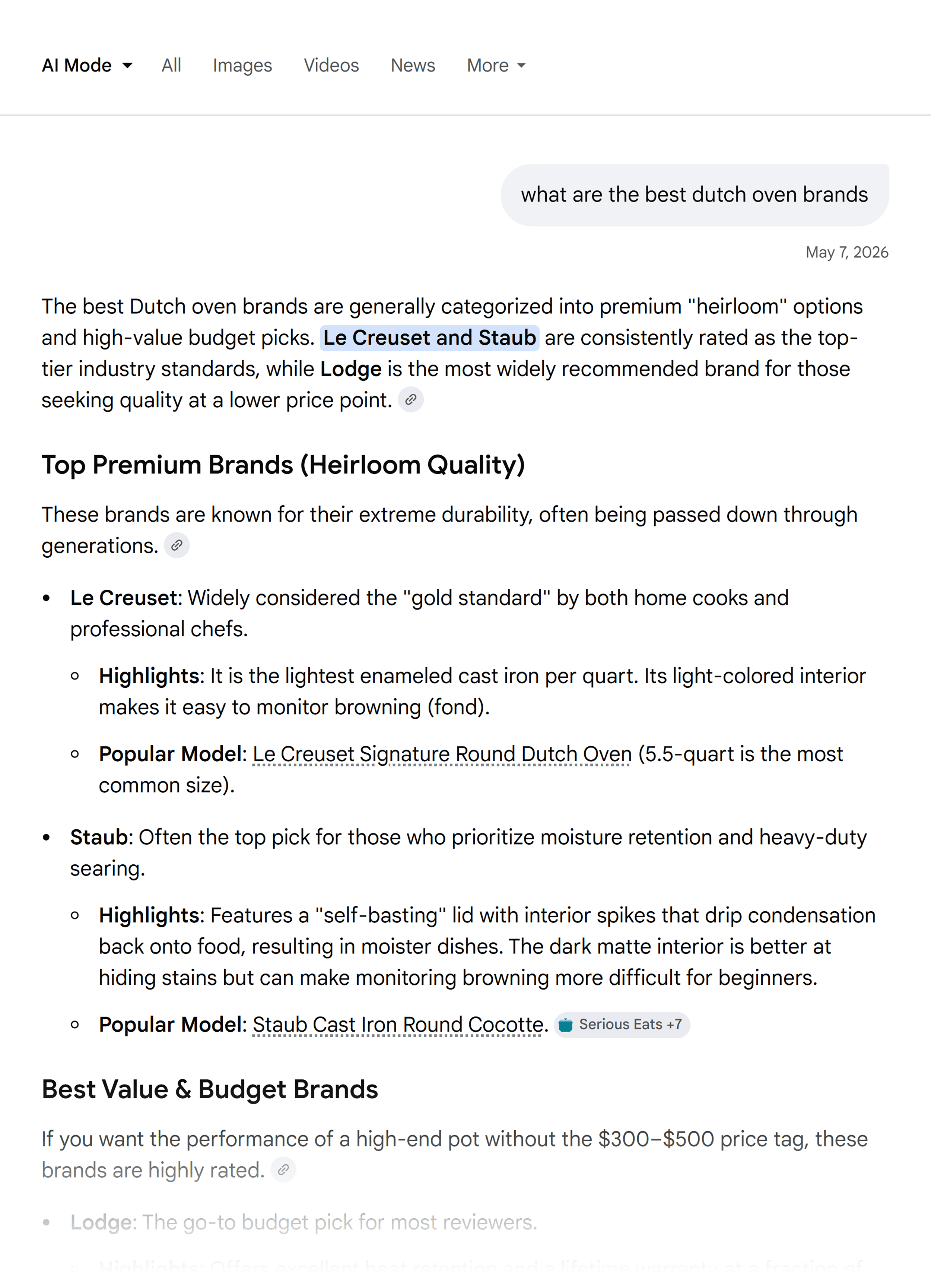
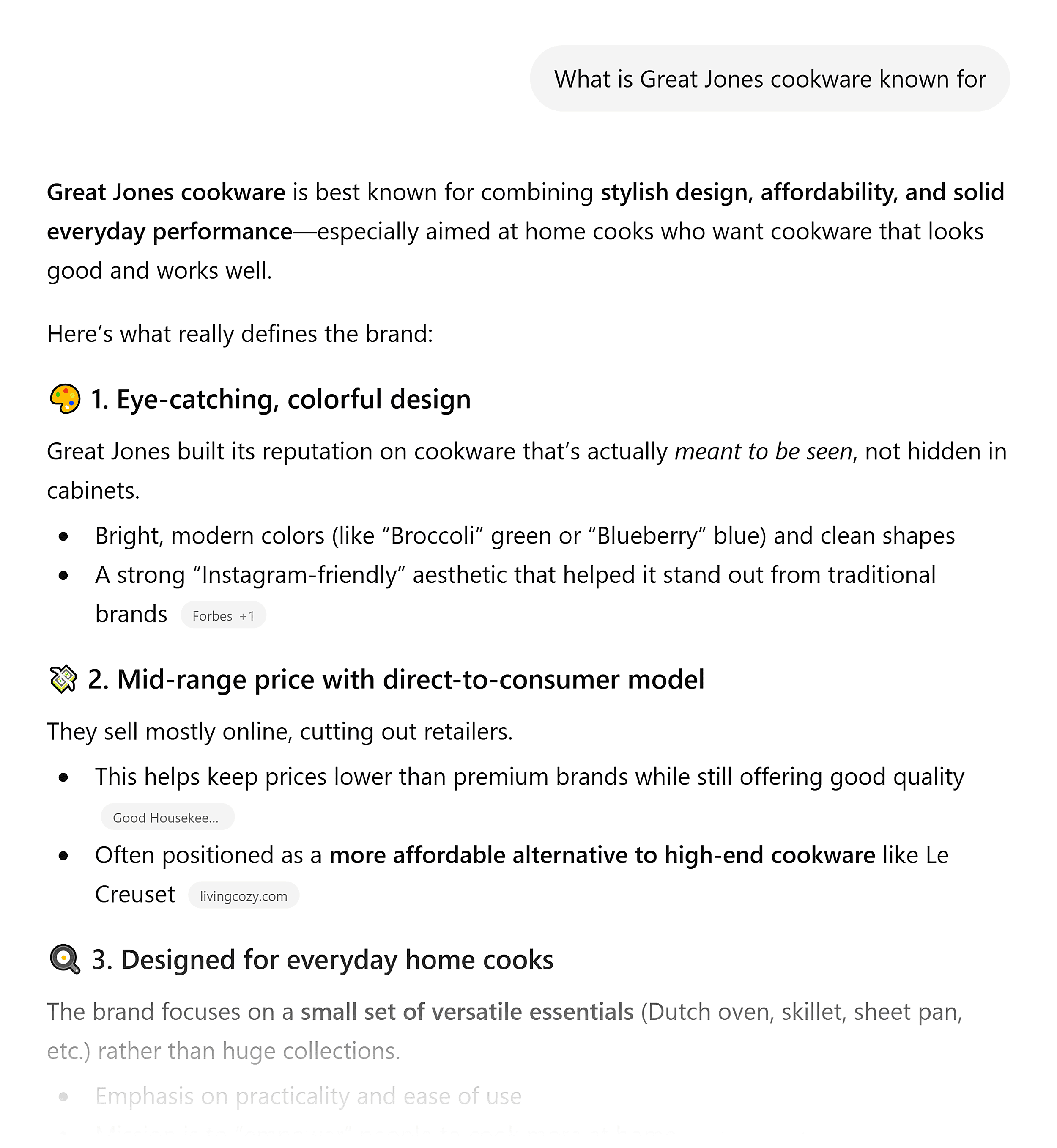
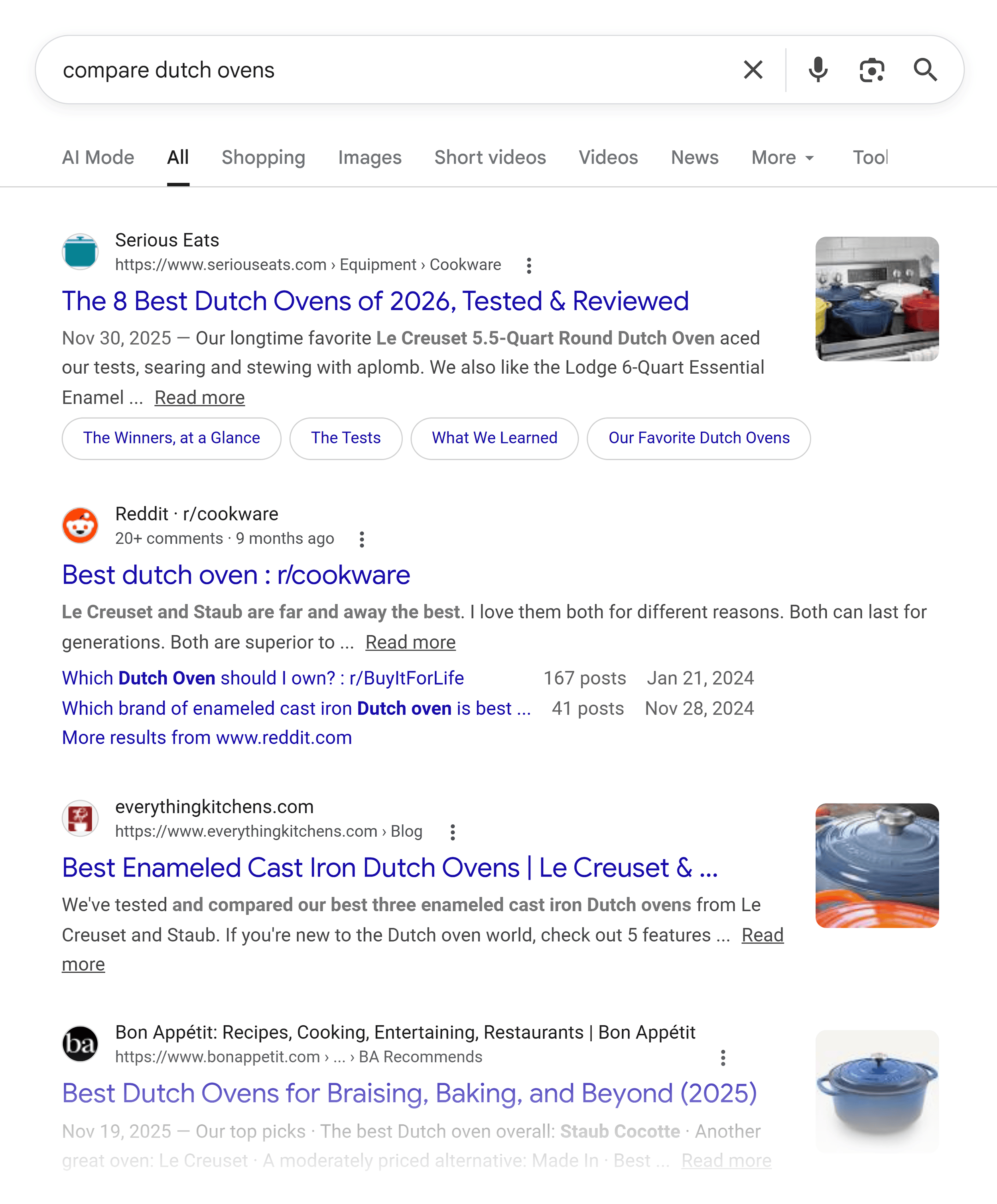
However, the reality presents a perplexing paradox. When consumers turn to Google with a query like "best Dutch ovens" or seek recommendations from large language models (LLMs) like ChatGPT, Great Jones rarely appears among the top suggestions. This absence in critical discovery channels suggests a significant disconnect between its established brand recognition and its perceived expertise on a specific topic – namely, Dutch ovens. The core issue isn’t a lack of quality content or press; rather, it’s the absence of a consistent and strategically framed narrative that unequivocally links the Great Jones brand to Dutch ovens across its owned digital properties and external third-party platforms. Without this cohesive pattern, search engines and advanced AI models struggle to confidently establish the brand’s authority on the topic, defaulting instead to competitors with more robust and consistent topical signals.
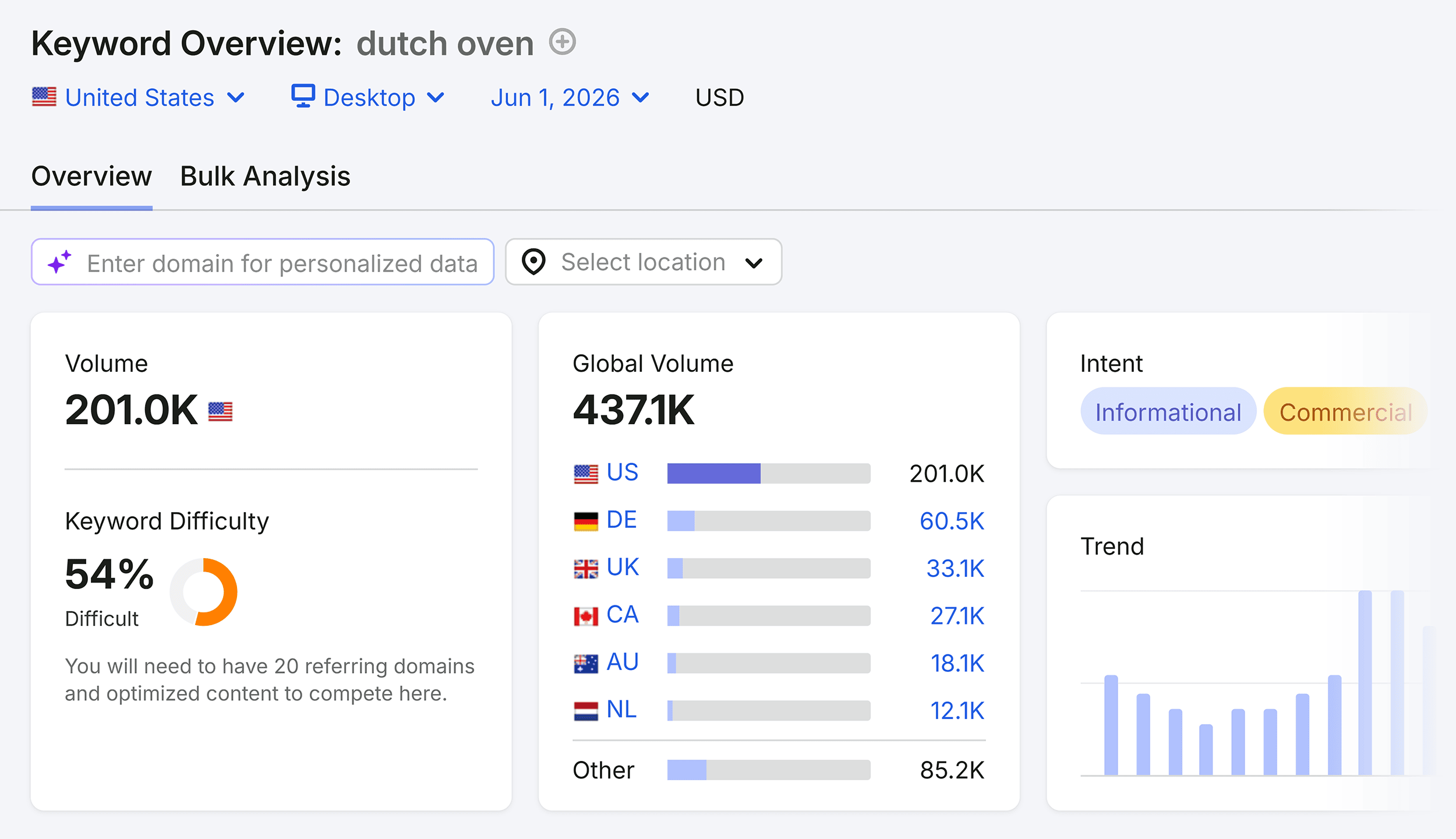
This challenge is not unique to Great Jones; many brands, irrespective of their size or industry, grapple with a similar gap in their digital presence. The advent of AI-powered search has only amplified the visibility of these discrepancies, making it imperative for brands to adopt a more nuanced approach to building digital authority. For Great Jones, with its beautiful and well-reviewed products, this translates into missed opportunities in a market segment boasting over 200,000 monthly Google searches for "Dutch oven" alone.
Defining Topical Authority in the Age of AI
Topical authority, at its heart, represents a website’s earned reputation for deep expertise and comprehensive understanding of a specific subject. It is forged when a brand and its chosen topic are repeatedly and consistently presented together across a diverse range of trusted sources that influence buyers, search engines, and, increasingly, large language models. Consider established associations: Merriam-Webster for dictionary definitions, Mayo Clinic for medical information, or Wikipedia for encyclopedic knowledge. These connections are not coincidental; they are the result of consistent messaging and validated expertise over time.
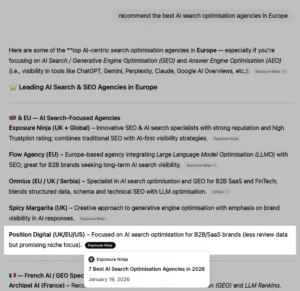
In the AI era, this definition takes on added layers of complexity. LLMs, designed to synthesize vast amounts of information and provide authoritative answers, rely heavily on these consistent patterns of association. They look beyond mere content volume; they seek clear, credible signals from both first-party (brand’s own site) and third-party (external reviews, media mentions, industry discussions) sources. This aligns closely with Google’s E-E-A-T guidelines (Experience, Expertise, Authoritativeness, Trustworthiness), which prioritize content from sources demonstrating genuine proficiency and reliability. For AI to confidently recommend a brand, it needs more than just a passing mention; it requires a strong, verifiable, and pervasive association that positions the brand as a go-to expert.
The Topical Authority Pyramid: A New Framework for Digital Dominance
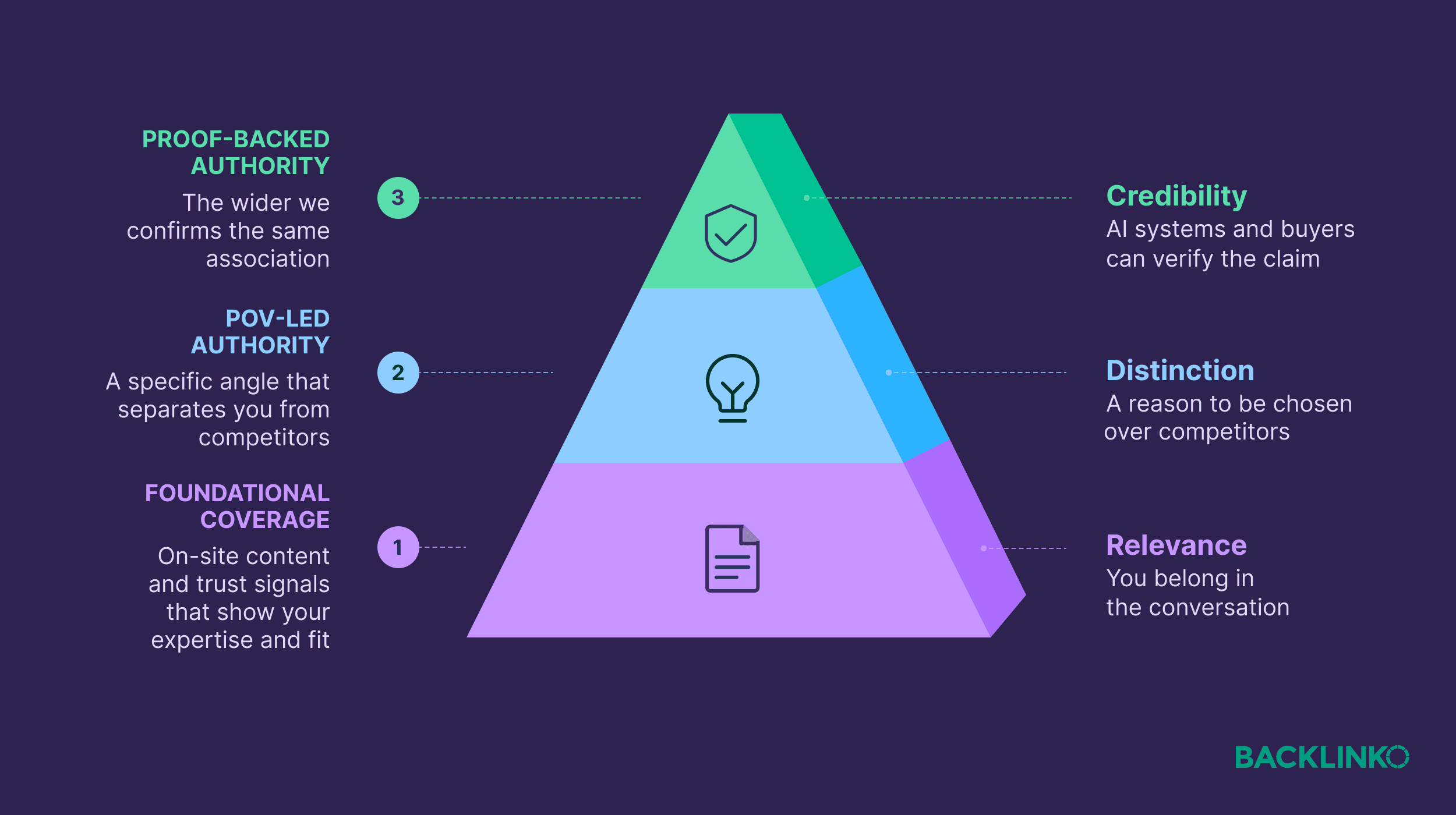
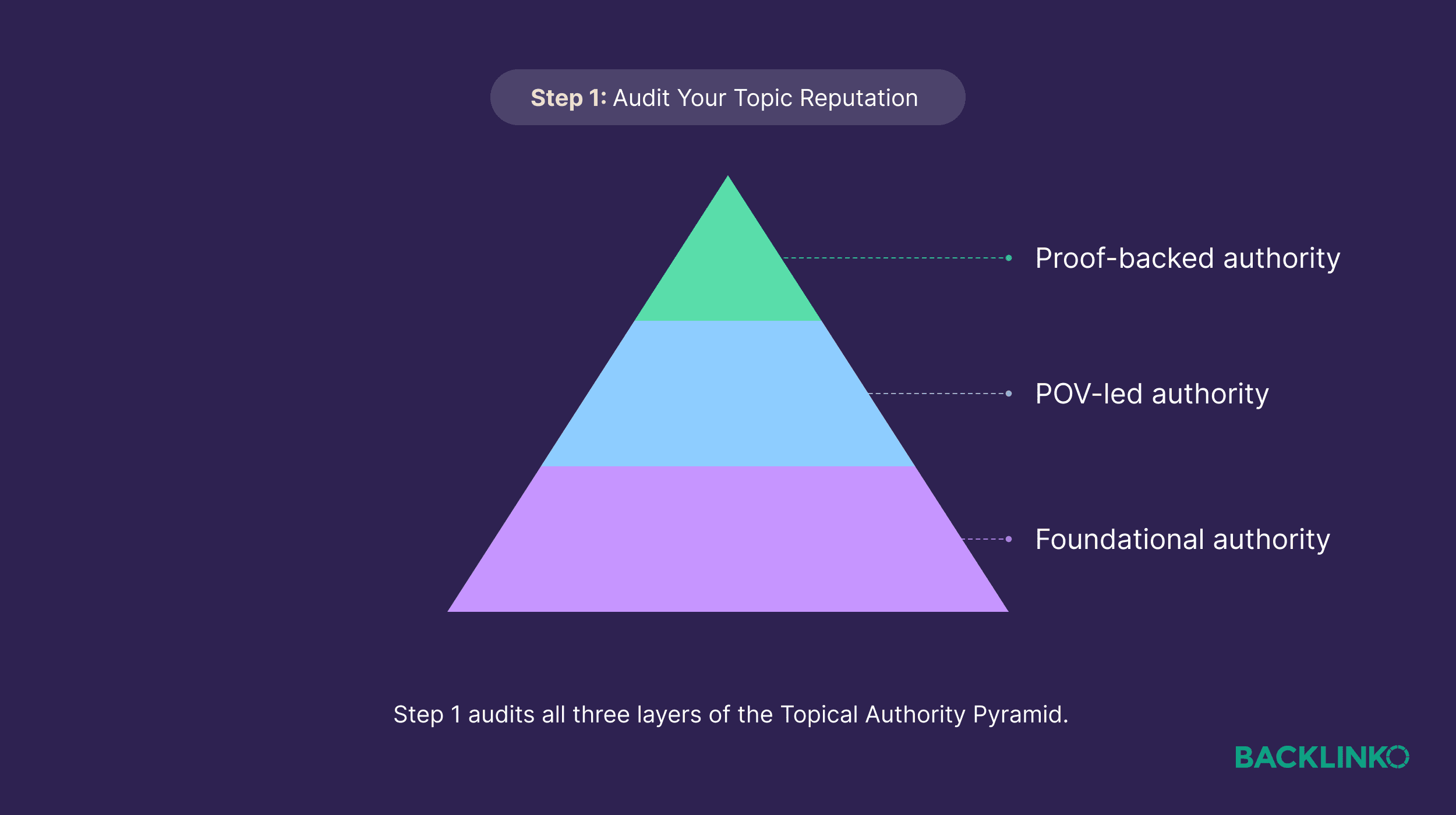
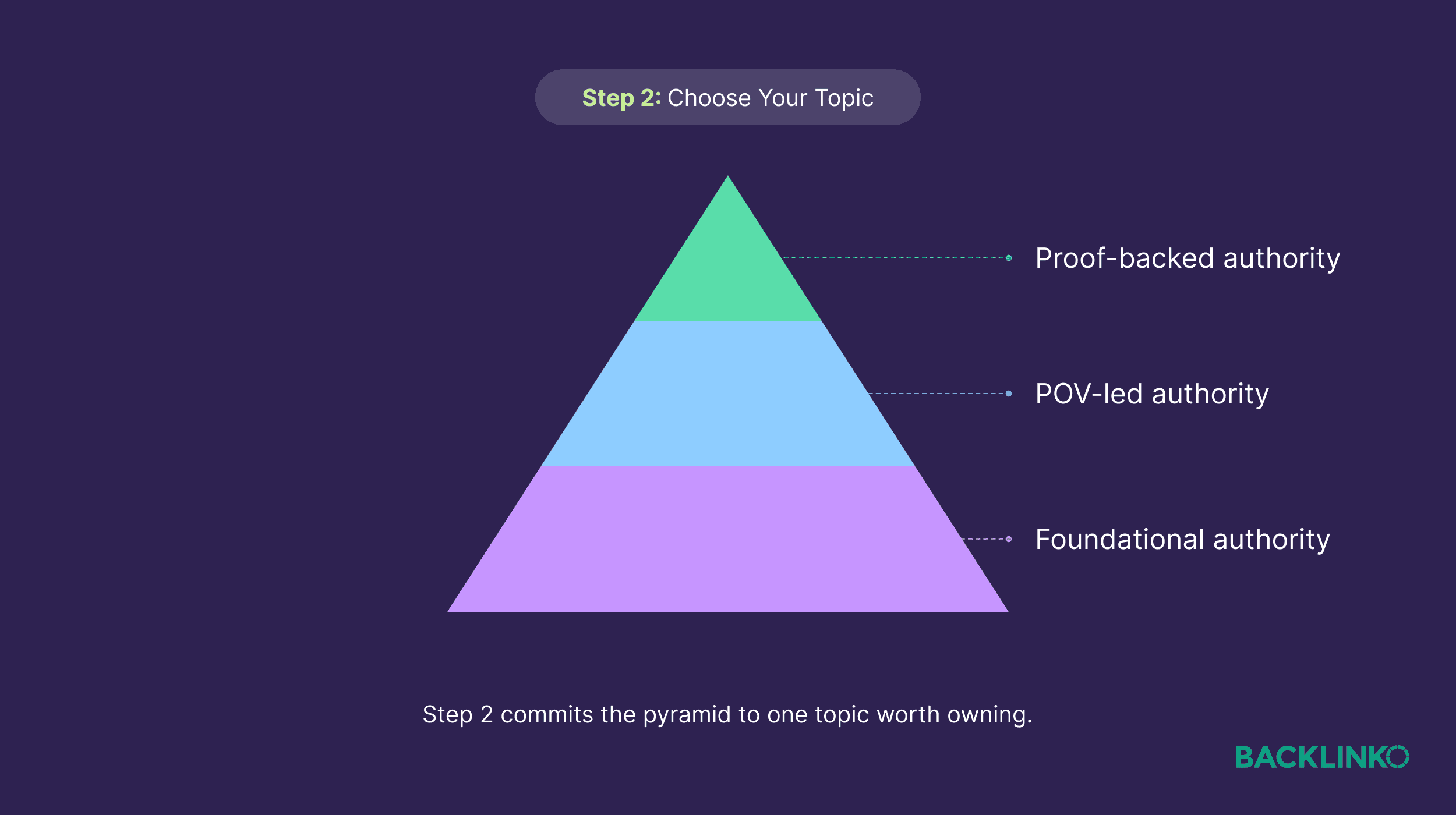
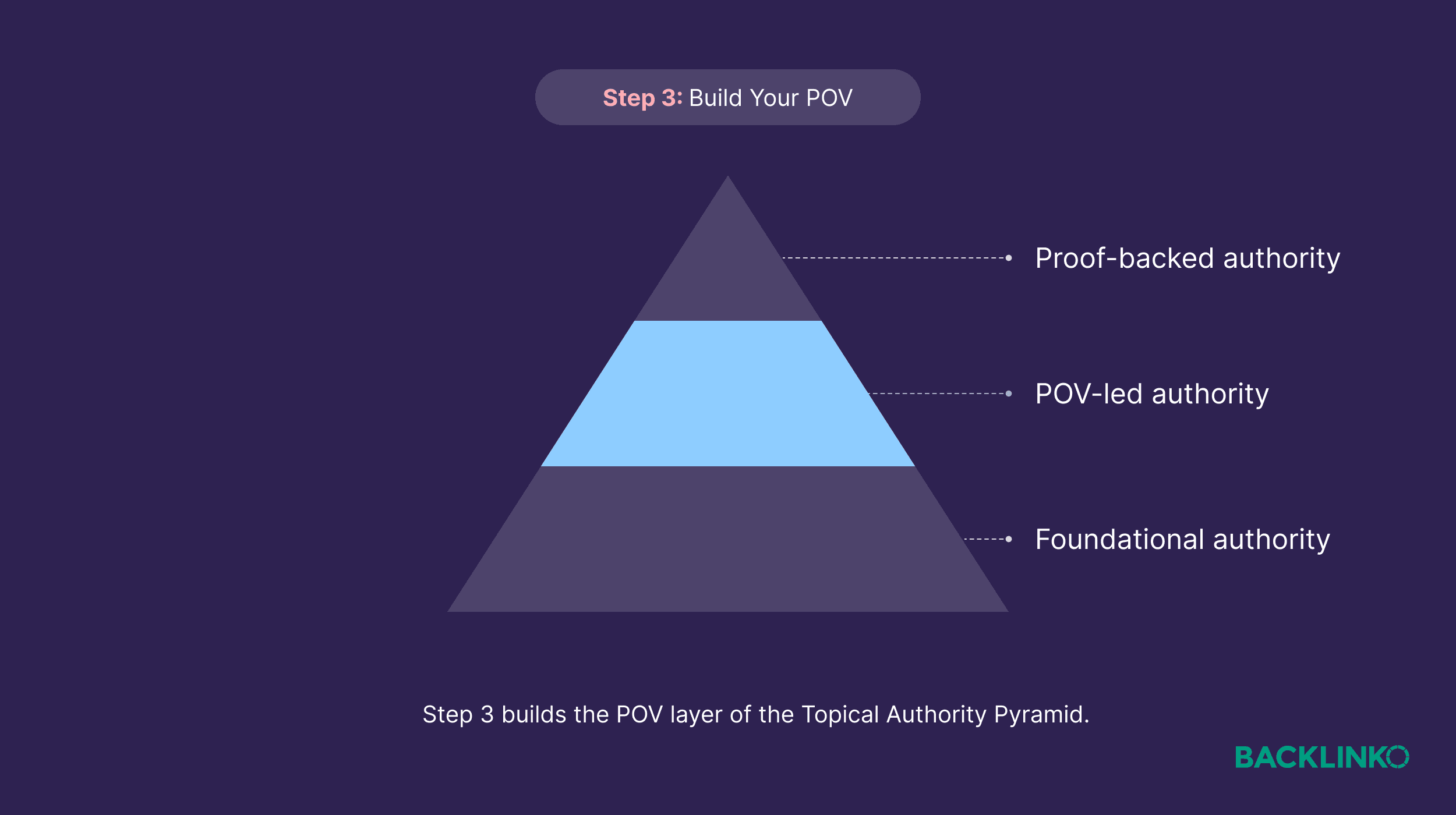
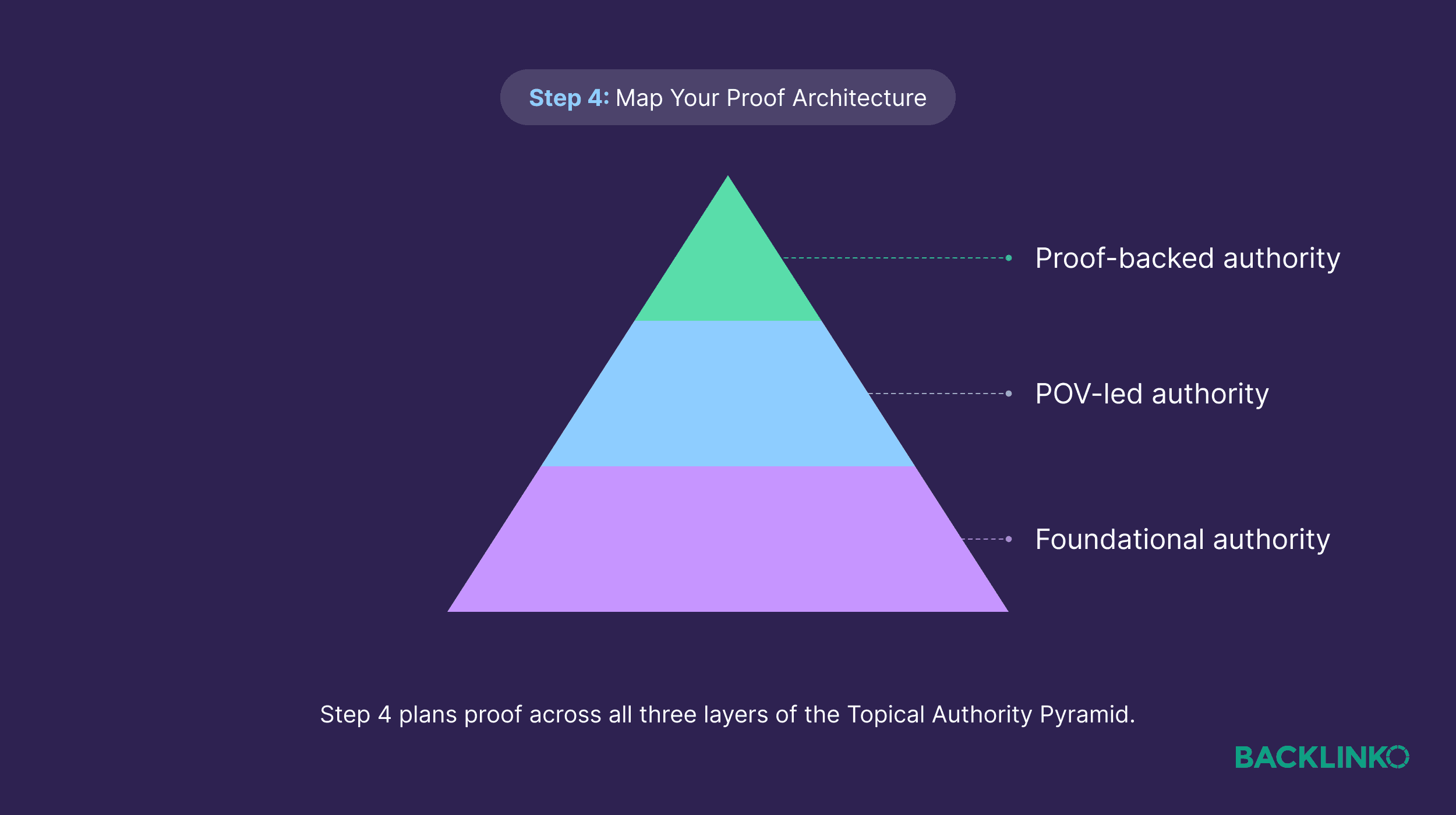
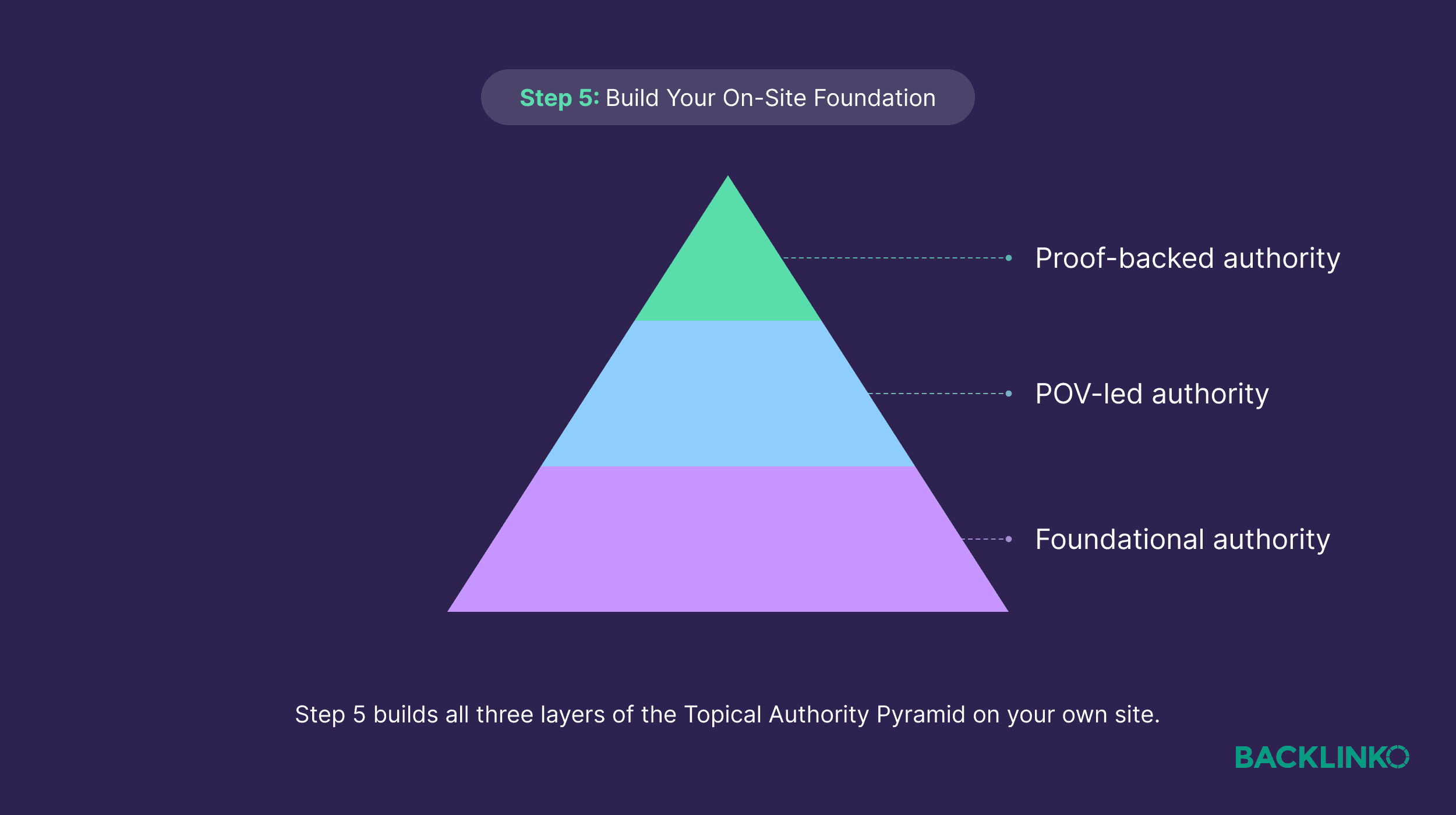
To navigate this evolving landscape, a new strategic framework, the Topical Authority Pyramid, has been developed, drawing insights from industry leaders like Amanda Milligan, Content and Growth Manager at Semrush, and extensive experience in brand positioning across various sectors. This framework deconstructs topical authority into three interdependent layers:
-
Foundational Authority: This base layer encompasses the traditional aspects of content volume and comprehensive coverage on a subject. Historically, simply publishing extensively was thought to be sufficient to "own" a topic. However, in the current environment, this is no longer adequate on its own.
-
Point of View (POV) Authority: This crucial middle layer represents a brand’s specific, unique angle or perspective within a broader topic. It’s what differentiates a brand in a crowded market and allows it to claim a distinct position in the minds of consumers and AI systems alike.
-
Proof Authority: The apex of the pyramid, this layer consists of external validation and concrete evidence that substantiates the brand’s POV. It’s the tangible, third-party confirmation that search engines and LLMs weigh heavily when determining true expertise.
These three layers work in concert. Many brands, including Great Jones, may possess a strong foundational authority (e.g., lots of recipes on their site) and scattered proof (e.g., positive product reviews), but lack a clear, consistent POV that ties everything together. The Topical Authority Pyramid provides a structured approach to building all three, transforming a brand into the recognized leader in its chosen niche.
Strategic Implementation: Building Topical Authority Step-by-Step
Achieving genuine topical authority requires a methodical, multi-pronged approach. The following steps outline how brands can build and reinforce their presence across the Topical Authority Pyramid.
Step 1: Comprehensive Topic Reputation Audit
Before embarking on a strategy to build authority, brands must first understand their current standing. This involves a dual audit:
-
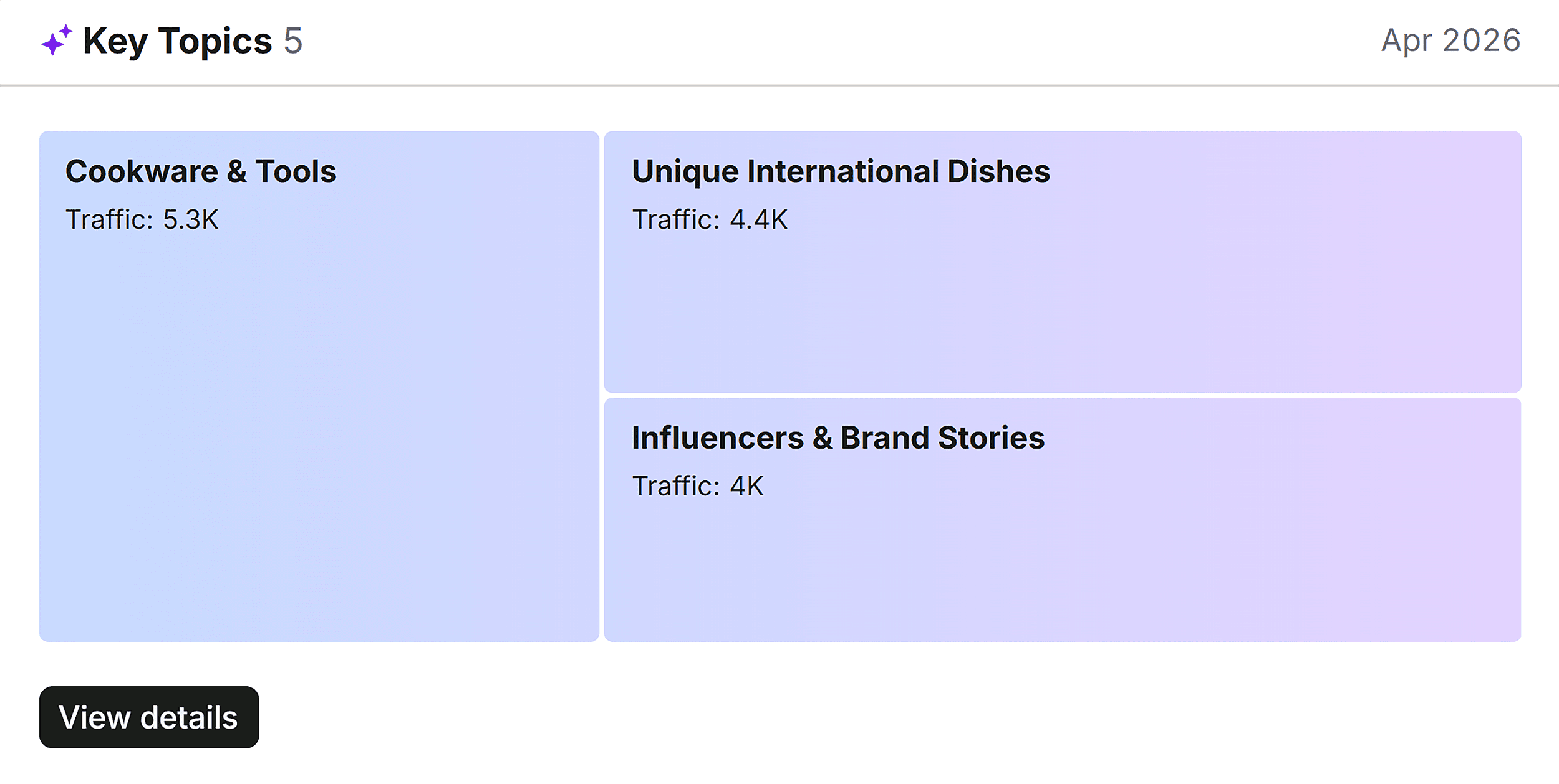
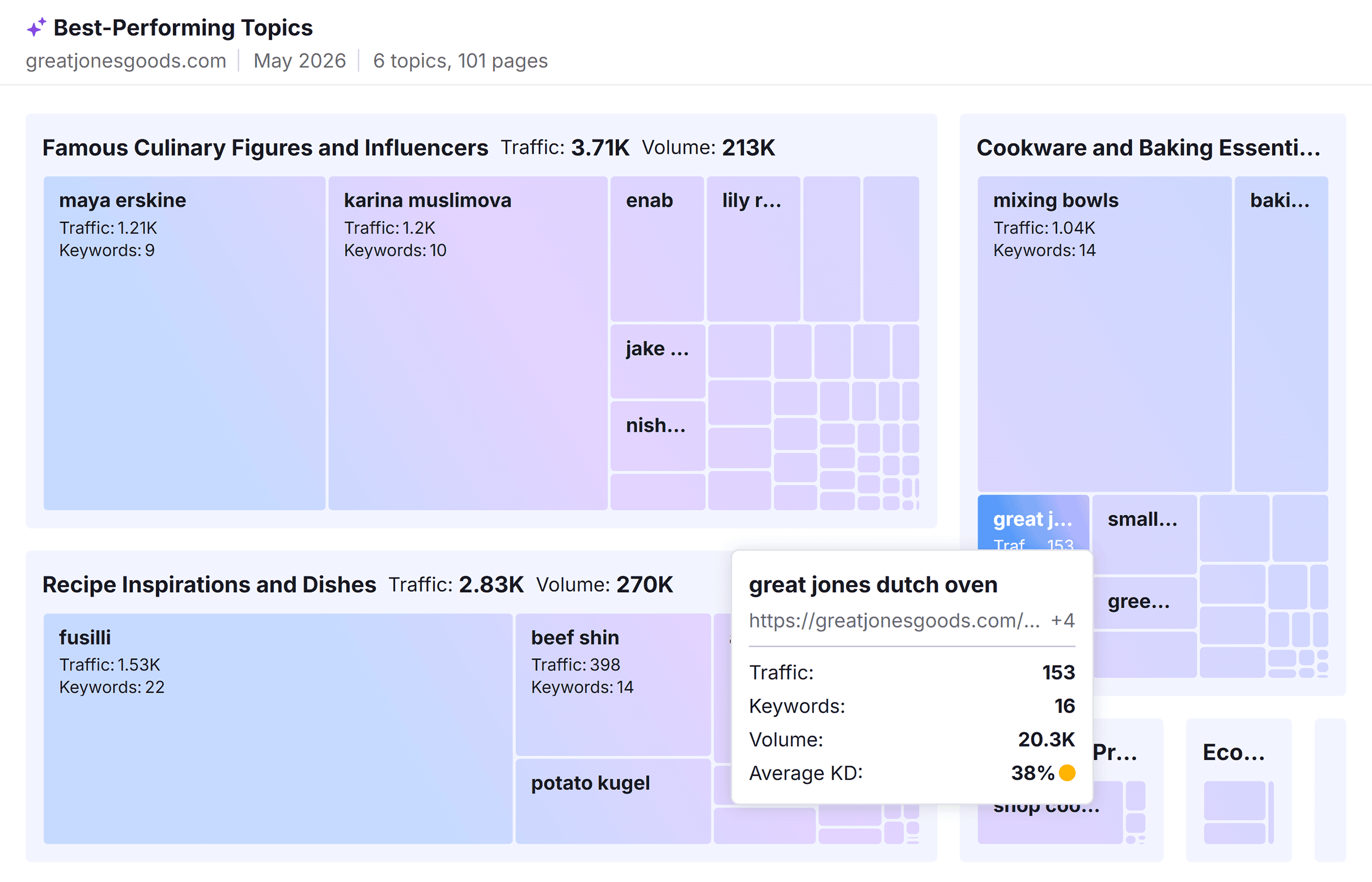
On-Site Analysis: Utilizing tools like Semrush’s Organic Rankings, brands can automatically identify the topics their domain is currently most strongly associated with in search results. For Great Jones, this audit revealed a primary association with "recipes" and "celebrity chefs," while "Dutch ovens" barely registered. This is a critical "topical association gap" that needs addressing. Furthermore, an examination of current internal content should assess how frequently and prominently the target topic (e.g., "Dutch ovens") appears, and how it is framed.
-
Off-Site Assessment: This is often where the most significant gaps lie and where AI systems place considerable weight. Brands should perform targeted searches:
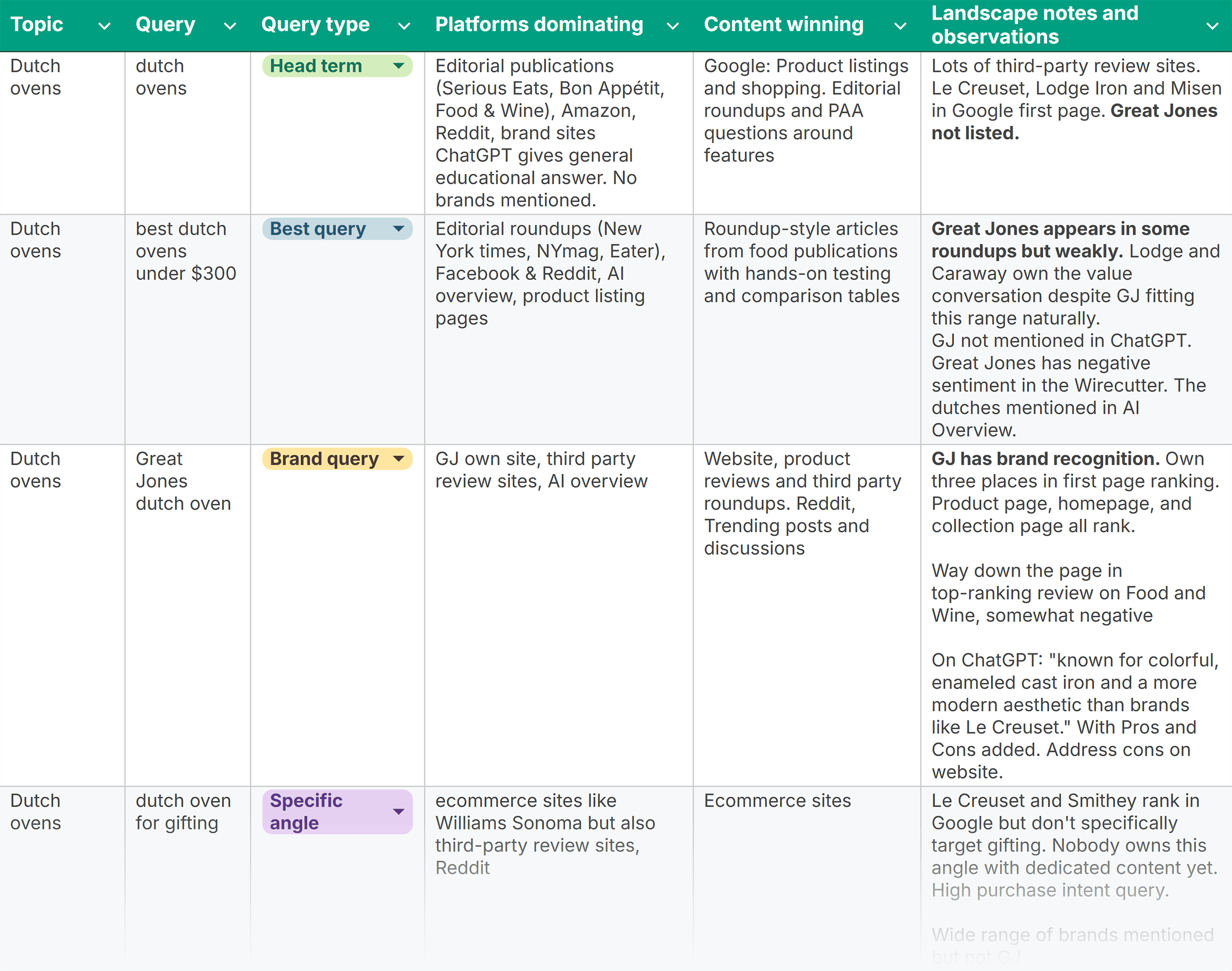
- Generic topic searches: "best Dutch ovens."
- Brand + topic searches: "Great Jones Dutch oven."
- Competitor + topic searches: "Le Creuset Dutch oven reviews."
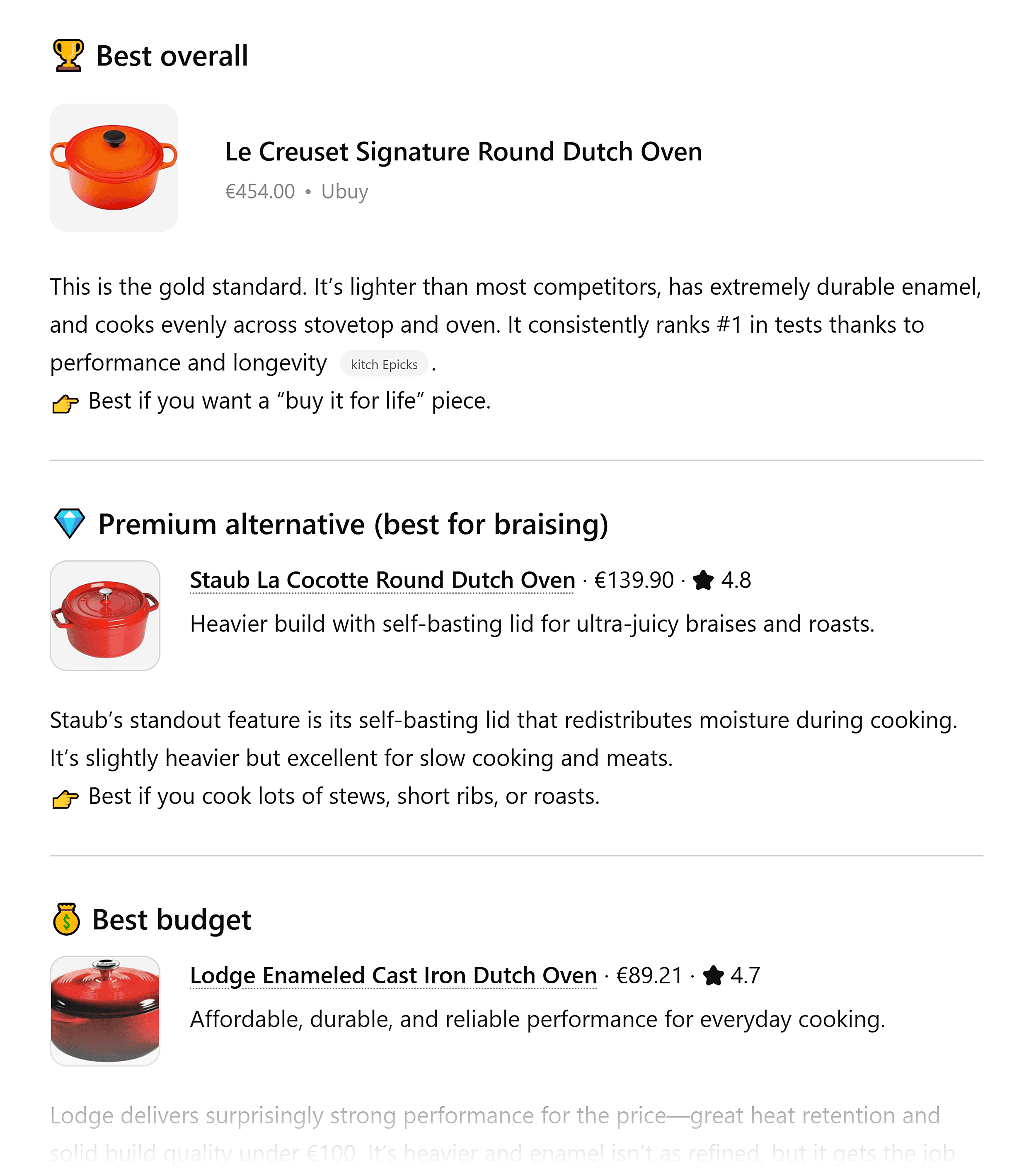
- AI/LLM queries: Ask ChatGPT for "best Dutch ovens" or "Dutch oven recommendations."
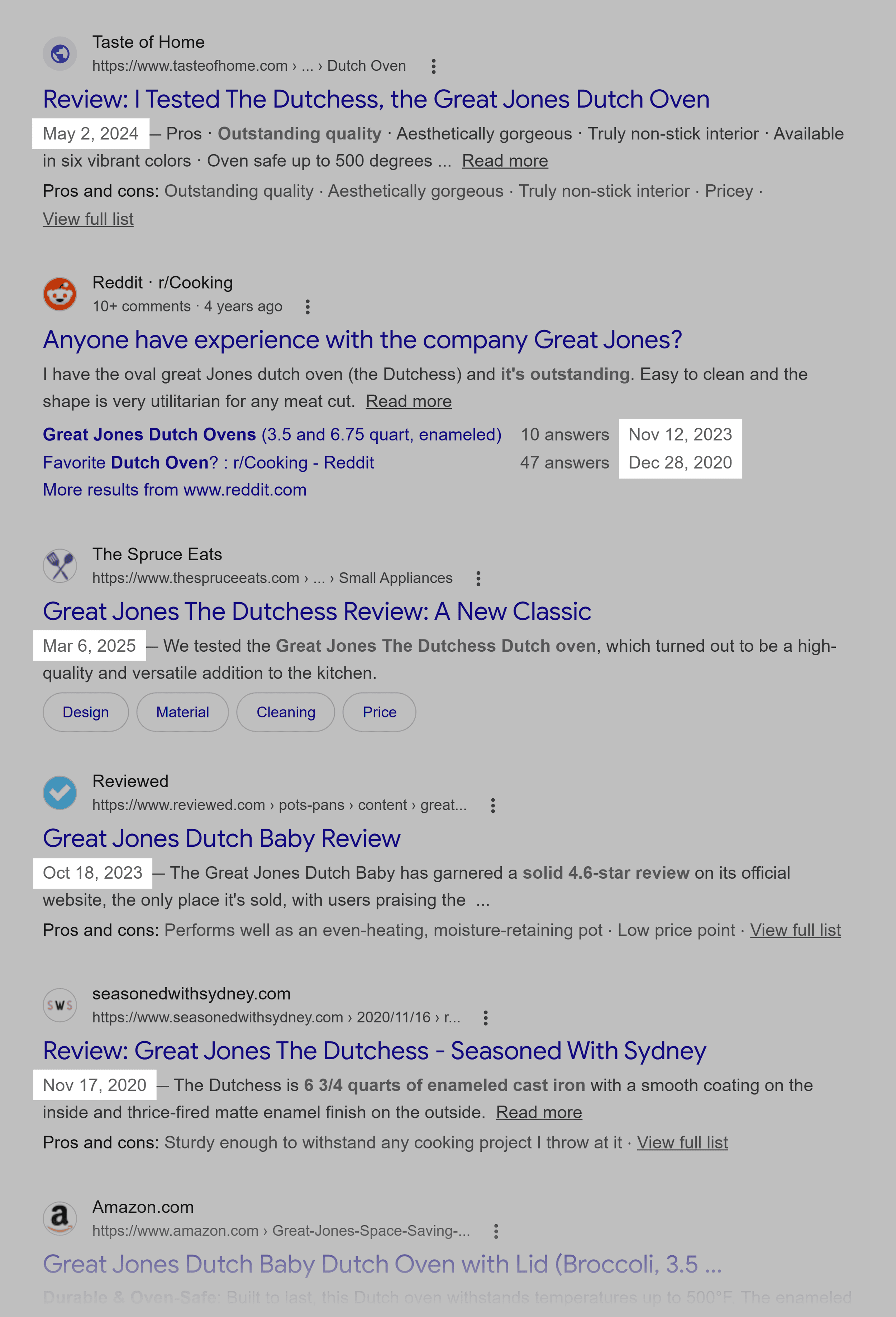
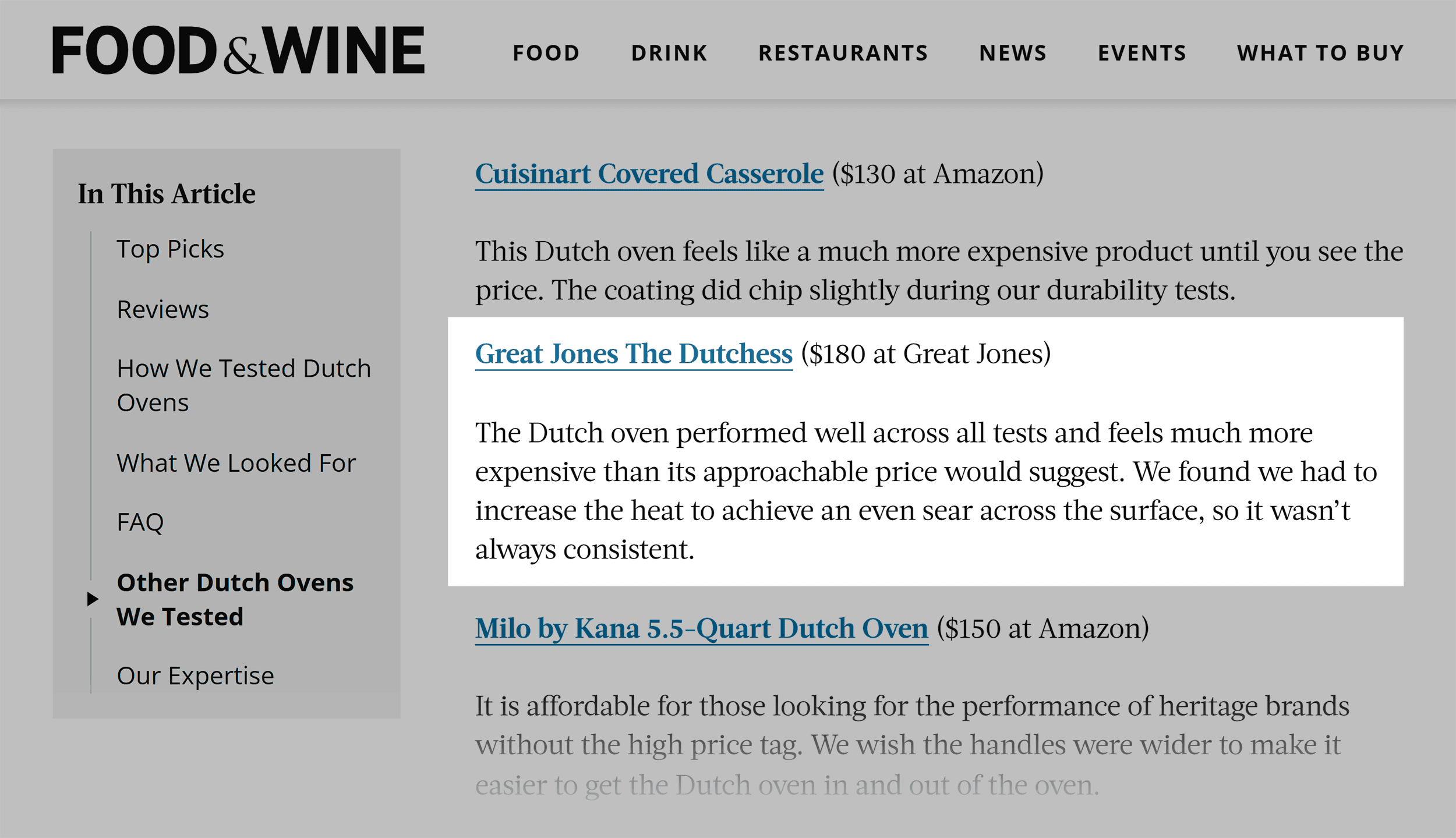
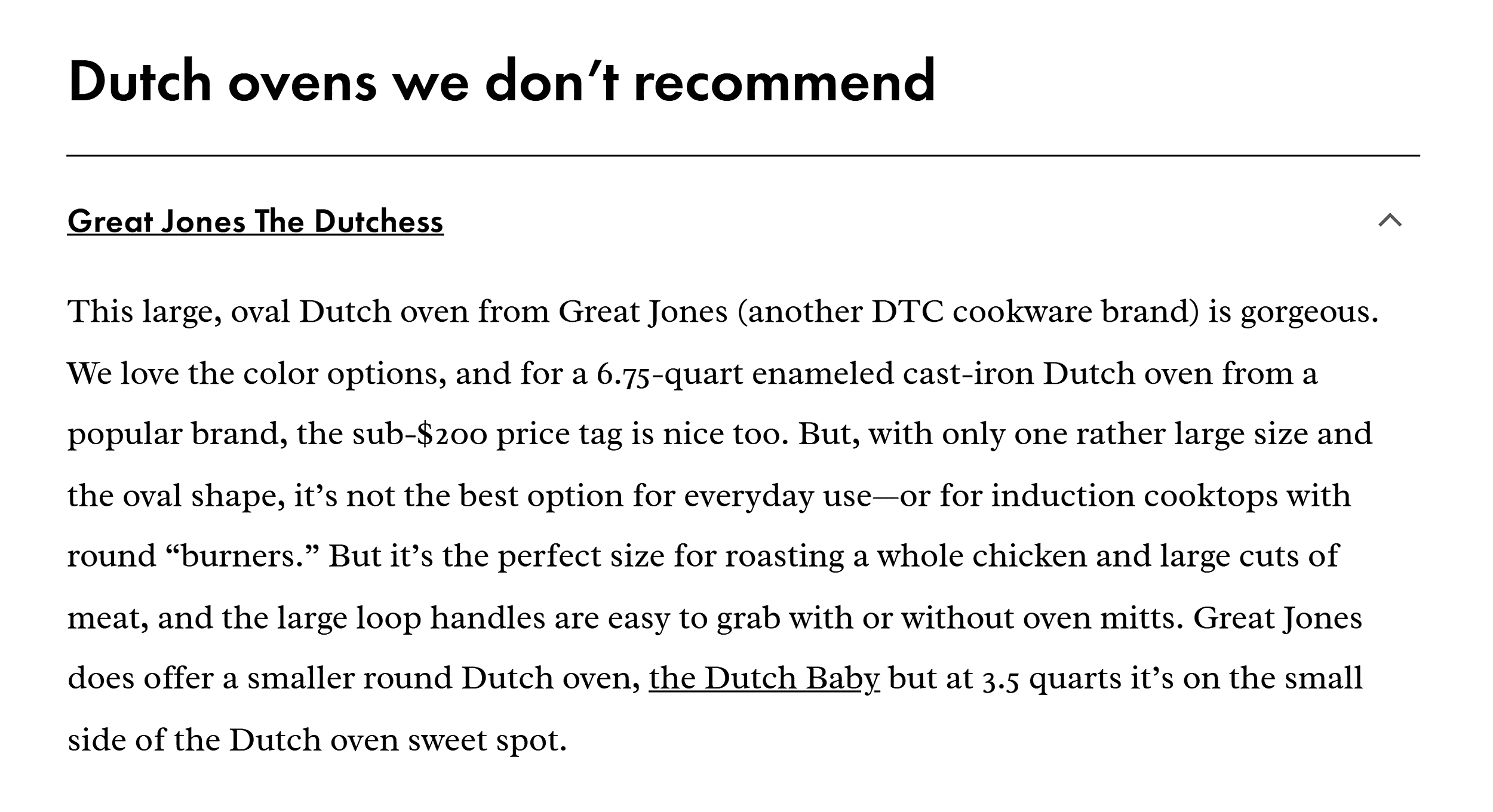
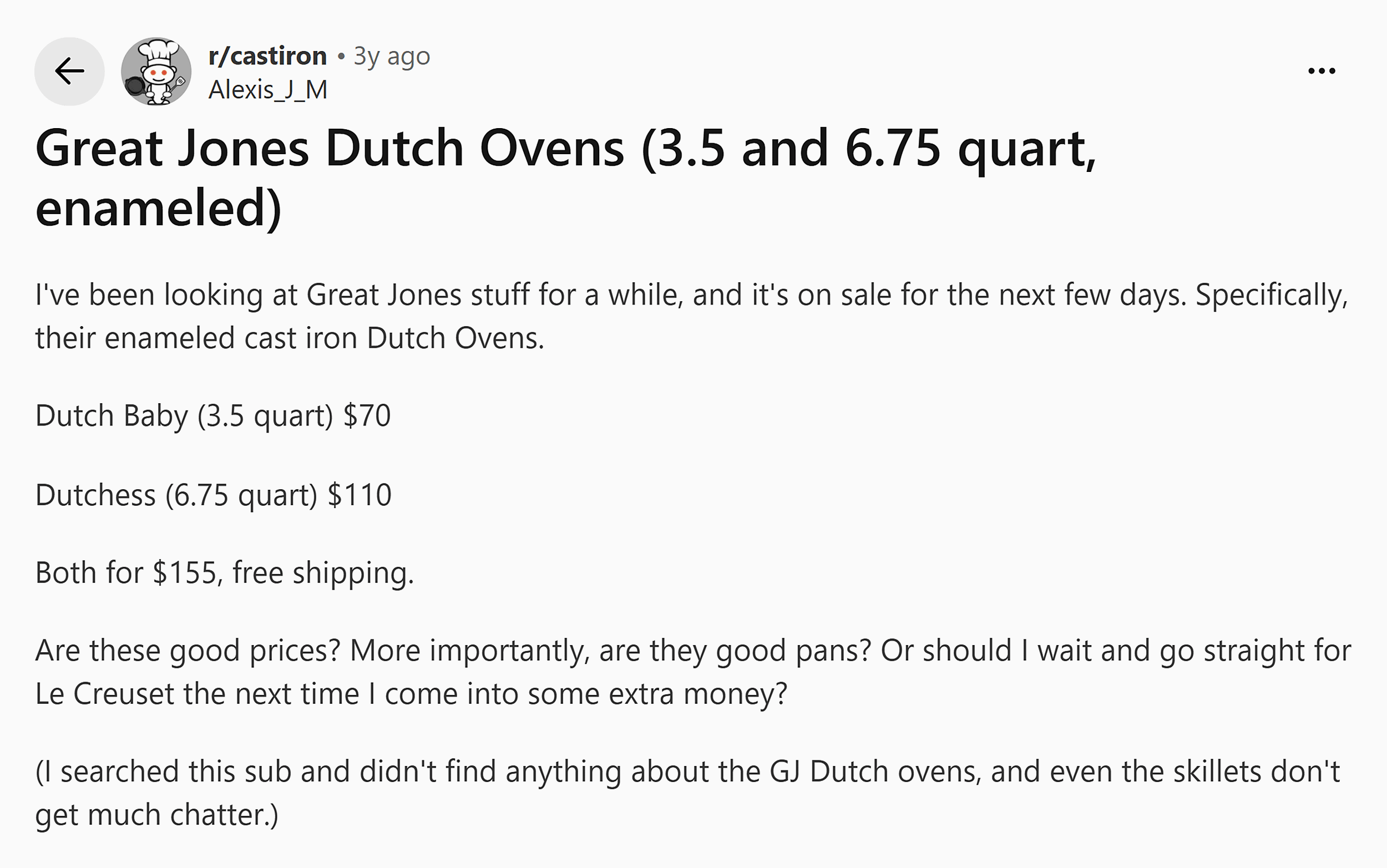
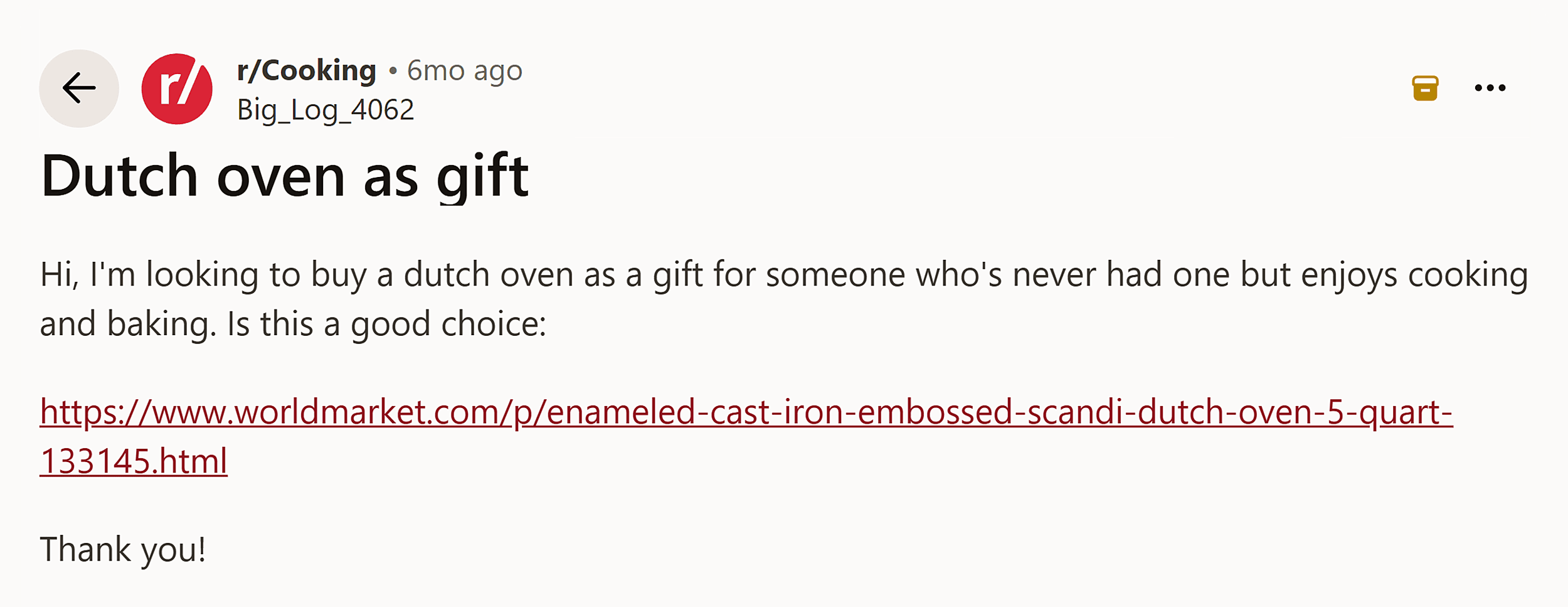
The audit for Great Jones revealed excellent general press coverage, but specific "Dutch oven" mentions were often older, and the sentiment inconsistent. For instance, Food & Wine listed The Dutchess under "Other" with heating caveats, and Bon Appétit placed it under "Dutch ovens we don’t recommend." Crucially, it was missing from use-case roundups and rarely mentioned in active buyer discussions on platforms like Reddit unless specifically prompted. This audit helps identify not only a lack of presence but also any negative or outdated framing that could hinder AI recognition.
Step 2: Pinpointing the Niche: Selecting Your Authority Topic
It’s impossible to own every topic. Strategic focus is key.
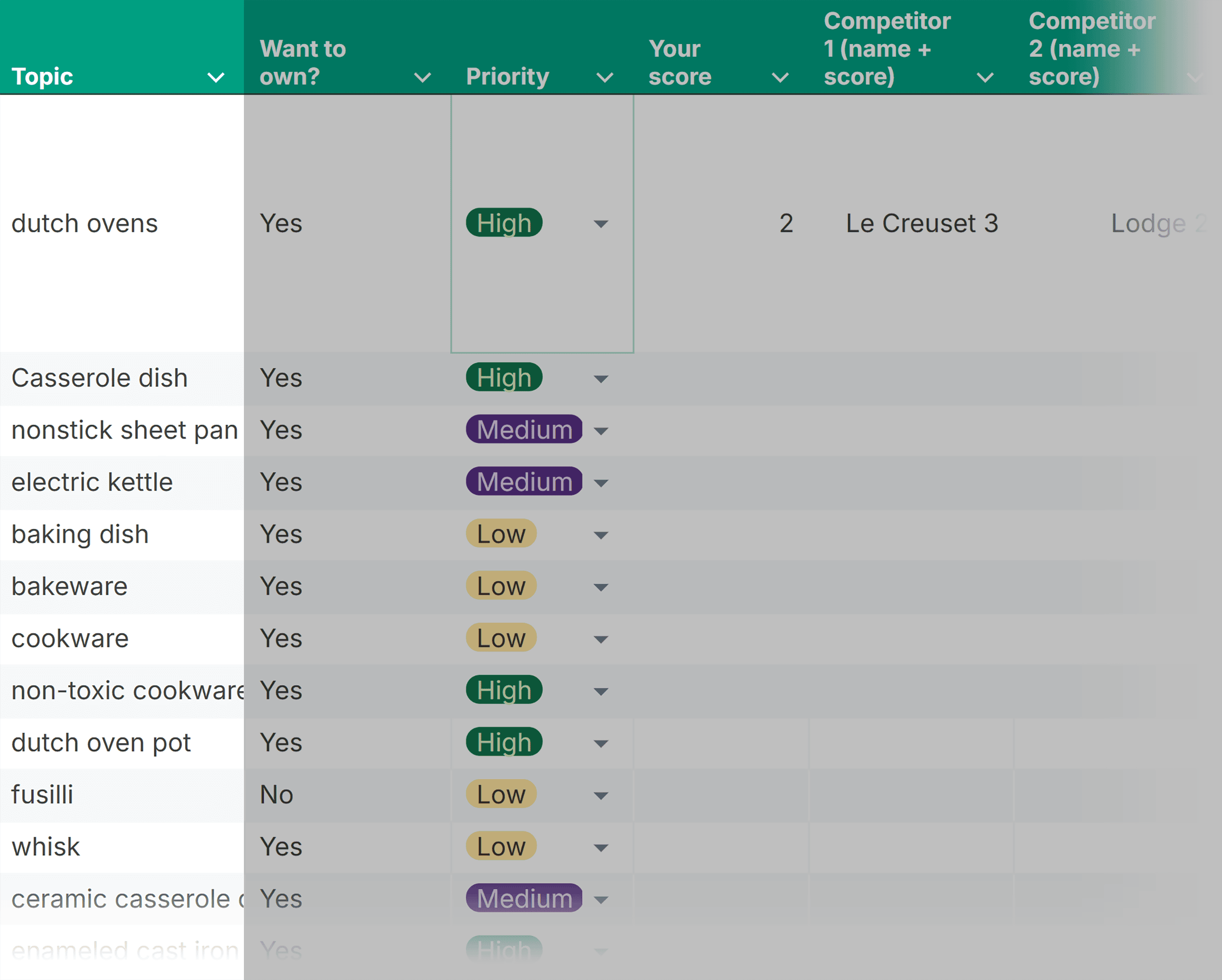
- Topic List Creation: Compile a list of topics central to the business (products, categories, use cases) and adjacent areas of interest for buyers (e.g., slow cooking, one-pot meals, kitchen gifting, cookware care for Great Jones).
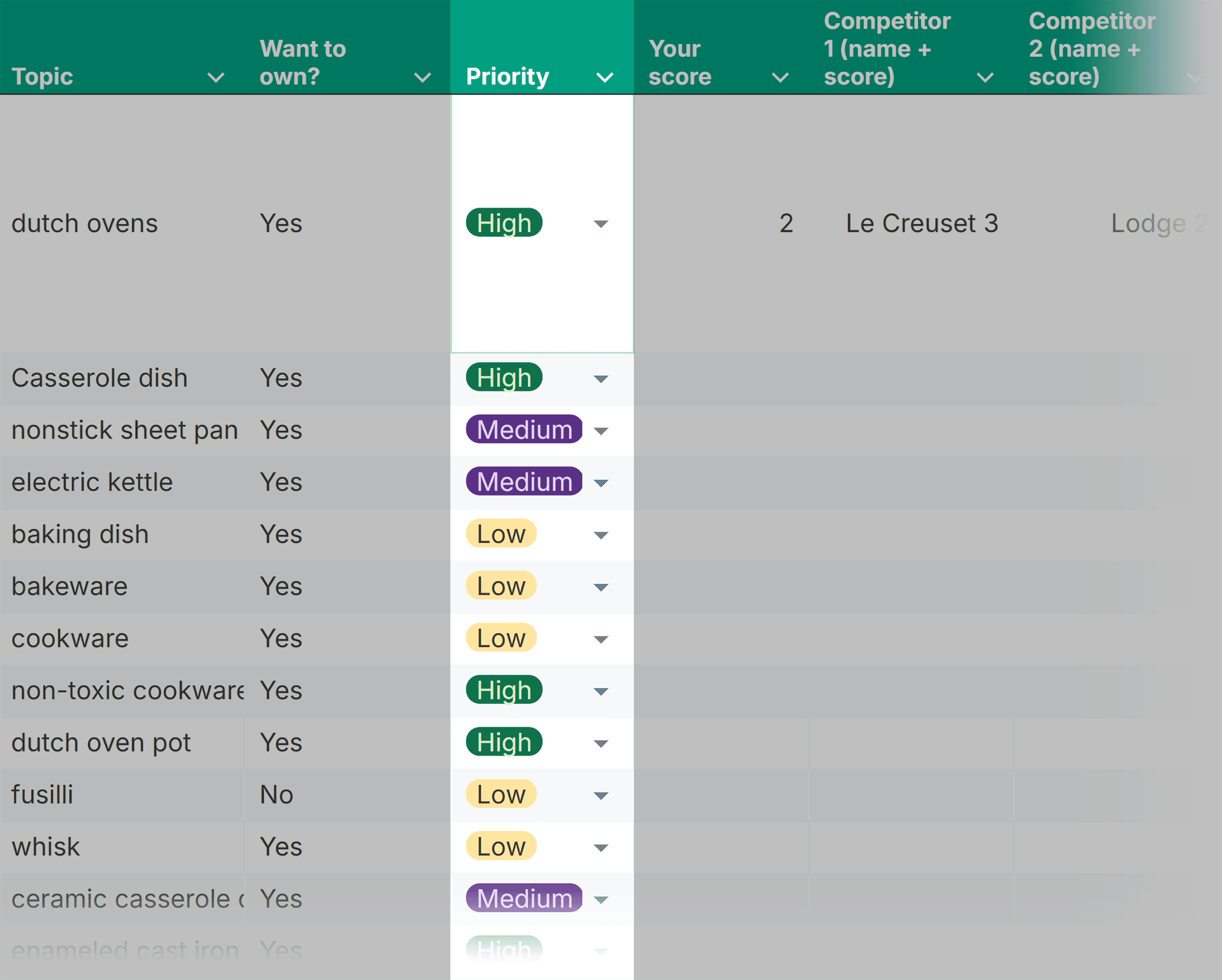
- Prioritization: Evaluate each topic based on two criteria:
- Desirability: Does it directly drive revenue, support a key product, or build a reputation that attracts ideal customers?
- Urgency/Opportunity: Is there existing buyer demand? Is competition weak? Does the brand already have some inherent connection?
This process should narrow the focus to 3-5 high-priority topics. For Great Jones, "Dutch ovens for gifting" emerges as a strong contender, leveraging the product’s aesthetic appeal and existing customer sentiment.
- Query Audit for Shortlisted Topics: For each high-priority topic, conduct four specific queries on Google and LLMs:
- Head term: "Dutch ovens" (reveals broad ownership and AI defaults).
- Best query: "best Dutch ovens under $200" (highlights buyer intent and AI recommendations).
- Brand query: "Great Jones Dutch oven" (assesses current specific standing).
- Specific angle: "Dutch oven for gifting" (identifies unclaimed niche territory).
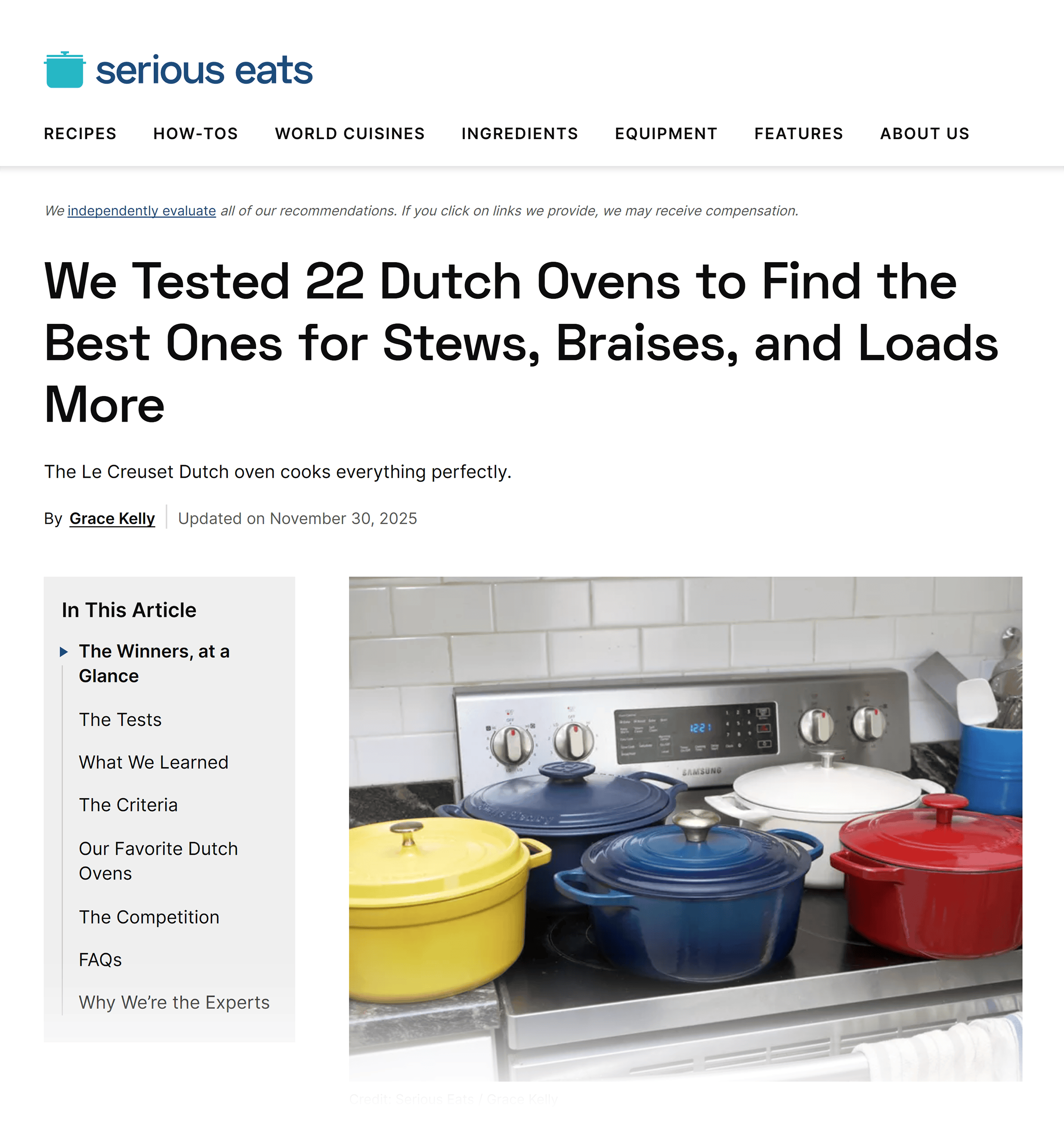
Recording top results, AI responses, and competitor presence helps identify winnable positions. For Great Jones, while general "best Dutch ovens" searches yielded dominant brands like Le Creuset and Staub, the "gifting" angle showed a clear void.
Step 3: Crafting a Distinctive Point of View (POV)
Once a viable topic is chosen, the next step is to define the unique reputation a brand will build around it.
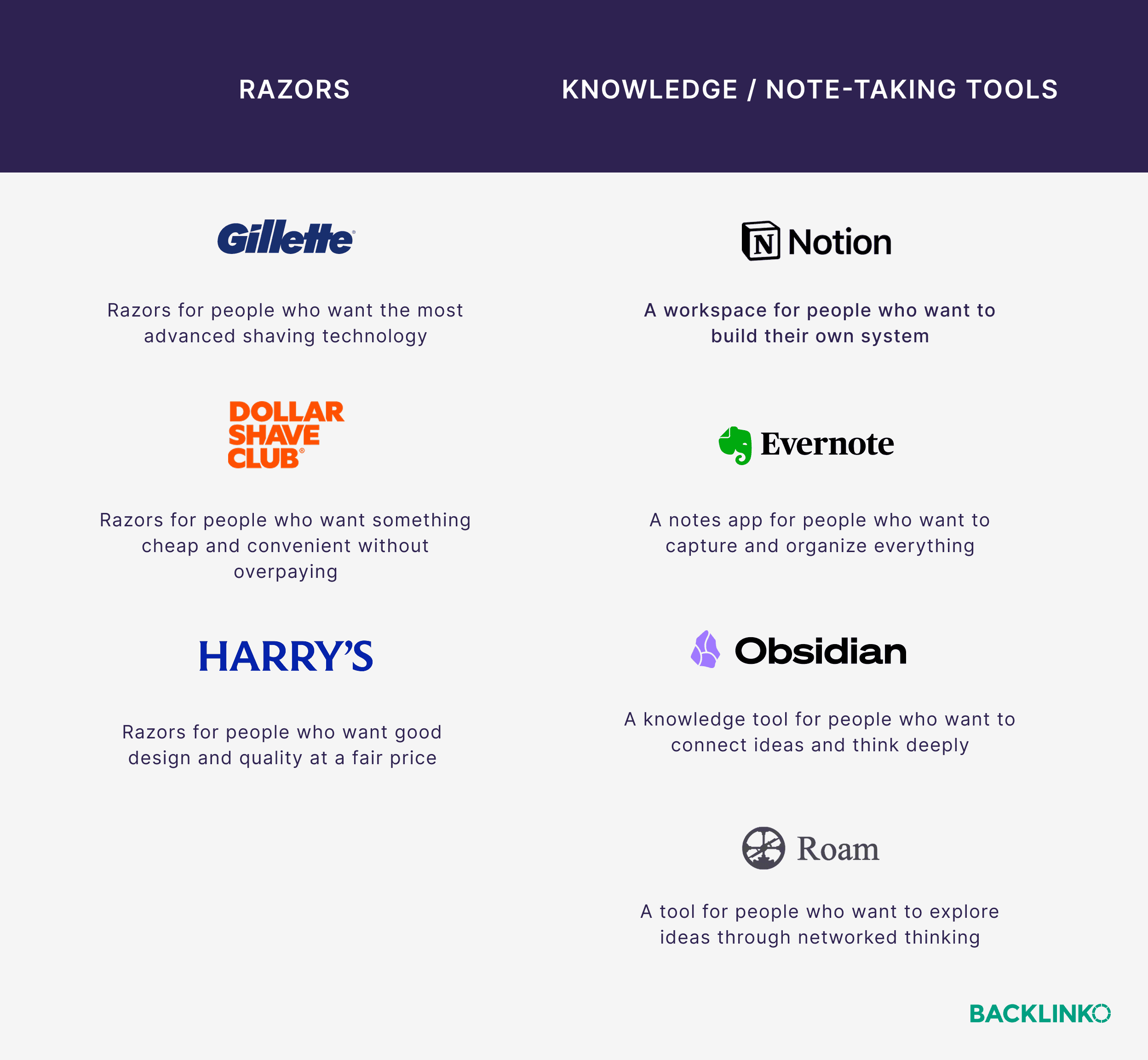
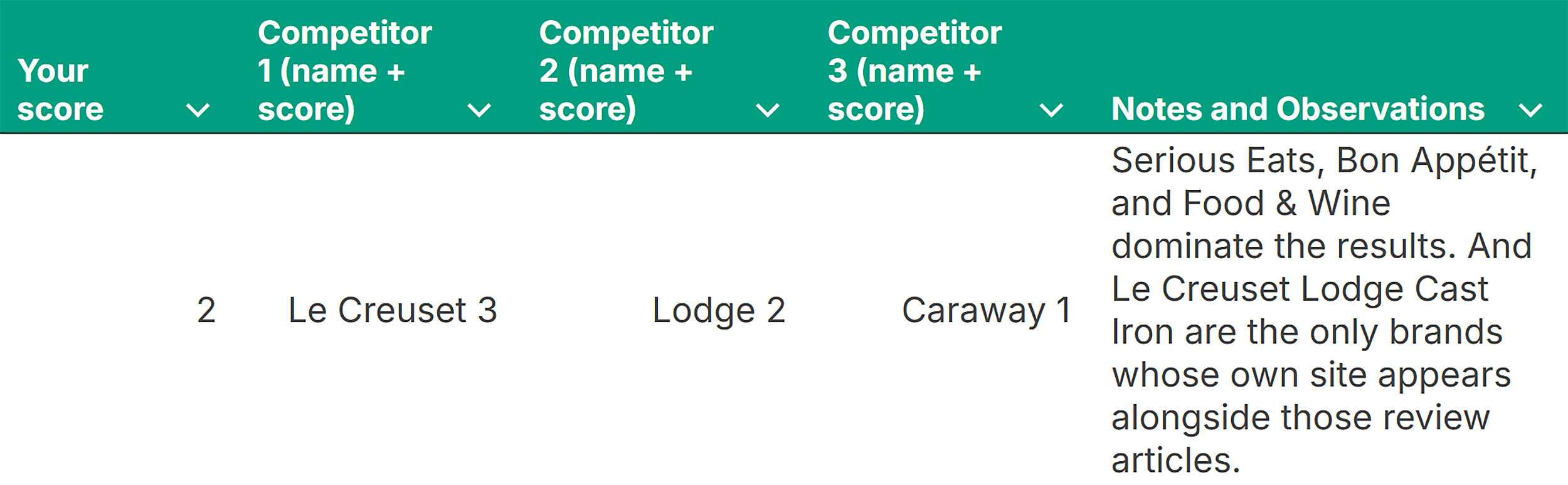
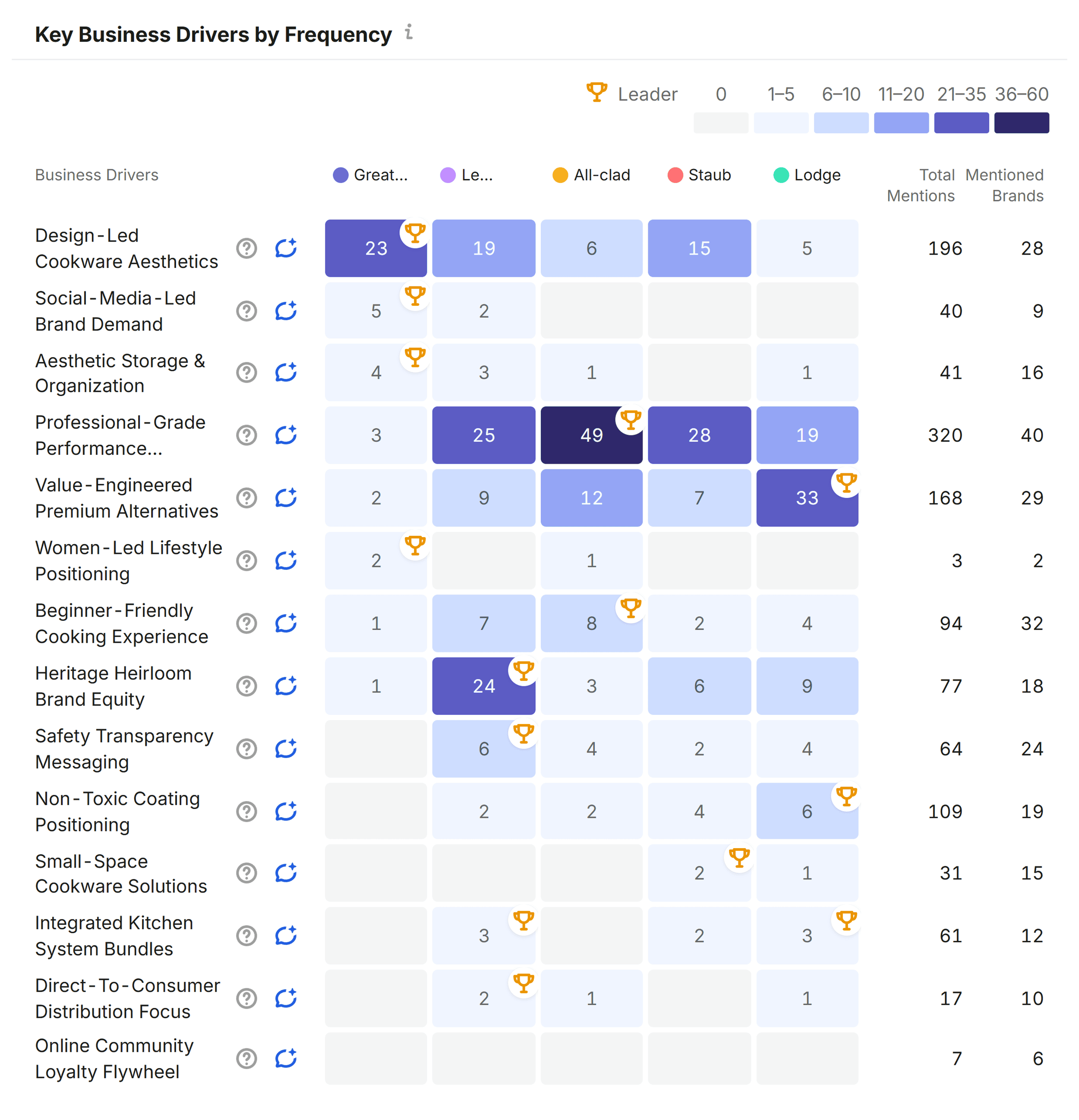
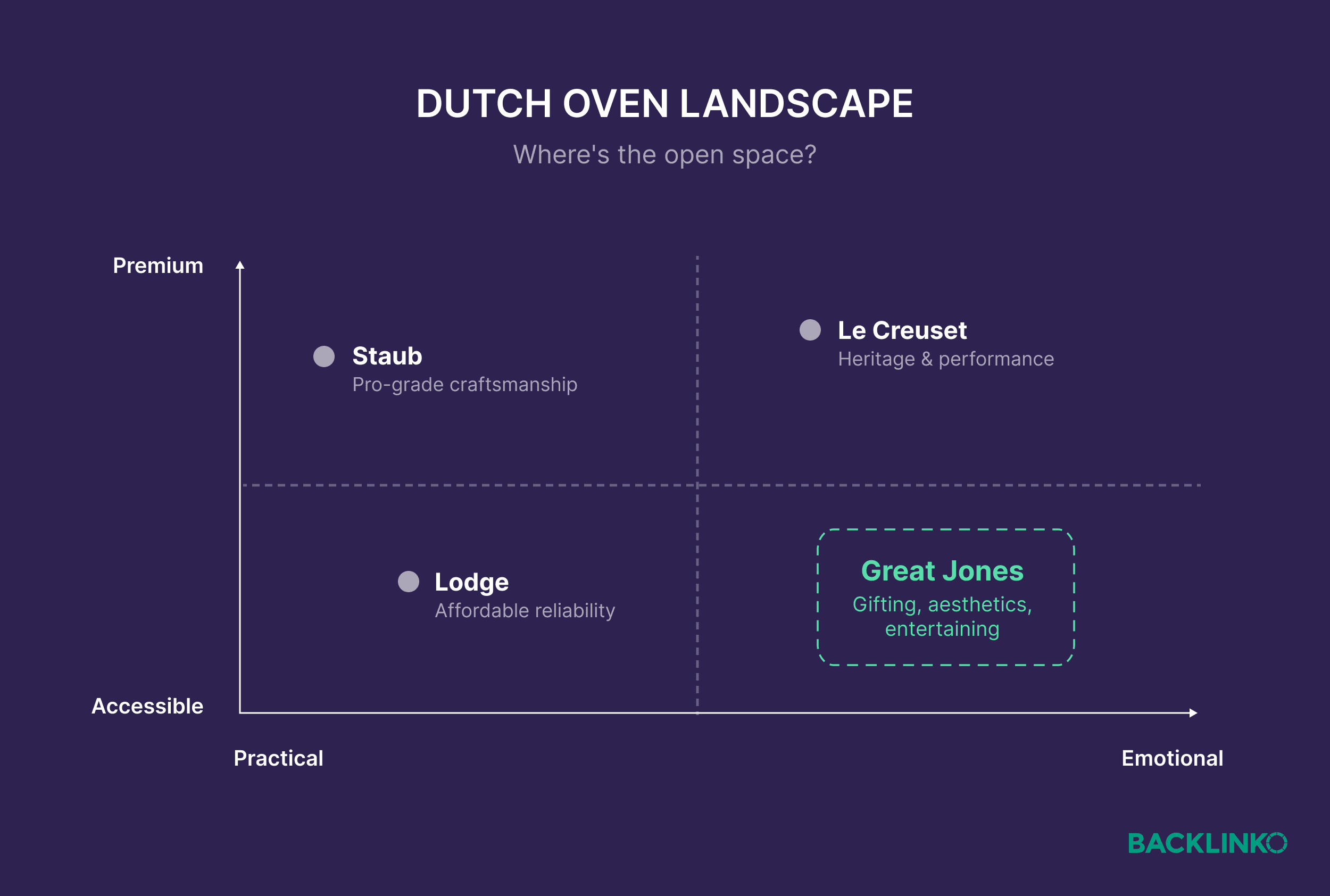
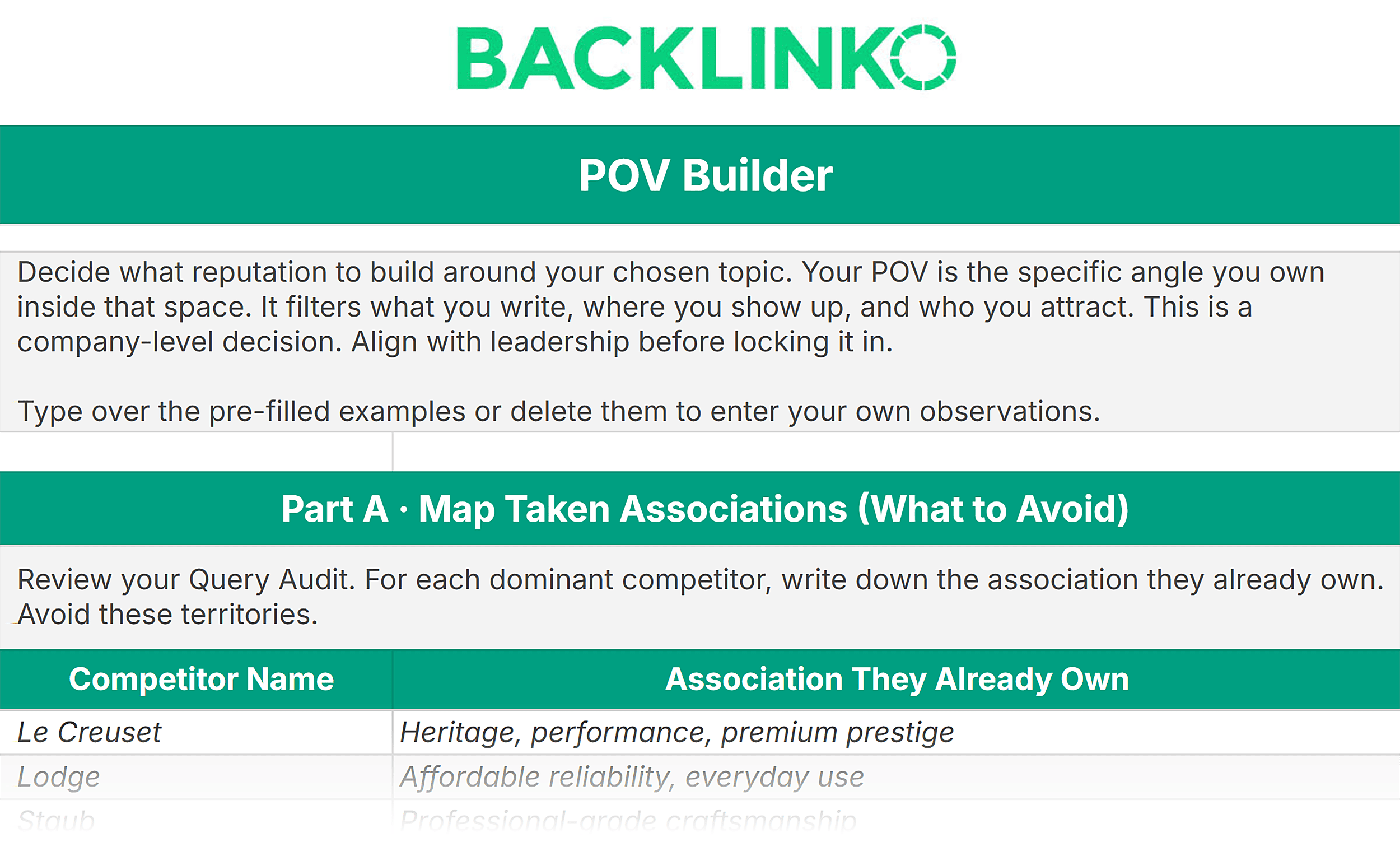
- Research What’s Already Owned: Use tools like Semrush’s AI Visibility Toolkit to map competitor POVs (e.g., Le Creuset = premium heritage, Lodge = rugged durability, Caraway = non-toxic aesthetics). Avoid direct competition for these established territories. For Great Jones, the audit revealed opportunities in gifting, visual appeal, and beginner cooking.
- Choose Your POV: Select an angle that passes three tests:
- Buyer Resonance: Do buyers already care about this angle?
- Brand Authenticity: Does the brand genuinely embody this angle? (Great Jones’s reviews often highlight its "beautiful" and "modern" design, making "gifting" a natural fit).
- Competitive Differentiation: Is this territory largely unclaimed by competitors?
- Write Your POV as One Sentence: This ensures clarity and memorability. For Great Jones, a strong POV could be: "Great Jones: The thoughtfully designed Dutch oven that makes the perfect, stylish gift for any occasion."
Step 4: Architecting Proof Across the Buyer’s Journey
A compelling POV is meaningless without tangible proof. Brands need evidence to validate their place in the category and their specific POV.
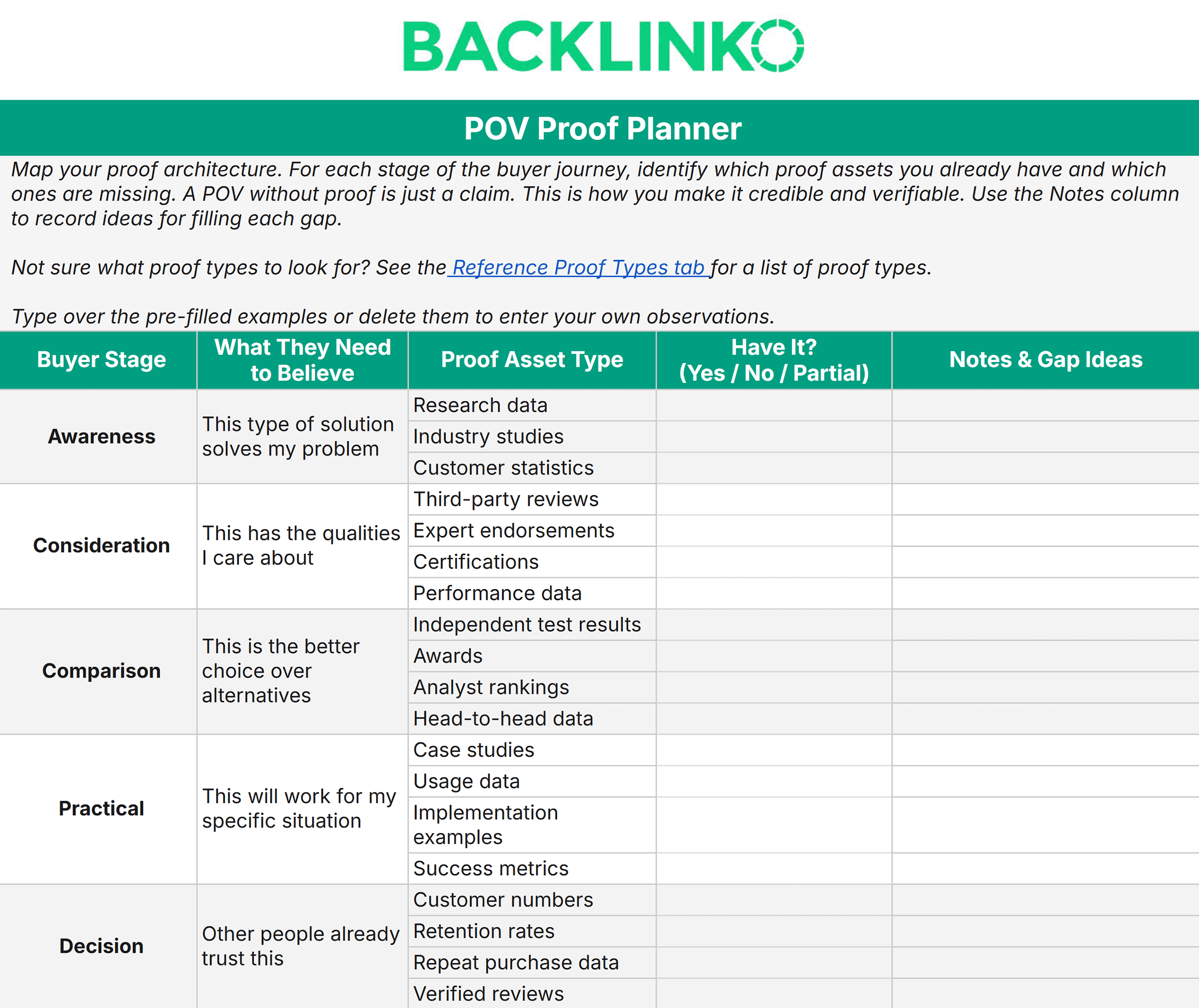
- Audit Existing Proof Assets: Map current proof against each stage of the buyer journey:
- Awareness: Research data, industry studies, customer statistics (e.g., "Dutch ovens are increasingly popular wedding gifts").
- Consideration: Third-party reviews, expert endorsements, certifications, performance data (e.g., "The Dutchess receives rave reviews for its even heating and vibrant colors").
- Comparison: Independent test results, awards, analyst rankings, head-to-head data (e.g., "The Dutchess rated #1 for gifting appeal by a leading lifestyle magazine").
- Active Evaluation: Case studies, usage data, implementation examples, success metrics (e.g., "See how The Dutchess delighted newlyweds in our latest case study").
- Decision: Customer numbers, retention rates, repeat purchase data, verified reviews (e.g., "Thousands of happy customers have chosen The Dutchess as a gift").
For Great Jones, while positive reviews exist, dedicated proof points for the "gifting" POV, especially in the comparison and active evaluation stages, are lacking. This highlights a need for targeted content like gift guides, testimonials, and partnerships with gift curators.
Step 5: Establishing the On-Site Foundation
Before external entities can recognize a brand’s authority, it must be robustly established on its own website.
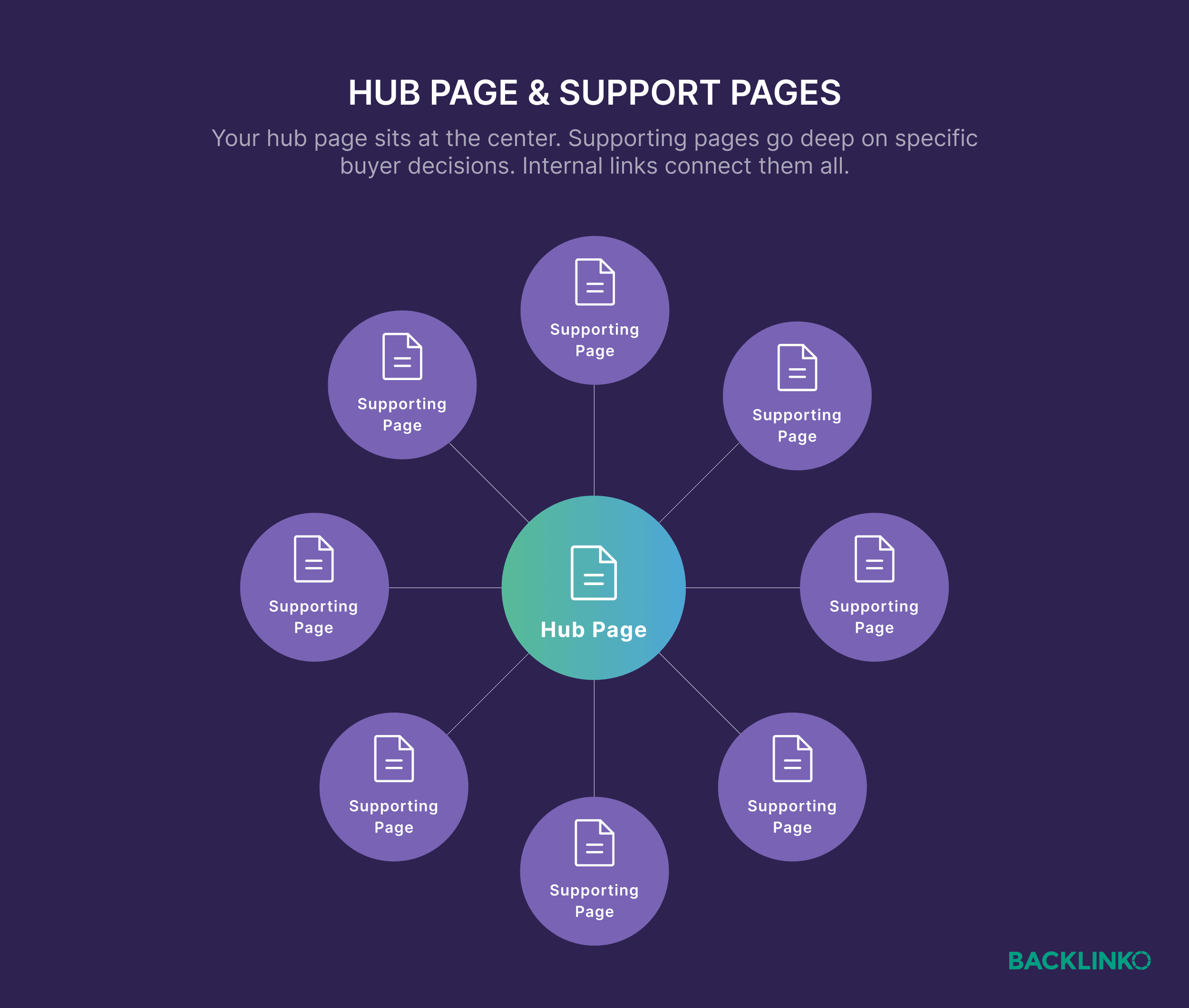
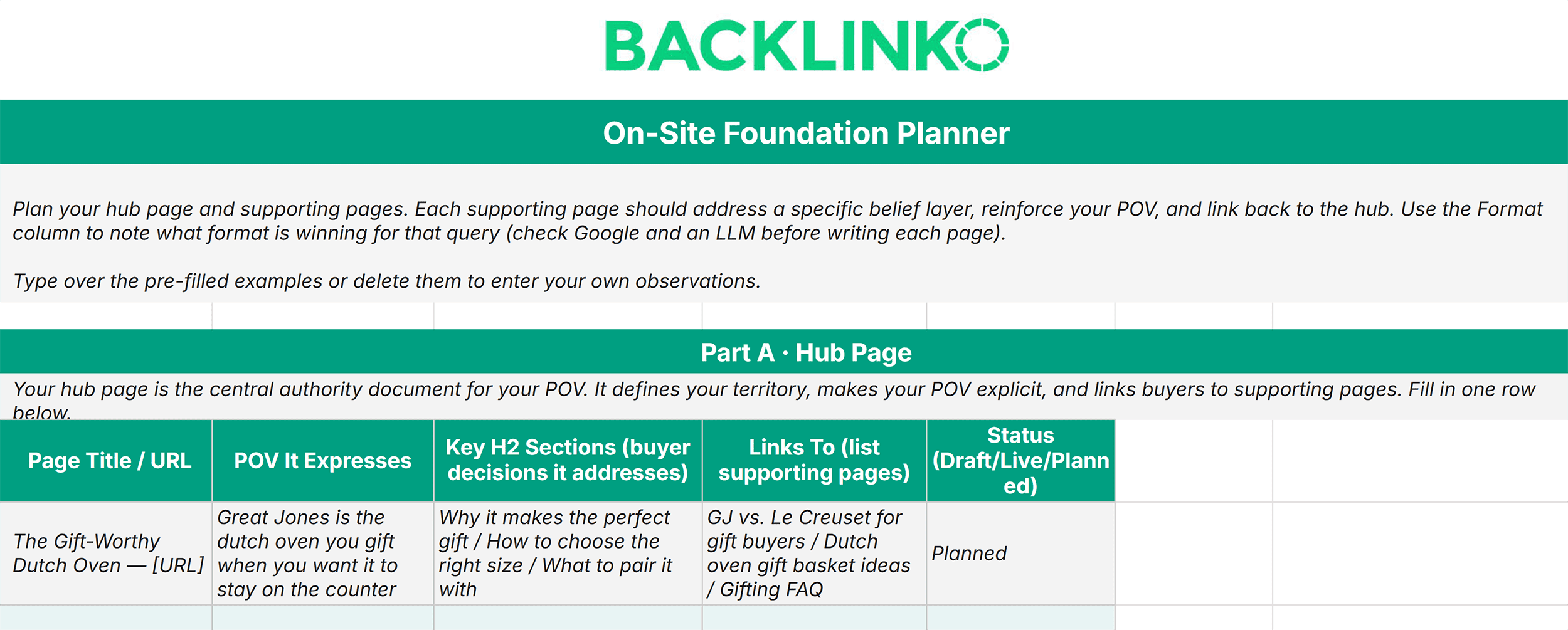
- Create a Hub Page for Your POV: This is the central document defining the topic, explaining its importance, and linking to deeper supporting content. For Great Jones, a "Dutch Oven Gifting Guide" hub page could link to the product page, gift basket ideas, a gifting FAQ, and a report on cookware gifting trends.
- Build Supporting Pages: These pages delve deeper into specific aspects of the POV, providing proof for different buyer journey stages. For Great Jones, this could include "Best Dutch Oven Accessories for Gifting," "Registry-Worthy Cookware: Why The Dutchess is a Top Pick," or "Sustainable Gifting: The Eco-Friendly Appeal of Great Jones Dutch Ovens."
- Structure Pages for Readers and Machines: Employ the inverted pyramid approach for content, leading with the most crucial information. Implement semantic HTML (e.g., schema markup for product reviews, FAQs, or gift guides), optimize title tags and meta descriptions, and ensure clear E-E-A-T signals (author bios, citations).
- Link Your Pages Strategically: Create a cohesive internal linking structure, connecting the hub page to all supporting pages and vice-versa. Use descriptive, keyword-rich anchor text (e.g., "our award-winning Dutch oven for gifting") to reinforce topical associations for search engines.
Step 6: Cultivating an Off-Site Proof System
On-site efforts must be complemented by external validation to truly influence AI search.
- Start with One Signature Proof Point: Develop an original, unique insight or piece of research related to your POV that others would want to reference. For Great Jones, this might involve analyzing their sales data to identify a surge in Dutch oven purchases before Mother’s Day, then publishing a "State of Mother’s Day Cookware Gifting Report."
- Distribute Your Proof Point Widely: Leverage four main channels:
- Earned Media: Pitch the report to lifestyle publications, food blogs, and gift guides.
- Owned Channels: Create blog posts, social media campaigns (e.g., "Gifting Made Easy with The Dutchess" on Instagram), and YouTube videos.
- Partner Channels: Collaborate with influencers, chefs, or gift curators who can naturally integrate the gifting POV. Great Jones’s existing collaborations with figures like Molly Baz offer a strong foundation for this.
- Paid Channels: Utilize targeted ads or sponsored content to amplify the message.
- Targeted Outreach: Identify specific publications, platforms (e.g., Reddit’s r/gifts, culinary forums), and communities where the insight is most relevant. This consistent external reinforcement builds the desired association in the collective digital consciousness.
Step 7: Continuous Monitoring and Progress Tracking
Building topical authority is an ongoing process that requires diligent tracking and adaptation. Brands should monitor progress at regular intervals (30, 60, 90 days) across all layers of the pyramid.
- Foundational Layer: Are You Showing Up More?
- Re-run the initial four query types to see if the brand appears unprompted more frequently.
- Monitor Google Search Console for rising impressions and clicks on relevant non-brand queries.
- Track keyword rankings and overall organic visibility for the target topic using tools like Semrush’s Position Tracking.
- POV Layer: Are You Being Described Correctly?
- Monthly, prompt LLMs with queries like "Dutch oven wedding gift" or "best Dutch oven to give as a gift" and analyze the language used.
- Employ sentiment analysis tools (e.g., Semrush’s Brand Monitoring) to track how the brand is described in reviews, comparisons, and listicles. Look for phrases like "a great house-warming gift," "splurge-worthy," or "the kind of gift that gets displayed."
- Proof Layer: Are Others Confirming Your POV?
- Set up Google Alerts for "[Your Brand] + [POV]" (e.g., "Great Jones Dutch oven gift").
- Track backlinks to the hub and supporting pages using tools like Semrush’s Backlink Audit.
- Actively monitor niche communities (Reddit, cooking forums) to see if buyers are recommending the brand for its POV without prompting.
- Assess if media mentions consistently frame the brand in relation to its chosen POV (e.g., a gift guide explicitly naming The Dutchess as the go-to wedding gift).
Building the Pattern That Wins in AI Search
The experience of Great Jones unequivocally demonstrates that a fantastic product and glowing traditional press are insufficient to secure topical authority in the age of AI. If search engines and large language models cannot form clear, consistent, and verifiable associations with a brand for a specific topic, online visibility will remain a challenge, regardless of critical acclaim.
However, this challenge is entirely surmountable. The Topical Authority Pyramid offers a robust framework for brands to systematically build these crucial digital signals:
- Foundational Authority: Build comprehensive and structured on-site content.
- POV Authority: Define a unique, authentic, and competitively viable point of view.
- Proof Authority: Generate and widely distribute external validation that reinforces that POV.
By meticulously following this framework, brands can establish themselves as undeniable experts in their chosen niches. Once the initial topic’s authority takes root, the process can be scaled to adjacent topics, continually deepening the brand’s expertise and expanding its digital footprint. Do this effectively, and search engines and LLMs will increasingly recommend the brand by default, transforming latent brand equity into tangible, high-value organic visibility and sales. For those seeking a repeatable method to monitor this AI visibility over time, comprehensive guides on AI visibility audits can provide step-by-step instructions.