The traditional process of taking a WordPress site live after a deal closes in Salesforce has long been characterized by a series of manual, sequential steps, often leading to delays and potential human error. Historically, once a sales opportunity in Salesforce reached its final stage, a dedicated developer would navigate to the appropriate client site within MyKinsta, initiate a backup of the staging environment, and then manually push that staging environment to production. This intricate dance required precise timing and coordination, acting as a bottleneck in the client onboarding and project delivery pipeline. However, a significant advancement in workflow automation, leveraging the Kinsta API, now allows for a seamless connection between these two critical business functions, transforming a previously labor-intensive process into an automated, instantaneous trigger.

This innovative integration means that deal approval in Salesforce can now automatically initiate the WordPress site launch. Instead of relying on a developer to meticulously execute each step, the entire deployment process springs into action the moment a Salesforce Opportunity reaches its designated target stage. This robust, API-driven solution fires a batch of MyKinsta tasks upon a Salesforce Opportunity update, effectively removing the need for manual intervention post-deal closure. The immediate benefits are multifaceted: businesses gain enhanced operational efficiency, significantly reduce the margin for human error, and most importantly, clients experience a dramatically faster transition from project approval to a fully live website, unhindered by inter-team handoffs or waiting periods.
The Inefficiency of Manual Deployments: A Persistent Challenge
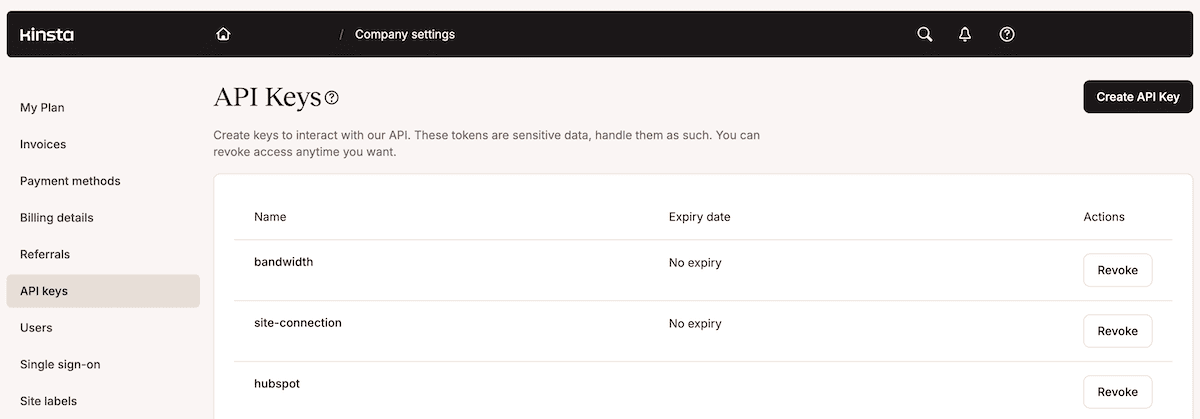
For years, web development agencies and businesses managing multiple client sites have grappled with the inherent inefficiencies of manual deployment workflows. After weeks or months of development and client feedback on a staging environment, the final push to production often becomes a point of friction. Industry data suggests that manual deployment processes can increase time-to-market by as much as 30% and contribute to up to 20% of all software-related errors. This is particularly critical in competitive markets where speed and reliability directly correlate with client satisfaction and retention. The scenario described – a developer needing to log into a hosting platform, locate the correct site, create a backup, and then push staging to production – is a common pain point that highlights the fragmentation between sales and technical operations.
This manual dependency not only consumes valuable developer time that could be better spent on innovation and core development but also introduces risks. A missed step, an incorrect selection, or a simple oversight during a busy period can lead to downtime, data loss, or a broken site, all of which carry significant financial and reputational costs. Furthermore, the delay between a "deal closed" status in the CRM and the actual "site live" moment can diminish the initial excitement for the client, impacting the perceived value and responsiveness of the service provider.
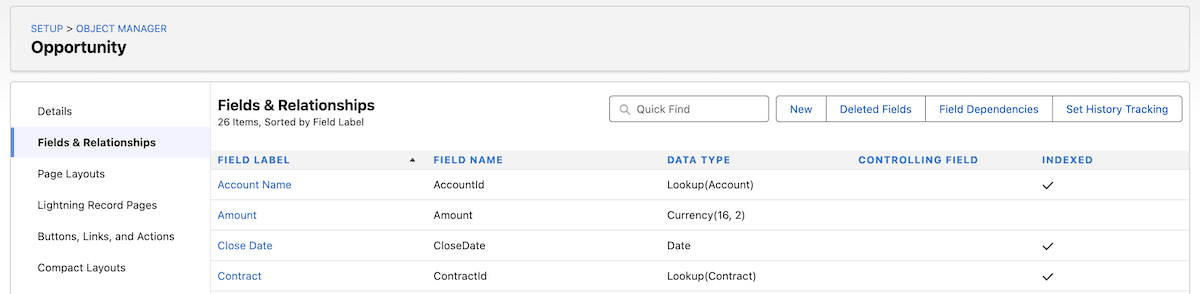
Bridging the Gap: The Kinsta API and Salesforce Flow Integration
The core of this automation lies in the strategic integration of the Kinsta API with Salesforce’s powerful Flow Builder and HTTP Callout capabilities. Salesforce, as the world’s leading customer relationship management (CRM) platform, serves as the central hub for sales processes and opportunity tracking. Kinsta, a premier managed WordPress hosting provider, offers robust infrastructure and, crucially, an extensive API that exposes its core functionalities programmatically. The solution leverages a Node.js middleware application to act as the intermediary, orchestrating the communication between these two powerful platforms.
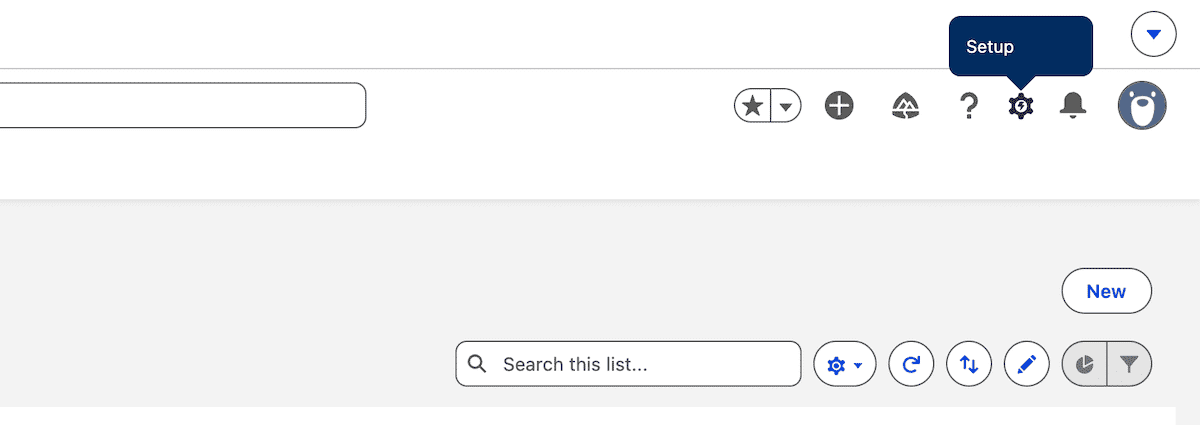
The high-level architecture involves a Salesforce Record-Triggered Flow that continuously monitors the status of Opportunity objects. When a predefined condition is met (e.g., the Opportunity Stage changes to "Closed Won" and a custom field for the Kinsta site ID is populated), the Flow executes an HTTP Callout. This callout targets the Node.js middleware, passing along essential data like the Kinsta site ID. The middleware, authenticated with the Kinsta API, then sequentially performs the necessary deployment actions: identifying environment IDs, initiating a staging backup, polling for backup completion, and finally, pushing the staging environment to production, including database and file synchronization with URL replacement.
The Implementation Process: A Step-by-Step Automation Blueprint
Implementing this automation requires careful configuration across both Salesforce and the Node.js middleware. The process is structured to ensure secure communication, efficient task execution, and robust error handling.
-
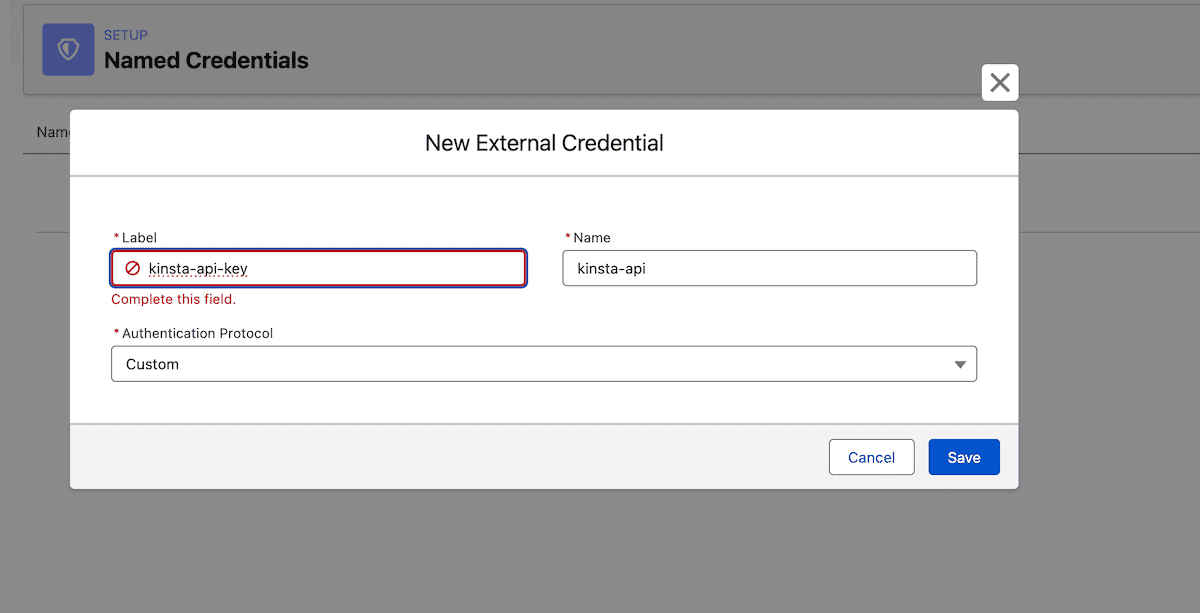
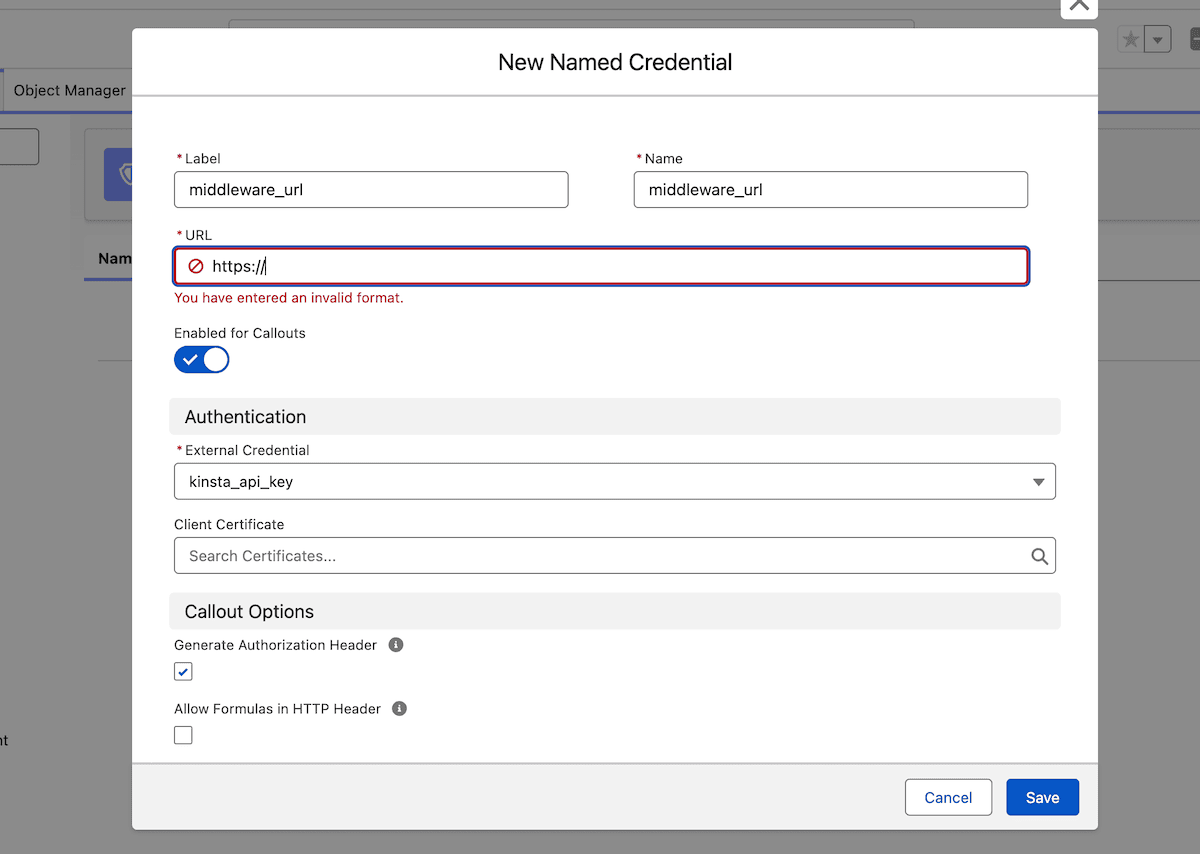
Salesforce Named Credential Setup: Security and authentication are paramount. Salesforce’s Named Credentials provide a secure way to store authentication details (like API keys) and define external endpoints without hardcoding sensitive information. An External Credential is created to hold the Kinsta API key as a custom Bearer token, linked to a Principal. A Named Credential then defines the middleware endpoint URL and references this External Credential, ensuring that every outbound HTTP callout from Salesforce includes the necessary API key for authentication with the Kinsta API via the middleware. User permissions are meticulously managed through Permission Sets, granting specific user profiles access to these external credentials.
-
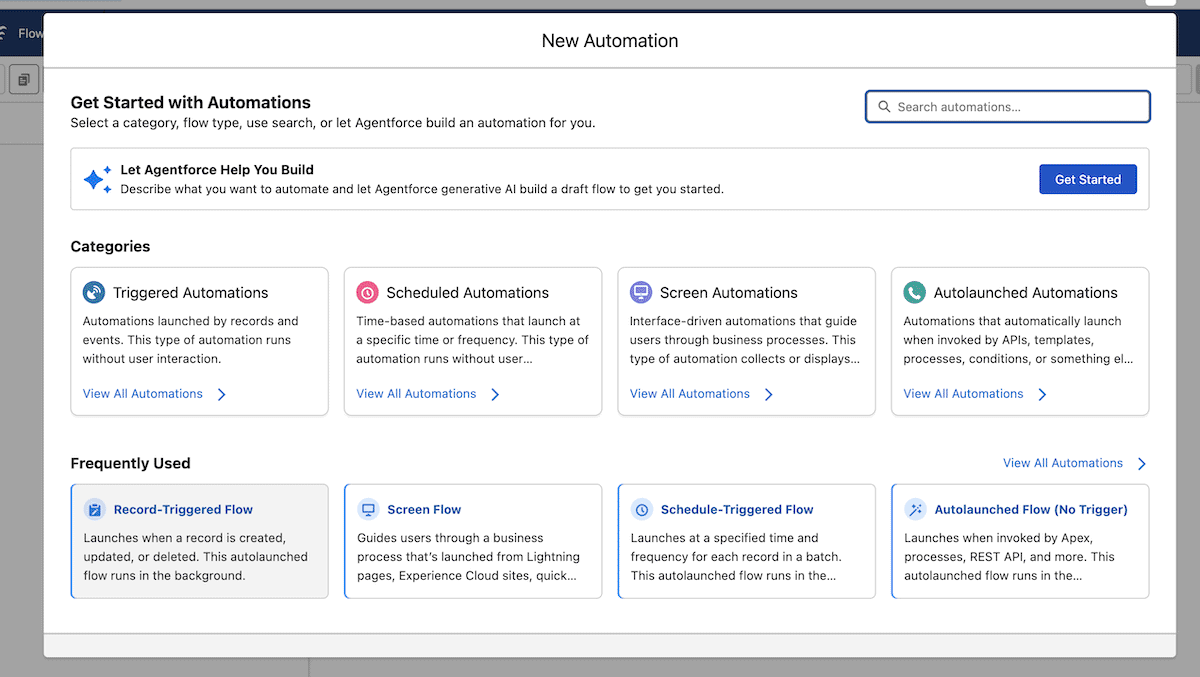
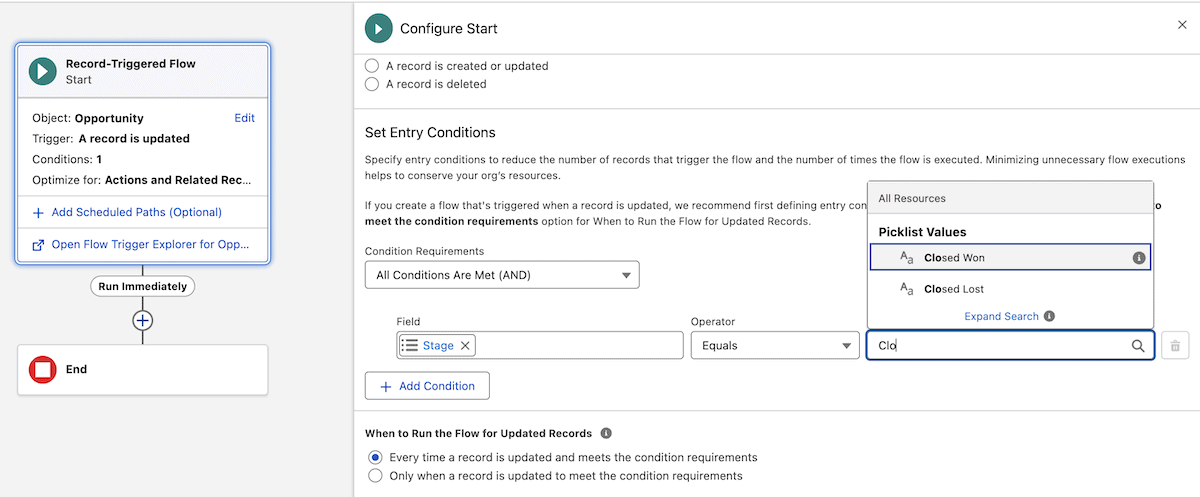
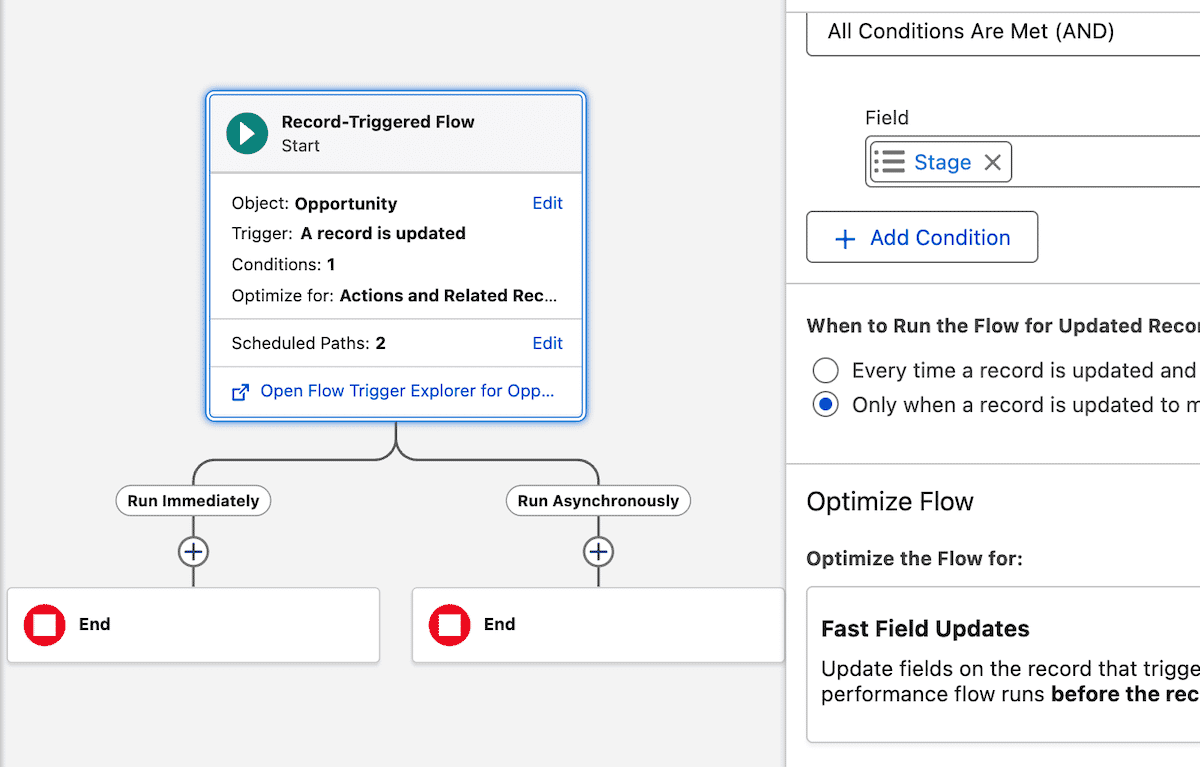
Record-Triggered Flow Configuration in Salesforce: The heart of the Salesforce-side automation is the Record-Triggered Flow. Initiated from the Salesforce App Launcher, a new Flow is configured to run specifically on the Opportunity object. Crucially, it is set to trigger "when a record is updated" and to run "only when a record is updated to meet the condition requirements." This prevents redundant deployments on subsequent saves. The flow’s entry conditions are defined to activate when the Opportunity’s
StageNameequals the target stage (e.g., "Closed Won") and when a custom field, previously created on the Opportunity object to store the Kinsta site ID (a UUID unique to each WordPress site hosted on Kinsta), is not null. Optimizing the flow for "Actions and Related Records" enables the "Add Asynchronous Path" option, which is vital. Salesforce mandates that HTTP callouts occur asynchronously, meaning they run after the triggering transaction has committed, ensuring data integrity within the CRM. -
HTTP Callout Action on Asynchronous Path: Within the asynchronous path of the Flow Builder, an "Action" element is added, specifically a "Create HTTP Callout." This callout is configured with the middleware endpoint URL (e.g.,
your-middleware-url.com/go-live) and uses the previously defined Named Credential for secure authentication. The HTTP method is set toPOST. An example JSON request body, containing thesite_id, is provided to define the data structure that Salesforce will send to the middleware. Similarly, an example JSON response is provided for Salesforce to understand the expected middleware acknowledgment. A "New Resource" is created within the Flow to dynamically construct the actual request body, mapping the Kinsta site ID from the Opportunity’s custom field to thesite_idparameter in the JSON payload.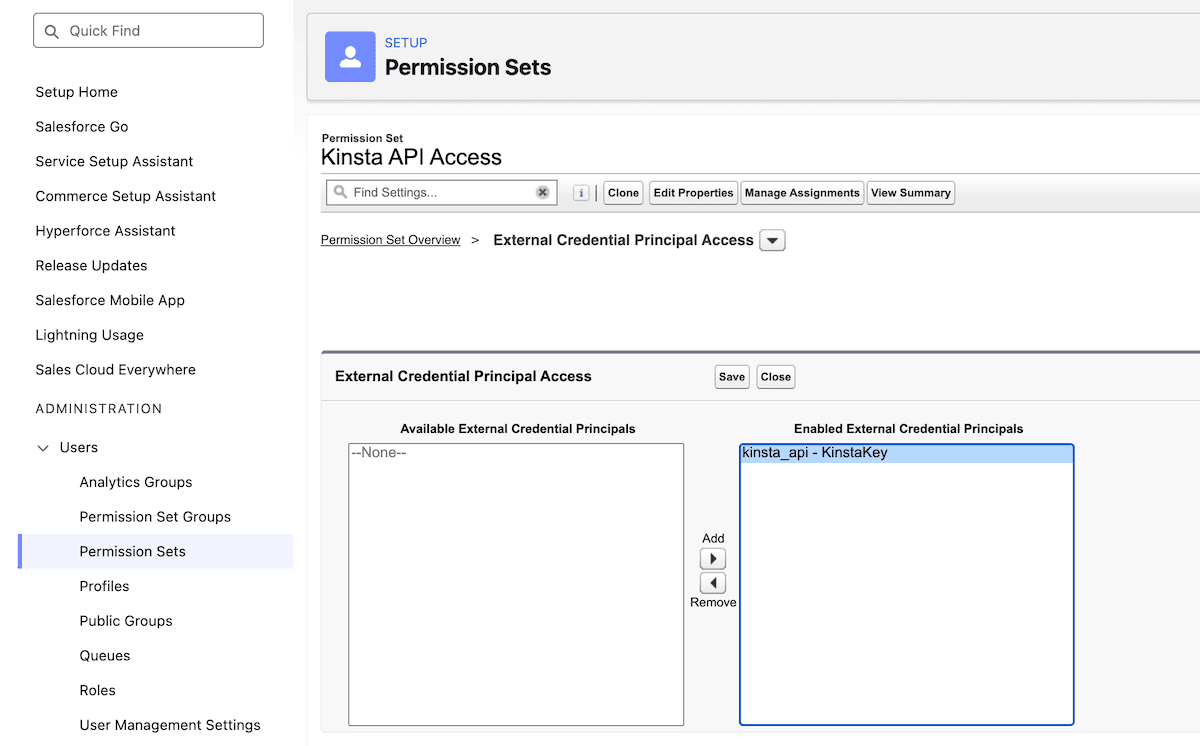
-
Node.js Middleware Development: The Node.js application serves as the intelligent bridge. Using
express.jsfor routing anddotenvfor secure environment variable management (like the Kinsta API key and Company ID), it exposes a/go-liveendpoint. This endpoint receives thesite_idfrom Salesforce. The middleware then makes a series of sequential calls to the Kinsta API:- Retrieve Environments: A
GET /sites/siteId/environmentscall identifies the specific staging and live environment IDs for the given site. - Create Staging Backup: Before any critical changes, a
POST /sites/environments/envId/manual-backupscall initiates a backup of the staging environment. This is a crucial safety measure, providing a restore point in case of unforeseen issues during the push. - Poll Operation Status: Kinsta API operations like backups and environment pushes are asynchronous. The middleware implements a
pollOperationfunction that repeatedly callsGET /operations/operationIdat regular intervals until the operation status is200(complete) or a timeout/failure occurs. This ensures that the push to production only proceeds after the backup is successfully finalized. - Push Staging to Production: Once the backup is confirmed, a
PUT /sites/siteId/environmentscall executes the core deployment. Thesource_env_id(staging) andtarget_env_id(live) are specified, along with flags topush_dbandpush_files. Critically,run_search_and_replace: trueensures that any hardcoded staging domain references within the WordPress database are automatically updated to the live domain, preventing broken links and functionality post-deployment. - Monitor Push Completion: Similar to the backup, the middleware polls the operation status of the push to production, confirming its successful completion.
- Retrieve Environments: A
Upon successful completion of all steps, the middleware logs the success and sends a 200 OK response back to Salesforce. Any errors encountered during the Kinsta API interactions are caught, logged, and result in a 500 error response, providing visibility into potential issues.
Benefits and Strategic Implications: A New Era of Efficiency
The automation of WordPress go-live from Salesforce offers profound benefits across the entire business ecosystem:
- Accelerated Time-to-Market: The most immediate impact is the dramatic reduction in the time it takes for a client’s website to go live. This swift transition from deal closure to operational presence is a significant competitive advantage, improving client satisfaction and allowing businesses to realize value faster.
- Reduced Operational Costs and Human Error: By eliminating manual steps, the solution frees up valuable developer resources, allowing them to focus on higher-value tasks rather than routine deployments. Simultaneously, it drastically minimizes the risk of human error, which can be costly in terms of downtime, data recovery, and reputational damage.
- Enhanced Scalability for Agencies: For web development agencies managing a growing portfolio of clients, this automation is a game-changer. It allows them to scale their operations without proportionally increasing their deployment workforce, making their service delivery more efficient and profitable. The Kinsta Agency Partner Program further supports this by providing robust infrastructure and dedicated support for agencies.
- Improved Client Experience: Clients benefit from a seamless and professional experience. The instantaneous site launch reinforces the agency’s responsiveness and technical prowess, building trust and fostering stronger relationships.
- Data-Driven Workflow Optimization: The integration provides a clear audit trail within Salesforce, linking deal progression directly to deployment status. This data can be used to further analyze and optimize sales-to-deployment workflows.
- Strategic API-First Approach: This solution exemplifies the power of an API-first strategy. By exposing core functionalities through APIs, platforms like Kinsta empower businesses to build custom integrations that precisely fit their unique operational needs, moving beyond rigid, out-of-the-box solutions.
According to a Kinsta spokesperson, "This integration represents a pivotal step in empowering our agency partners and clients to achieve unparalleled efficiency. We believe that by removing manual bottlenecks, businesses can focus more on innovation and client success, rather than administrative overhead. The Kinsta API is designed to be the backbone of such transformative workflows." Industry analysts concur, highlighting that such integrations are crucial for businesses striving for digital transformation. "The convergence of CRM and operational deployment tools via APIs is not just about efficiency; it’s about creating a more agile and responsive business model," stated a tech industry analyst.
Future Outlook and Broader Impact
The success of this integration points to a broader trend in enterprise software: the increasing demand for seamless, automated workflows that span across traditionally siloed departments. With platforms like Salesforce continuously evolving their automation capabilities (e.g., Headless 360, CLI access, MCP), the potential for further integration and automation grows exponentially. Developers can increasingly manage complex processes outside of graphical user interfaces, allowing for greater flexibility and programmatic control.
For businesses looking to implement such a middleware solution, deployment platforms like Sevalla offer an ideal environment for Node.js services. By pushing the project to a Git provider, connecting the repository, and configuring environment variables, the middleware can be quickly deployed and linked to the Salesforce HTTP Callout URL, completing the end-to-end automation.
In conclusion, the Kinsta API and Salesforce integration for automating WordPress site go-live represents a significant leap forward in operational efficiency for web development agencies and businesses. It transforms a historically manual, error-prone, and time-consuming process into a streamlined, automated workflow, directly contributing to faster client onboarding, reduced operational costs, and an elevated client experience. This robust solution not only optimizes current business practices but also sets a precedent for how future digital workflows will be designed and executed in an increasingly interconnected and API-driven world.
Related posts: