Apple Agrees to $250 Million Settlement Over Claims of Misleading Apple Intelligence Marketing and Siri Capabilities

Apple Inc. has reached a comprehensive $250 million settlement to resolve a consolidated class-action lawsuit alleging the technology giant engaged in deceptive marketing practices regarding its suite of artificial intelligence tools, collectively known as Apple Intelligence. The legal challenge, filed in the United States District Court for the Northern District of California, accused the Cupertino-based company of systematically overstating the capabilities and availability of its generative AI features to drive sales of its latest hardware, specifically the iPhone 15 and iPhone 16 series. According to court documents filed on May 5, 2026, the settlement aims to provide financial restitution to millions of American consumers who purchased eligible devices under what the plaintiffs described as a "false promise of a revolutionary AI experience" that failed to materialize in the advertised timeframe.
The settlement marks one of the most significant legal setbacks for Apple in recent years, highlighting the increasing scrutiny surrounding how major technology firms market generative AI capabilities. The agreement stipulates that U.S. residents who purchased an iPhone 15 Pro, iPhone 15 Pro Max, or any model within the iPhone 16 lineup between June 10, 2024, and March 29, 2025, may be eligible for a cash payment. While the final amount per user will depend on the total number of claims filed, legal experts estimate that individual payouts will range between $25 and $95. This settlement follows months of litigation that combined several independent class-action suits into a single, high-stakes legal battle.
The Core of the Dispute: Marketing vs. Reality
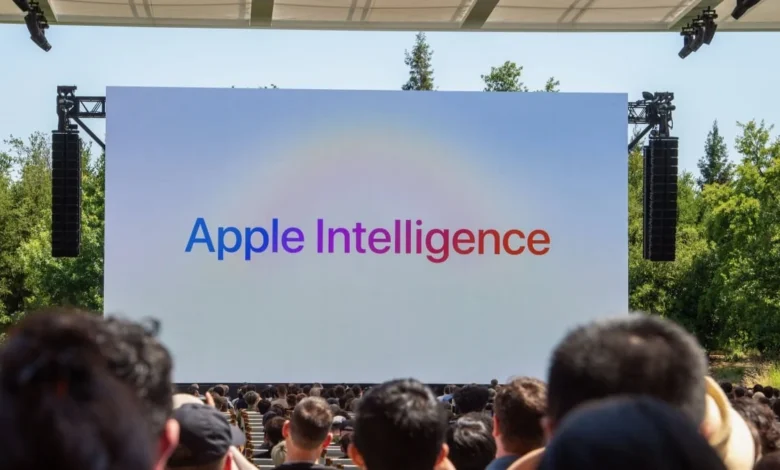
The genesis of the lawsuit can be traced back to June 2024, when Apple first unveiled "Apple Intelligence" during its Worldwide Developers Conference (WWDC). At the time, Apple marketed the platform as a deeply integrated, personal intelligence system that would transform the user experience through advanced language models, image generation, and a complete overhaul of its virtual assistant, Siri. Marketing materials prominently featured a "smarter, more conversational Siri" capable of understanding context, performing cross-app actions, and providing personalized assistance based on the user’s data.
However, the plaintiffs argued that when the iPhone 16 launched in September 2024, many of the most touted features were conspicuously absent. Consumers who upgraded to the new hardware specifically for the AI capabilities found that several core components—such as the revamped Siri and the "Image Playground" generation tool—were delayed or released in limited beta versions that did not meet the performance standards suggested by Apple’s high-production promotional videos. The lawsuit alleged that Apple intentionally obfuscated the rollout timeline to maintain a competitive edge during the critical fall sales window, effectively using "vaporware" features to justify the premium pricing of its latest handsets.
A Chronology of the AI Arms Race and Apple’s Response
To understand the weight of this settlement, it is necessary to examine the broader context of the Silicon Valley AI landscape. Since the public launch of ChatGPT in late 2022, the technology industry has been locked in an aggressive "AI arms race." While competitors like Google and Microsoft moved quickly to integrate large language models (LLMs) into their search engines and productivity software, Apple initially took a more conservative approach. CEO Tim Cook frequently emphasized a strategy of "deliberate innovation," focusing on privacy and on-device processing rather than rapid, cloud-based releases.
By 2024, however, market pressure reached a boiling point. Investors and consumers alike demanded an AI strategy from Apple. The June 2024 announcement was seen as the company’s definitive answer. Yet, as the lawsuit highlights, the technical hurdles of bringing sophisticated LLMs to a mobile device proved more formidable than the company’s marketing suggested. Reports indicated that Apple’s internal development of the "AI Siri" faced significant bottlenecks, leading to a two-year delay from the original internal targets. The updated version of Siri, which was a centerpiece of the 2024 marketing campaign, is now not expected to reach full functionality until WWDC 2026, nearly two years after it was first teased as a primary selling point for the iPhone 16.
Settlement Details and Consumer Impact
The $250 million settlement fund will be used to compensate eligible class members, cover attorney fees, and pay administrative costs associated with the distribution of funds. Under the terms of the agreement, which still requires final judicial approval, Apple has not admitted to any wrongdoing or legal violations. The company has consistently maintained that its marketing was aspirational and that software development is an iterative process subject to change.
In a statement provided to the New York Times following the filing, an Apple spokesperson defended the company’s decision to settle: "We resolved this matter to stay focused on doing what we do best, delivering the most innovative products and services to our users. Our commitment to Apple Intelligence remains unwavering, and we continue to roll out features that prioritize user privacy and utility."
For consumers, the settlement provides a rare opportunity for direct compensation regarding software-related marketing claims. Historically, class-action settlements involving tech hardware have focused on physical defects, such as the "Batterygate" controversy or the "Butterfly Keyboard" litigation. This case sets a new precedent by holding a company accountable for the discrepancy between the advertised capabilities of software-driven AI and the actual user experience at the time of purchase.
Legal Perspectives on AI Transparency
The legal team representing the consumers, led by the Clarkson Law Firm, framed the settlement as a victory for transparency in the emerging AI economy. Ryan Clarkson, the firm’s founder, emphasized that as AI becomes a central feature of consumer electronics, companies must be held to the same standards of truth-in-advertising as any other industry.
"We are proud to secure a historic settlement on behalf of consumers who should feel confident and protected when deciding where to spend their hard-earned dollars," Clarkson stated. "We are at an inflection point with AI, and the choices companies and regulators make now will shape how this technology impacts everyday people."
Clarkson also addressed the broader systemic issues involved in the case, particularly the use of mandatory arbitration clauses. He noted that many consumers are often unaware that by agreeing to a device’s terms of service, they may be waiving their right to sue in open court. "The balance of power between ordinary consumers and rich and powerful corporations depends on actions like this until political gridlock in Washington is cleared," Clarkson added, criticizing the "secret tribunals" that often shield corporations from public accountability.
Technical Implications and Future Outlook
The settlement comes at a delicate time for Apple’s software division. The company is currently preparing for its June 2026 developers conference, where it is expected to finally showcase the fully realized version of the AI-enhanced Siri. The delay has allowed competitors like Google, with its Gemini-powered Pixel devices, and Samsung, with its Galaxy AI suite, to gain a foothold in the "AI smartphone" category.
Industry analysts suggest that the $250 million payout, while a fraction of Apple’s quarterly revenue, serves as a warning shot to the entire industry. The Federal Trade Commission (FTC) has already issued warnings to tech companies about "AI washing"—the practice of overstating what AI products can actually do. This settlement provides a concrete financial metric for the risks associated with aggressive AI marketing.
As the settlement moves toward final approval, a dedicated website will be established to allow qualifying iPhone owners to submit claims. Automated notices are expected to be sent to users via email and through system notifications on eligible devices. For Apple, the focus now shifts to ensuring that the next wave of Apple Intelligence features meets the high expectations it has set for itself, as the company seeks to move past this legal hurdle and reclaim its position as a leader in consumer-facing artificial intelligence.
The resolution of this case underscores a growing demand for "AI literacy" among consumers and "AI honesty" among manufacturers. As the line between hardware and software continues to blur, the metrics for "product quality" are increasingly being defined by the reliability of the algorithms and the truthfulness of the promises made during the keynote address. For now, the $250 million settlement stands as a significant reminder that in the race to the future, the speed of marketing must not outpace the reality of the code.