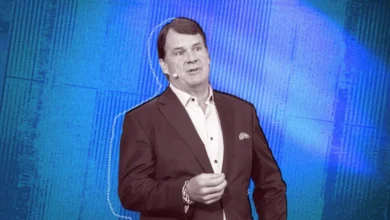
From Medical School to a 100 Million Dollar Snack Empire How Dr. Lior Lewensztain Scaled Thats it Through Radical Simplicity and Independence

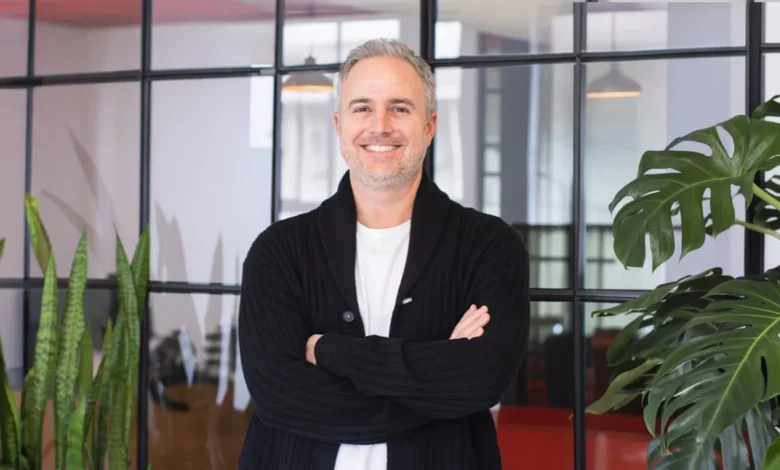
The genesis of the snack brand known as That’s it. can be traced back to a specific moment of academic realization in 2005. At the time, Dr. Lior Lewensztain was a medical student navigating the rigors of clinical education when he encountered a statistic that would ultimately reorient his career trajectory: only approximately one-third of the American population was meeting the recommended daily intake of fruit. This dietary deficiency, linked to various chronic health conditions, presented a public health challenge that Lewensztain believed could be addressed through the commercial market. Rather than pursuing a traditional clinical path, he began investigating the discrepancies between nutritional recommendations and the actual products available on supermarket shelves, leading to the discovery of a significant gap in the Consumer Packaged Goods (CPG) industry.
Upon analyzing the existing landscape of fruit-based snacks, Lewensztain observed that the majority of products marketed as "fruit snacks" were heavily processed. They frequently relied on fruit purees, concentrates, and "fruit leather" formulations that often included added sugars, preservatives, and stabilizing agents. There was a conspicuous absence of snacks that utilized real, whole fruit in its simplest form with minimal intervention. Driven by the ambition to practice preventative medicine on a systemic scale, Lewensztain pursued an accelerated MBA following his medical degree, seeking to bridge the gap between healthcare expertise and business scalability. This dual background provided him with a unique lens through which to view product development, focusing on the long-term health outcomes of consumers rather than merely following short-term flavor trends.
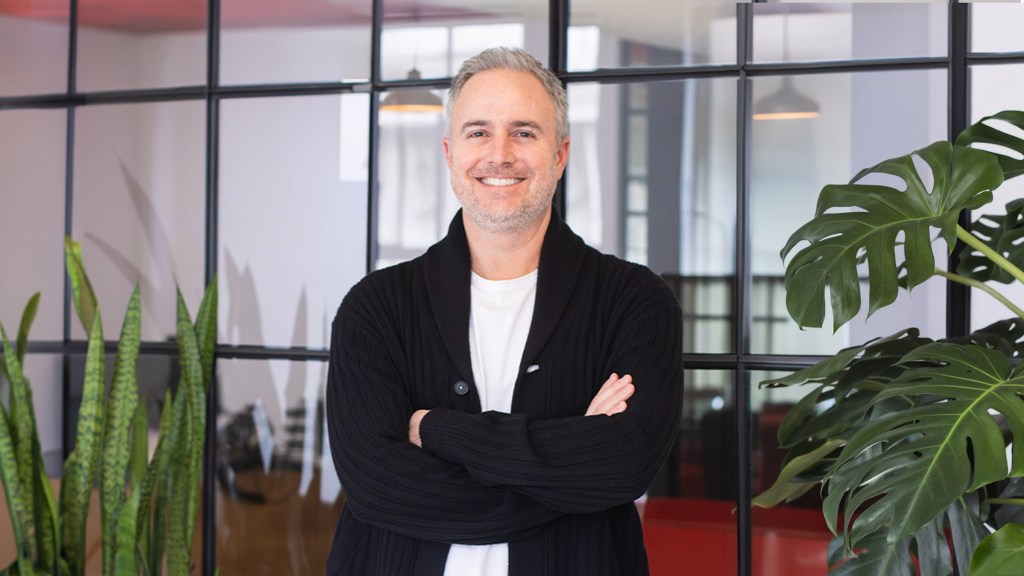
The Strategic Foundation and Early Market Validation
In 2012, Lewensztain officially founded That’s it. with a mission predicated on total transparency and radical simplicity. The brand’s name was chosen to reflect its ingredient list; the core product, a fruit bar, contained only two ingredients—two different types of fruit. To validate the concept without the immediate pressure of massive overhead, Lewensztain utilized a "bootstrapping" model, initially bringing his products to local farmers’ markets. This grassroots approach allowed for direct consumer feedback and confirmed that there was a robust appetite for snacks that eschewed the complexity of modern food processing.
The brand’s first major breakthrough occurred within months of its launch. That’s it. applied for a national rollout program hosted by Whole Foods Market, a retailer known for its stringent ingredient standards. Out of a vast pool of applicants, Lewensztain’s brand was one of only four selected for the program. This partnership served as a critical endorsement, providing the brand with the necessary shelf space and visibility to attract a broader demographic. However, the transition from local markets to a national retail giant presented a steep learning curve. Lewensztain has since noted that navigating the complexities of manufacturing and supply chain management required significant agility, as the brand had to maintain the integrity of its "fruit-only" promise while scaling production to meet national demand.
Navigating the Challenges of Rapid Scaling and Distribution
The success at Whole Foods acted as a catalyst for further expansion into the mainstream retail sector. Following its initial success, That’s it. secured distribution deals with major entities including Target, Starbucks, and eventually big-box retailers like Costco, Sam’s Club, and Walmart. The brand also expanded its reach into the travel sector, securing a presence on American Airlines flights, and established a strong digital footprint through its direct-to-consumer website and Amazon.
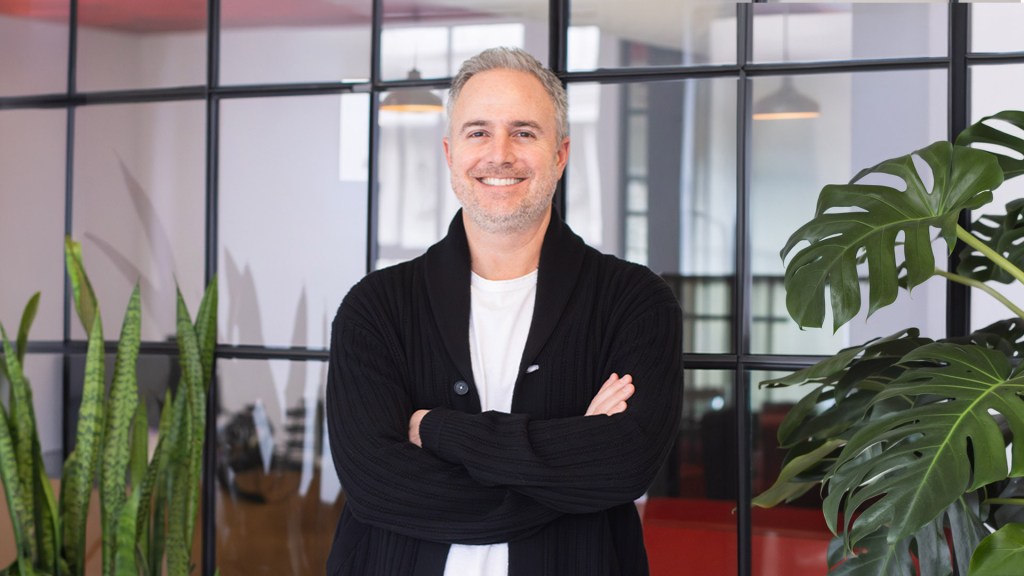
A significant inflection point for the company occurred during the COVID-19 pandemic. As global health concerns escalated, consumer behavior shifted toward a heightened awareness of nutritional labels and ingredient sourcing. This "health-conscious" shift played directly into the brand’s existing strengths. While many CPG companies struggled with supply chain disruptions and shifting consumer loyalties, That’s it. saw accelerated growth. Today, the company reports annual revenues exceeding $100 million, a milestone achieved while maintaining a relatively lean corporate structure compared to venture-backed competitors.
The Choice of Financial Independence Over Venture Capital
One of the most distinctive aspects of That’s it.’s corporate history is its avoidance of the traditional venture capital (VC) route. Approximately nine years ago, the company accepted a small, undisclosed amount of capital, but Lewensztain made a conscious decision to remain independent. In the CPG world, where rapid "blitzscaling" fueled by external investment is common, this path is often viewed as more difficult but ultimately more rewarding for the founder’s vision.
By opting out of the VC cycle, Lewensztain retained full control over the brand’s infrastructure and product standards. This independence meant that every cent of revenue had to be meticulously managed and reinvested into the business to fuel growth. This fiscal discipline has allowed the company to resist market pressures that might have forced it to compromise on ingredient quality to increase profit margins. Lewensztain argues that this autonomy was essential to ensuring the brand remained true to its "medical" roots—prioritizing the nutritional value of the product over the aggressive growth metrics often demanded by outside investors.
Innovation Driven by Brand Integrity: Fiber vs. Protein
Innovation in the crowded CPG space is often synonymous with following the latest dietary trends. For several years, the American market has been dominated by a "protein obsession," leading to an influx of protein-fortified snacks and bars. Despite frequent consumer requests for a protein-packed bar, Lewensztain refused to follow the trend. He concluded that adding protein isolates to his flagship fruit bars would contradict the brand’s core identity of "whole fruit simplicity." Furthermore, he noted that the market was already saturated with protein options, and adding another would not provide unique value to the consumer.
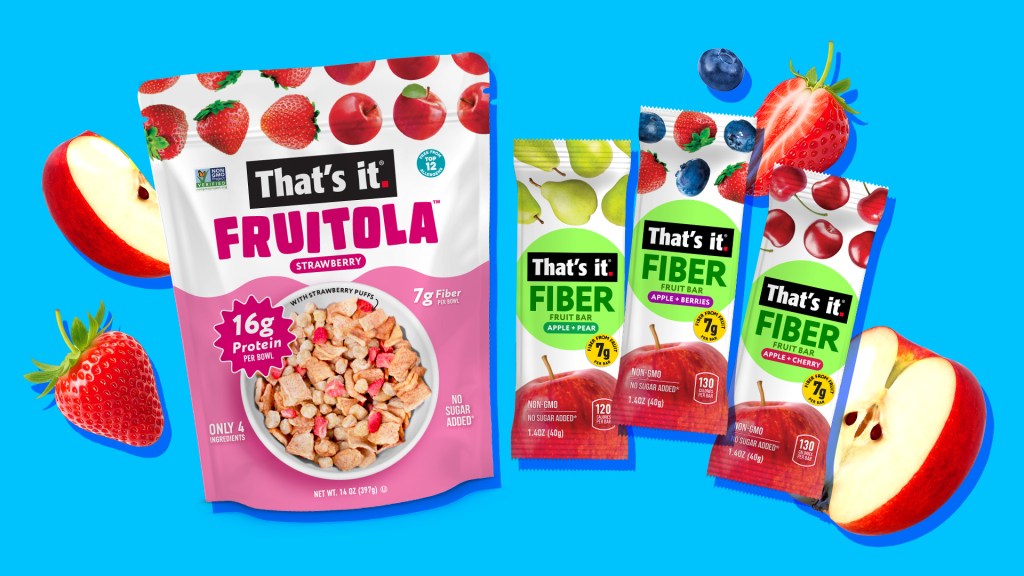
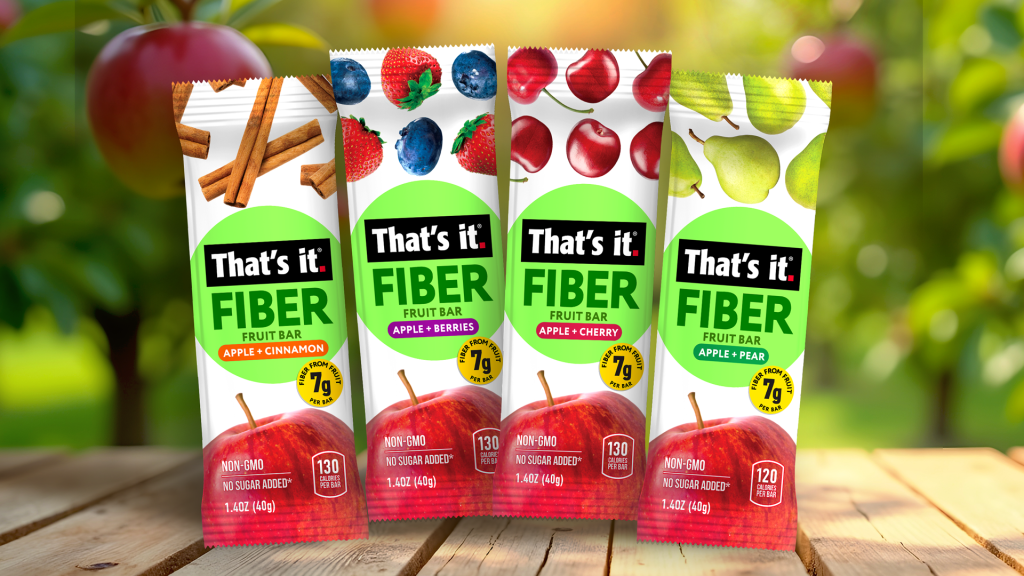
Instead, That’s it. turned its attention to fiber, a nutrient that is naturally abundant in fruit but significantly lacking in the standard American diet. This decision aligned with the emerging "fibermaxxing" trend, a movement encouraging high fiber intake for digestive health and metabolic benefits. The brand recently launched a new fiber bar that provides elevated fiber content derived entirely from fruit, rather than synthetic or extracted fiber additives common in other "high-fiber" snacks. According to Lewensztain, fruit-derived fiber is easier for the body to process and provides more comprehensive wellness benefits.
The company’s commitment to innovation also led to the creation of "Fruitola," a snack blend that combines the fiber from fruit with plant-based protein. This product represents the brand’s effort to meet consumer demand for protein while staying within the boundaries of plant-based, recognizable ingredients. By focusing on "newness" rather than "copycatting," the brand has managed to evolve its product line without diluting its original mission.
Broader Impact and the Future of the Clean Label Movement
The impact of That’s it. is measurable not just in dollars, but in nutritional reach. Last year, the company served 250 million servings of fruit to consumers. The target for the current year is to exceed 350 million servings, while also delivering over a billion grams of dietary fiber. These figures highlight the brand’s role in addressing the very statistic that inspired Lewensztain in medical school nearly two decades ago.
As the CPG industry moves toward the "Clean Label" movement—characterized by shorter ingredient lists, no artificial additives, and transparent sourcing—That’s it. finds itself in a leadership position. While other legacy brands are currently scrambling to reformulate their products to remove "ultra-processed" ingredients, Lewensztain’s products have remained largely unchanged since 2012. Most products in the line-up contain between one and five ingredients, a rarity in a market where the average snack bar often contains twenty or more.
Industry analysts suggest that the success of That’s it. serves as a case study for the "health-as-a-service" business model. By leveraging a medical background to build a consumer brand, Lewensztain has demonstrated that there is a sustainable, high-growth market for products that treat nutrition as a form of preventative care. As younger generations, particularly Gen Z and Millennials, continue to prioritize ingredient transparency and "better-for-you" options, the brand is well-positioned for continued dominance in the healthy snacking category. For Dr. Lewensztain, the transition from the exam room to the boardroom has allowed him to fulfill his original goal: helping millions of people develop better eating habits through snacks that are as nutritious as they are accessible.