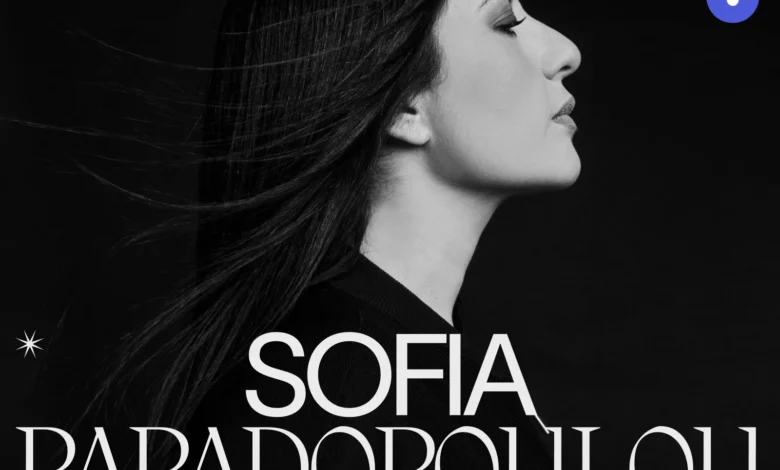
The trajectory of modern digital design is often defined by a shift from static representation to immersive, multi-sensory experiences. Sofia Papadopoulou, a Digital Art and Creative Director with nearly two decades of experience, exemplifies this evolution. Currently serving as the Design Director at VML Tech & Commerce in Dubai, Papadopoulou’s career represents a bridge between traditional fine arts and the cutting edge of immersive technology. Her professional narrative, spanning 18 years, highlights a broader industry trend where the boundaries between human creativity and machine-driven augmentation are increasingly blurred.
From Fine Arts to the Digital Canvas
The foundation of Papadopoulou’s creative philosophy lies in the traditional arts. Growing up in a working-class environment, her early inclinations were toward painting and physical sketching. However, the economic realities of the late 20th and early 21st centuries prompted a strategic pivot toward graphic design—a field that offered a more sustainable professional path while retaining the core tenets of visual communication. This transition was marked by her admission into the Graphic Design Department at the Technological Institution of Athens, a move that would eventually lead her from the local advertising landscape of Greece to the global stage of digital innovation.
Papadopoulou’s early career was characterized by seven years in the traditional advertising sector. This period provided the rigorous training necessary for understanding brand strategy and audience engagement. However, the rise of the internet as a primary medium for brand storytelling necessitated a second evolution. Moving into freelance work, she began to focus exclusively on web and brand design, recognizing that the "canvas" for creativity was shifting from print to the interactive screen. This period saw her collaborating with high-profile international agencies, including Superhero Cheesecake, Territory Studio, and UNIT9, as well as various global startups.
The Strategic Humanization of Brands
One of the most significant milestones in Papadopoulou’s portfolio is her work on the "Dot Lung" project. This initiative was instrumental in establishing her reputation within the international digital branding scene. The project underscored a core principle of her design methodology: the humanization of digital identities. By assigning human qualities to a brand—determining how it would look, sound, and behave if it were a person—Papadopoulou argues that designers can create a deeper emotional resonance with the audience.
This approach was further refined in her work for Terradactyl, a boutique Quality Assurance (QA) agency. Tasked with building a brand from the ground up, including the logo, narrative, and art direction, Papadopoulou focused on reflecting the agency’s technical sophistication through a creative lens. The project demonstrated that even highly technical, "behind-the-scenes" services like software testing could benefit from a strong, aesthetically driven identity. The success of these projects is reflected in the numerous accolades she has received, including recognition from Awwwards, CSS Design Awards (CSSDA), Art Directors Club of Europe (ADCE), and the Lovie Awards.
Immersive Design and the Metaverse Advisory Department
As digital experiences moved beyond two-dimensional screens, Papadopoulou transitioned into immersive design. Her role as Creative Director for the Metaverse Advisory Department (M.A.D.) at UNIT9 represents a pinnacle of this transition. This department served as a strategic hub for global tech giants like Meta and Google, providing guidance on how to integrate immersive technologies into their products and activations.

Papadopoulou was responsible for designing the visual identity of M.A.D., opting for a brutalist, digitally driven aesthetic that mirrored the experimental and edgy nature of the department. This work highlights a critical shift in the industry: the move from designing for "users" to designing for "participants" within a three-dimensional digital environment. The visual language of the Metaverse Advisory Department was intended to reflect the synergy between human intuition and technological innovation, a theme that remains central to her current work.
The Concept of the Digital Double
A recurring theme in Papadopoulou’s recent explorations is the concept of the "digital double." In her personal branding and website iterations, she has experimented with the idea of an augmented self. This concept posits that in a digital world where the constraints of biology and physics are removed, the human form can be amplified rather than replaced.
Papadopoulou views the relationship between humanity and technology as a force of empowerment. Her work suggests that technology should not be a substitute for human creativity but an "augmented" version of it. This philosophy is particularly relevant in the current era of Artificial Intelligence (AI) and generative design, where fears of human obsolescence are prevalent. By positioning technology as a tool for amplification, she advocates for a future where designers leverage machine capabilities to push the boundaries of what is possible in visual and sensorial communication.
Leadership and Global Influence in Dubai
Papadopoulou’s current role as Design Director at VML Tech & Commerce in Dubai places her at the center of one of the world’s fastest-growing tech hubs. The Middle East, and Dubai in particular, has seen a massive influx of investment in digital transformation and the experience economy. Leading a team of designers in this environment requires a blend of aesthetic sensibility and strategic foresight.
Her leadership extends beyond the corporate boardroom into the realm of education. Through her "Art Direction & Design Leadership" course on the Awwwards Academy, she mentors the next generation of creatives. This commitment to "giving back" is a reflection of her belief that the industry thrives on the exchange of insights and the constant evolution of tools and techniques. Her teaching emphasizes the importance of evolving alongside technology, urging designers to view new mediums not as threats, but as expanding canvases.
Supporting Data and Industry Context
The evolution of Sofia Papadopoulou’s career mirrors broader statistics within the creative economy. According to industry reports, the global digital advertising and design market has seen consistent growth, with a significant shift toward immersive and interactive media. The "experience economy" is projected to continue its expansion, with brands increasingly prioritizing holistic digital journeys over isolated touchpoints.
Furthermore, the prestige of the awards Papadopoulou has won—such as the Awwwards and the Lovies—serves as a benchmark for excellence in the field. The Awwwards, for instance, evaluates projects based on design, usability, creativity, and content, with a jury of international experts. Her involvement as both a winner and a judge in these organizations underscores her influence on global design standards.

Analysis of Broader Implications
The professional journey of Sofia Papadopoulou provides a case study in adaptability. Her transition from painting to graphic design, then to web design, and finally to immersive, three-dimensional environments illustrates the necessity of lifelong learning in the digital age.
The implications of her work suggest that the future of design is inherently "sensorial." As technology enables more sophisticated haptic feedback, spatial audio, and visual fidelity, the role of the designer will expand to encompass the orchestration of entire sensory experiences. Papadopoulou’s realization—that despite the change in tools and canvases, the core goal remains emotional resonance—serves as a guiding principle for the industry.
Moreover, her focus on "augmented creativity" offers a constructive path forward in the face of rapid AI development. Rather than viewing machines as competitors, her work demonstrates how they can be used to "beautify the audience journey" and "uncomplicate" complex brand narratives. This synergy between human strategic thinking and machine efficiency is likely to be the defining characteristic of the next decade of digital design.
Conclusion and Future Outlook
Sofia Papadopoulou’s 18-year career is a testament to the power of evolution in the creative arts. From her early days carrying brushes in Athens to leading a high-level design team in Dubai, she has consistently moved toward the frontier of what is possible in visual communication. Her work with agencies like UNIT9 and VML, and her contributions to branding for entities like Terradactyl and Dot Lung, reflect a deep understanding of how brands must adapt to connect with modern audiences.
As the industry looks toward the future, the integration of immersive technology and the human-centric approach championed by Papadopoulou will be paramount. The "digital double" is no longer a science fiction concept but a burgeoning reality in how individuals and brands represent themselves online. By maintaining a focus on "visual and sensorial communication," Papadopoulou ensures that her work—and the work of those she leads—remains grounded in the fundamental human need for connection, even as the tools of that connection become increasingly sophisticated.