Web Agencies Transform Scaling Challenges into Strategic Advantage Through Automated Kinsta-Trello Integration

For modern web agencies, the pursuit of rapid growth often presents a paradoxical challenge: scaling too quickly without robust operational frameworks can swiftly devolve into a logistical nightmare. This phenomenon frequently manifests as an overwhelming surge in repetitive administrative and technical tasks, leading to the rapid exhaustion of available resources, fragmented workflows, inefficient processes, and a palpable decline in team morale. In an era where digital demands are constantly escalating, simply working harder is no longer a sustainable strategy; instead, a fundamental shift towards working smarter through strategic automation has become not merely a luxury, but a critical requirement for both survival and sustained success.

The Unseen Costs of Rapid Expansion: Information Silos and Operational Bottlenecks
The core dilemma for many expanding web agencies lies in the inherent disconnect between their technical infrastructure and their project management systems. Imagine the typical onboarding ritual for a new client website: a project manager manually creates and configures a Trello board, meticulously populating checklists for every task, from DNS setup to SEO optimization. This initial manual overhead is then compounded by the daily grind of maintenance – a barrage of repetitive checks and tasks performed to ensure client sites run smoothly, resource usage remains within plan limits, and updates are applied without error. In a traditional manual workflow, this necessitates logging into multiple dashboards and platforms merely to verify basic metrics like bandwidth consumption or disk space availability.
As an agency accumulates more client projects, the probability of human error escalates dramatically. This manual burden often leads to "monitoring fatigue," a state where critical alerts might be overlooked due to the sheer volume of information or the tedious nature of its retrieval. The lifecycle of a client site, from initial development to ongoing maintenance, demands constant organizational coordination. Yet, the pervasive issue of "information silos" — isolated ecosystems where data from hosting and management tools do not flow freely — undermines this coordination. Information only moves if an individual remembers to check a specific metric and manually relay it, perhaps via a Slack message or email. For instance, if a website approaches its resource limit but the developer fails to promptly update the project manager, the result is an inevitable cascade of inefficiencies, delays, potential downtime, and ultimately, client dissatisfaction. Industry data consistently highlights that poor communication and inefficient processes are major contributors to project delays and failures, costing businesses billions annually in lost productivity and rework. Modern, growth-oriented agencies simply cannot afford to rely on such manual coordination; communication must flow seamlessly and automatically from the infrastructure layer (e.g., Kinsta hosting) directly to the project management tool (e.g., Trello). This is precisely where powerful APIs, such as the Kinsta API, become invaluable, transforming raw hosting data into actionable intelligence for project managers and technical teams alike.
A Paradigm Shift: Smarter Growth Through Automation
The transition from reactive problem-solving to proactive management is a hallmark of successful scaling. This paradigm shift, advocating for "working smarter, not harder," positions automation as a cornerstone of operational excellence. Automation, in this context, is the strategic deployment of technology to execute routine, repetitive tasks, freeing up valuable human capital to focus on complex problem-solving, creative endeavors, and strategic growth initiatives. For web agencies, this means transcending the traditional operational model where growth equates to merely adding more staff to manage an increasing workload. Instead, it involves optimizing existing resources and workflows to handle greater volumes with the same or even fewer manual inputs.
The immediate implication of this approach is a significant reduction in operational overhead. By eliminating manual data entry, cross-platform checks, and redundant communication, agencies can drastically cut down on labor costs associated with repetitive tasks. Furthermore, automation inherently reduces the risk of human error, leading to higher quality outputs and more reliable service delivery. This directly translates to improved client satisfaction and stronger client retention rates, which are vital for sustainable business expansion. The psychological impact on teams is equally profound: by removing monotonous tasks, automation combats demotivation and burnout, allowing team members to engage in more stimulating and impactful work, fostering a culture of innovation and continuous improvement.
Bridging the Divide: Kinsta API and Trello Integration
The strategic integration of infrastructure and management tools is the practical manifestation of the "working smarter" philosophy. Kinsta and Trello emerge as ideal candidates for such an integration, primarily due to their robust and accessible Application Programming Interfaces (APIs). Kinsta, renowned for its premium managed WordPress hosting, offers a powerful API that provides programmatic access to a wealth of hosting data and management functionalities. Trello, a widely adopted visual project management tool, similarly provides an extensive API that allows for the creation, modification, and organization of boards, lists, and cards. This synergistic relationship between Kinsta’s technical backend and Trello’s organizational frontend allows agencies to construct a custom, automated synchronization layer that bridges the historical gap between site infrastructure and project management.
By integrating Kinsta and Trello, an agency effectively transforms raw performance metrics and site status updates from MyKinsta into actionable insights directly within Trello. This eliminates the need for manual data transfer, reduces the likelihood of missed steps, minimizes administrative overhead, and ensures that developers’ valuable time is spent on development rather than repetitive reporting. The choice of GitHub Actions as the orchestration layer further enhances this setup, providing a reliable, version-controlled, and scheduled environment for executing the automation scripts. GitHub’s integrated CI/CD capabilities mean that these automation scripts can be developed, tested, and deployed with the same rigor as any other codebase, ensuring their stability and maintainability.
The Technical Blueprint: Building the Automated Synchronization Layer
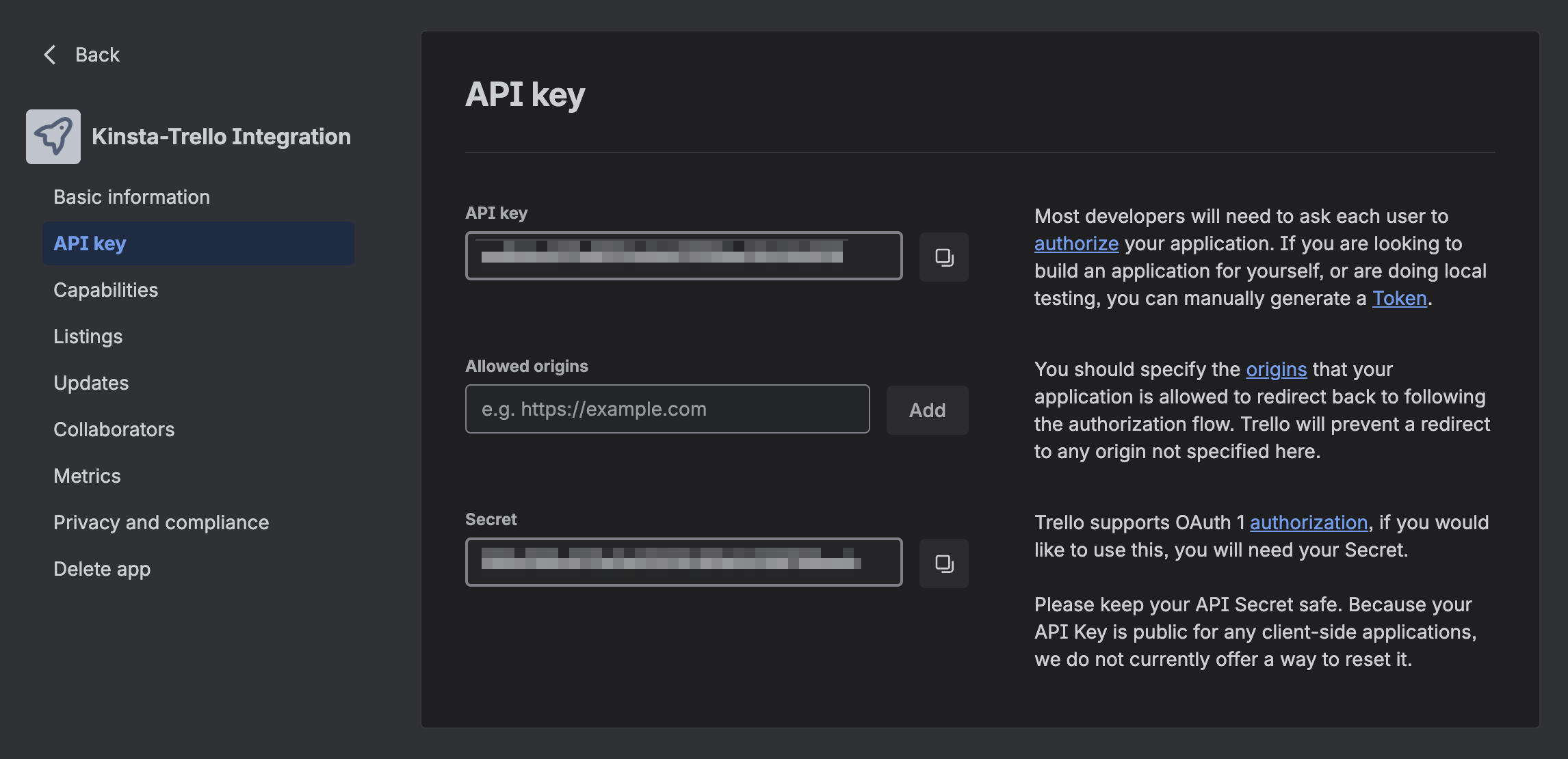
The implementation of this automated system involves a series of foundational technical steps, designed for security, efficiency, and scalability. The process begins with securing API access for both Kinsta and Trello, a critical measure that enables programmatic interaction while safeguarding sensitive credentials.
-
API Key Generation:
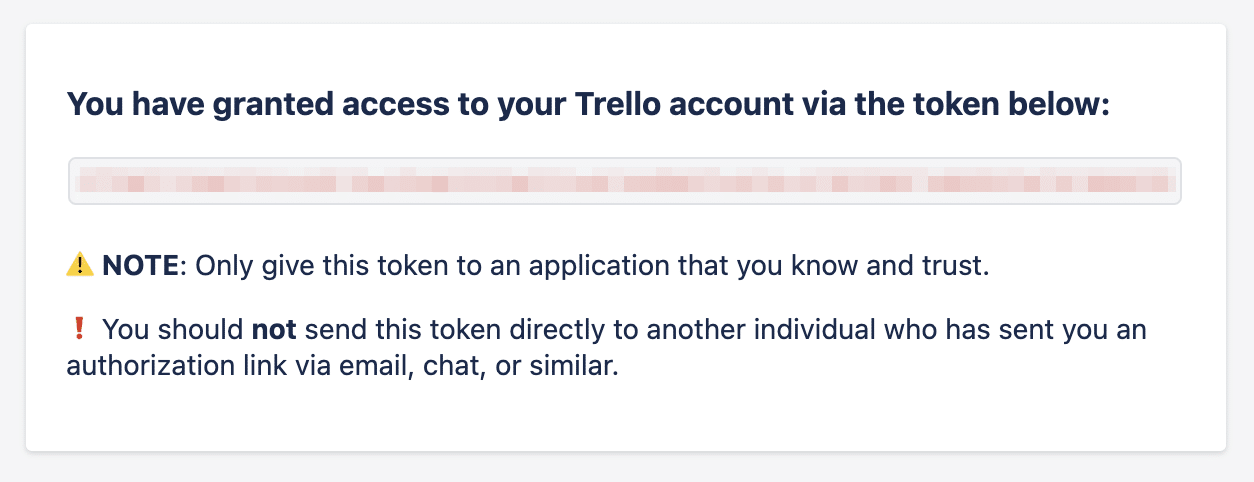
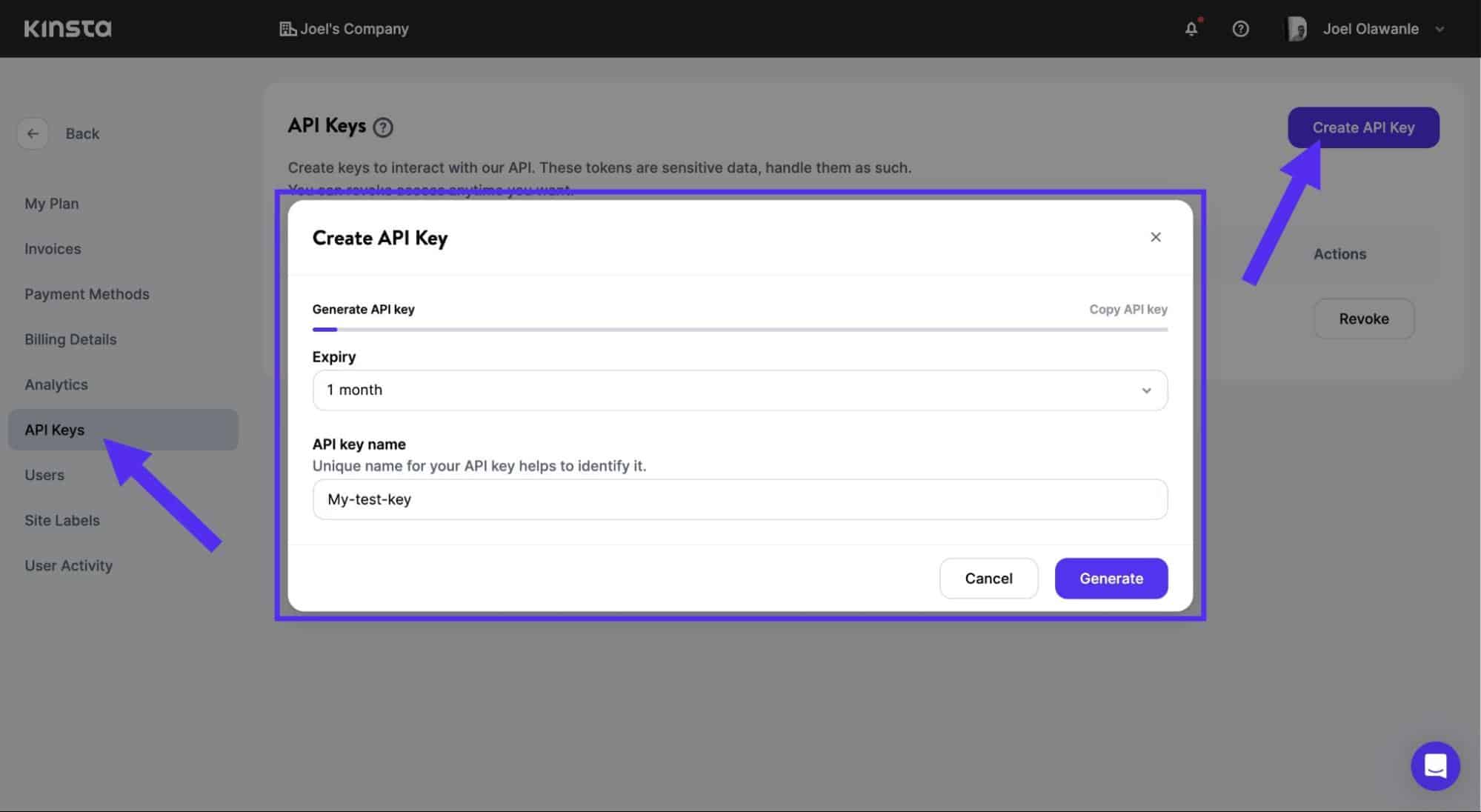
- Kinsta API Key: Agencies generate a Kinsta API key through the MyKinsta dashboard. This key serves as the authentication credential for interacting with Kinsta’s hosting services programmatically. Emphasis is placed on secure storage, as the key is only visible once upon creation.
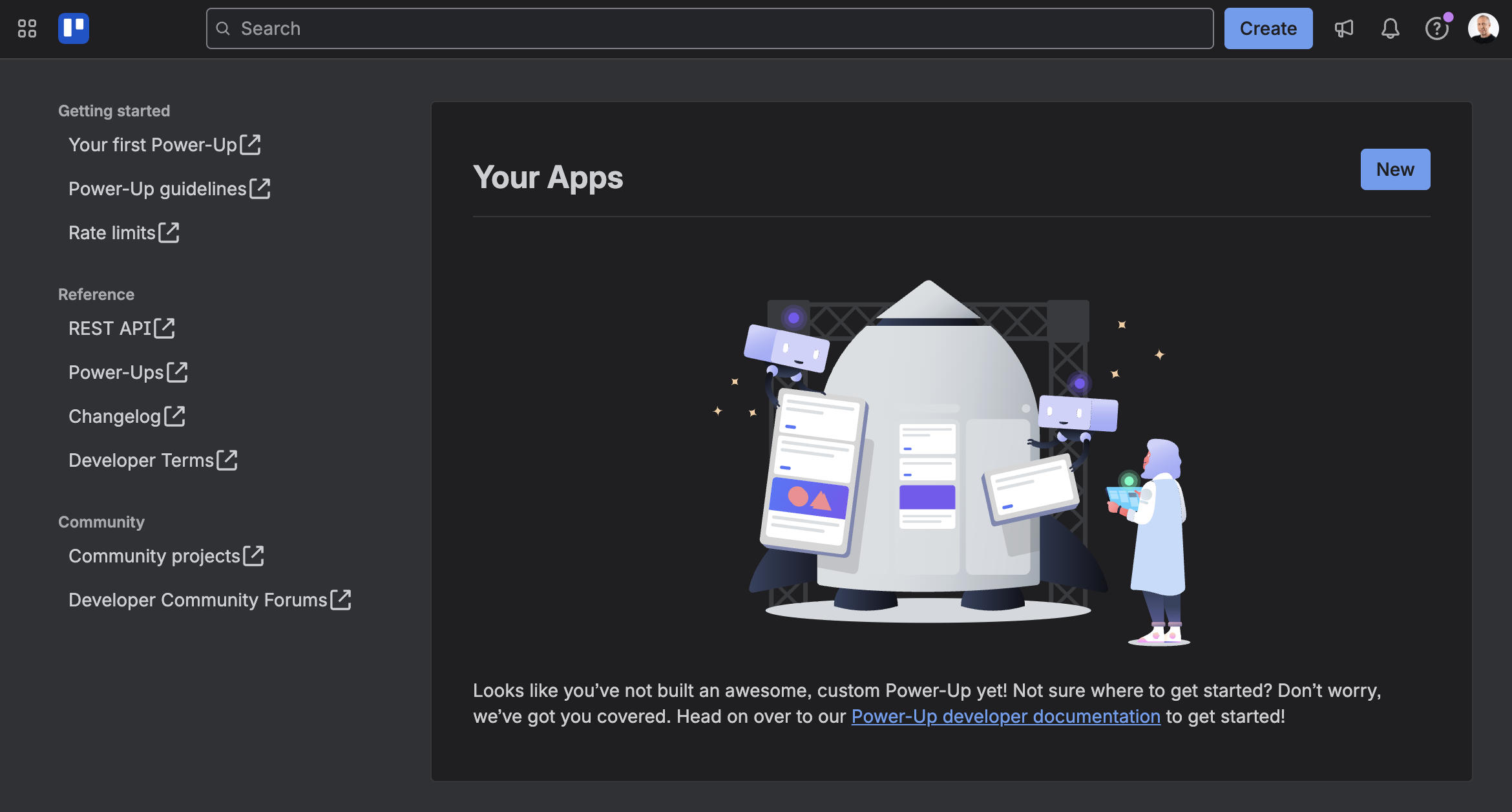
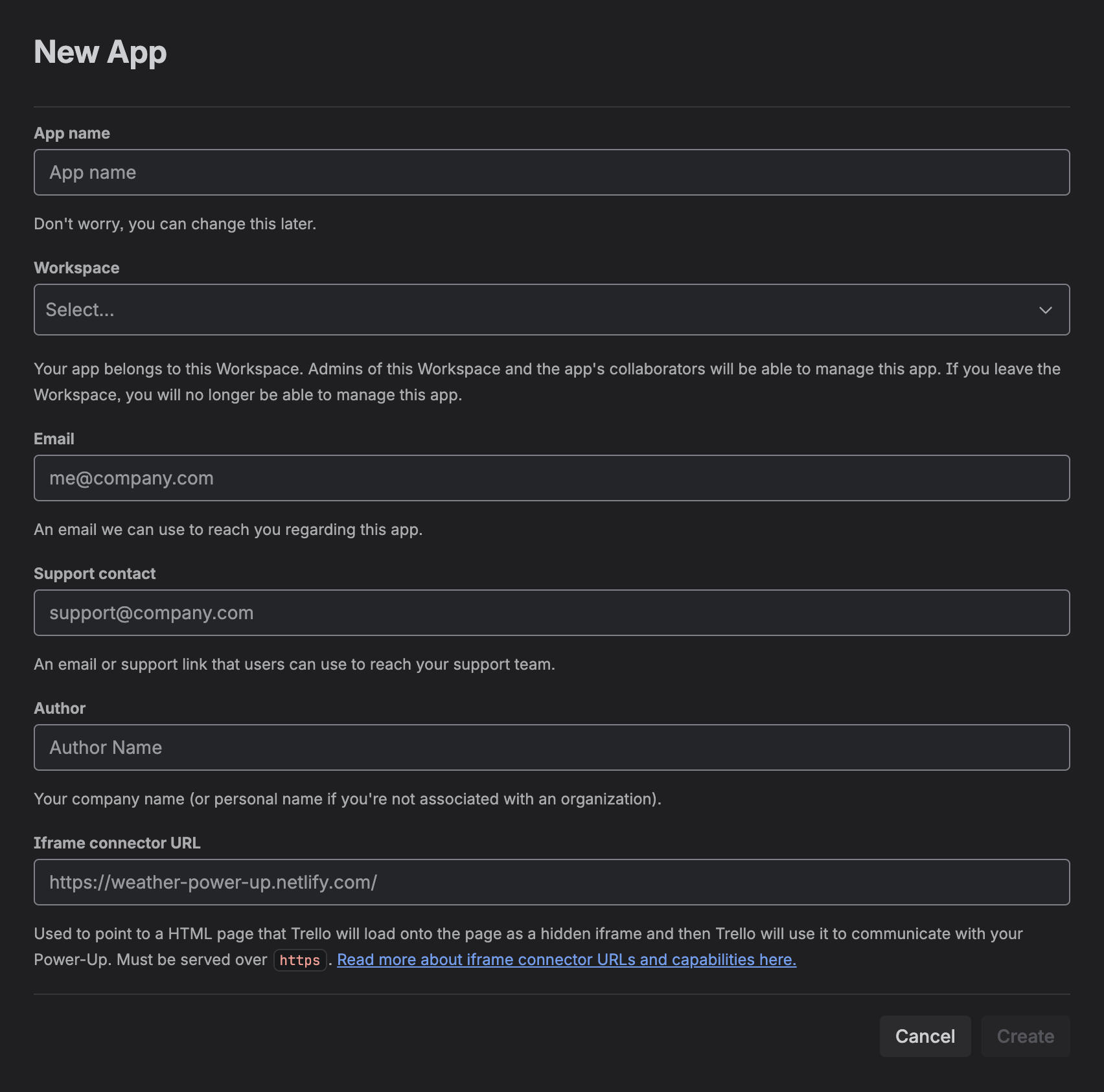
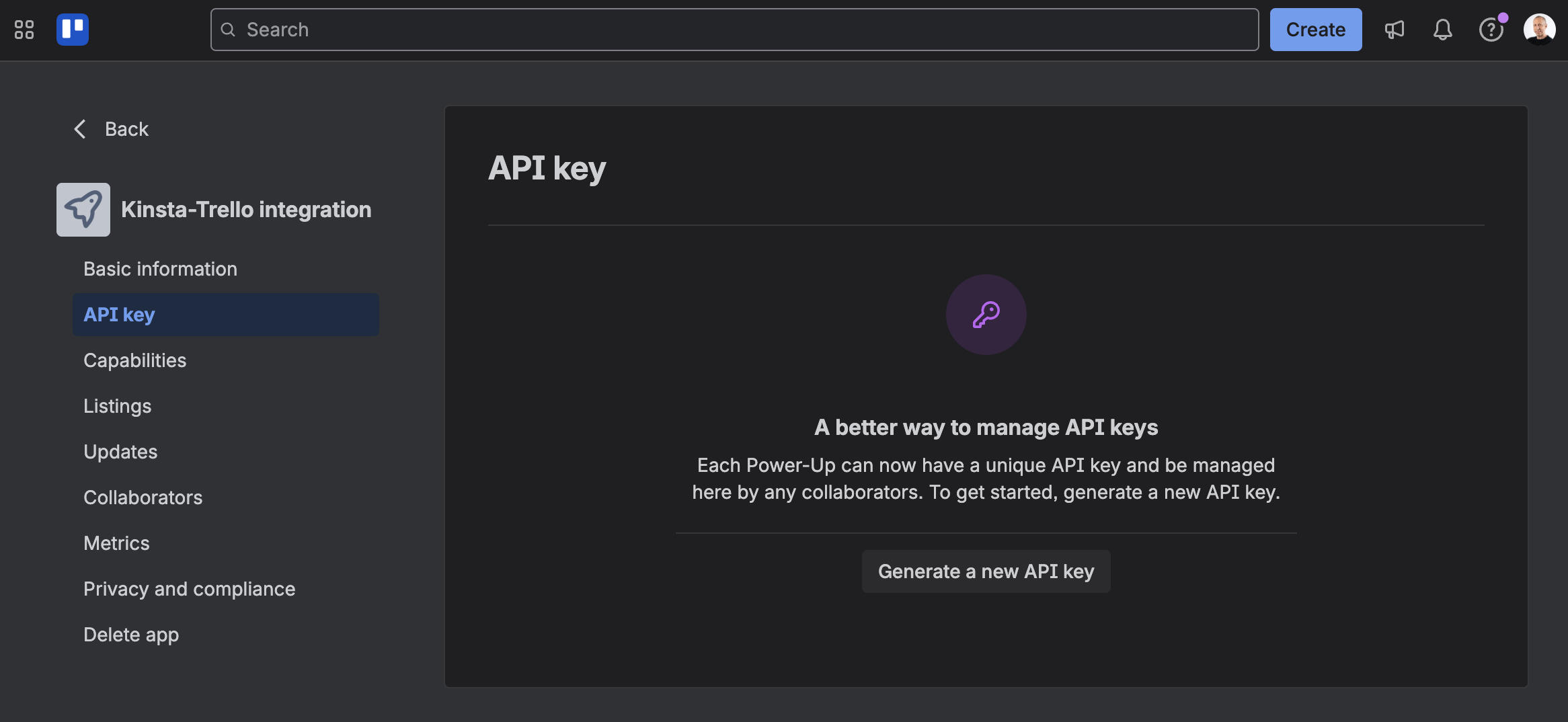
- Trello API Key and Token: Trello’s API access requires the creation of a "Trello Power-Up," essentially a custom application within the Trello ecosystem. This process yields an API key and a separate token, which together grant the necessary permissions to manipulate Trello boards, lists, and cards. This multi-step authentication ensures granular control over what automated processes can access and modify within Trello.
-
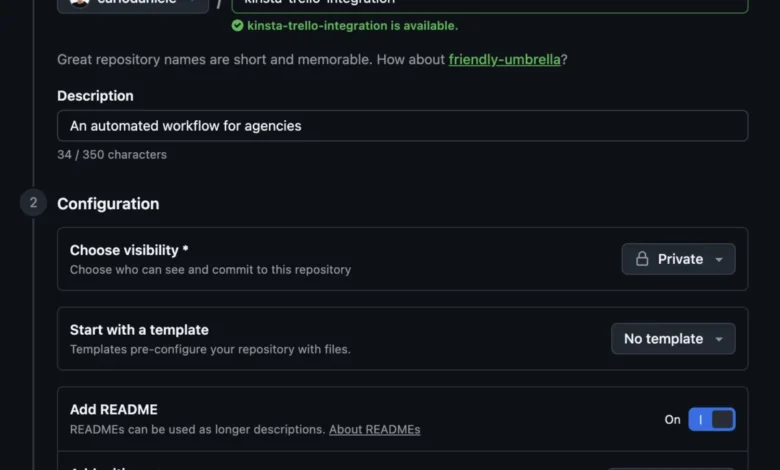
GitHub Repository Setup: GitHub is leveraged not only as a code repository but also as the engine for continuous automation through GitHub Actions.
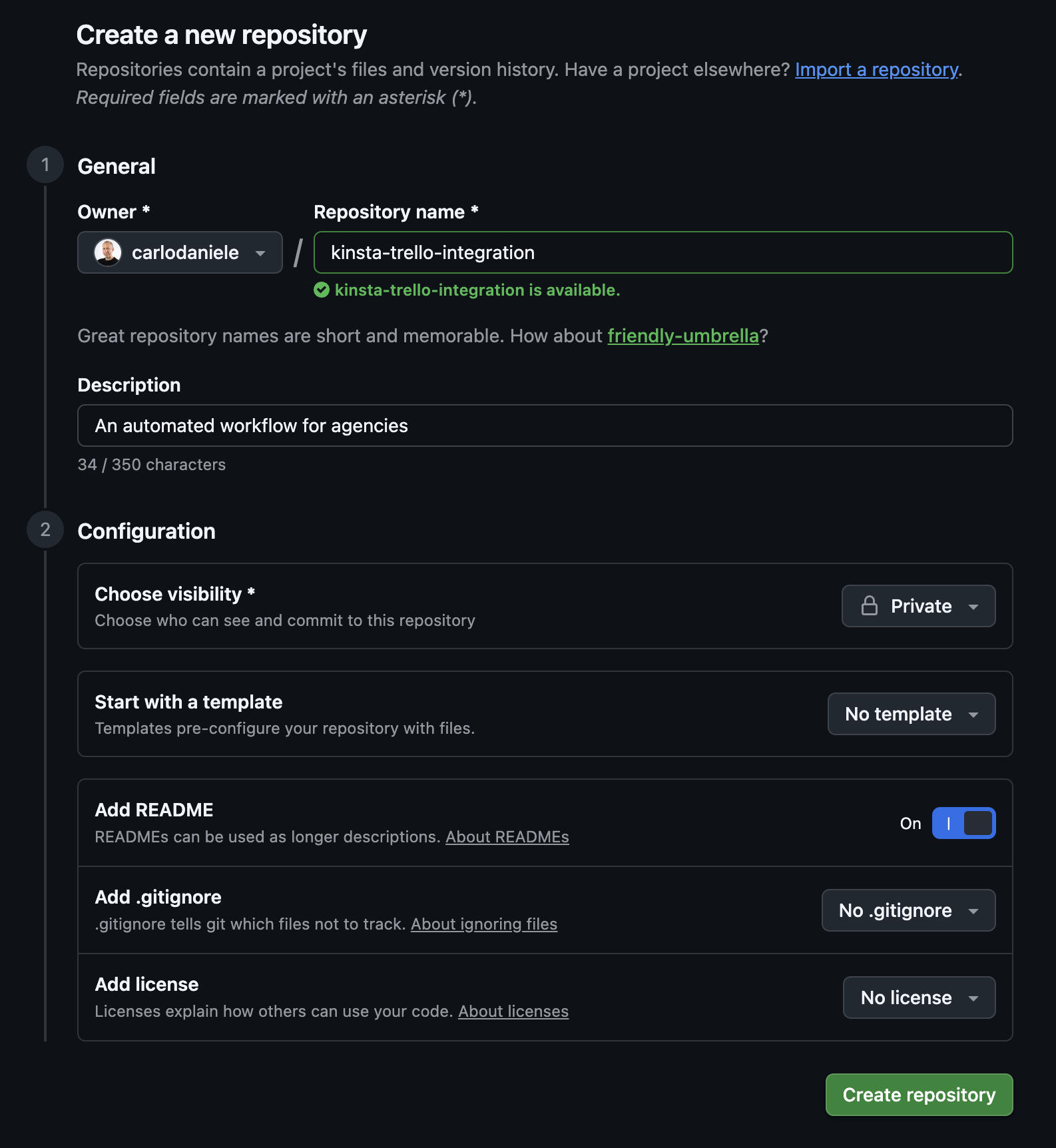
- Repository Creation: A dedicated GitHub repository is established to house the automation scripts.
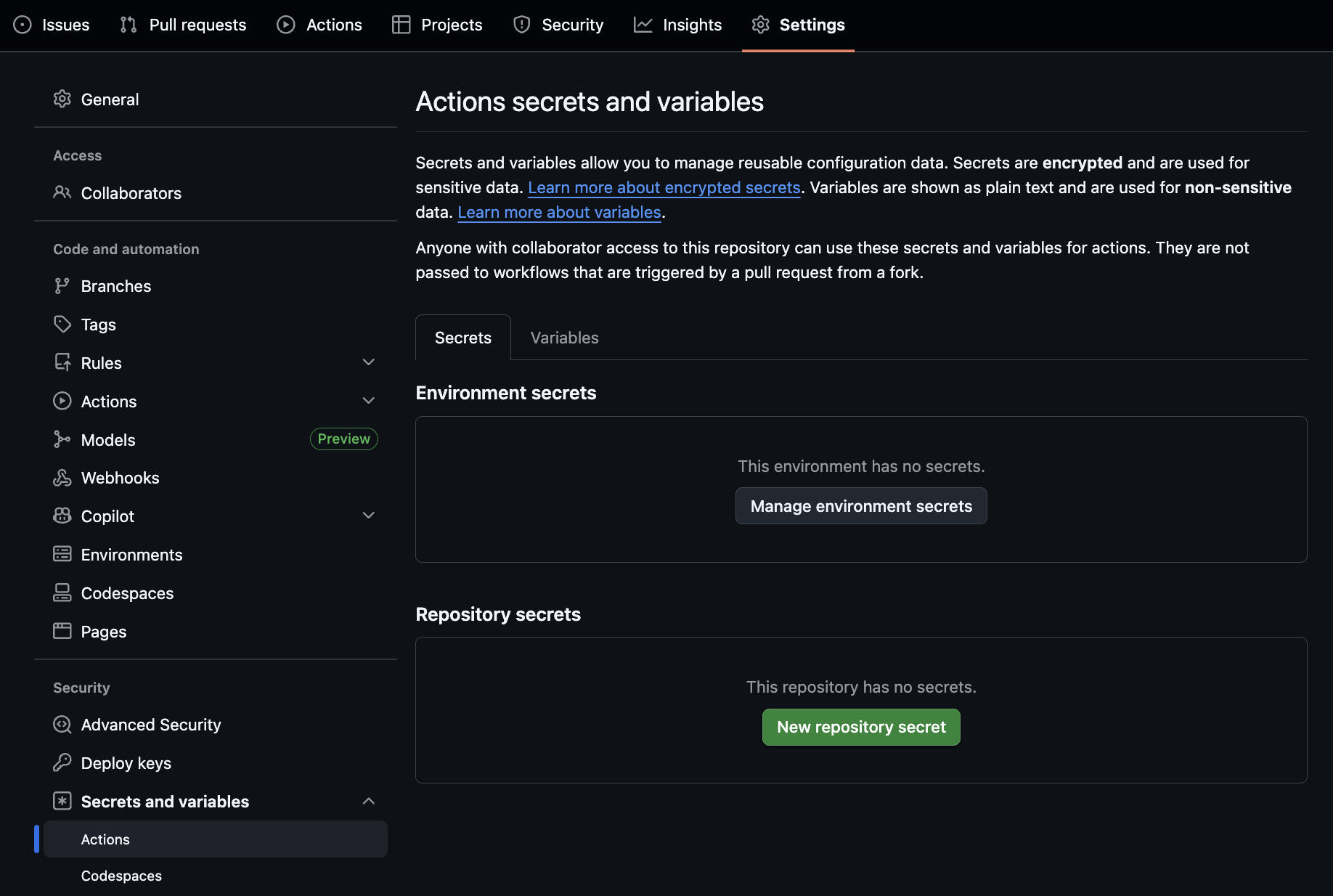
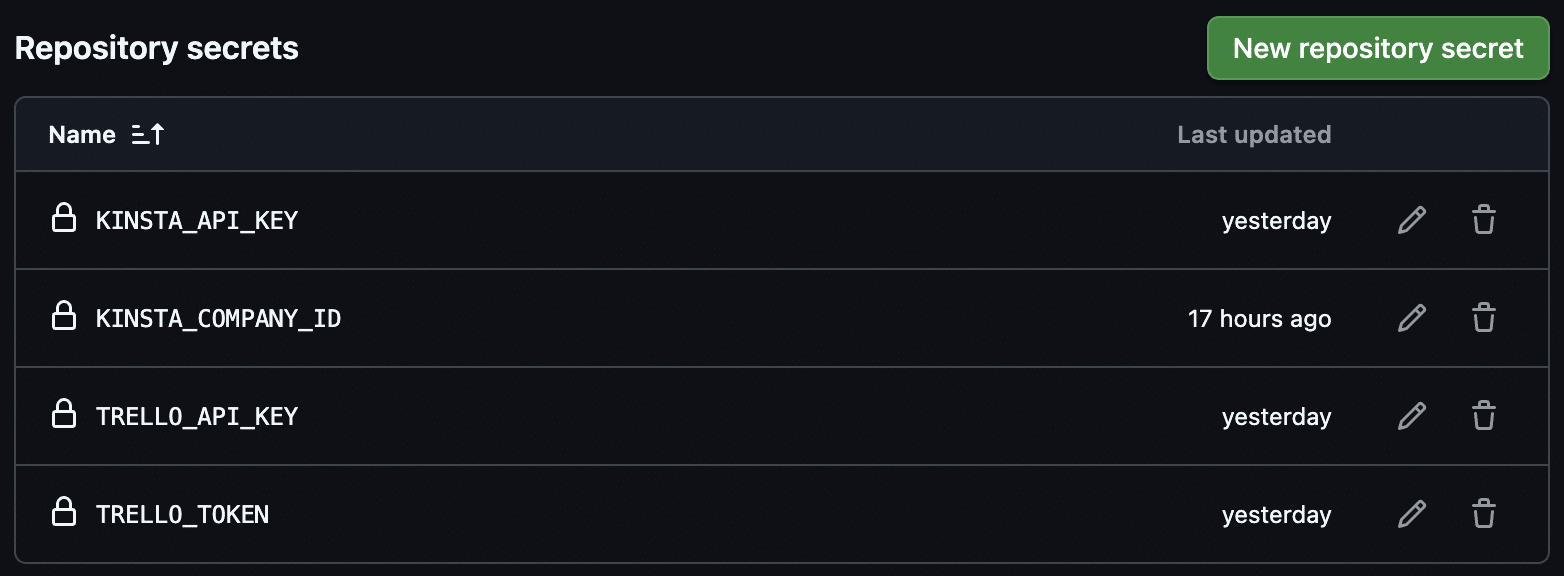
- Secure Secret Management: A crucial security measure involves configuring GitHub Actions secrets. Instead of embedding API keys directly into the code, these sensitive credentials are stored as encrypted secrets within the GitHub repository settings. This prevents accidental exposure and adheres to best practices for credential management.
- Workflow Permissions: Granting appropriate "Read and write permissions" to GitHub Actions ensures that the automation workflows can perform necessary operations within the repository and interact with external APIs.
-
Workflow Orchestration with GitHub Actions:
- A YAML configuration file (e.g.,
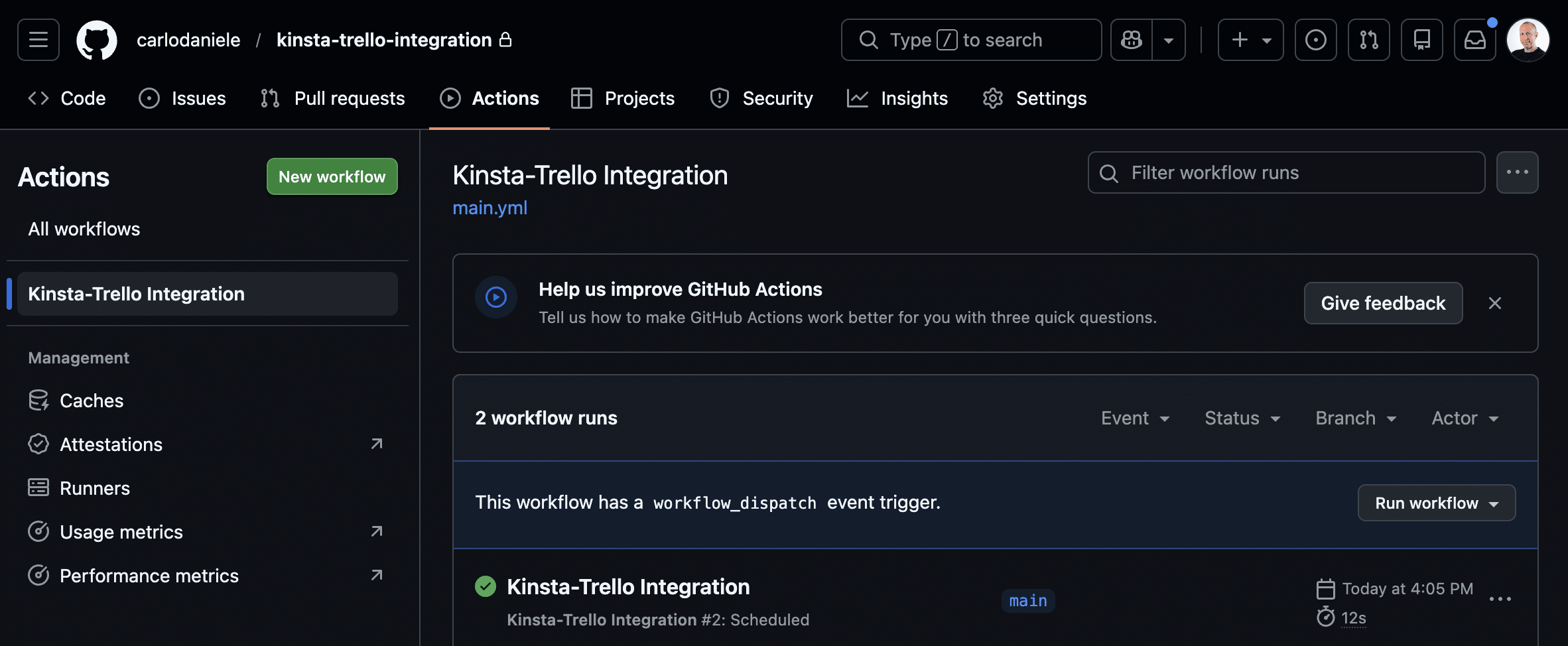
main.yml) is created within the.github/workflowsdirectory of the GitHub repository. This file defines the automation workflow, specifying when and how the synchronization script should run. For instance, a common setup schedules the script to run periodically, such as every 30 minutes, to detect new sites. Theworkflow_dispatchtrigger is also included to allow for manual execution, which is invaluable for testing and debugging. - The workflow defines a job that runs on an Ubuntu environment, checks out the repository code, sets up Node.js (the runtime for the automation script), and finally executes the
index.jsscript, passing the securely stored API keys and tokens as environment variables.
- A YAML configuration file (e.g.,
-
The Onboarding Synchronization Script (
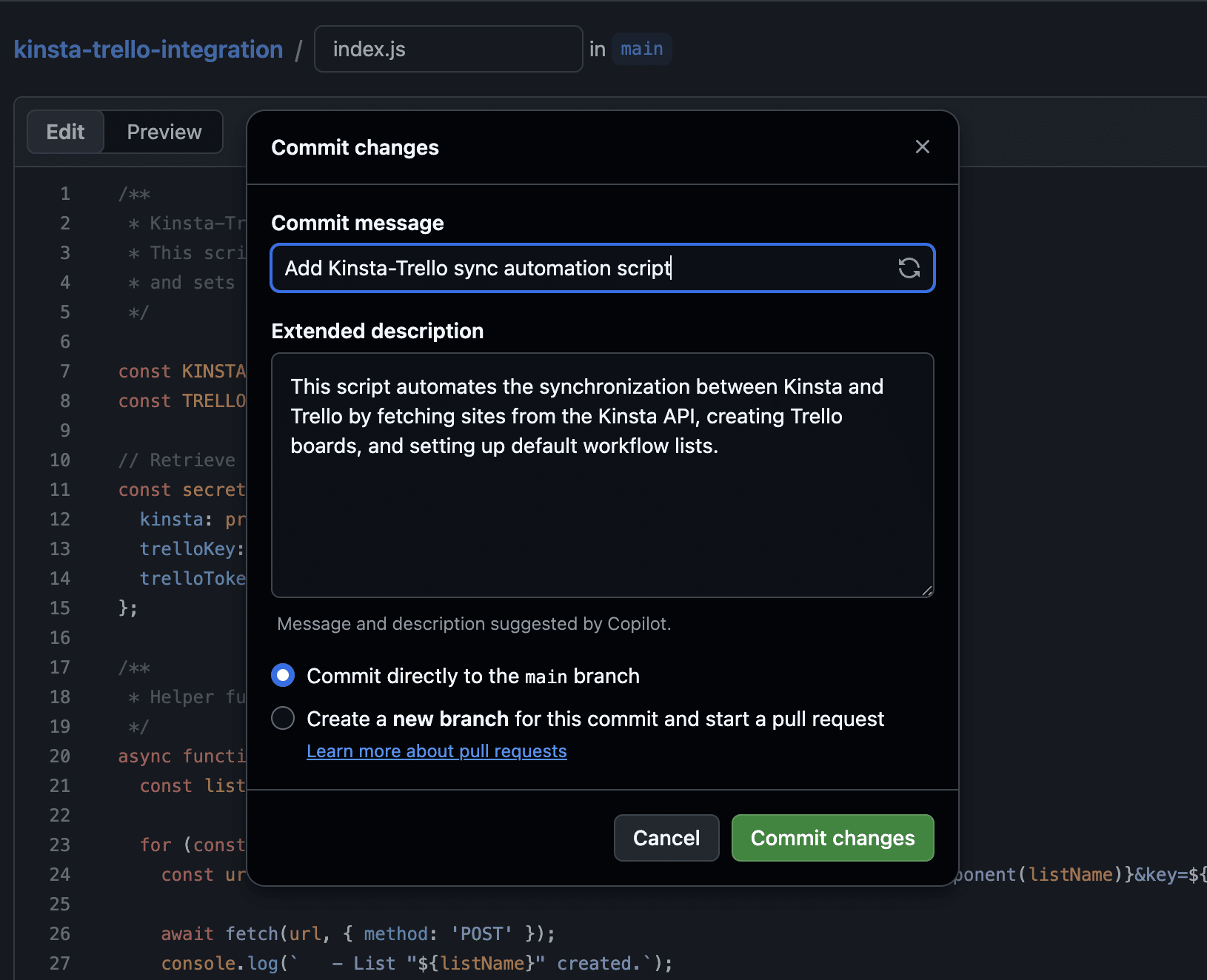
index.js):- Variable Declaration: The script begins by declaring constants for Kinsta and Trello API URLs and securely accessing the environment variables for API keys and tokens.
- Automation Function (
startAutomation()): This core function orchestrates the synchronization.- It first queries the Kinsta API to retrieve a list of all sites associated with the agency’s company ID. Error handling is built-in to catch any API communication issues.
- Concurrently, it fetches a list of all existing Trello boards associated with the authenticated user.
- The script then iterates through each site retrieved from Kinsta. For every site, it checks if a corresponding Trello board (with the same name as the site) already exists.
- If a site does not have an existing Trello board, the script initiates a provisioning workflow:
- It uses the Trello API to create a new board, named after the Kinsta site. The
defaultLists=falseparameter is used to allow custom list creation. - Upon successful board creation, it calls a helper function,
createWorkflow(), to establish a standard set of project management lists (e.g., "To Do," "Doing," "Done"). - Following list creation, another helper function,
createGoLiveCard(), is invoked to populate the "To Do" list with a "Go-Live Pipeline" card. This card comes pre-loaded with a checklist of essential tasks for site launch (e.g., "Point DNS to Kinsta," "Install & Force SSL," "Set up Search Console & Analytics," "Performance Test," "Final Backup").
- It uses the Trello API to create a new board, named after the Kinsta site. The
- If a board already exists for a Kinsta site, the script logs this and skips its creation, preventing duplication.
- Helper Functions (
createWorkflow(),createGoLiveCard()): These modular functions encapsulate specific Trello operations, improving code readability and maintainability.createWorkflow()creates the predefined lists, whilecreateGoLiveCard()creates the card and populates it with the standard launch checklist items.
The culmination of this setup is a self-operating system that automatically mirrors the agency’s Kinsta site portfolio within Trello. When a new site is provisioned in Kinsta, a corresponding project board, complete with an organized workflow and critical launch tasks, is automatically generated in Trello, ready for the project management team. This not only eliminates significant manual effort but also ensures consistency across all new projects.
Beyond Onboarding: Proactive Monitoring with Kinsta API and Trello
The utility of integrating Kinsta and Trello extends far beyond initial site onboarding. By continuously leveraging their APIs, agencies can establish a robust system for proactive site monitoring and health-check management, maintaining a real-time flow of critical information between technical infrastructure and project oversight. This enables teams to stay informed about the health and performance of their sites, transforming reactive "firefighting" into strategic "future-proofing."
A dedicated health-check workflow can be implemented using the same GitHub Actions framework:
-
Health Check Workflow Configuration (
health-check.yml):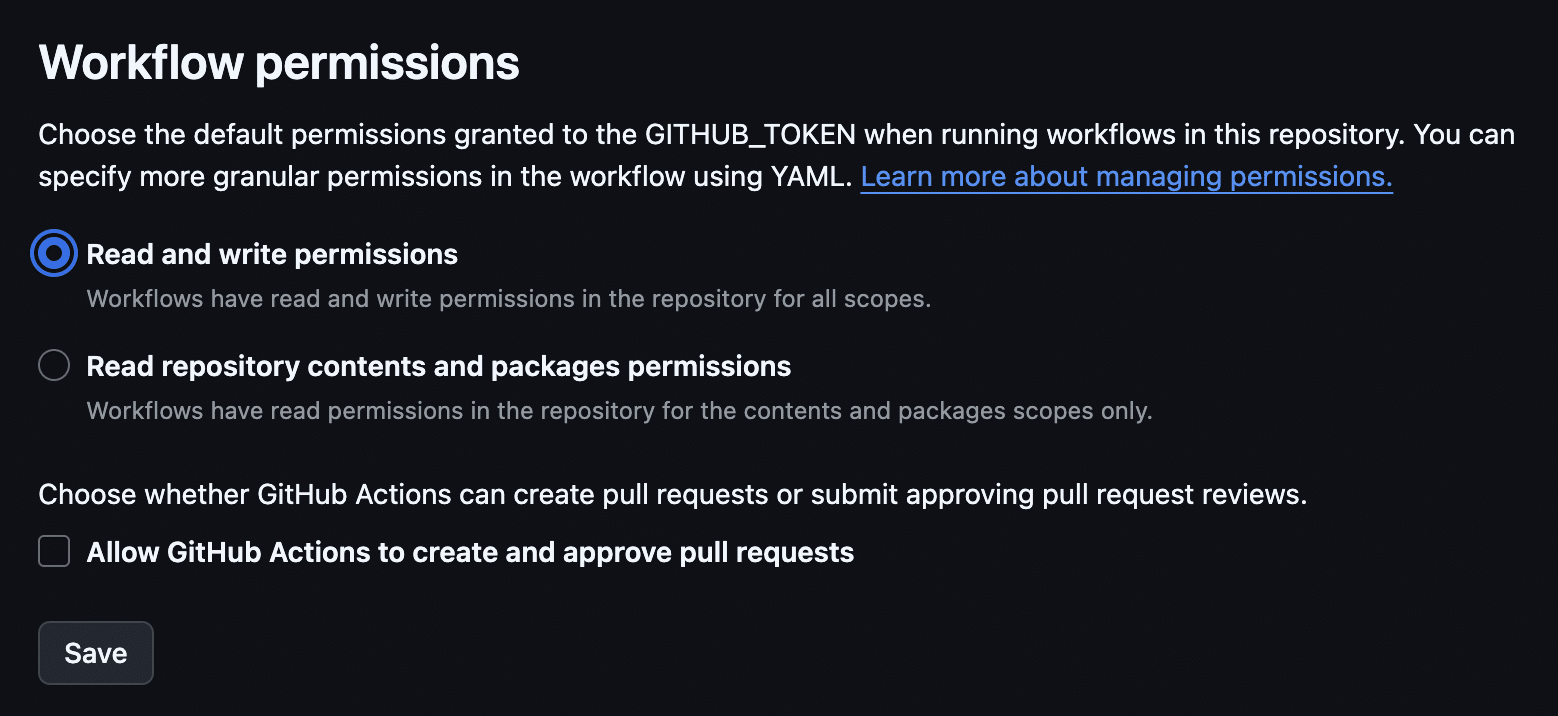
- A separate YAML file defines a scheduled workflow, perhaps running daily at a specific time (e.g.,
cron: '0 9 * * *'for 9:00 AM daily). This ensures regular, automated checks without human intervention. - Similar to the onboarding workflow, it checks out code, sets up Node.js, and executes a specific health-check script (
health-check.js), again passing API secrets securely.
- A separate YAML file defines a scheduled workflow, perhaps running daily at a specific time (e.g.,
-
The Proactive Monitoring Script (
health-check.js):- Variable Declaration: Standard API URLs and secrets are declared.
- Kinsta Site Retrieval (
getKinstaSites()): This function fetches the list of all managed sites from the Kinsta API. - Bandwidth Usage Retrieval (
getBandwidthUsage()): For each site, this function queries the Kinsta API for its current month’s bandwidth usage. The usage is typically returned in bytes and converted to a more readable unit like megabytes for practical application. This function also includes error handling for API call failures. - Trello Alert Posting (
postTrelloAlert()): This crucial function is responsible for creating Trello cards when specific thresholds are breached.- It first identifies the relevant Trello board for the site in question.
- It then locates the "To Do" list (or the first available list) on that board.
- Before creating a new card, it checks if an alert card with the same title already exists for that specific issue, preventing redundant alerts.
- If no existing alert is found, it creates a new Trello card with a clear title (e.g., "⚠️ Bandwidth Alert: High Traffic") and a descriptive message detailing the issue (e.g., "Bandwidth usage: 150 MB," if the threshold is 100 MB).
- Monitoring Execution (
runMonitoring()): This orchestrating function iterates through all Kinsta sites. For each site, it retrieves its bandwidth usage. A predefined threshold (e.g., 100 MB for testing purposes) is used to trigger an alert. If the usage exceeds this threshold, thepostTrelloAlert()function is called, creating a visible and actionable task on the relevant Trello board. This means a project manager or technical lead will instantly see a card appear, indicating a potential issue before it impacts site performance or incurs overage charges.
This proactive monitoring system significantly enhances an agency’s ability to maintain optimal site performance and client satisfaction. Instead of discovering issues after they have already escalated into critical problems, the agency receives automated alerts that translate directly into actionable tasks within their established project management workflow. This allows for timely intervention, such as optimizing images, upgrading a hosting plan, or investigating traffic spikes, thereby preventing downtime, resource exhaustion, and client complaints.
Realizing the Benefits: Enhanced Efficiency and Strategic Advantage
The comprehensive automation of onboarding and monitoring workflows, powered by Kinsta’s robust API and Trello’s flexible project management, delivers a multitude of tangible benefits for web agencies:
- Significant Efficiency Gains: Manual, repetitive tasks are virtually eliminated, freeing up countless hours for both project managers and technical staff. This directly translates to increased productivity and a greater capacity to take on new projects without proportional increases in headcount.
- Reduced Human Error: Automated processes are inherently more consistent and less prone to mistakes than manual data entry or oversight. This leads to higher quality deliverables, fewer operational glitches, and enhanced client trust.
- Improved Team Morale: By offloading monotonous work, team members can focus on more challenging, creative, and rewarding aspects of their roles, combating burnout and fostering a more engaged and motivated workforce.
- Enhanced Client Satisfaction: Proactive monitoring ensures that potential issues are identified and addressed swiftly, often before clients even notice them. This leads to more stable websites, fewer service interruptions, and a stronger reputation for reliability.
- Strategic Resource Allocation: With operational tasks streamlined, agency leadership can allocate resources more strategically towards business development, innovation, and client relationship building, rather than constantly battling operational backlogs.
- Scalability and Competitive Edge: The ability to scale efficiently without sacrificing quality or overwhelming teams provides a significant competitive advantage. Agencies can confidently expand their client base, knowing their operational backbone can support the growth.
This integrated approach represents a profound shift from reactive firefighting to proactive future-proofing. It empowers web agencies to not only manage their current workload with greater ease but also to strategically position themselves for sustainable growth in an increasingly competitive digital landscape. By embracing automation, agencies can move beyond merely surviving rapid expansion to truly thriving within it.
Are you ready to transform your agency’s operations and unlock its full growth potential? Explore Kinsta’s comprehensive hosting plans and API capabilities to find the solution that aligns with your strategic objectives.
Related posts: