Navigating the Modern Digital Minefield: Why Social Media Governance is the Enterprise Imperative of the Decade


For corporate social media managers, the daily reality is often defined by a silent, underlying dread: waking up to find that the brand’s digital storefront has been compromised, defaced, or weaponized by bad actors. While the corporate risk of maintaining zero digital footprint often outweighs the hazards of participation, the modern web has evolved into a hyper-complex ecosystem fraught with deepfakes, rampant misinformation, high employee turnover, and sophisticated cyber threats. In response to these mounting vulnerabilities, organizations across global markets are racing to establish rigorous social media governance frameworks.
The urgency of this operational shift is underscored by rapidly changing workplace dynamics and technology adoption. Industry data indicates that 39% of marketers experienced heightened restrictions on content and influencer partnerships due to shifting socio-political climates, while 44% reported a mandatory rise in internal approval hurdles. At its core, social media governance is no longer just a defensive mechanism against rogue actors; it is a fundamental business discipline aimed at eliminating structural risk, safeguarding brand equity, and establishing a centralized command center for all external communications.
The Evolution of Digital Risk and Regulatory Pressures
The concept of social media governance has expanded far beyond basic password security and reactive PR management. Historically, corporate social channels were treated as casual marketing megaphones managed by isolated departments. However, as social networks matured into primary customer service channels, sales portals, and public relations stages, the potential fallout of a mismanaged post or a hacked account escalated exponentially.
Recent years have compounded these vulnerabilities. The decentralization of the workforce through remote and hybrid models means corporate credentials are accessed across a wider geographic footprint than ever before. Concurrently, high turnover rates among marketing professionals often leave a trail of unrevoked access permissions, handing potential backdoors to former employees or third-party contractors.
Compounding these human-factor risks are increasingly stringent global regulatory frameworks. Organizations operating in highly scrutinized sectors—such as financial services, pharmaceuticals, healthcare, energy, and higher education—face severe penalties for non-compliance. Regulatory bodies including the Federal Trade Commission (FTC) in the United States and stringent European data protection authorities enforcing the General Data Protection Regulation (GDPR) have demonstrated a clear willingness to levy massive multimillion-dollar fines against corporations that fail to protect consumer data or mislead the public on digital channels. Furthermore, with approximately twenty U.S. states enacting localized data privacy laws, multinational and national brands alike must navigate a fragmented legislative patchwork. Legal experts warn that a federal equivalent to Europe’s GDPR is virtually inevitable, raising the compliance stakes even higher.

The Artificial Intelligence Governance Gap
While traditional digital risks remain formidable, the fastest-growing vulnerability in the corporate ecosystem is the artificial intelligence governance gap. Executive leadership teams across industries are aggressively pushing marketing, communications, and customer care departments to adopt AI tools to scale content production, streamline analytics, and optimize workflow efficiency. However, this race for velocity has routinely outpaced the implementation of corporate policies, vendor risk reviews, and approval protocols.
The integration of artificial intelligence introduces a complex matrix of legal, ethical, and operational hazards. Organizations now face severe risks related to intellectual property infringement, data privacy violations, algorithmic bias, and the accidental ingestion of sensitive customer data—such as Personally Identifiable Information (PII)—into third-party large language models. Furthermore, the proliferation of synthetic media, including AI-generated imagery, video, and virtual influencers, has muddied the waters of consumer trust. Market research highlights consumer skepticism surrounding synthetic partnerships, with nearly half of surveyed consumers expressing discomfort with brands utilizing AI-generated influencers.
To address these vulnerabilities without stifling innovation, industry analysts emphasize that organizations must treat artificial intelligence as a distinct, highly regulated governance track. This involves drafting comprehensive AI use policies that explicitly define approved tools, mandate strict human-in-the-loop review cycles, enforce rigorous vendor vetting procedures, and establish transparent labeling standards for synthetic content.
The Anatomy of a Comprehensive Governance Framework
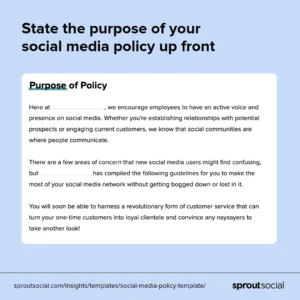
Building an effective social media governance framework requires a systematic, cross-functional approach that balances enterprise security with local market agility. Rather than functioning as an oppressive policing body, modern governance strategies are designed to empower teams through education, clear standard operating procedures (SOPs), and centralized oversight.
Central to this operational shift is the establishment of a Governance Center of Excellence (CoE). A CoE serves as the strategic and operational backbone for an enterprise’s digital footprint, bringing together key stakeholders from marketing, public relations, information security, legal, human resources, and compliance. This multidisciplinary coalition is tasked with defining the organization’s risk tolerance, monitoring evolving regulatory landscapes, approving enterprise-grade software vendors, and continuously updating internal policies to reflect technological advancements.

Successful multinational implementations demonstrate the value of this centralized-yet-flexible model. Global industrial enterprises managing complex networks of regional brands utilize centralized governance teams to establish baseline brand safety protocols, monitor macroeconomic sentiment shifts, and track anomalous digital patterns—such as repeated customer complaints or inactive pages—before minor issues escalate into full-scale public relations crises. Crucially, these centers of excellence operate as internal support systems, providing regional and local marketing teams with the training, escalation pathways, and structural autonomy necessary to communicate authentically with their specific audiences.
Mitigating Vulnerabilities Across Nine Key Operational Vectors
Industry frameworks outline nine distinct risk categories that a robust social media governance strategy must address to ensure complete enterprise protection:
-
Brand Health and Reputation Risk: The immediate danger of unauthorized account takeovers extends far beyond minor inconveniences. Malicious actors who gain control of corporate handles can publish disparaging remarks, mimic primary competitors, or associate the brand with extremist ideologies, causing catastrophic, long-term damage to consumer trust and corporate credibility.
-
Compliance and Regulatory Risk: Regulatory bodies increasingly monitor corporate digital output. Failure to adhere to industry-specific advertising rules or overarching data privacy laws can result in devastating financial penalties, with regulatory agencies frequently making high-profile examples of major corporations.
-
Legal Risk: As social media platforms become the default arena for customer service dispute resolution, the potential for litigation rises. Organizations must maintain indisputable audit logs identifying precisely who held access permissions and authored specific responses during any given interaction to effectively mount a legal defense.
-
Human Error: Operational mistakes—such as posting corporate announcements to personal profiles or vice versa—happen naturally. Implementing rigid multi-step approval workflows and centralized management tools significantly reduces the frequency of self-inflicted public relations incidents.

-
Internal Employee Risk: Employees acting in an uncoordinated manner on personal or professional accounts can inadvertently leak confidential financial data, trade secrets, or human resources information. Clear, enforceable internal policies are essential to establish behavioral boundaries and accountability.
-
Cybersecurity Threats: Cybercriminals actively target organizations with lax security postures. Implementing enterprise-grade controls, such as multi-factor authentication (MFA), strict password management tools, single sign-on (SSO), role-based permissions, and comprehensive audit logging, is non-negotiable for Fortune-level enterprises.
-
Third-Party Application Risk: Unvetted external applications, plugins, and software integrations connected to corporate social accounts act as unsecured digital backdoors for malicious actors. Continuous auditing of third-party tools is mandatory to secure the digital supply chain.
-
Influencer Partnership Risk: With global marketing budgets increasingly allocated to creator partnerships, brand safety risks have multiplied. If a contracted influencer engages in controversial public behavior or violates social norms, partnering brands can instantly find themselves entangled in reputational damage. Systematic pre-campaign vetting is vital.
-
Artificial Intelligence Risk: The unchecked deployment of generative AI tools introduces ethical dilemmas, brand perception risks, and legal liabilities. Establishing strict boundaries regarding prohibited inputs and mandatory human review processes protects the enterprise from inaccurate or offensive outputs.
Strategic Implementation and Technological Enablers
Translating governance theory into daily operational practice requires the deployment of advanced technological solutions designed to enforce compliance at scale. Modern social media management platforms incorporate specialized security and governance features that automate risk mitigation.
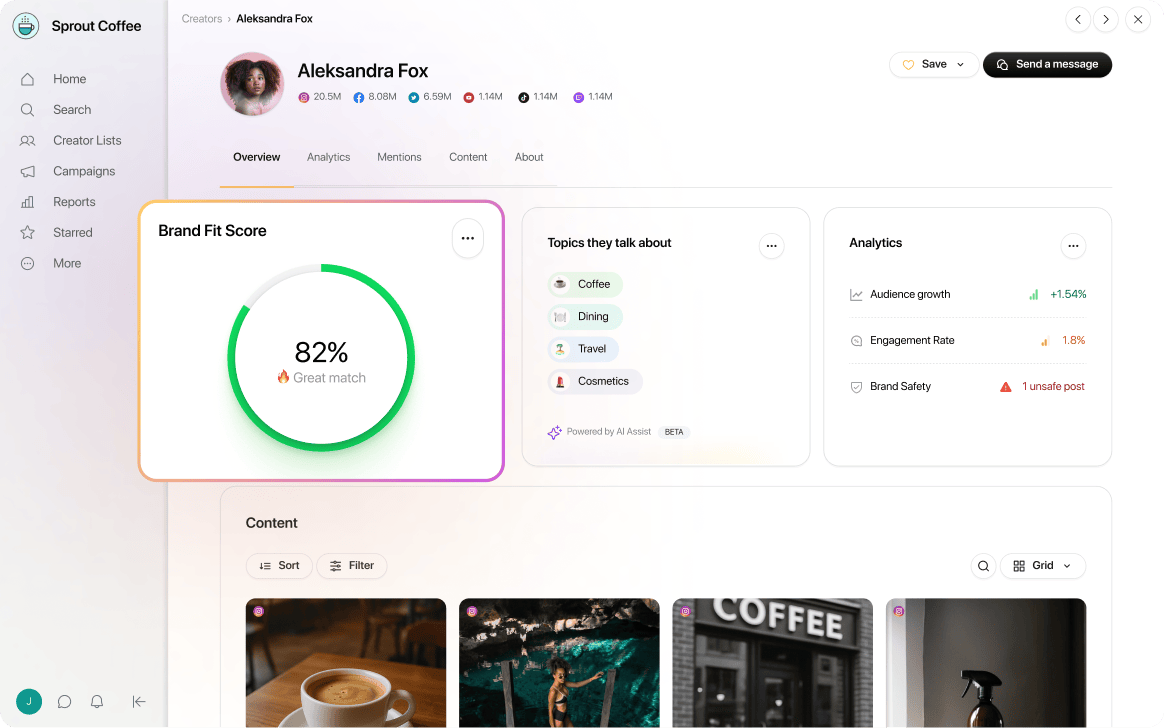
Key technological safeguards include automated blocked-word lists that prevent the publication of non-compliant terminology across captions, alternate text, and customer care responses. Multi-step message approval workflows allow cross-functional teams to collaboratively draft, review, and authorize outgoing content securely within a single dashboard. Furthermore, automated rules can proactively hide toxic or abusive incoming commentary across major social networks, protecting both the brand and its broader community.
To address audience data protection and privacy mandates, advanced data masking capabilities automatically redact Personally Identifiable Information—such as phone numbers, credit card details, and social security numbers—from agent workspaces before customer care representatives view them. When sensitive data collection is legally required, secure forms facilitate seamless, end-to-end interactions without exposing the enterprise to regulatory liability.
Implications and Future Outlook
As the digital landscape continues to fragment with emerging platforms, shifting geopolitical dynamics, and rapid advancements in artificial intelligence, social media governance has transitioned from a back-office administrative task into a definitive business-critical discipline. Organizations that fail to institutionalize comprehensive governance frameworks expose themselves to severe financial, legal, and reputational vulnerabilities. Conversely, enterprises that embrace structured policies, cross-functional centers of excellence, and advanced technological safeguards effectively transform risk management into a core competitive advantage. By establishing clear guardrails, modern brands can scale their digital operations, empower their workforce, and innovate with confidence in an increasingly unpredictable digital world.