The digital publishing and email marketing sectors have undergone significant structural shifts in recent years, prompting creators, small businesses, and enterprise-level publishers to reassess their software expenditure. For many years, platforms like Mailchimp served as the default standard for mass email distribution, offering robust automation, intricate customer relationship management features, and extensive third-party integrations. However, as Mailchimp’s pricing models evolved—transitioning primarily toward tiered structures based on active subscriber counts—many long-term users found themselves paying premium subscription rates for advanced features that went largely underutilized.
This economic pressure has catalyzed a broader migration trend within the creator economy. Publishers are increasingly pivoting away from legacy monoliths in favor of streamlined, flat-rate alternative platforms. A prominent example of this market realignment is WPExplorer, a digital resource platform that recently completed a comprehensive migration of its newsletter infrastructure from Mailchimp to Flodesk after a year-long hiatus. The decision highlights a growing industry preference for cost predictability and user-friendly interfaces over bloated ecosystem complexity, particularly as modern email service providers (ESPs) vie for market share by offering unlimited subscriber models.
Industry Background and Market Dynamics
Email marketing remains one of the highest-yielding digital channels for audience retention and monetization, boasting an average return on investment that frequently outpaces social media marketing and paid search advertising. Consequently, the choice of an ESP carries profound operational and financial implications for digital publishers. Legacy providers built their pricing architectures on the premise of tiered scaling, where organizations pay progressively higher monthly fees as their contact databases expand. While this model aligns with the needs of large enterprise marketing departments equipped with dedicated data analysts, it often penalizes independent creators and mid-sized publishers whose subscriber lists grow faster than their direct monetization pipelines.

Flodesk entered this competitive landscape by introducing a disruptive pricing strategy anchored on flat-rate subscriptions that permit unlimited subscribers and email sends. This value proposition resonated strongly with publishers seeking relief from escalating software overhead. However, the rapidly shifting economics of software-as-a-service (SaaS) business models have recently prompted platforms like Flodesk to reevaluate unrestricted pricing tiers, creating a sense of urgency among digital entrepreneurs to secure legacy pricing structures before structural plan retirements take effect.
The Technical Migration Framework: Step-by-Step Execution
Migrating an established database of subscribers across distinct infrastructure environments requires methodical planning to prevent data loss, minimize administrative friction, and maintain compliance with data privacy regulations. Although the underlying mechanics of database migration are straightforward, executing the transition from Mailchimp to Flodesk involves specific technical protocols regarding file formatting, data mapping, and audience segmentation.
Step 1: Exporting Audience Data from Mailchimp
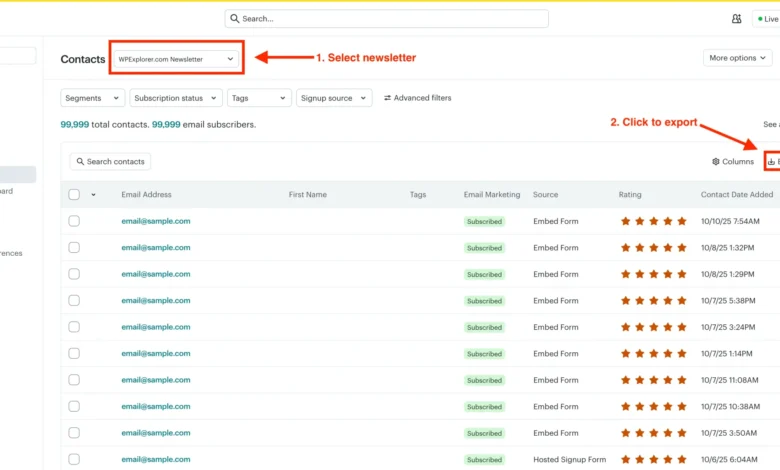
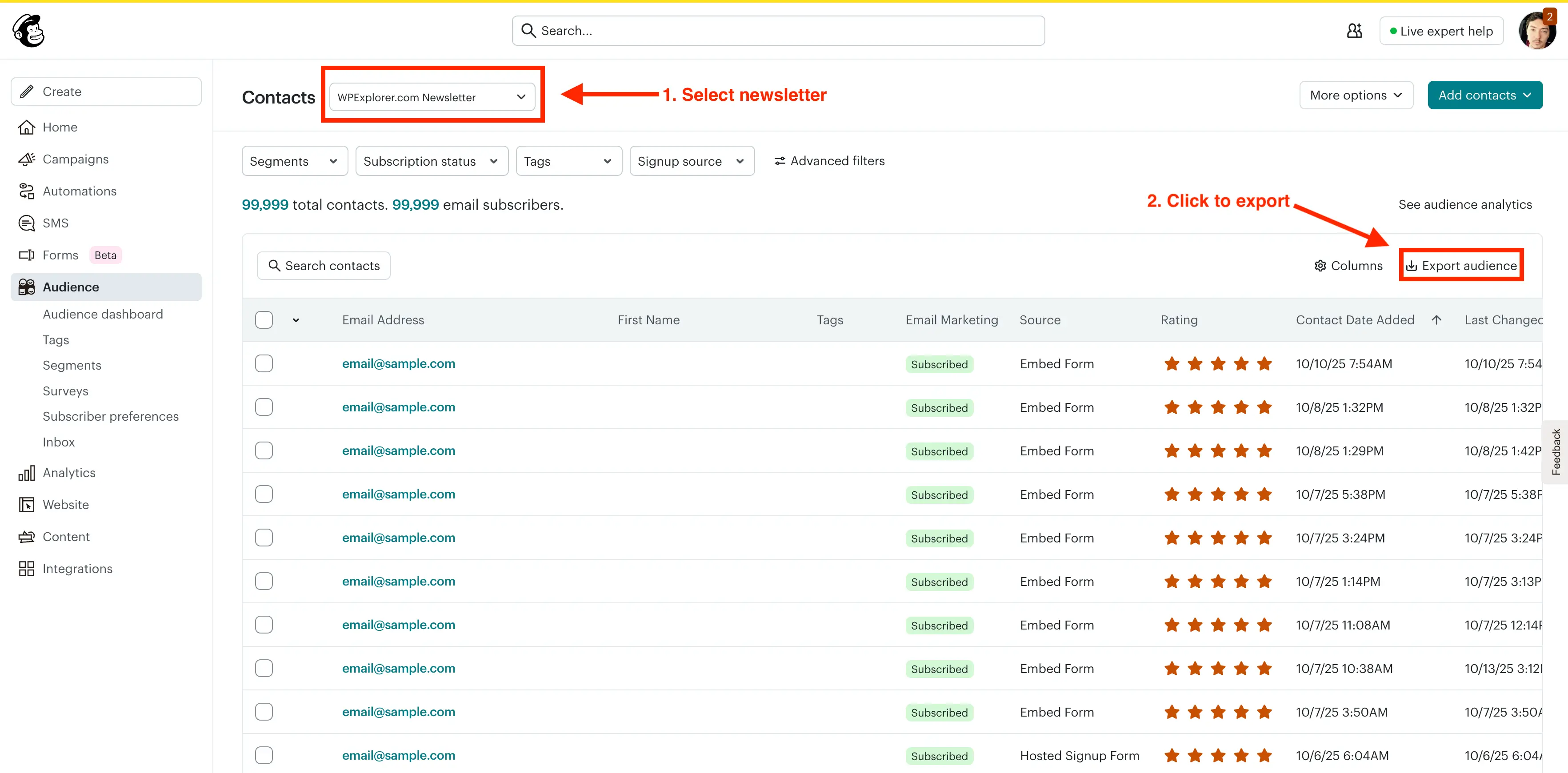
The migration process initiates within the source environment. Administrators must access their primary Mailchimp account dashboard and navigate to the audience management interface to generate a comprehensive data export. Mailchimp packages this data into a compressed archive containing comma-separated values (CSV) files. This file format serves as the universal data interchange medium required for ingestion into secondary email platforms. During this phase, publishers must ensure that all relevant contact attributes—including historical engagement metrics, subscription timestamps, and custom merge tags—are securely captured within the exported archive to prevent the forfeiture of valuable audience metadata.

Step 2: Database Preparation and CSV Optimization
Once the archive is extracted locally, data hygiene protocols dictate that the raw CSV file be reviewed before platform import. While modern ESPs feature automated field-matching algorithms, legacy database exports frequently contain superfluous columns, redundant system-generated identifiers, and legacy metadata that modern interfaces cannot natively parse. Industry best practices recommend cross-referencing the exported dataset against sample CSV templates provided by the destination platform.
For migrations directed toward Flodesk, administrators benefit from aligning column headers—such as first name, email address, and custom preference fields—with the destination platform’s ingestion schema. Although minor structural discrepancies can often be reconciled dynamically during the import wizard phase, pre-formatting the dataset minimizes the risk of mapping errors, truncated text strings, or rejected contact entries. Furthermore, publishers frequently retain auxiliary data points, such as Mailchimp’s proprietary member ratings or historical engagement scores, by mapping them to custom contact fields within the new database. This data preservation is critical for executing subsequent audience-segmentation strategies.
Step 3: Establishing Audience Segmentation Architecture
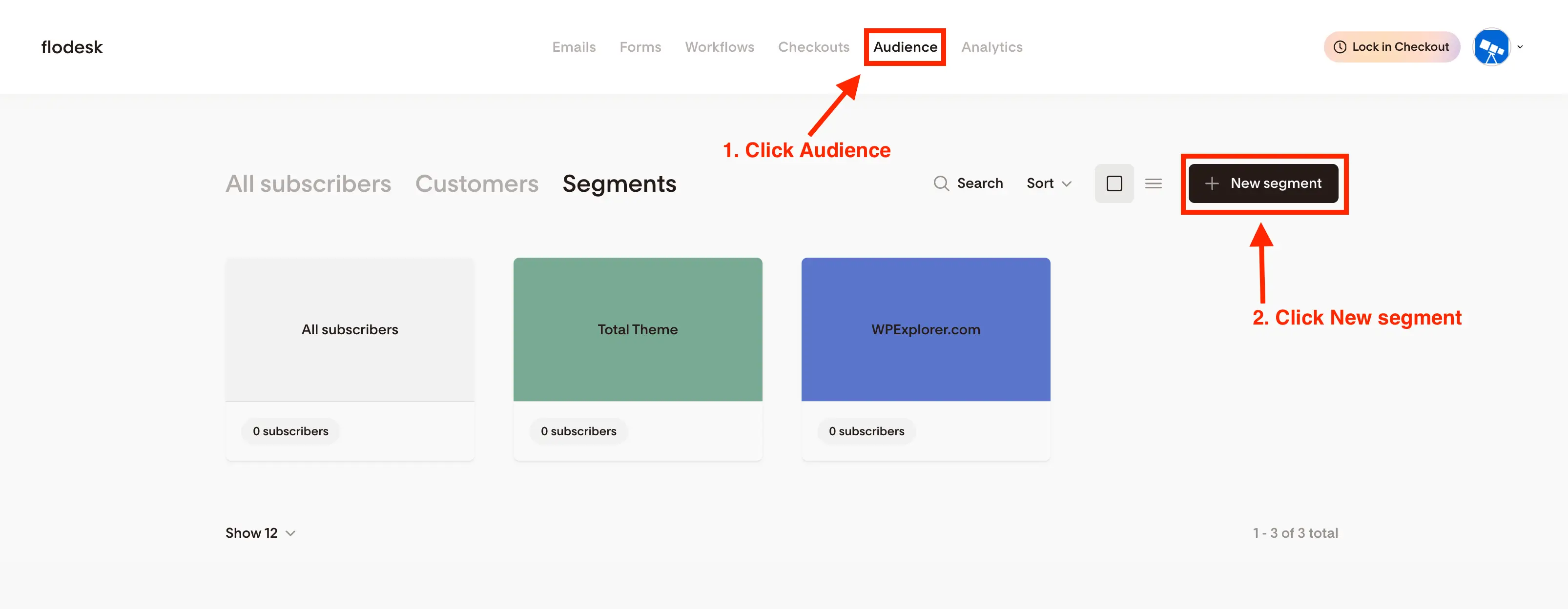
A foundational principle of database migration is the proactive structuring of recipient groups prior to data ingestion. Importing a monolithic, unsegmented list into a new ESP introduces administrative inefficiencies and complicates targeted communication strategies. Consequently, administrators are advised to construct dedicated segments within Flodesk before executing the contact upload.
By establishing discrete segments that mirror previous organizational structures—or by designating specific groupings such as "Imported from Mailchimp"—publishers can maintain granular control over their audience assets. This architectural foresight is particularly vital for organizations managing multiple distinct newsletters, product waitlists, or tiered subscription models. Utilizing targeted segments rather than a single undifferentiated list ensures compliance with modern email marketing best practices, allowing publishers to tailor messaging precisely to recipient interests and engagement histories.
Step 4: Executing the Contact Import and Field Mapping
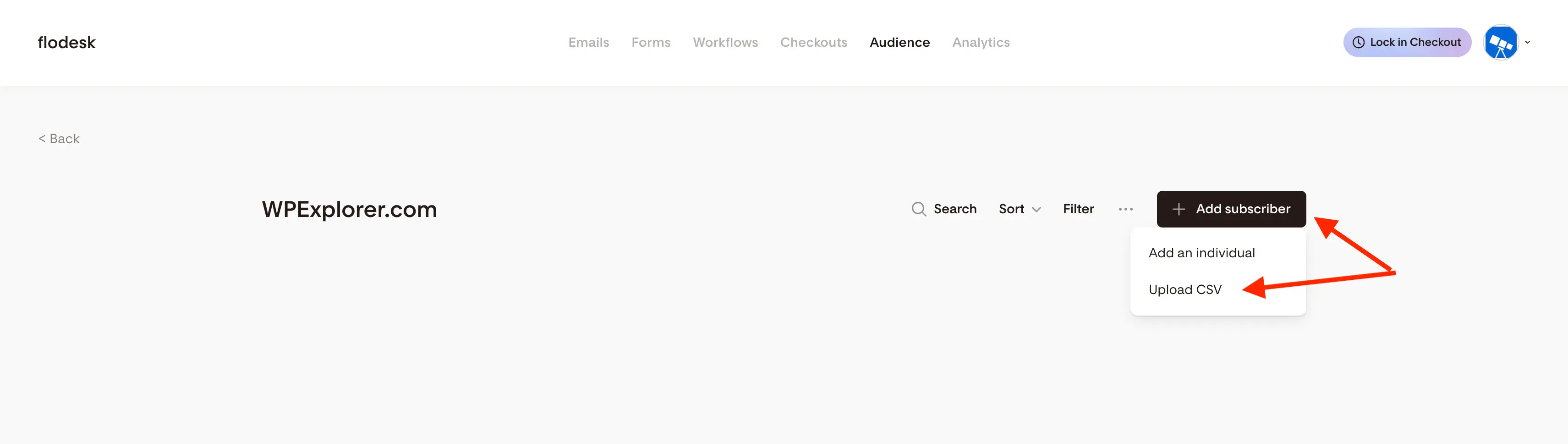
With destination segments established, administrators can initiate the data import sequence. The process requires uploading the optimized CSV file into the designated Flodesk segment, followed by a manual data-mapping phase. During this crucial step, the administrator directs the import wizard to associate specific columns from the source file with corresponding data fields in the destination database—matching email addresses to primary identifier fields, given names to profile fields, and auxiliary metadata to custom tags.
Depending on the aggregate volume of contacts contained within the database, processing times can vary significantly. ESP infrastructure typically queues large data imports to perform automated validation checks, spam-trap detection, and syntax verification. Once the background processing concludes, administrators receive system notifications confirming the successful integration of the contact records, enabling them to audit the newly populated segments directly within the platform dashboard.
Domain Warm-Up Protocols and Deliverability Management
A critical yet frequently overlooked component of migrating between email service providers is the implementation of a structured domain warm-up protocol. When an organization shifts its sending infrastructure from one ESP to another, the underlying technical infrastructure—specifically the sending Internet Protocol (IP) addresses and domain authentication records (such as SPF, DKIM, and DMARC)—undergoes a fundamental change.
Internet Service Providers (ISPs) and major inbox placement filters continuously monitor incoming mail volumes for sudden, anomalous spikes originating from newly configured or unrecognized sending domains. If a publisher immediately broadcasts a high-volume mailing to an entire database of tens of thousands of subscribers from a newly established infrastructure, recipient mail servers may flag the activity as suspicious, precipitating an abrupt decline in email deliverability or routing legitimate newsletters directly to spam folders.
To mitigate this operational risk, technical experts recommend a phased, iterative approach to volume scaling. Domain warming involves gradually increasing the daily sending volume over a period of several days or weeks, allowing recipient mail servers to build a positive sender reputation profile for the new infrastructure.
Leveraging Historical Engagement Data for Infrastructure Stabilization
A strategic advantage during migration is the utilization of historical engagement metrics captured from the legacy platform. For instance, data points such as Mailchimp’s internal member ratings or historical open and click-through rates provide an empirical foundation for prioritizing recipient cohorts during the domain-warm-up phase.
Publishers can structure their initial broadcast campaigns within Flodesk to target their most highly engaged subscribers—individuals who have consistently interacted with recent content. Because these highly engaged recipients are statistically unlikely to mark incoming messages as spam, initial engagement rates remain artificially high, signaling to mailbox providers that the sending domain is legitimate and valued by its recipients.
Subsequent mailing batches can then progressively incorporate broader segments of the audience, moving from highly active subscribers to moderately engaged contacts, and finally to unengaged or legacy subscribers. This methodical ramp-up period safeguards the publisher’s sender reputation, minimizes bounce rates, and ensures long-term inbox placement stability across major consumer and enterprise email clients.
Broader Industry Implications and Strategic Outlook
The migration trends observed among digital publishers reflect a broader maturation of the software-as-a-service marketplace. As enterprise software pricing models face increasing scrutiny from cost-conscious operators, alternative platforms that emphasize transparent, flat-rate pricing structures are capturing meaningful market share from legacy incumbents.
For the broader digital publishing ecosystem, the ability to execute seamless database migrations without incurring catastrophic data loss or deliverability penalties represents a vital operational competency. As email marketing remains a cornerstone of independent publishing and digital commerce, the continuous evaluation of ESP pricing, feature utility, and infrastructure reliability will remain a permanent fixture of strategic business management. Organizations that successfully navigate these technical transitions while safeguarding their sender reputations are uniquely positioned to optimize operational expenditures and sustain audience engagement in an increasingly competitive digital landscape.
Related posts: