The tradition of the paper planner remains a cornerstone of personal organization, even in an era dominated by digital calendar synchronization and cloud-based task management. As 2026 draws to a close, consumer interest in analog planning tools has spiked, driven by a growing body of research suggesting that the cognitive process of handwriting tasks significantly enhances memory retention and goal attainment compared to digital input. As planner manufacturers release their 2027 collections, the market has expanded to offer highly specialized solutions for students, professionals, and creatives alike.
The transition to a new year serves as a psychological "fresh start," a phenomenon often referred to by psychologists as the "temporal landmark effect." This creates a surge in demand for stationery products during the fourth quarter. For 2027, the industry is seeing a shift toward modularity, with "travel-style" notebooks and undated formats gaining significant market share over traditional, rigid daily planners.

The Science of Analog Organization
While digital wall calendars and smart notebooks offer unmatched convenience for collaborative scheduling, paper planners provide a unique tactile experience that fosters focus. According to recent studies published in journals such as Frontiers in Psychology, the act of physically writing down a schedule engages the reticular activating system, a part of the brain responsible for filtering incoming information. This process assists users in prioritizing their daily objectives more effectively than typing into an application. Consequently, the paper planner market has not just survived the digital age; it has evolved into a niche segment that emphasizes mindfulness and intentionality.
Strategic Selection: The Top Contenders for 2027
The current market for planners is segmented into three primary categories: daily, weekly, and modular. For the 2027 calendar year, the following options have emerged as top performers in terms of paper quality, layout versatility, and structural integrity.
The Roterunner Purpose Planner
For users seeking a comprehensive, all-in-one organizational tool, the Roterunner Purpose Planner stands out due to its undated, six-month format. This structure is particularly advantageous for users who may have inconsistent scheduling needs. By providing monthly and weekly spreads alongside dedicated sections for meal tracking, water intake, and gratitude journaling, it eliminates the need for a secondary notebook. The B5 size offers ample surface area for project brainstorming, while the A5 size serves as a more portable alternative. Its faux leather, soft-touch cover has gained industry praise for durability during daily transport.

The Hobonichi Techo and Cousin Series
Hobonichi, a brand synonymous with Japanese stationery excellence, continues to dominate the premium segment with its Techo and Techo Cousin models. These planners utilize Tomoe River S paper—a material renowned for its ultra-thin profile that remains remarkably resistant to ink bleeding. The Cousin model, which includes weekly spreads in addition to daily pages, offers a high level of customization. Users often employ the grid-based layout to section off time-blocked agendas from free-form notes, making it a favorite among bullet-journaling enthusiasts.
The Cloth & Paper Travel Notebook System
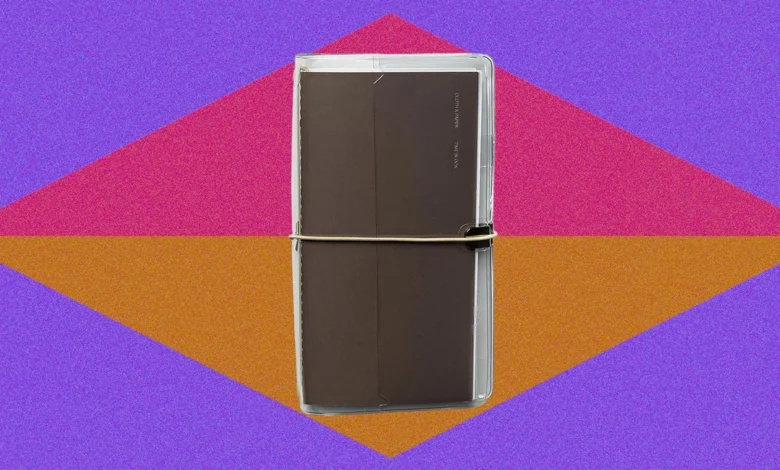
The "travel notebook" system represents the highest degree of personalization currently available. By utilizing a central cover with elastic bands, users can combine multiple booklets—such as task planners, wellness logs, and blank notebooks—into a single spine. Cloth & Paper’s collection is specifically noted for its A5 Slim format, which balances desk-bound utility with portability. This modular approach is increasingly favored by students who require separate sections for distinct academic subjects, as well as professionals who prefer to rotate specific inserts without replacing their entire binder.
Market Trends and Consumer Behavior
The 2027 planner cycle is characterized by an increase in "hybrid" planning habits. Manufacturers are responding to this trend by integrating digital-friendly features, such as QR codes that link to digital templates or smart-pen compatibility. However, the core of the market remains centered on the physical experience.

Data from major stationery retailers indicate that while price points for these premium planners range from $20 to over $80, the average consumer is willing to invest in higher-quality binding and paper stock. This indicates that the planner is no longer viewed as a disposable office supply, but rather as an essential professional or personal accessory.
Honorable Mentions and Specialized Tools
- Kokuyo Jibun Techo First Kit: Ideal for those who value structure, this system includes three distinct books: Diary, Life, and Idea. Its integration into a single cover system makes it an excellent choice for users who want to separate their long-term goal tracking from daily scheduling.
- The Big A## Planner: Designed strictly for the home office, this oversized planner provides a massive monthly view. It is arguably the most efficient tool for individuals managing large-scale, complex projects that require a bird’s-eye view of an entire month.
- Day Designer: A classic choice for those who need a high-volume daily planner. Its design is explicitly tailored for people with high-density schedules, providing dedicated columns for hourly planning and comprehensive to-do lists.
- Plum Paper A5 Vertical Priorities: This option offers the most granular customization. Users can tailor their page layouts to include specific habit trackers or column headers, ensuring that the planner adapts to the user’s workflow rather than the other way around.
Enhancing the Experience: Accessories
The modern planning ecosystem is incomplete without a selection of high-quality accessories. Fountain pens, such as the Pilot Metropolitan with a fine nib, have seen a resurgence in popularity among planner enthusiasts. The minimal pressure required for fountain pens prevents hand fatigue during long writing sessions. Additionally, specialized highlighters—such as those from Passion Planner—are now designed with muted, "vintage" color palettes that allow for color-coding without overwhelming the page visually.
Implications for the Future of Productivity
The sustained popularity of paper planners suggests that there is a fundamental human need for analog engagement in an increasingly digitized workspace. As we move into 2027, the focus is clearly on sustainability and modularity. Users are opting for systems that reduce waste—such as undated pages—and items that are built to last.

The implications for companies in this sector are clear: success in the stationery market now requires a balance of aesthetic appeal and functional depth. Whether a user chooses a simple, $20 hardback from Lemome or a highly specialized Japanese system, the primary goal remains the same: the creation of a physical record of one’s intentions and achievements. By choosing a planner that aligns with their personal workflow, users are not just organizing their time—they are engaging in a proven cognitive exercise that promotes mental clarity and sustained productivity throughout the calendar year.