Printify vs Inkedjoy: A Comprehensive Analysis of Leading Print-on-Demand Platforms for Modern Ecommerce

The print-on-demand (POD) industry has undergone a significant transformation since 2012, evolving from a niche service for hobbyists into a robust backbone for global e-commerce operations. As entrepreneurs increasingly seek to minimize upfront inventory costs, the competition between fulfillment giants like Printify and emerging specialists like Inkedjoy has intensified. Both platforms offer distinct pathways to market, yet they cater to fundamentally different operational needs. A rigorous analysis of current service capabilities, fulfillment metrics, and fiscal structures reveals that while both offer entry-level access for new merchants, their long-term scalability paths diverge sharply.
Background and Evolution of the POD Sector
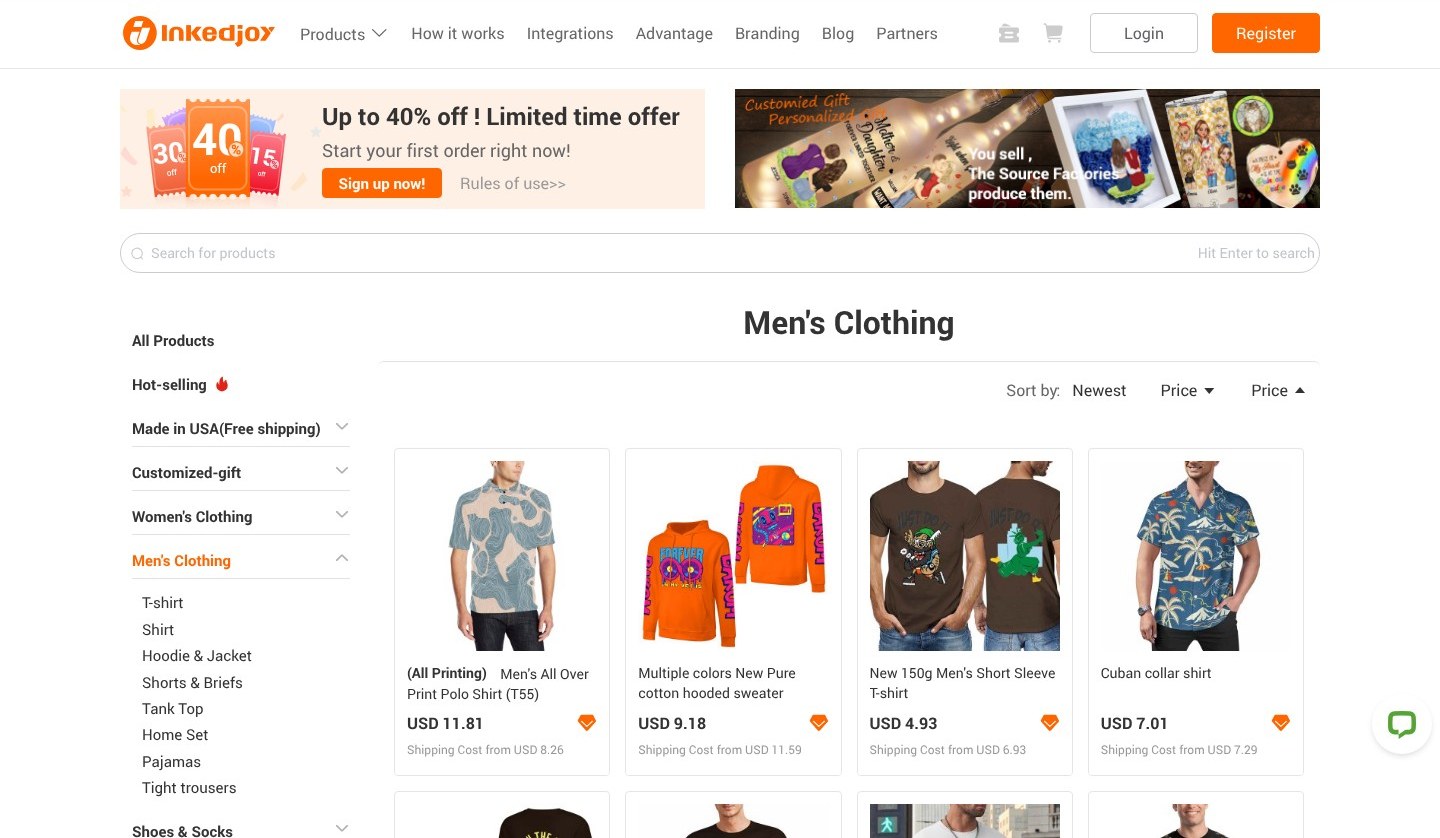
The rise of the "asset-light" business model has placed immense pressure on POD providers to optimize supply chain logistics. Printify, established with a focus on a distributed network of print providers, effectively disrupted the market by decentralizing production. This allows merchants to route orders to the closest facility, theoretically reducing shipping times and costs. Conversely, Inkedjoy, an offshoot of the EPROLO supply chain ecosystem, has positioned itself as a boutique alternative, emphasizing high-touch branding capabilities and specialized apparel finishes that mass-market providers often overlook.
The market shift toward multichannel selling—where a single brand may simultaneously operate on Shopify, Etsy, TikTok Shop, and Amazon—has forced these platforms to integrate more deeply with third-party software. Printify currently leads in this category, maintaining a vast network of over 140 print facilities, while Inkedjoy leverages its established sourcing network in China and Australia to maintain competitive base-product pricing.
Comparative Pricing and Fiscal Structure

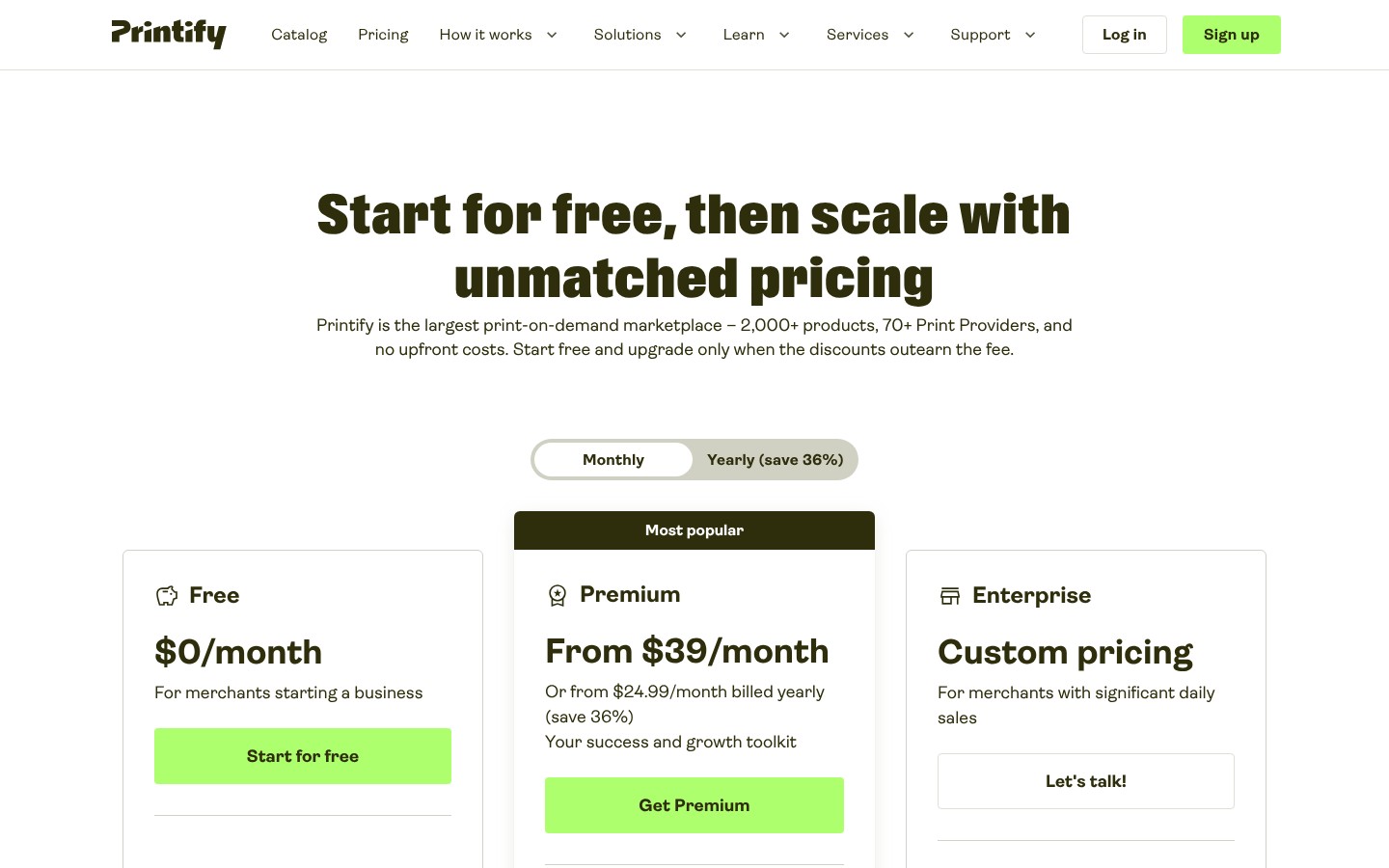
Financial viability for a POD business is determined by the total landed cost, which includes the base product, fulfillment, and shipping. A critical finding in recent performance testing is that while Inkedjoy often presents a lower "sticker price" for raw goods, Printify’s strategic advantage lies in its tiered subscription model, specifically Printify Premium.
Printify’s pricing architecture consists of a free-to-use tier and a premium tier starting at $24.99 per month (when billed annually). The primary benefit of the premium tier is a discount of up to 20% on all products, which becomes mathematically significant as order volume scales. For a merchant selling 100 units a month, these savings often offset the monthly subscription fee entirely.
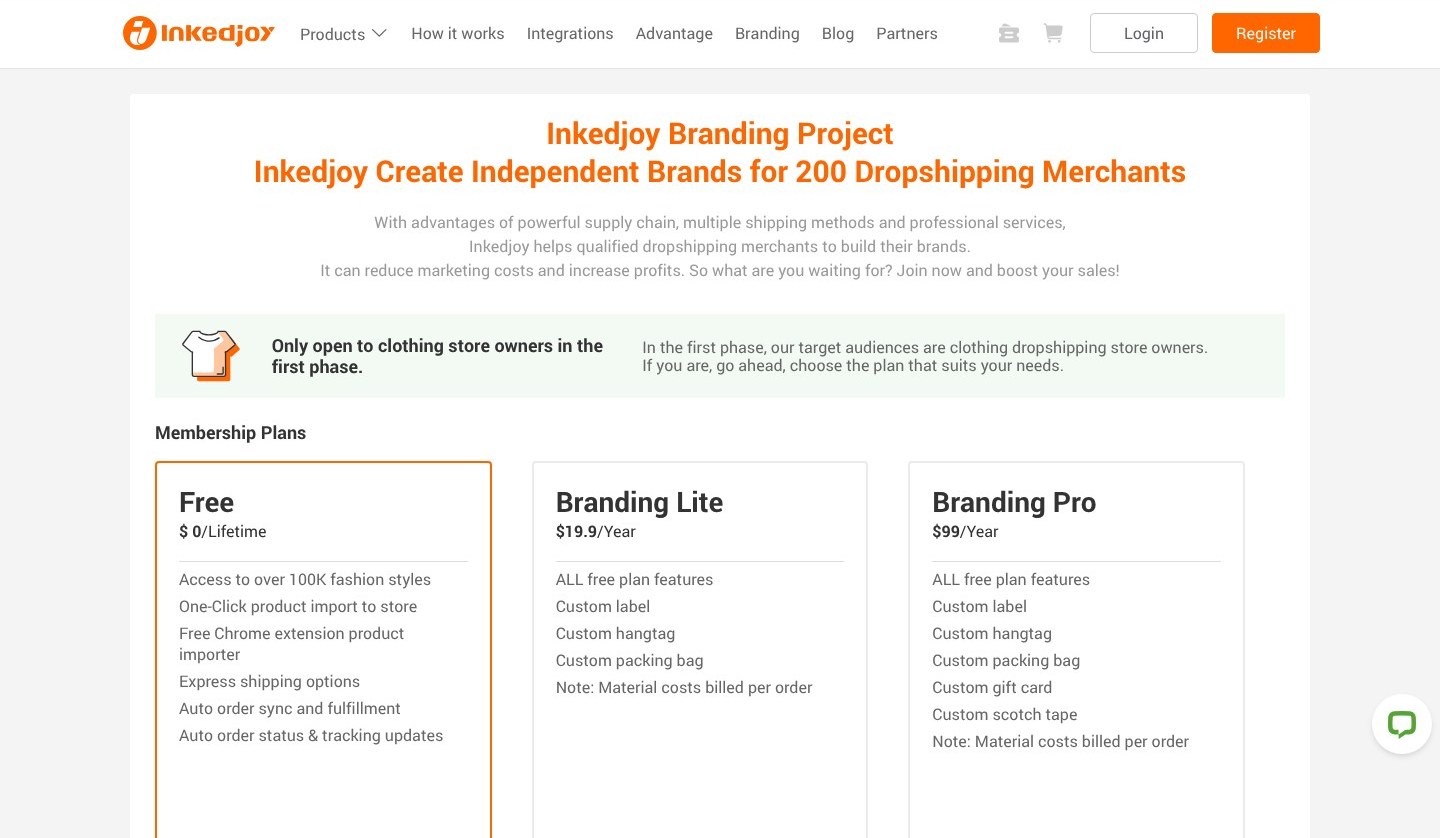
Inkedjoy operates on a different logic, focusing on "branding memberships." With an entry-level cost of $19.90 per year for its "Branding Lite" plan, the platform allows for custom labels, hangtags, and packaging bags. This is significantly cheaper for a startup than Printify’s monthly recurring cost, yet it lacks the broad-spectrum product discounts associated with the latter. Consequently, a retailer must calculate whether their business model prioritizes high-margin individual sales through custom packaging or high-volume sales through discounted base goods.

Product Catalog and Fulfillment Reliability
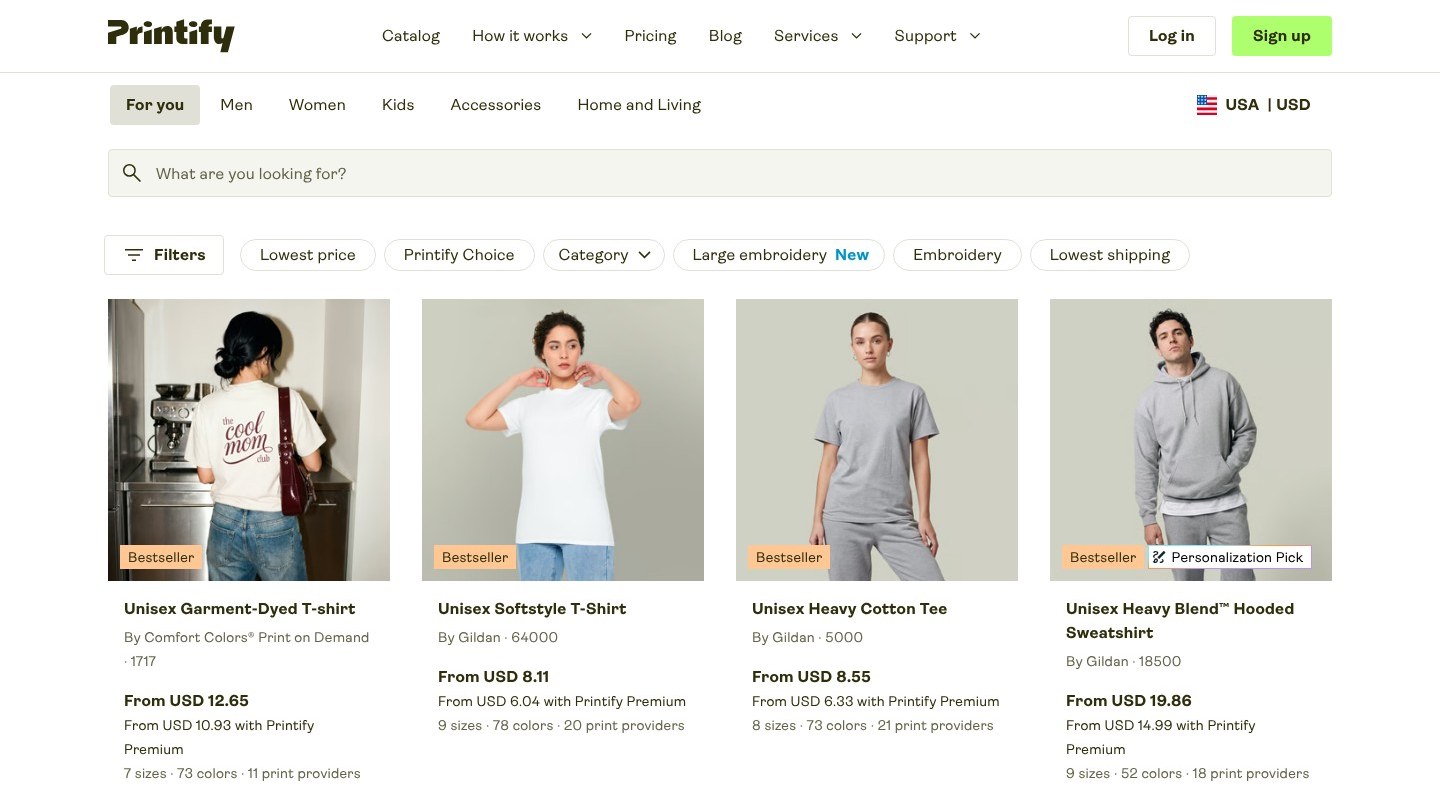
Printify currently boasts a catalog of over 2,000 products, while Inkedjoy hovers around 1,500. While the quantity difference may seem negligible, the qualitative difference in provider selection is profound. Printify’s provider-choice model allows merchants to select specific print partners based on location, average production time, and peer reviews. This flexibility is essential for mitigating the risks of supply chain disruption.
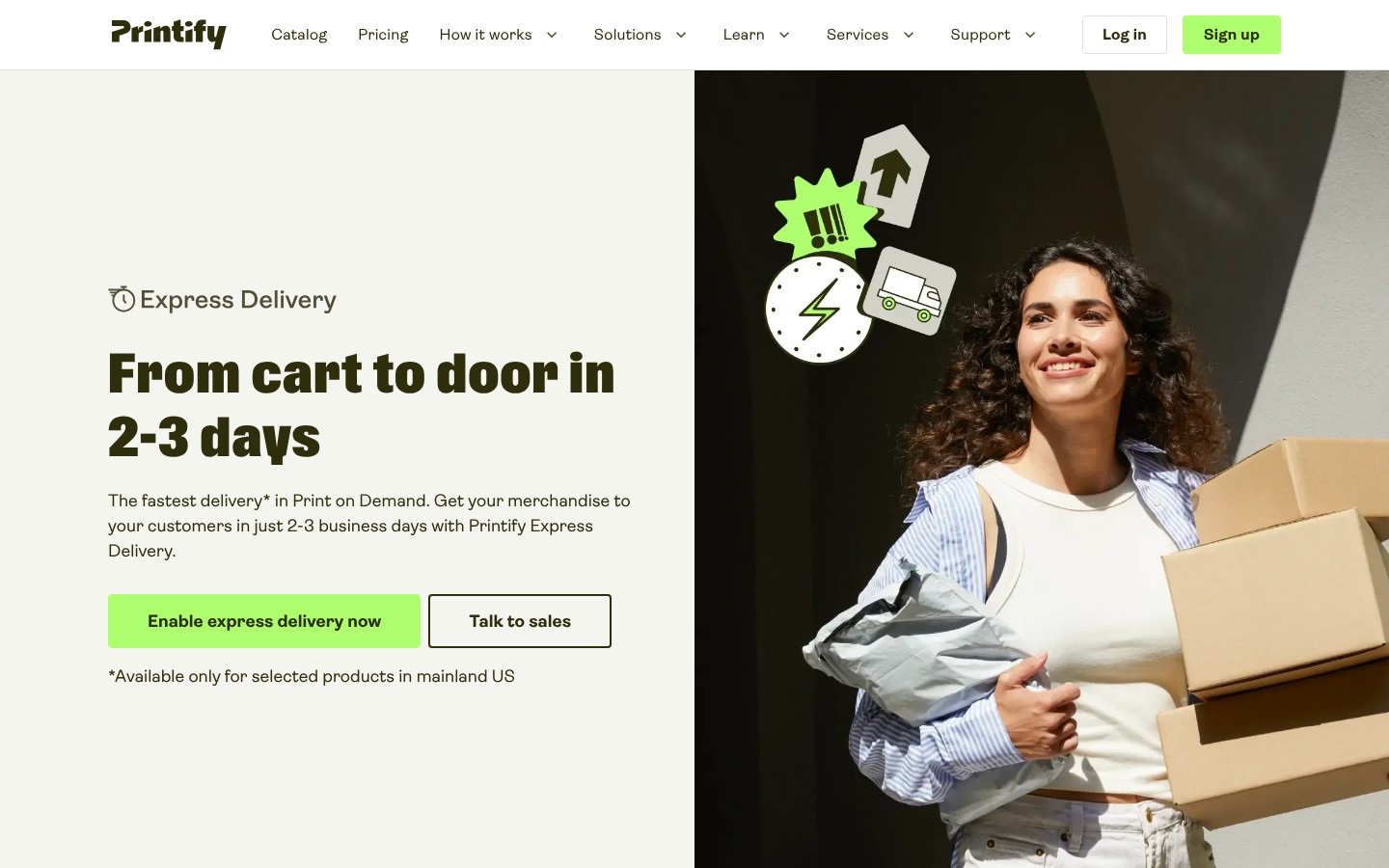
Inkedjoy’s fulfillment model, however, is highly centralized. Its heritage in the EPROLO network provides a level of quality control that is difficult for a decentralized network to replicate. For instance, in all-over-print (AOP) clothing—a sector where seam alignment and print consistency are notoriously difficult—Inkedjoy has demonstrated higher precision than the average Printify provider. However, this is countered by longer shipping lead times. While Printify offers an "Express" option for the mainland United States that promises delivery within two to three business days, Inkedjoy’s standard express shipping often fluctuates between 7 and 12 days.
Chronology of Platform Integration and Support
The integration capabilities of both platforms mirror their target audiences. Printify has spent the last decade building robust API connections to major platforms including Shopify, Etsy, WooCommerce, eBay, and TikTok Shop. This wide net makes it the preferred choice for scaling enterprises looking to capture market share across multiple search engines and social platforms.
Inkedjoy, having entered the mainstream integration market more recently, remains focused on Shopify and Etsy. This creates a streamlined, albeit restricted, environment. Merchants using Inkedjoy report that the setup process is faster for beginners because the platform handles the complexity of supply chain management internally, whereas Printify requires the merchant to make more "backend" decisions, such as selecting the optimal provider for each specific SKU.
Official Support and Merchant Feedback
Support structures serve as the final pillar of this comparison. Printify maintains a 24/7 live chat and email support system, which is vital for merchants operating in different time zones or those facing urgent fulfillment bottlenecks. According to data from the Shopify App Store, both platforms hold a 4.7-star rating, yet the volume of feedback is disparate: Printify has amassed over 4,300 reviews, providing a granular, statistically significant look at user experiences, while Inkedjoy holds approximately 140 reviews.
The implications for a new merchant are clear: Printify’s support ecosystem is battle-tested, with standardized procedures for reprints and refunds. Inkedjoy, while smaller, provides a more personalized support experience that often results in faster refund processing (typically 24 to 48 hours), but it lacks the depth of a vast, community-vetted knowledge base.
Analysis of Broader Market Implications
The divergence between these two platforms highlights a maturing POD market. We are moving away from a "one-size-fits-all" solution toward specialized fulfillment. Printify’s strategy is clearly oriented toward the "Generalist Scaler"—the merchant who needs speed, variety, and the ability to pivot between different marketplaces. In contrast, Inkedjoy is optimized for the "Brand Builder"—the entrepreneur who values the tactile experience of unboxing, the importance of custom branding, and the stability of a controlled, if slightly slower, supply chain.
As the industry moves toward 2027, the primary challenge for both platforms will be the rising cost of logistics and the increasing demand for sustainable materials. Merchants are advised to conduct "dummy orders" on both platforms to compare the exact landed cost for their most popular products. This empirical approach, rather than relying on marketing claims, is the only way to determine which platform will sustain a healthy profit margin in the long term.
Conclusion for Prospective Sellers
For the majority of sellers, the choice between Printify and Inkedjoy comes down to the business’s current lifecycle stage. If the priority is scaling rapidly across multiple platforms, accessing the largest variety of goods, and maintaining short shipping windows for US customers, Printify remains the industry benchmark. If the priority is building a high-end, brand-centric clothing line with unique packaging requirements at a low initial cost, Inkedjoy offers a superior value proposition. Both platforms provide the essential infrastructure required to start, but the divergence in their service models requires a careful audit of one’s specific brand requirements before committing to a long-term fulfillment partnership.