Beyond the Bar: Why Modern Workplaces Are Replacing Alcohol-Centric Team Building with Wellness and Purpose

The modern corporate landscape is undergoing a profound cultural shift as organizations increasingly move away from traditional, alcohol-centric social events in favor of inclusive, health-conscious team-building strategies. For decades, the quarterly off-site, the Friday evening happy hour, and the celebratory holiday party have served as foundational pillars of corporate culture. However, a growing body of workforce research, coupled with shifting demographic priorities, indicates that mandatory or heavily pressured drinking environments are alienating significant portions of the workforce. As corporate leaders reevaluate how teams connect, companies are discovering that sustainable workplace engagement relies on shared purpose, professional growth, and holistic well-being rather than the traditional neighborhood bar.
The catalyst for this cultural reassessment often stems from deeply uncomfortable personal experiences that highlight the dark side of forced corporate festivity. Across industries, employees frequently recount scenarios wherein professional boundaries are blurred or outright erased in the presence of alcohol. A common narrative involves corporate retreats where supervisors, attempting to foster camaraderie, resort to aggressive peer pressure. In many instances, workers report being publicly cajoled or mocked into consuming alcohol against their personal preferences, creating an atmosphere reminiscent of a university fraternity rather than a professional environment.
To navigate these uncomfortable social mines without alienating management, a substantial number of workers have adopted covert coping mechanisms. Employees routinely resort to holding glasses of club soda adorned with lime wedges or tonic water with ice, visually mimicking alcoholic beverages simply to deter persistent colleagues from pushing drinks. This elaborate theater underscores a pervasive anxiety: the fear that opting out of drinking will result in professional marginalization, social exclusion, or being labeled as uncooperative.
Data compiled by human resources analysts demonstrates that these isolated incidents are part of a broader, systemic discomfort within the contemporary workforce. According to studies from workplace advisory groups such as HR Daily Advisor, approximately 33 percent of employees express a clear preference for alcohol-free work events. Furthermore, roughly 15 percent of workers report feeling actively obligated to consume alcohol at corporate functions despite their personal reservations. This dynamic introduces toxic social friction into organizations. When team bonding is inextricably linked to intoxicating substances, employees who abstain due to religious convictions, health reasons, recovery journeys, or personal preference are systematically excluded from informal networking opportunities that can influence career progression. Consequently, alienated staff members frequently choose to disengage entirely, skipping team off-sites, networking lunches, and celebratory gatherings, which ultimately degrades overall company culture and departmental cohesion.
The economic and cultural implications of this shift have prompted executive leadership teams to explore alternative methods for fostering interpersonal relationships among colleagues. Rather than relying on fermented or distilled beverages to break the ice, forward-thinking enterprises are implementing structured, health-oriented programs that respect individual boundaries while promoting genuine connection. Industry experts note that the transition away from the traditional happy hour is not merely a passing trend, but a necessary evolution in corporate human resources management designed to reflect the holistic priorities of modern talent.
Well-Being Hours Replace the Traditional Happy Hour
One of the most notable developments in corporate wellness is the rise of the well-being hour, which has begun to eclipse the traditional evening happy hour as the preferred method for unwinding after a productive workday. Comprehensive data gathered by corporate wellness platforms, including Wellhub, highlights a fundamental behavioral shift in how professionals utilize their personal time following standard business hours. Global analytics indicate that Tuesdays at 6:00 p.m. have emerged as peak times for wellness activities worldwide, directly supplanting the historical dominance of the post-work drinking session.
This behavioral pivot aligns with an increasing prioritization of physical fitness, nutritional awareness, mental health maintenance, and preventative healthcare among modern employees. Cesar Carvalho, Chief Executive Officer and co-founder of Wellhub, emphasizes the necessity of this transition. For an extended period, corporate team bonding was synonymous with visiting a crowded bar, but contemporary workplace standards demand a more sustainable approach. Movement, physical activity, and active recovery are no longer viewed merely as breaks from the demands of the workday; rather, they are recognized as foundational elements that enable professionals to perform effectively throughout the remainder of their personal and professional lives.
Organizations are operationalizing this philosophy by integrating group fitness initiatives into their standard operational calendars. Instead of gathering around a makeshift bar, modern teams frequently participate in organized spin classes, group runs, yoga sessions, or guided mindfulness workshops. For companies that engage in frequent business travel, corporate off-sites now regularly feature outdoor walking tours of host cities, active hiking excursions, or structured athletic tournaments. Additionally, many forward-thinking managers have abandoned sedentary conference room meetings in favor of walking one-on-ones, allowing colleagues to collaborate while engaging in light physical exertion. These activities foster organic team cohesion through shared physical challenges and mutual encouragement, completely bypassing the social pressures associated with alcohol consumption.
The Resurgence of Professional Book Clubs
Beyond physical wellness, intellectual engagement has emerged as a powerful vehicle for building substantive workplace relationships. In recent years, corporate book clubs have experienced a significant resurgence, transforming from casual hobbyist circles into mainstream professional development tools. Market data from ticketing and event platforms like Eventbrite reveals a notable surge in book club participation, reflecting a broader societal trend among younger generations, including Millennials and Generation Z, who actively seek community, shared learning, and intellectual stimulation in their social and professional interactions.
The implementation of workplace book clubs offers a dual benefit: it stimulates cognitive curiosity while establishing a reliable framework for meaningful dialogue. Tracy Avin, founder of TroopHR, a professional community dedicated to supporting modern human resources leaders, notes that executive management teams frequently struggle with maintaining long-term employee engagement and fostering continuous learning environments. Introducing a shared reading initiative provides staff members with a structured, purposeful topic of conversation.
In a traditional happy hour setting, interactions often revolve around superficial or fleeting topics, frequently catalyzed by alcohol. In contrast, a professional book club redirects the conversational focus from consumption to contemplation. Instead of asking what team members are drinking, colleagues deliberate on what they are thinking, analyzing complex leadership theories, industry trends, or memoirs from business innovators. This cognitive shift facilitates deeper interpersonal connections, enhances empathy among team members, and cultivates a workplace culture rooted in continuous education and intellectual curiosity, the benefits of which persist long after the official meeting concludes.
Collective Impact Through Community Volunteerism
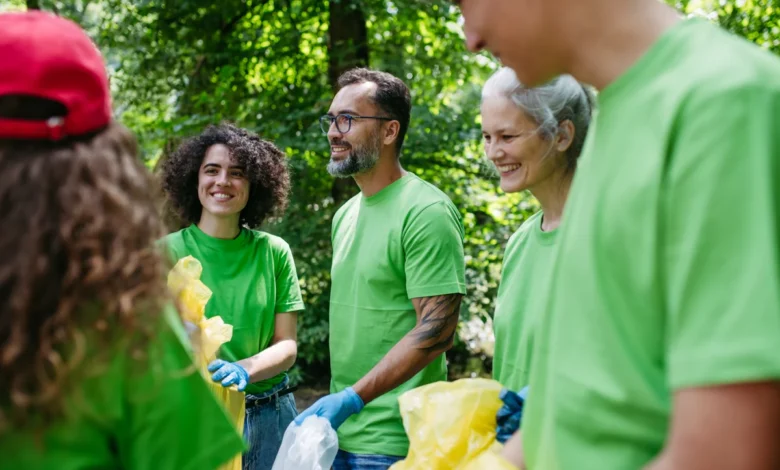
Another highly effective strategy replacing the traditional corporate happy hour is organized community service and philanthropic engagement. Team volunteerism allows organizational units to direct their collective energy toward charitable causes, addressing local needs while simultaneously strengthening internal bonds. Human resources professionals have increasingly integrated corporate social responsibility initiatives into their standard team-building calendars, partnering with established non-profit organizations such as Habitat for Humanity, Meals on Wheels America, Dress for Success, and Big Brothers Big Sisters of America. Additionally, many teams establish direct, ongoing relationships with regional food pantries, community gardens, or animal shelters to maintain a consistent local footprint.
When organizations commit to recurring volunteer days—such as a quarterly community outreach initiative—the nature of team interaction transforms fundamentally. Employees collaborate on manual labor, logistical coordination, or service delivery, working toward a tangible, altruistic objective that transcends corporate Key Performance Indicators (KPIs) or annual sales targets. This environment encourages team members to observe each other’s patience, resilience, problem-solving capabilities, and empathy in real-world scenarios.
Participating in philanthropic efforts provides a profound sense of shared purpose that commercial nightlife simply cannot replicate. Team members forge authentic bonds built on shared altruism and community impact, eliminating any requirement for artificial social lubricants.
Broader Implications for Corporate Culture and Employee Retention
The collective movement away from alcohol-centric corporate events carries significant implications for talent acquisition, employee retention, and overall organizational health. In a competitive labor market, prospective employees increasingly evaluate potential employers based on the authenticity and inclusivity of their workplace culture. Companies that continue to center their social calendars around drinking risk alienating top-tier talent who prioritize health, wellness, and psychological safety.
Furthermore, minimizing or entirely removing alcohol from mandatory or semi-mandatory corporate functions mitigates significant legal and reputational risks for employers. Incidents of professional misconduct, harassment, and impaired driving stemming from excessive alcohol consumption at corporate off-sites have historically resulted in severe liability, reputational damage, and employee attrition. By adopting alternative bonding mechanisms centered on physical wellness, intellectual growth, and community service, organizations create safer, more equitable environments where all employees feel valued and included.
Ultimately, the future of team building lies in intentional design rather than institutional habit. Whether through a shared yoga class, an engaging literary discussion, or a collaborative day of volunteering, modern enterprises are proving that successful organizational culture does not depend on the contents of a glass. By fostering environments that prioritize holistic well-being and genuine human connection, companies can cultivate resilient, highly engaged teams prepared to meet the demands of the modern business world.