The political landscape of the United States shifted noticeably following the November 3, 2026, midterm elections, sparking an unexpected cultural wave across digital platforms. As Democratic candidates secured critical victories in traditionally Republican-leaning strongholds such as Texas and Kansas, online spaces experienced an abrupt and profound shift in tone. Users across TikTok, X (formerly Twitter), and Instagram began leaning heavily into a very specific brand of early-2010s nostalgia. The internet was suddenly awash with references to the Barack Obama presidential era, viral anthems like fun.’s "We Are Young," clips from the musical Hamilton, and celebratory declarations of a "blue tsunami."
This digital phenomenon has led cultural analysts, creators, and everyday internet users to ask a singular, overarching question: Is millennial optimism back?
To understand how a mid-decade congressional election cycle triggered a wave of retrospective pop-culture longing, it is necessary to examine how the concept of "millennial optimism" has evolved on social media over the past several years, the underlying psychological forces driving younger generations to look backward, and the real-world political developments that brought these feelings to the surface.
The Genesis of a Trend: The TikTok Nostalgia Cycle
Long before election night upended political prognostications, the phrase "millennial optimism" had already established itself as a breakout concept across social media platforms, particularly TikTok. Throughout the preceding year, Gen Z and younger millennial users engaged in a widespread trend of sharing heavily filtered, low-fidelity throwback imagery from the late 2000s and early 2010s.
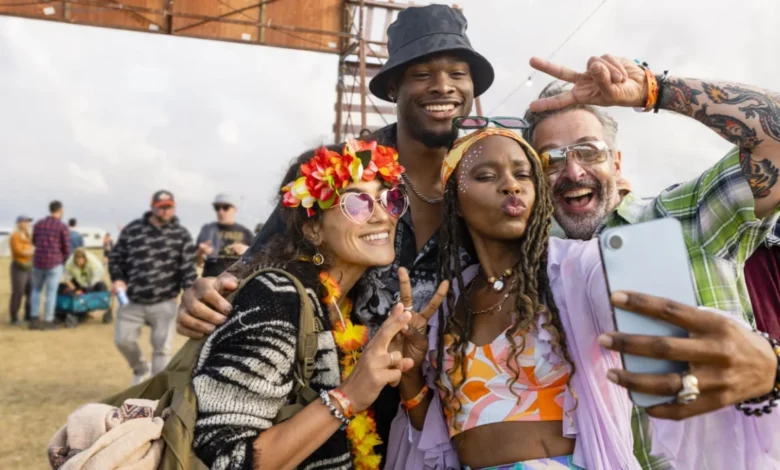
These digital memory boxes typically featured Apple Photo Booth selfies, iconic fashion staples like chunky statement necklaces, flower crowns, mustache accessories, and vintage snapshots of friends gathered at music festivals. The aesthetic was almost universally paired with indie-pop soundtracks of the era, such as The Middle East’s 2009 song "Blood" or indie-folk melodies by bands like The Lumineers playing through tangled, white wired earbuds.
However, the appeal of this nostalgic wave extended far beyond surface-level fashion choices and defunct social media aesthetics. Younger internet users found themselves drawn to the prevailing emotional zeitgeist of that period—an era defined, rightly or wrongly, by a collective sense of forward momentum and hope.

For many older Gen Z individuals who experienced those years as children or pre-teens, the content offered a bittersweet window into an imagined version of young adulthood. It was an era shaped by the soaring rhetoric of the Obama presidency and an internet culture that felt more decentralized, community-driven, and insulated from the hyper-monetized algorithmic oversight that defines modern social media.
As one prominent X user articulated while reflecting on the trend, millennial optimism often invokes a complex sense of loss for those who watched it unfold from the sidelines: "It was so aspirational to us… like we saw it in real time but weren’t quite old enough to be there, but it felt like a promised future that never came."
Election Night 2026: When Nostalgia Met Reality
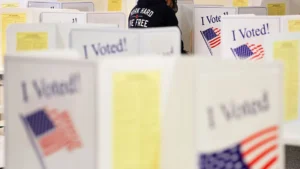
That "promised future," once viewed as a distant and unattainable relic of the past, suddenly collided with current events on November 3, 2026. As initial election returns rolled in, revealing unexpected Democratic sweeps and legislative majorities in the House and Senate—alongside striking state-level breakthroughs in historically conservative territories—the digital reaction was immediate.
The juxtaposition of hard-fought political victories with a pre-existing cultural fixation on the early 2010s created a powerful feedback loop. The internet did not merely celebrate the election results; it dressed them in the cultural vestments of a bygone era.
Within hours of the projected outcomes, search engine data reflected an unprecedented surge of interest. Google analytics reported that "millennial optimism" had transformed into a breakout search term, experiencing a staggering 5,000 percent increase in query volume within a 24-hour window. Social media feeds filled with ironic yet genuinely enthusiastic declarations of returning to form. Users posted clips of impromptu post-election celebrations in cities like Austin, Texas, soundtracked by anthems of a decade prior, while others joked about dusting off the original Hamilton Broadway soundtrack—a cultural touchstone that debuted during Obama’s second term.
Corporate brands were quick to capitalize on the momentum. BuzzFeed, an iconic media pillar of the early-2010s internet, leaned into the discourse by publicly joking about reverting to its classic color schemes and editorial formatting, prompting further waves of nostalgic engagement from amused users.
Factoring in the Past: The Complex Reality of the Obama Era
While the internet’s collective memory has framed the late 2000s and early 2010s as a golden age of unbridled hope, historians and cultural critics are quick to point out a historical disconnect. The real-world experiences of millennials during that exact window were fraught with severe economic hardship.

The generation came of age directly in the shadow of the 2008 global financial crisis, grappling with a brutal job market, skyrocketing higher education costs, mounting student loan debt, and delayed milestones of adulthood like homeownership and financial independence. The political landscape of that decade was also deeply polarized, marred by fierce legislative battles, economic stagnation, and mounting anxieties over global stability.
Despite these harsh realities, the cultural memory persists because "millennial optimism" functions less as a strict historical recounting and more as an emotional placeholder. It represents an idealized state of collective agency—the belief that civic participation, cultural solidarity, and forward-thinking leadership could actively bend the arc of the future toward progress.
Broader Implications and Future Outlook
The resurgence of this specific emotional framework in the wake of the 2026 midterms highlights a deeper psychological fatigue among voters. After years defined by intense political cynicism, economic pressures, social media polarization, and global instability, citizens are actively seeking out narratives that validate hope and collective efficacy.
Whether this newly energized wave of optimism will translate into sustained political engagement or long-term structural changes remains to be seen. Analysts note that the durability of this movement will depend entirely on how effectively newly elected officials can deliver on the expectations of a weary electorate.
For now, however, the internet has made its preference clear. As long as the political winds continue to favor unexpected victories, the collective psyche of the digital sphere will likely continue to reach for its favorite security blanket: a comforting blend of 2012 indie-pop, retro digital aesthetics, and the enduring, if complicated, belief that better days might still be ahead.