MIT Researchers Regina Barzilay and James Collins Win 2026 Pritzker Prize for AI-Driven Antibiotic Discoveries

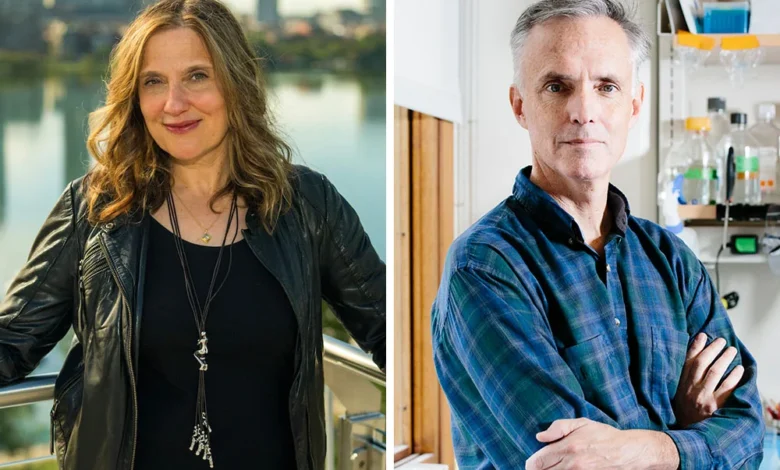
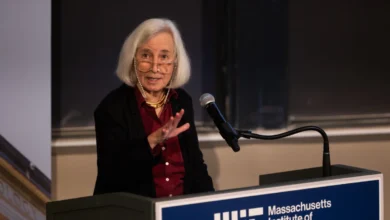
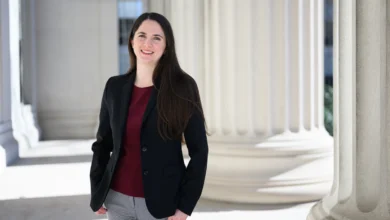
In an era defined by the convergence of computer science and the life sciences, two prominent researchers from the Massachusetts Institute of Technology (MIT) have been recognized for a body of work that could fundamentally alter the future of modern medicine. Regina Barzilay, MIT’s School of Engineering Distinguished Professor of AI and Health, and James Collins, MIT’s Termeer Professor of Medical Engineering and Science, have been named the recipients of the prestigious 2026 Pritzker Prize for AI in Science Research Excellence.
The announcement, jointly administered by the University of Chicago and the California Institute of Technology (Caltech), highlights the transformative potential of artificial intelligence when tightly integrated with bioengineering and rigorous laboratory validation. Barzilay and Collins were specifically honored for their pioneering framework in AI-enabled antibiotic discovery—a breakthrough approach that has successfully identified novel antibacterial candidates capable of neutralizing dangerous, drug-resistant pathogens.
Established in 2024, the Pritzker Prize for AI in Science Research Excellence seeks to celebrate individuals whose breakthroughs simultaneously advance artificial intelligence and the natural sciences or engineering. The recognition of the MIT researchers underscores the growing institutional and scientific consensus that machine learning is no longer merely a computational auxiliary, but a primary driver of biological discovery.
The Genesis of a Medical Revolution: Halicin and the 2020 Breakthrough
The foundation for this recognition was laid publicly in 2020, when Barzilay, Collins, and their research team published a landmark paper in the journal Cell. Authored alongside Jonathan Stokes—then an MIT postdoctoral researcher and now an assistant professor at McMaster University—the study detailed the identification of the first-ever artificial intelligence-discovered antibiotic.
Named "halicin" as a nod to HAL 9000, the fictional sentient computer system in Stanley Kubrick’s 1968 cinematic masterpiece 2001: A Space Odyssey, the molecule represented a radical departure from traditional pharmaceutical pipelines. Originally investigated years prior as a potential human treatment for diabetes, halicin was flagged by a deep learning model trained on a library of approximately 2,500 diverse molecules.
When subjected to wet-lab testing by the research team, halicin demonstrated a remarkable ability to eradicate stubborn, multi-drug resistant bacterial strains—colloquially known as "superbugs." These included Clostridium difficile, which causes severe and sometimes fatal intestinal infections; Acinetobacter baumannii, a notoriously persistent hospital-acquired pathogen; and Mycobacterium tuberculosis, the bacterium responsible for tuberculosis.
Crucially, the computational phase of the discovery process was completed in a matter of weeks—a fraction of the years typically required by conventional high-throughput screening methods. This velocity offered a much-needed beacon of hope against the escalating global health threat posed by antimicrobial resistance (AMR).
Refining the Science: The Discovery of Abaucin in 2023
Building upon the momentum of their initial success, Barzilay, Collins, and Stokes continued to refine their machine-learning architecture to address more specific clinical challenges. In 2023, the team announced the discovery of abaucin, a narrow-spectrum antibiotic engineered to target Acinetobacter baumannii specifically.
This pathogen has long presented a formidable challenge to clinical settings, frequently colonizing hospital doorknobs, medical equipment, and the open wounds of trauma patients, including military personnel deployed to conflict zones in Iraq and Afghanistan. Unlike broad-spectrum antibiotics, which can devastate beneficial gut microbiomes and inadvertently accelerate the spread of resistance across unrelated bacterial species, abaucin’s narrow-spectrum efficacy acts with surgical precision. By targeting only the pathogenic strain, the drug minimizes the evolutionary pressure that typically drives bacteria to develop widespread drug resistance.
This iterative progression from broad-spectrum discovery to targeted molecular design illustrated the evolving sophistication of AI algorithms in handling complex biological datasets.
Understanding the Antimicrobial Resistance Crisis
To fully appreciate the significance of the work being honored by the 2026 Pritzker Prize, one must examine the perilous landscape of modern global health. For decades, the pharmaceutical industry has faced a severe innovation drought regarding new classes of antibiotics. Traditional discovery methods—relying heavily on the screening of natural products or chemical libraries through trial-and-error—have grown increasingly expensive, slow, and yield diminishing returns.
Meanwhile, the overuse and misuse of existing antibiotics have accelerated the evolution of resistant pathogens. According to global health organizations, antimicrobial resistance is responsible for millions of deaths annually, threatening to push modern medicine into a "post-antibiotic era" where routine infections and minor surgical procedures could once again become fatal.
By compressing the timeline of candidate identification from decades to weeks, the methodologies pioneered by Barzilay and Collins offer a vital economic and operational counterweight to the AMR crisis. Their work demonstrates that computational biology can systematically explore chemical spaces far too vast for human researchers to navigate manually.
Perspectives from the Laureates: From Discovery to Design
Reflecting on the evolution of the field, James Collins emphasized the paradigm shift occurring within pharmaceutical research.
"Historically, antibiotic discovery has depended on laborious, trial-and-error strategies," Collins noted. "This process is slow, costly, and unpredictable, often yielding few viable antibiotic candidates. With generative AI, we’re now seeing a shift from AI being used as a tool for discovery to AI being used as a design tool. This shift opens new frontiers in antibiotic discovery that could bring us the next generation of lifesaving drugs."
At the same time, Regina Barzilay offered a measured assessment of the current technological horizon, emphasizing that significant hurdles remain before AI can fully automate the entire pharmacological pipeline.
"Despite significant progress in molecular modeling, we are still in early stages of drug discovery," Barzilay observed. "With AI, we can only automate parts of the pipeline, rather than totally transforming the discovery process. To make it happen, we need to work really hard to build realistic AI models of human biology."
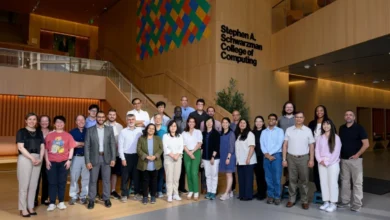
Both researchers serve as faculty co-leads of the Abdul Latif Jameel Clinic for Machine Learning in Health (Jameel Clinic) at MIT, while also maintaining affiliations with the MIT Schwarzman College of Computing and the MIT School of Engineering. Their collaborative environment has fostered a multidisciplinary synergy, combining machine learning experts with bioengineers and experimental biologists.
Broader Impact and Future Implications
The bestowal of the 2026 Pritzker Prize for AI in Science Research Excellence is expected to accelerate investment and interest in computational drug discovery across academic and industrial sectors. As venture capital and pharmaceutical firms increasingly pivot toward AI-integrated pipelines, the framework established by the MIT Jameel Clinic serves as a blueprint for future research.
Beyond antibiotics, the underlying methodologies developed by Barzilay and Collins hold profound implications for other therapeutic areas, including oncology, immunology, and rare genetic disorders. By demonstrating that machine learning models can accurately predict molecular behavior and therapeutic efficacy in vivo, the researchers have paved the way for a broader revolution in rational drug design.
As the scientific community prepares to celebrate the laureates at the official award ceremony, the true legacy of their work will continue to unfold in laboratories and clinical settings worldwide—where algorithms and bioengineering intersect to defend human health against evolving microscopic threats.