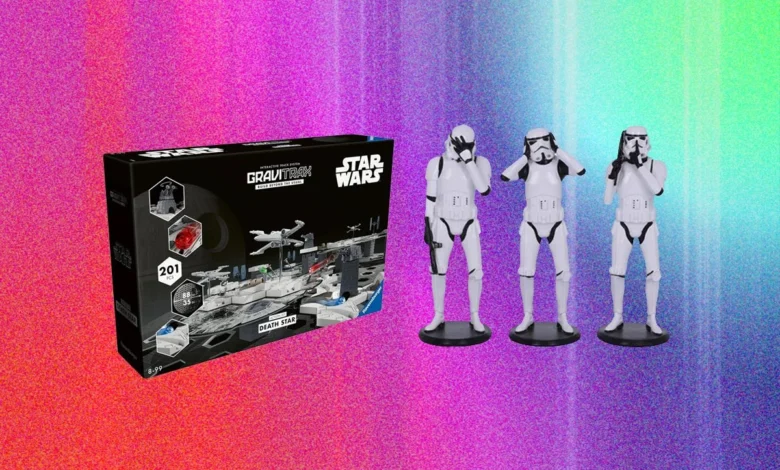
The enduring legacy of the Star Wars franchise, which debuted in 1977, continues to exert a profound influence on the global consumer goods market. As of November 2026, the intersection of nostalgia, advanced engineering, and collector-grade manufacturing has created a robust ecosystem for fans of the saga. Whether targeting the original generation of viewers or the younger demographic captivated by the prequel and streaming-era content, the merchandise landscape reflects a sophisticated blend of high-end memorabilia and interactive play.

The Evolution of Star Wars Merchandising
The commercial history of Star Wars is often cited as the foundation of the modern licensing industry. Following the 1977 release of A New Hope, Kenner Products famously sold empty boxes with "Early Bird Certificate Packages" because they could not manufacture the action figures fast enough to meet holiday demand. This marked the beginning of a multi-billion-dollar industry that has evolved from basic plastic toys into complex, screen-accurate replicas and high-fidelity building sets.
In the current market, consumer behavior has shifted toward "adult-oriented" collectibles. Data from retail analysts indicates that the "kidult" demographic—adults purchasing toys and collectibles for themselves—now accounts for a significant portion of annual toy sales. Companies like Hasbro and The Lego Group have pivoted accordingly, releasing items that prioritize display value and technical construction over simple playability.

Notable Collectibles and Premium Hardware
The Hasbro Black Series Electronic Helmets
Among the most sought-after items for display are the Hasbro Star Wars The Black Series electronic helmets. These pieces, such as the Boba Fett Premium Electronic Helmet, serve as a testament to the advancements in mass-market manufacturing. Utilizing injection-molded plastics and integrated electronic components, these helmets offer a level of detail previously reserved for high-end custom props.
Market fluctuations for these items are common, with prices ranging from $96 to $235 depending on the retailer and current promotional discounts. The integration of voice-distorting technology and adjustable interior padding highlights the transition of these items from mere toys to functional costume pieces suitable for cosplay and home exhibition.

The Lego Star Wars Building Experience
The Lego Star Wars collaboration remains the gold standard for licensed construction sets. The 2026 lineup, including the "Smart Play Throne Room Duel and A-Wing" sets, demonstrates the brand’s commitment to combining aesthetic appeal with complex engineering. These sets, priced competitively between $125 and $160, cater to both the novice builder and the serious collector.
The inclusion of interactive, "smart" play elements in recent releases signals a shift toward bridging the gap between physical construction and digital engagement. Analysts note that these sets often appreciate in value on the secondary market, providing a financial incentive for collectors to maintain the original packaging, which adds a secondary layer of investment-grade interest to the hobby.

Artistic Memorabilia: The Displate Trend
The rise of Displate’s magnetic metal posters has changed how fans decorate their spaces. By printing high-resolution, officially licensed artwork onto durable steel plates, the company offers a premium alternative to traditional paper posters. The "Revenge of the Sith 20th Anniversary" collection, for instance, highlights the franchise’s ability to monetize milestone anniversaries through high-quality, long-lasting artistic mediums. These items, usually retailing around $50 to $57, represent the modern intersection of digital art and physical home decor.
Target Darts: Precision-Engineered Collectibles
The partnership between Target Darts and the Star Wars brand represents a niche but significant sector of the market. The Darth Vader-themed tungsten dart sets, priced between $250 and $380, illustrate how the franchise permeates diverse hobbyist communities. These are not merely decorative items but professional-grade sporting equipment, demonstrating that the Star Wars brand identity is no longer confined to traditional action figure retailers.

The Cultural Impact of the Prequel and Modern Era
The generational shift in fan interest is particularly notable in 2026. While the original trilogy maintains its status as the foundational text of the series, the prequel trilogy—which began its theatrical run in 1999—has experienced a resurgence in popularity among younger adult demographics. This shift is reflected in the product focus of manufacturers, who now prioritize characters and vehicles from the prequels and the expanded universe of Disney+ streaming series.
Consumer surveys suggest that today’s fans are increasingly seeking "experience-based" gifts. Items that allow for manual assembly, such as complex Lego builds or sophisticated model painting, are trending higher than static, pre-assembled statues. This reflects a broader trend in hobbyist behavior: the desire to participate in the creation of the fandom experience rather than merely consuming it.

Economic Implications and Retail Strategy
The pricing models observed in the 2026 market suggest a strategic approach by major retailers. Platforms like Amazon, Best Buy, and Walmart utilize dynamic pricing algorithms that respond to inventory levels and competitive pressure. For the consumer, this requires a more proactive approach to gift-giving.
For example, price disparities between the US and UK markets for identical products—often exceeding 20%—highlight the impact of import tariffs and regional distribution costs. Furthermore, the practice of "reduced price" offers, frequently seen on major platforms, serves as a primary driver for impulse purchases during the holiday season. Industry experts advise that the most effective way to navigate this market is to track specific product SKUs across multiple vendors, as regional pricing can fluctuate daily.

Looking Forward: The Future of Fan Engagement
As the Star Wars universe continues to expand through new media, the demand for high-fidelity merchandise shows no signs of slowing. However, the industry is currently facing pressure to improve sustainability. Both The Lego Group and Hasbro have made public commitments to reduce single-use plastics in packaging and explore recycled materials for their products.
The longevity of the Star Wars brand is anchored in its ability to adapt to new technologies. Whether through augmented reality integration, sustainable manufacturing, or the continued development of high-end collector items, the franchise remains a pillar of the global retail market. For the collector or the casual fan, the current landscape offers a diverse array of options that reflect not only a love for the saga but also an appreciation for the craftsmanship that keeps the spirit of that "galaxy far, far away" alive in the physical world.

In summary, the 2026 Star Wars gift market is characterized by a high degree of technical sophistication and a strong focus on the adult collector. By balancing the nostalgia of the past with the technological advancements of the present, the industry ensures that Star Wars remains a relevant and vital part of the consumer landscape for years to come. Whether one is seeking the precision of a metal print or the hands-on satisfaction of a complex building set, the opportunities for engagement remain as vast as the universe the franchise portrays.