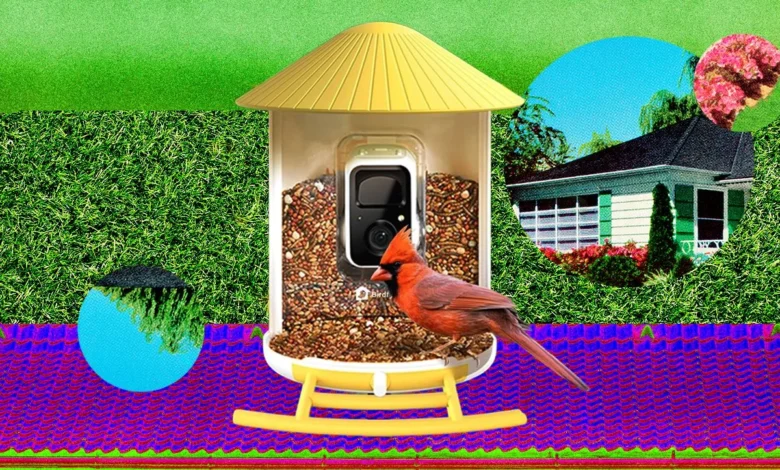
The rise of the smart bird feeder has transformed backyard birding from a passive hobby into an interactive, high-tech experience. These devices, which integrate cameras, motion sensors, and artificial intelligence, allow enthusiasts to capture high-definition footage of local avian visitors and receive real-time notifications on their smartphones. What was once a niche gadget has evolved into a $100-plus product category that forces consumers to weigh the value of bird-watching against the complexities of subscription models, hardware durability, and the persistent challenge of wildlife interference.
For those considering an investment in these devices, the market has matured significantly since the early 2020s. Initial models often suffered from inaccurate AI identification, poor build quality, and limited software functionality. Today, the landscape is defined by competition between established brands like Netvue, Birdbuddy, and newer entrants like Camojojo and Kiwibit.
Evaluating the Current Market Leaders
The Netvue Birdfy Lite remains a cornerstone of the industry. Initially met with tepid reviews for its inconsistent AI performance, the company has refined its software, positioning the device as the best overall option. Its appeal lies in its 155-degree wide-angle camera, which captures comprehensive images of birds rather than just partial silhouettes. With a 50-ounce seed reservoir and a durable, weather-resistant plastic housing, the Birdfy Lite strikes a balance between functionality and ease of use. While the AI identification subscription is a recurring cost for advanced features, the device offers significant value for casual backyard observers.
For users prioritizing image fidelity, the Camojojo Hibird Pro represents a significant step up. By offering 4K Ultra HD video resolution, it caters to those who want high-quality digital memories of their backyard visitors. Unlike many competitors that restrict connectivity, the Hibird Pro supports both 2.4-GHz and 5-GHz Wi-Fi bands, addressing a common pain point for users with modern, high-speed home networks. However, the tradeoff is weight; at five pounds when fully loaded, the unit requires robust mounting hardware to ensure stability against wind and curious squirrels.
The Kiwibit Bird Feeder 2 is frequently cited for its superior industrial design. Its modular approach allows the seed reservoir to be removed for refilling without dismantling the camera unit, a feature that significantly improves maintenance. Its built-in solar roof effectively manages battery levels even under overcast conditions. While it lacks the frequent discounting seen with other brands, the inclusion of a feature that allows for three-minute video clips—a rarity in the smart feeder market—makes it a compelling choice for those who want to capture complex bird behavior.
Technical Hurdles and Subscription Models
A critical consideration for any potential buyer is the hidden cost of the ecosystem. Most smart bird feeders operate on a "razor and blade" business model. While the hardware cost is substantial, the full suite of features—including cloud storage, extended video recording, and accurate AI species identification—is almost universally locked behind a monthly or annual subscription fee.

Data from the testing phase indicates that consumers should exercise caution regarding these "smart" claims. Many entry-level feeders, priced under $100, often rely on basic security camera hardware rebranded for birding. These devices frequently fail to deliver on AI promises, misidentifying common local species as exotic or distant varieties. Furthermore, the reliance on proprietary apps like "VicoHome" or "InstaVision" often results in an experience that prioritizes security-camera features over ornithological needs.
The Squirrel Challenge: Fact Versus Marketing
The "squirrel-proof" claim remains the most contentious marketing point in the industry. Despite aggressive advertising, no smart bird feeder is truly immune to the ingenuity of a determined squirrel. The most effective defense remains the "5-7-9 rule": positioning the feeder at least five feet off the ground, seven feet away from structures, and nine feet away from launch points like tree branches or roofs.
Physical barriers, such as metal baffles or specialized pole-mounting hardware, offer the highest rate of success. Several manufacturers, including Birdfy, have introduced metal guards, but these often represent an additional expense. Buyers should be aware that even with these protections, rodents may cause cosmetic damage to the feeder’s body, and the presence of power cables—necessary for some camera systems—provides a convenient chewing surface for local wildlife.
The Evolution of Smart Nesting Boxes
Beyond feeders, the market has expanded into "smart birdhouses." The Birdfy Nest Duo exemplifies this shift, utilizing dual-camera systems to monitor the interior of a nest box. These devices provide a unique, educational window into the life cycle of birds, from the initial nest-building phase to the eventual fledging. However, the use of these devices requires sensitivity. The cameras can emit subtle clicking sounds or infrared light that, while usually ignored by birds, can occasionally cause alarm during critical nesting periods. Successful use of these devices often requires a "hands-off" approach, with owners relying on the digital stream rather than physical interaction to ensure the safety of the brood.
Strategic Advice for Consumers
When comparing models, prospective buyers should focus on four pillars of quality:
- Connectivity: Ensure the device supports the frequency (2.4 GHz or 5 GHz) that covers your intended backyard location. Most devices are 2.4 GHz only, which offers better range through walls and trees.
- Subscription Transparency: Investigate whether the core functionality—such as basic AI identification—is included in the base price or requires a recurring subscription.
- Mounting Versatility: Confirm that the feeder supports pole mounting, as this is the most reliable way to mitigate squirrel damage and ensure the camera is at an optimal height for clear, eye-level shots.
- Build Quality: Consider the materials. Plastic is standard, but it can degrade under intense UV exposure. Wood offers a more natural aesthetic but requires regular maintenance and is more susceptible to rodent chewing.
Future Implications and Industry Trends
The industry is clearly moving toward higher-resolution imaging and more sophisticated AI models. As these technologies become more accessible, the barrier to entry will lower, potentially leading to a market saturation of lower-quality, generic devices. Consumers should look for brands that prioritize app stability and software updates, as the "smart" aspect of the device depends entirely on the company’s ability to maintain the app and AI servers over time.
For the serious backyard birder, the best approach is to treat these devices as a supplement to, rather than a replacement for, traditional birding. While they provide an unprecedented view into the lives of local wildlife, the core of the hobby remains the observation of nature. When the technology works, it provides a fascinating, data-rich perspective; when it falters, the bird-watching itself remains a rewarding, low-tech endeavor. By carefully vetting the hardware, understanding the subscription commitments, and investing in proper mounting, users can maximize the utility of these devices while minimizing the frustrations of modern, connected hardware.